Templates
UX research templates
Plan a study, recruit for it, run the interviews and turn the notes into findings. Journey maps, empathy maps, personas and service blueprints keep what you learned in front of the team.
64 free templates · Editable · Works with Claude and ChatGPT · Page 1 of 2
UX research templates 1–60 of 64
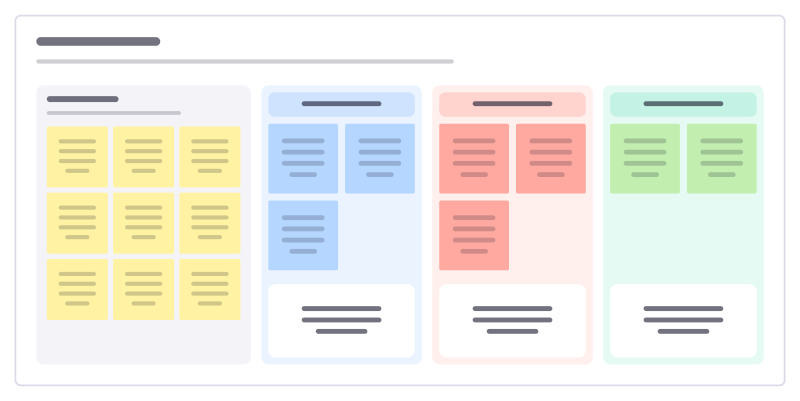
Affinity map
Turn a pile of research notes into themes, with one insight written under each.
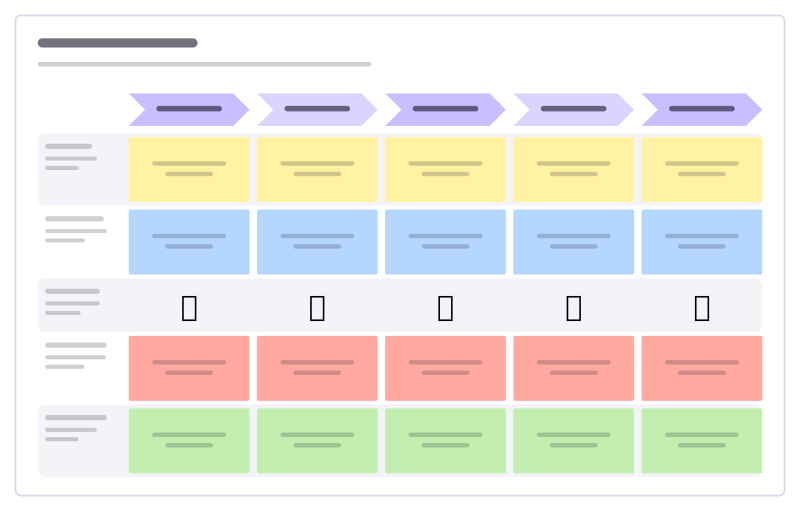
Customer journey
Stages across, lanes for doing, thinking, feeling, pain points and opportunities.
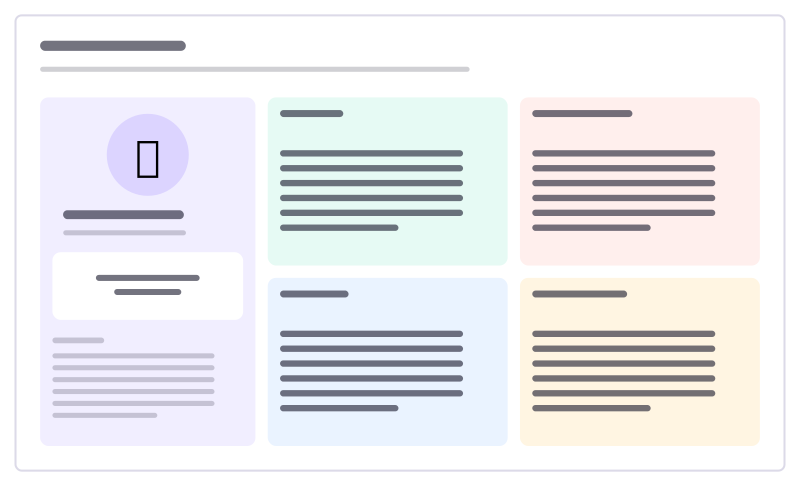
User persona
A research-based profile: who they are, goals, frustrations, habits and tools.
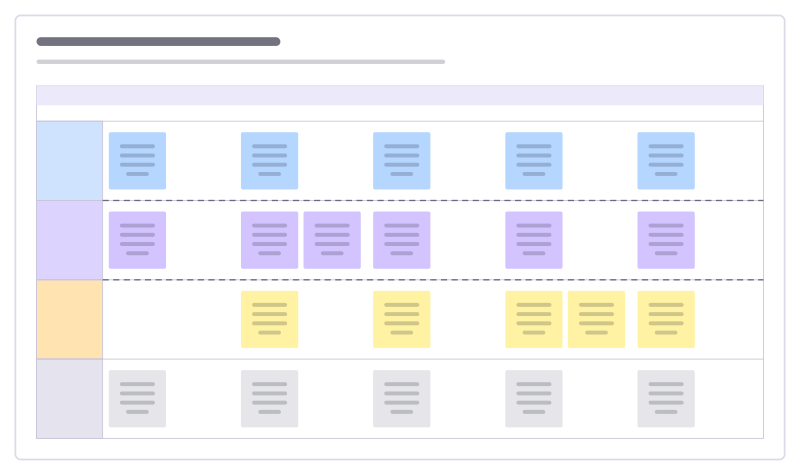
Service blueprint
What the customer does, what they see, what happens behind the scenes and the systems that support it.
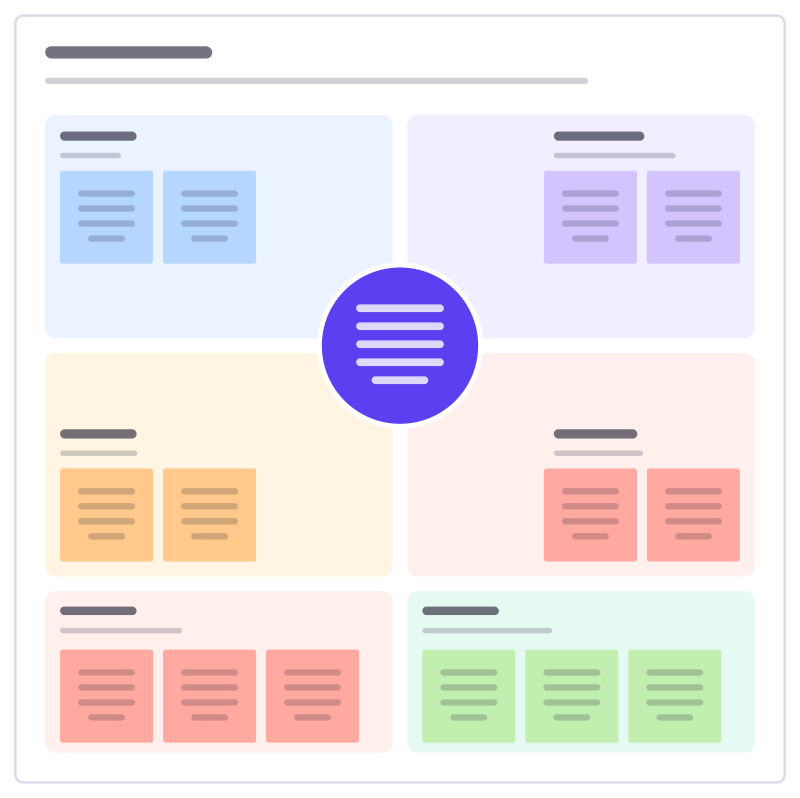
Empathy map
What one person says, thinks, does and feels, with their pains and gains below.
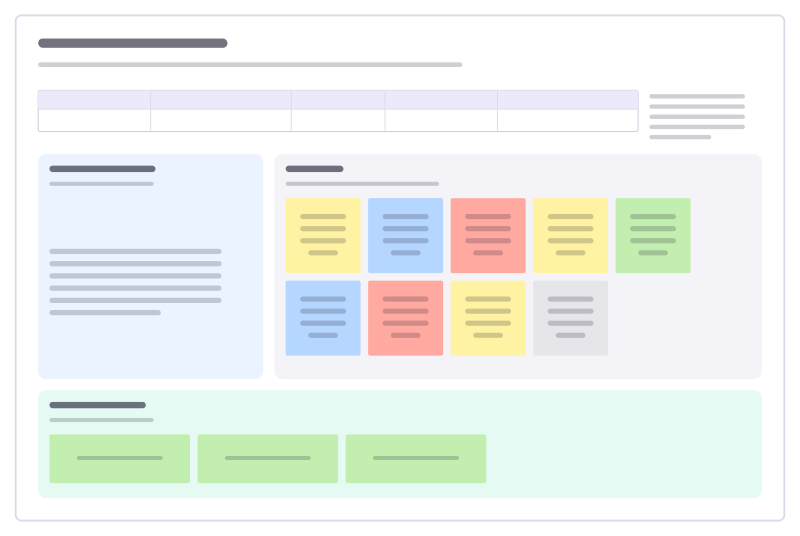
User interview notes
Interview guide, color-coded notes and the key takeaways from one conversation.
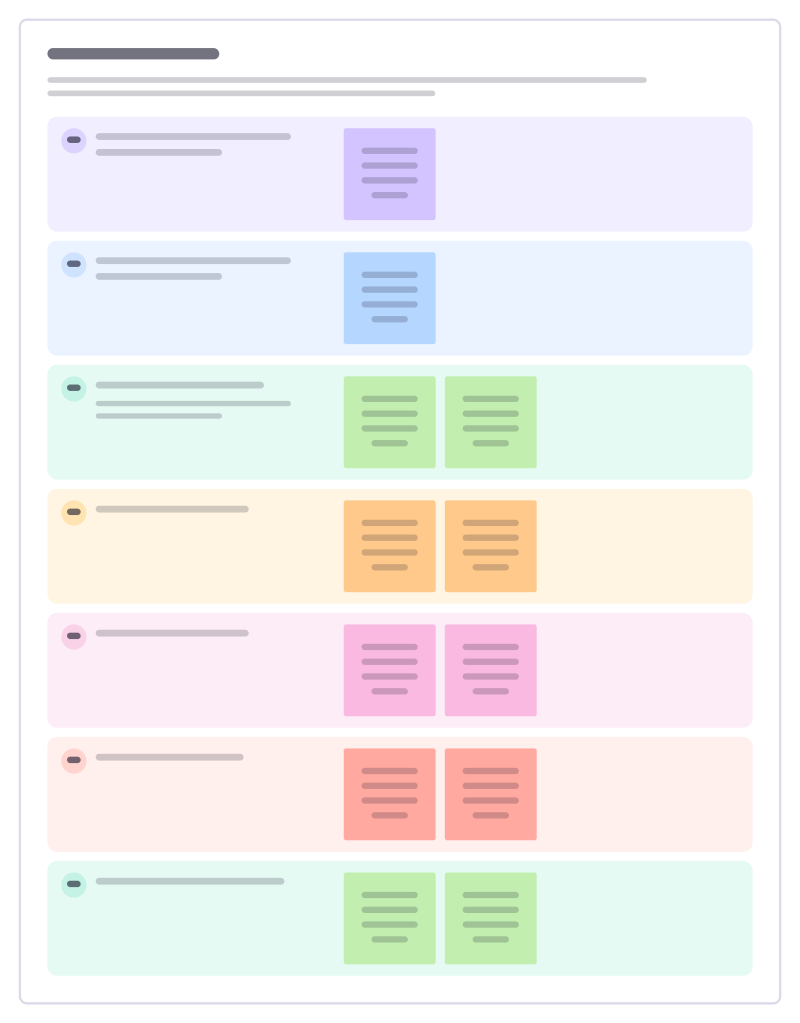
Analysis plan
Plan a piece of analysis before touching the data: the question, what answer would change a decision, the data, the method and the risks.
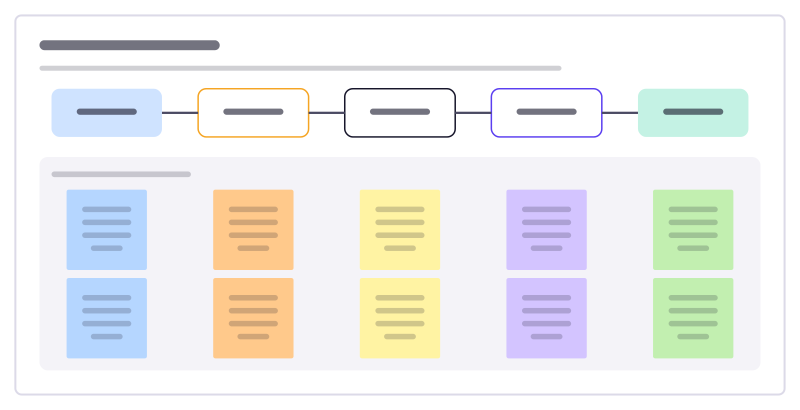
Insight to action
Take a finding from data and walk it through to a decision: what you saw, why it matters, what it might mean and what you will do.
Community needs assessment
Gather what a community says it needs, what already exists and where the gaps are, before deciding what to start.
Beneficiary feedback loop
Ask the people you serve what is working, act on it and tell them what changed, so feedback becomes a habit and not a survey.
Research plan
Plan a study before booking anyone: the decision it informs, the questions, method, participants, timeline and how you’ll share it.
Survey builder
Draft a survey people will finish: the goal, who answers, the questions in order and how each answer will be used.
Interview guide
A discussion guide for customer interviews: warm-up, their story, the problem in depth, current workarounds and wrap-up.
Insight synthesis
Turn research notes into insights: what you observed, what it means, and what the team should do about it.
Diary study plan
Plan a study where participants record their experiences over days or weeks: recruitment, prompts, check-ins and analysis.
Recruitment screener
Screen research participants with a few questions that let the right people in and keep the wrong ones out.
Research repository index
One place to find past research: each study’s question, date, method, key finding and where the full material lives.
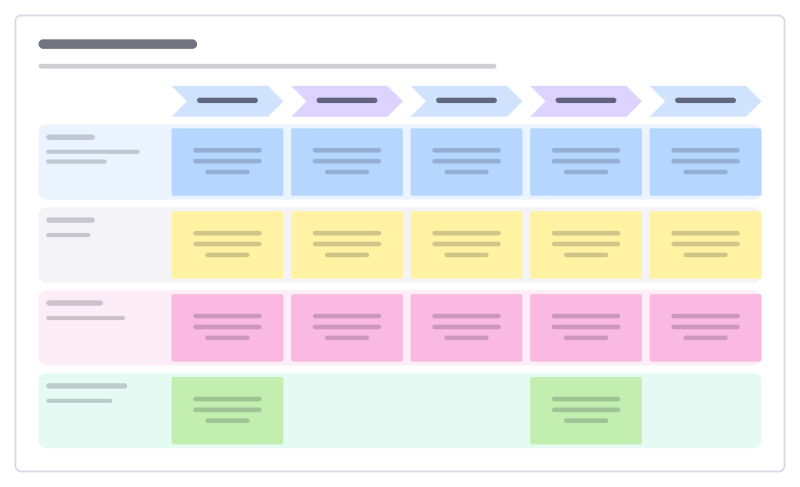
Day in the life
Follow one kind of user through a typical day: what they do, the tools they touch, how they feel and where you could help.
Heuristic review
Review an interface against well-known usability principles, log each issue with its severity and a suggested fix.
Survey results readout
Share survey results so people act on them: who answered, the headline, surprises, quotes and what changes.
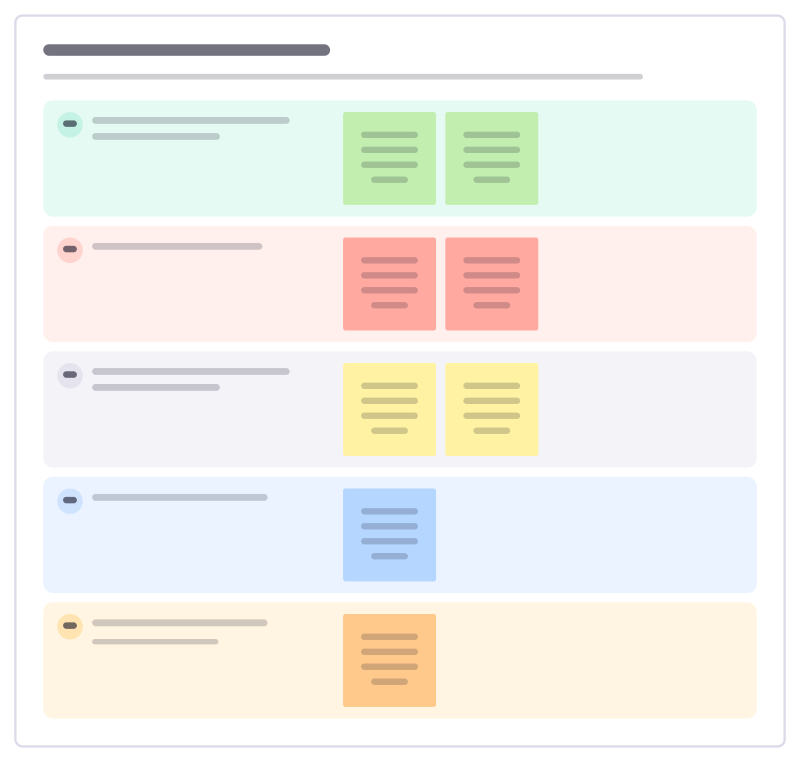
Stakeholder interview plan
Interview the people inside the company who shape a project: their goals, worries, constraints and what success looks like to them.
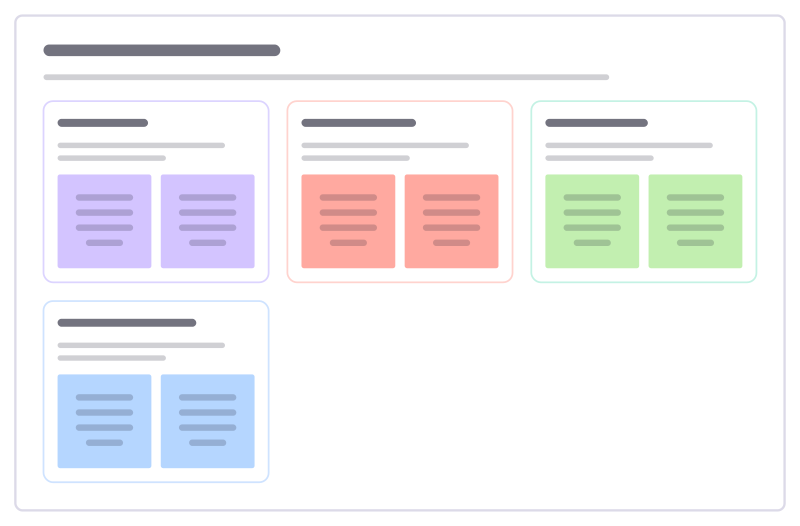
Behavioural segments
Group customers by what they do and need rather than by age or job title, with what each group needs from you.
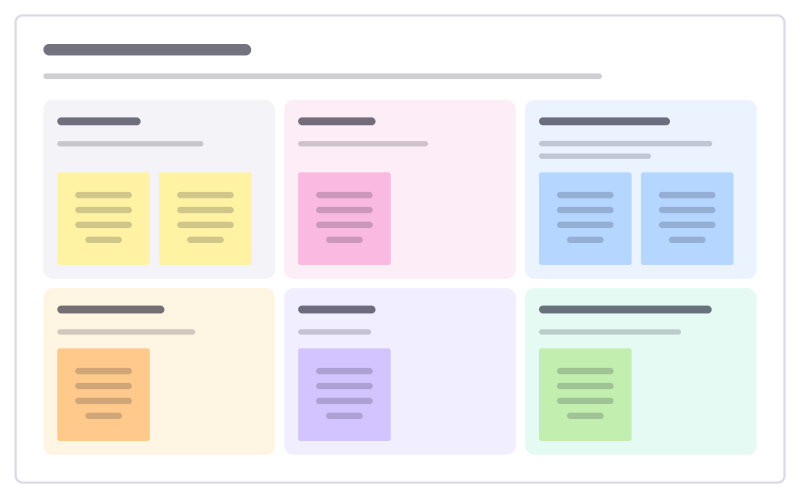
Field visit notes
Capture what you see on a site visit: the setting, people, tools and paper, the workarounds and the quotes worth keeping.
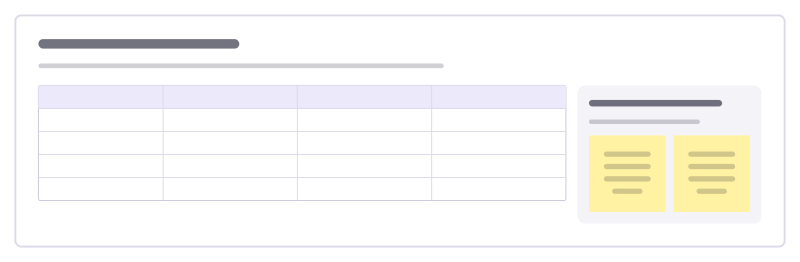
Competitive UX review
Compare how you and your competitors handle the same key tasks, step by step, to see where you lead and where you lag.
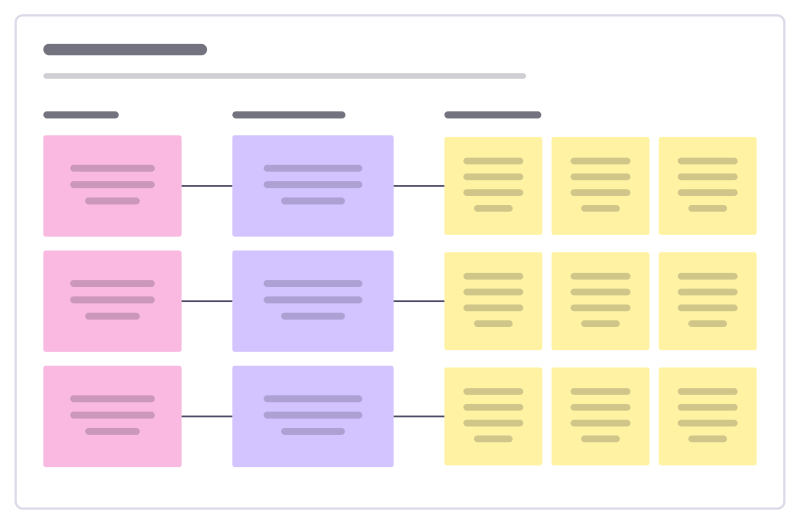
How might we
Turn research insights into “How might we…?” questions, then into first ideas.
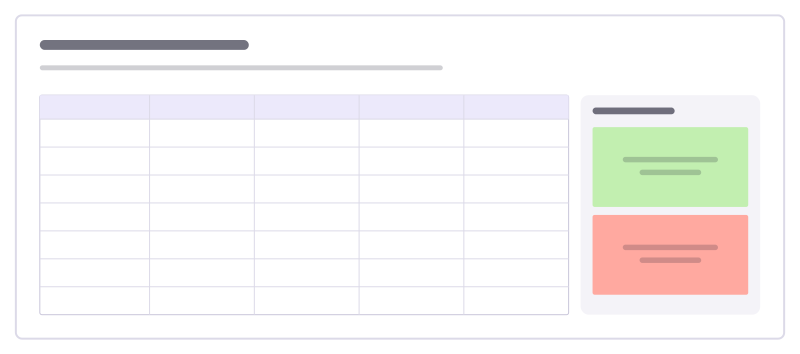
Competitor comparison
A table of you against alternatives on the criteria customers care about, plus takeaways.
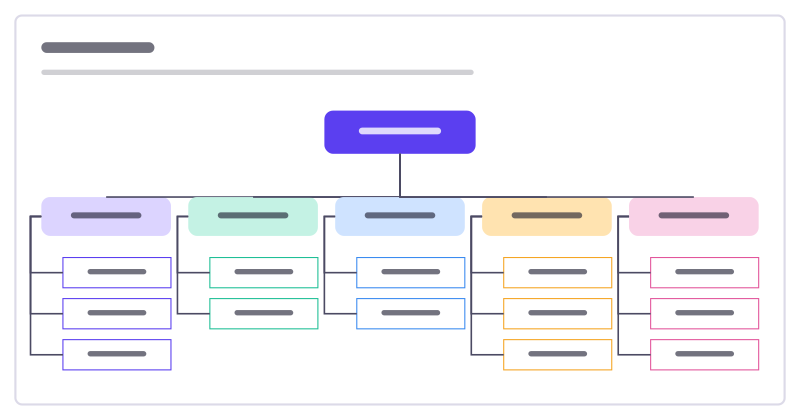
Sitemap
The pages of a website or app as a tree: home, main sections and the pages inside them.
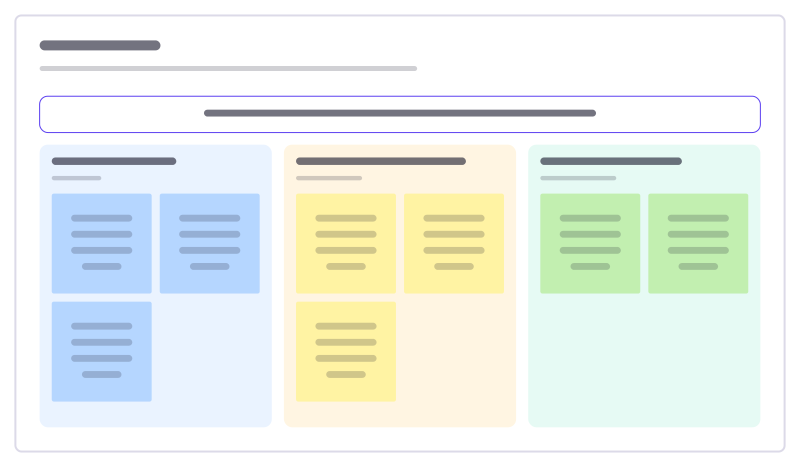
KWL chart
What students already Know, Want to know, and Learned about a topic.
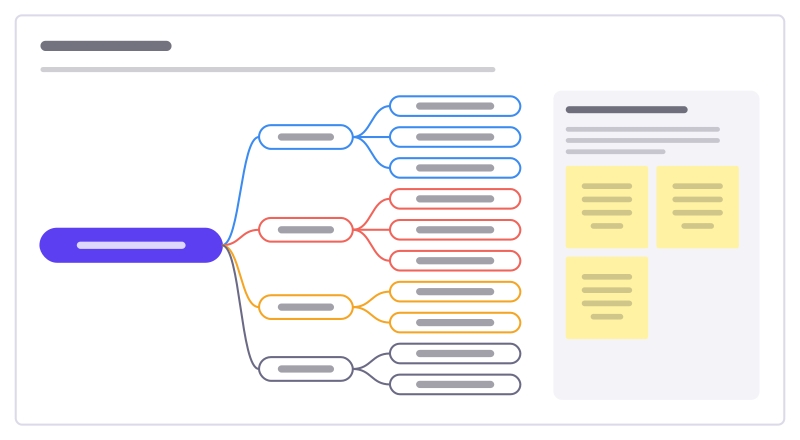
Issue tree
Break a big question into smaller ones that don’t overlap and together cover it, so a team can split the work and test each part.
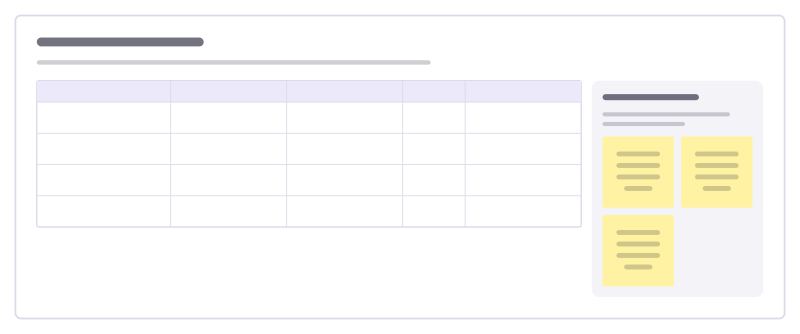
Hypothesis tracker
Keep every working hypothesis in one table with the evidence for and against, how confident you are and the next test.
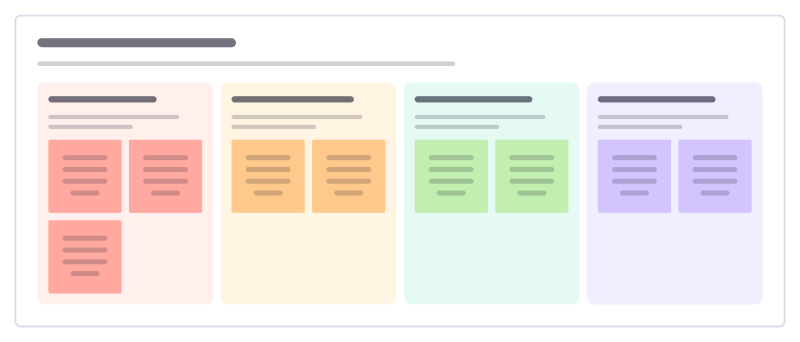
Survey score follow-up
Turn last month’s customer satisfaction scores and comments into calls to make, themes to share and fixes to start.
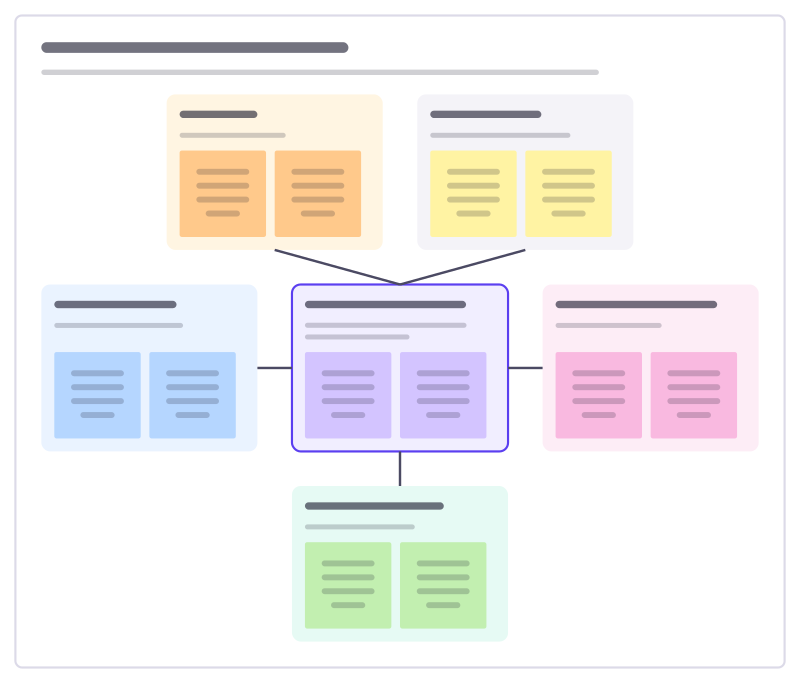
Voice of the customer programme
Bring what customers say in surveys, calls, tickets and reviews into one place, and decide who hears it and how often.
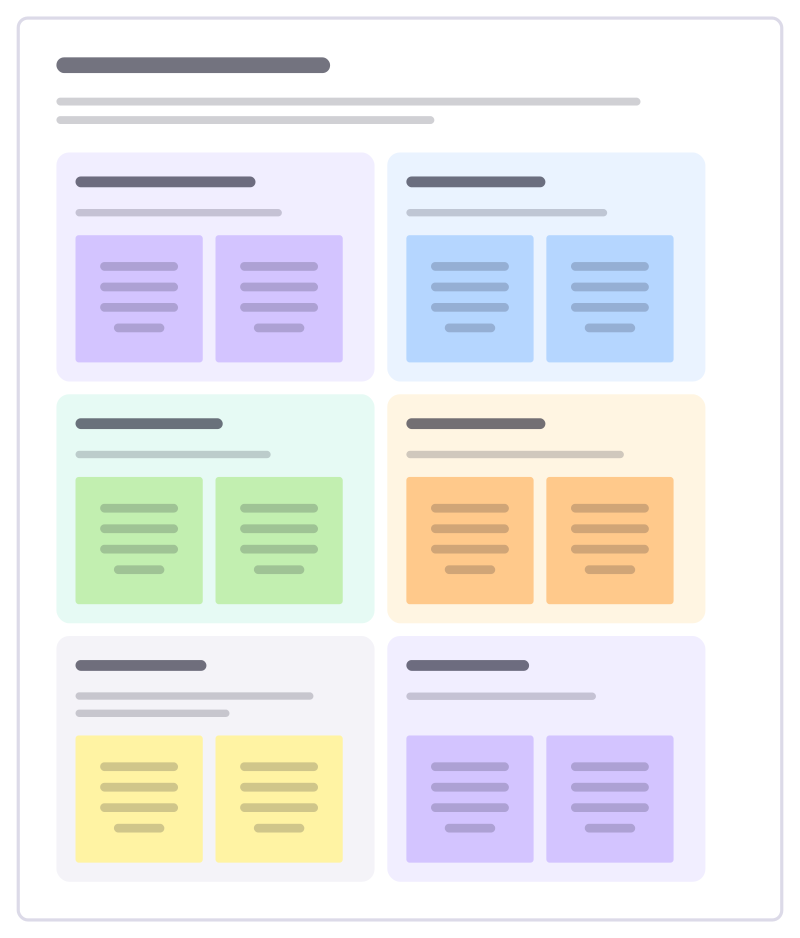
A/B test readout
Share the result of a finished A/B test: what changed, what happened to the main and guardrail metrics, and what you decide.
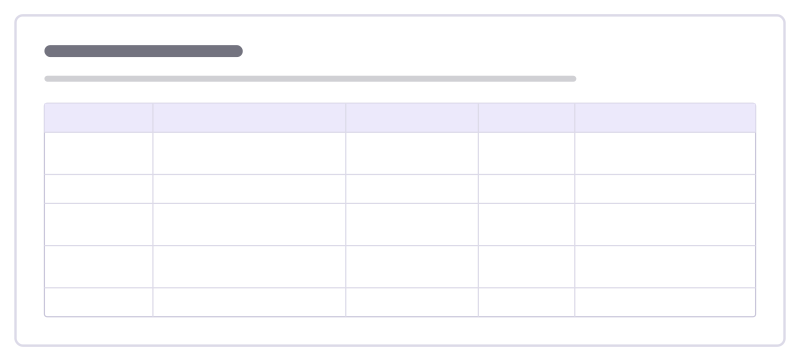
Data dictionary
Describe the fields in an important table in plain words: what each holds, where it comes from, its allowed values and its pitfalls.
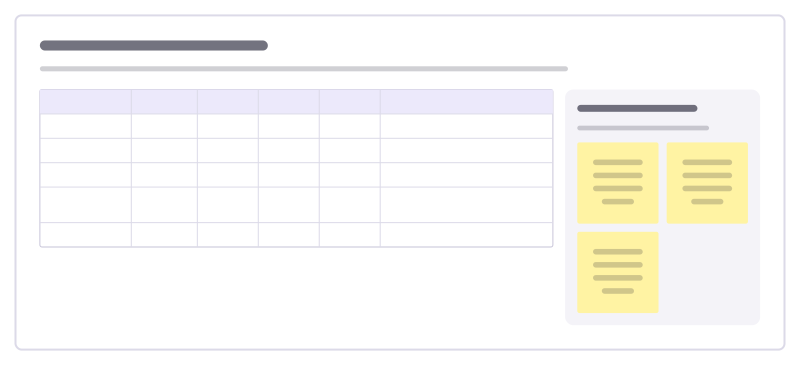
Cohort retention review
Read a cohort table together: how many customers from each sign-up month are still active later, and what explains the differences.
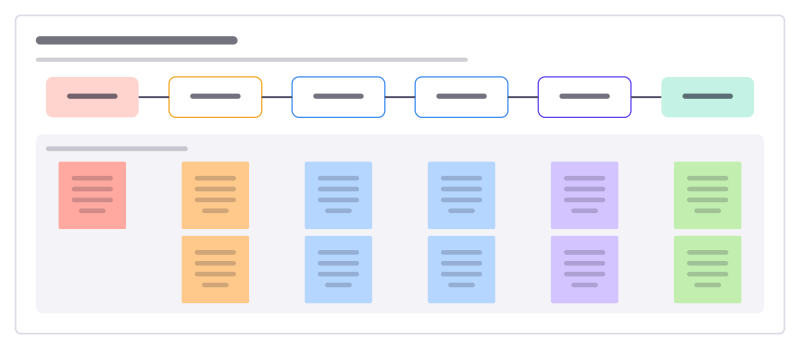
Metric drop investigation
Work out why a key number suddenly changed, step by step: is it real, where is it, when did it start and what caused it.
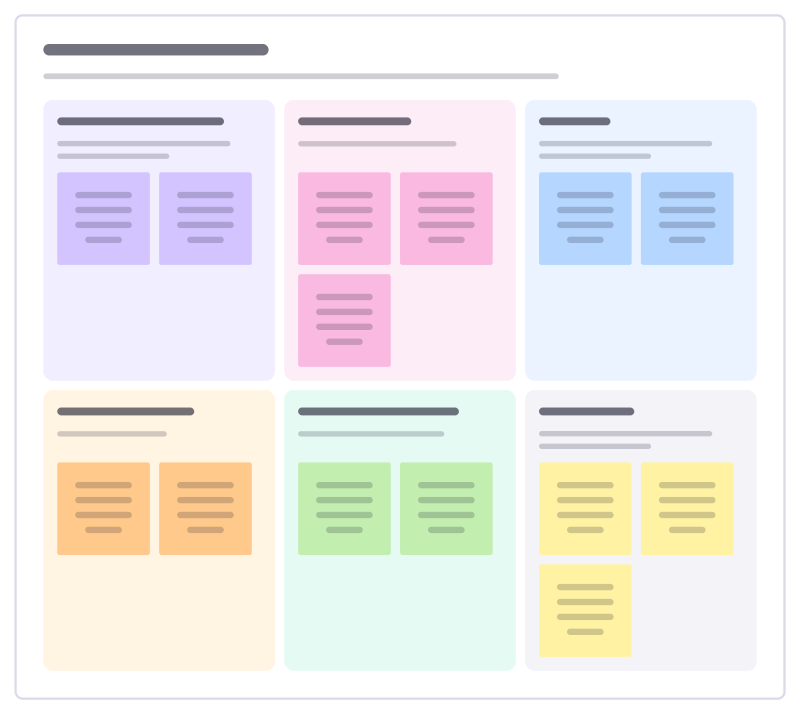
Usability test plan
Plan a round of usability sessions: what you need to learn, with whom, the tasks they will try and how you will judge success.
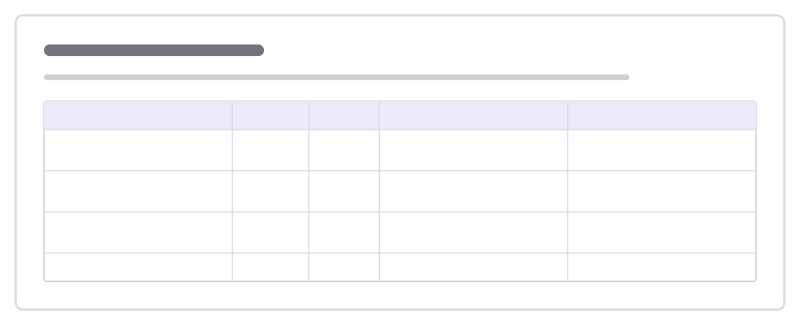
Usability findings
Turn test sessions into a ranked list of problems with evidence, severity and the fix you recommend.
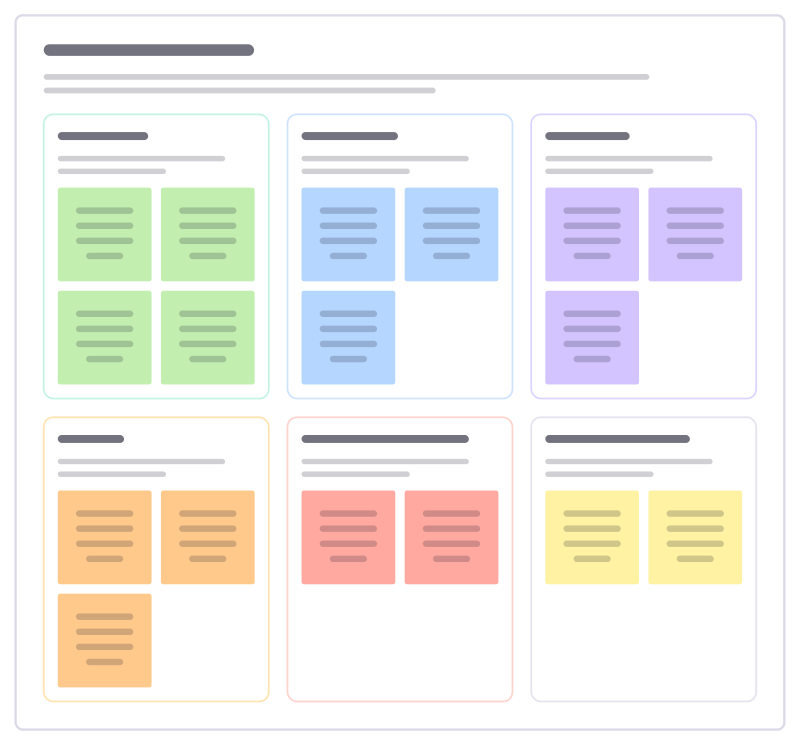
Card sort results
How people grouped your content and what they called each group, to shape menus and navigation on evidence.
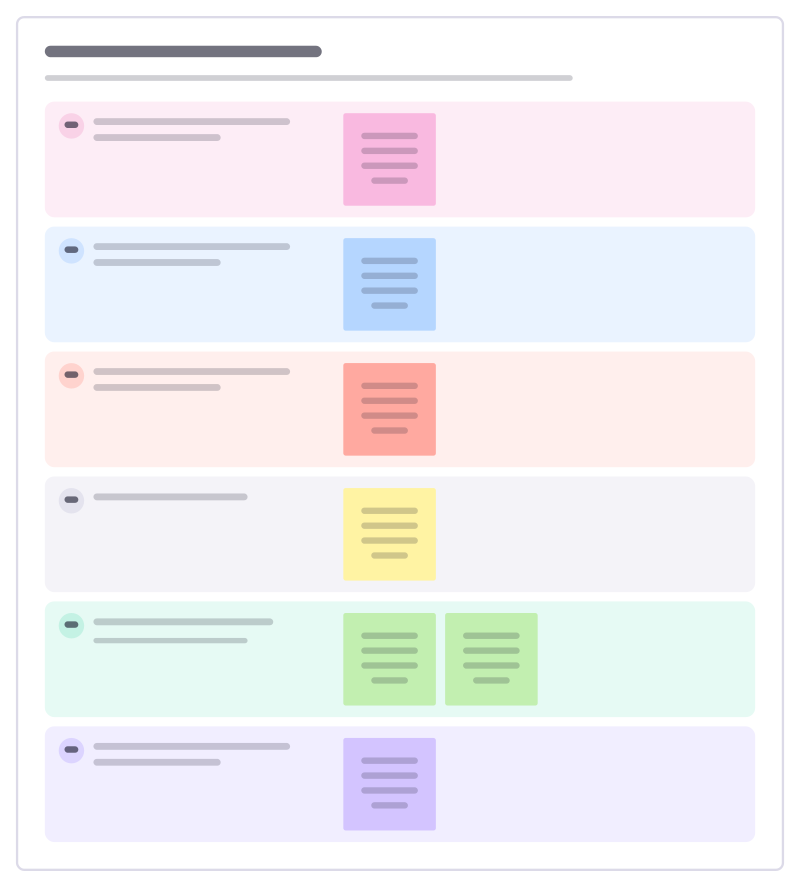
Problem statement builder
Write a problem worth solving before anyone suggests a solution: who has it, when, what it costs them and how we know.
Kano feature sort
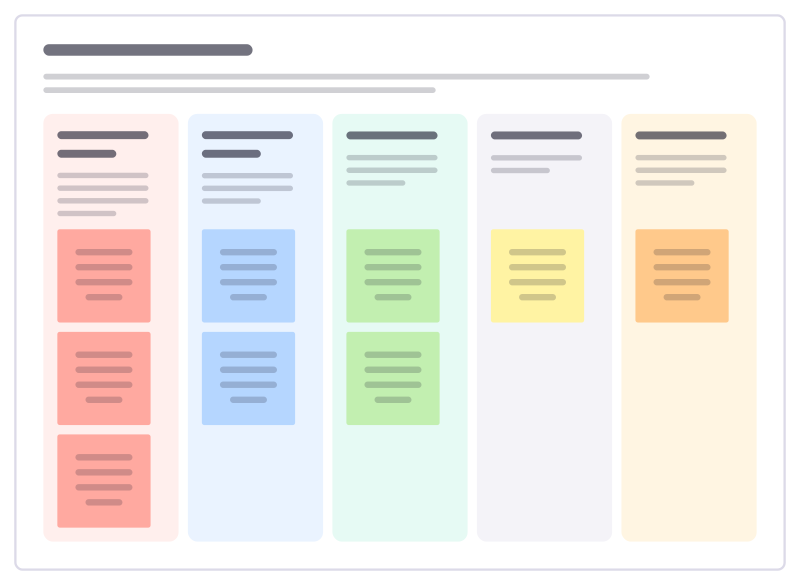
Sort features by how customers react to having or missing them: basics they expect, features where more is better, and delighters.
Opportunity scoring
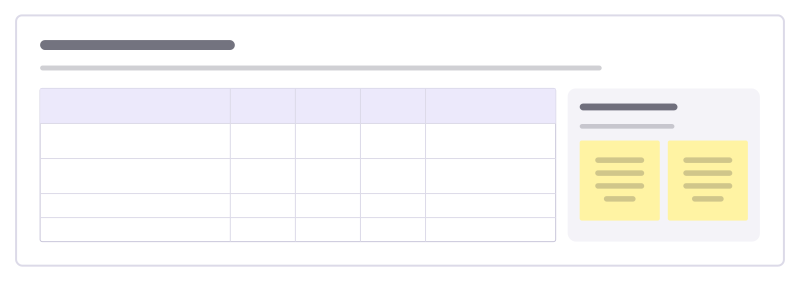
Find under-served needs: score how important each outcome is to customers and how satisfied they are today, then chase the biggest gaps.
Discovery sprint plan
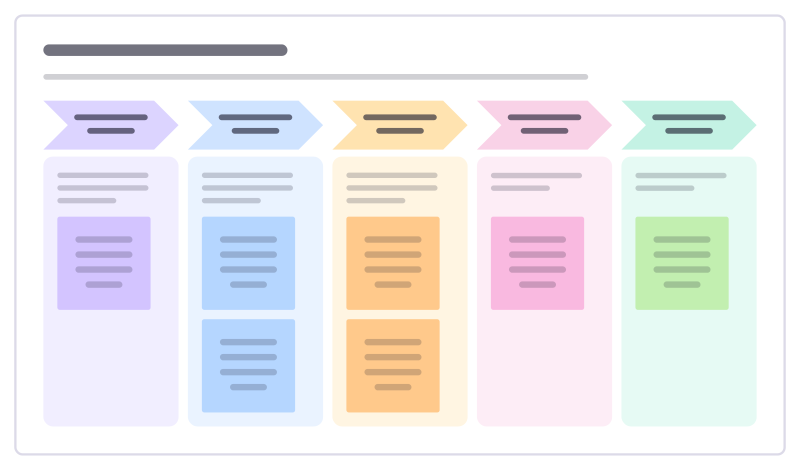
Plan two to four weeks of discovery: frame the question, learn from customers, generate options, test them and decide.
Feature adoption funnel
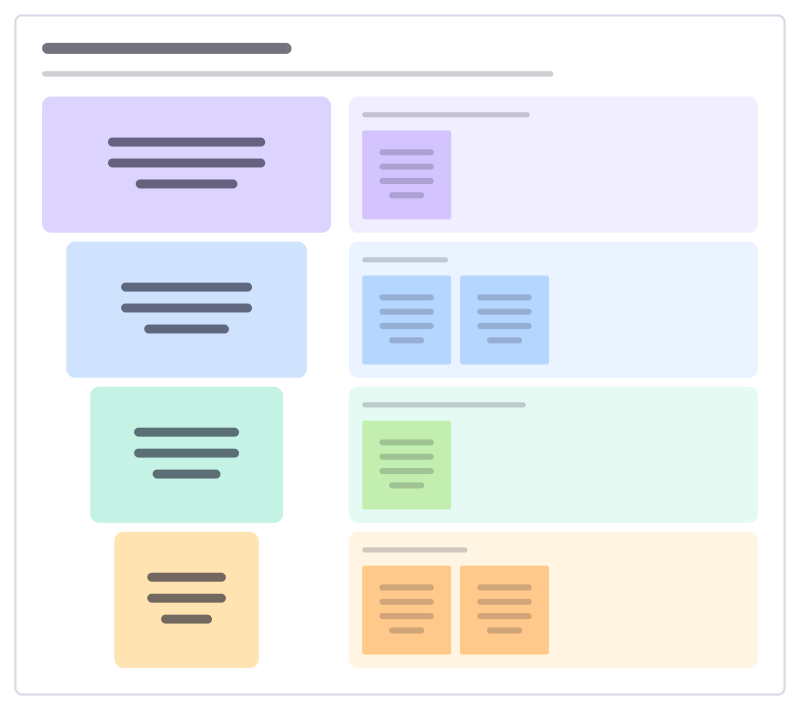
Follow a new feature from being noticed to becoming a habit, and find the stage where most people drop off.
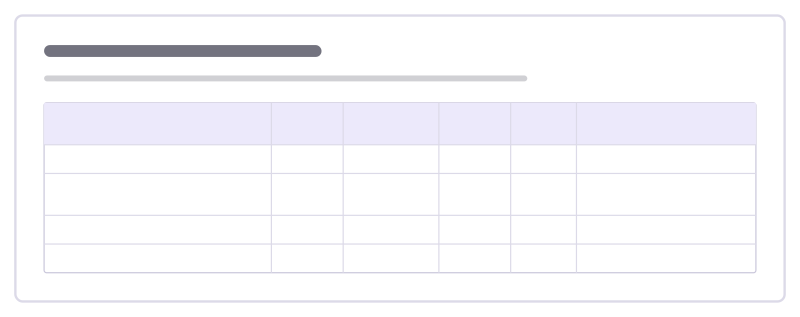
Customer problem ranking
Rank the problems customers bring up by how many have them, how much they hurt and how well we could solve them.
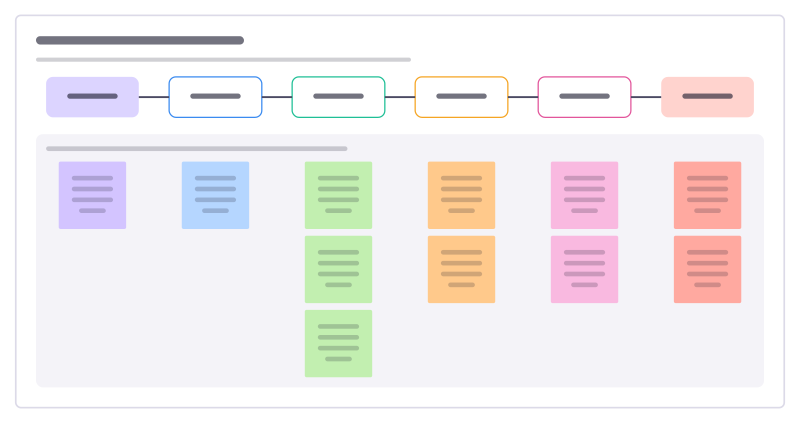
Science experiment planner
A fair test from question to conclusion, with a worked example at each step so students see what a good answer looks like.
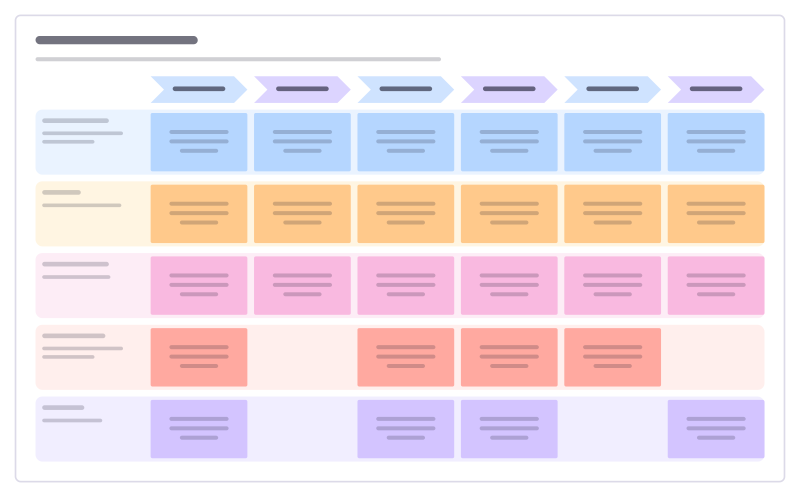
Patient pathway map
Follow one patient from referral to follow-up: what happens at each step, how long they wait, how it feels and what could be better.
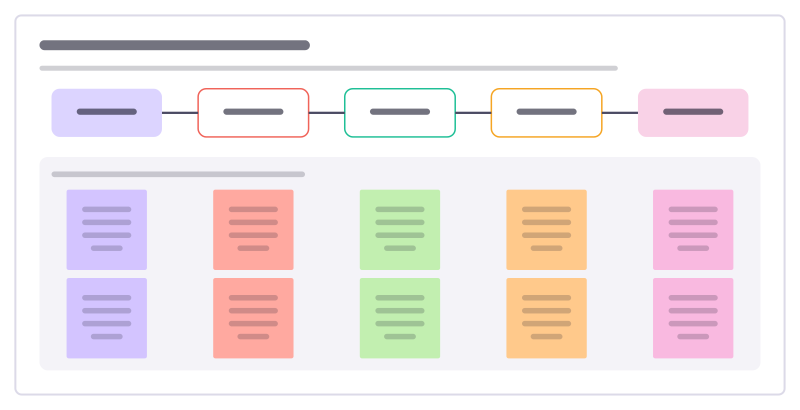
Clinic flow and waiting times
Time each step of a clinic visit from arrival to leaving, so you can see where patients wait and which delay to fix first.
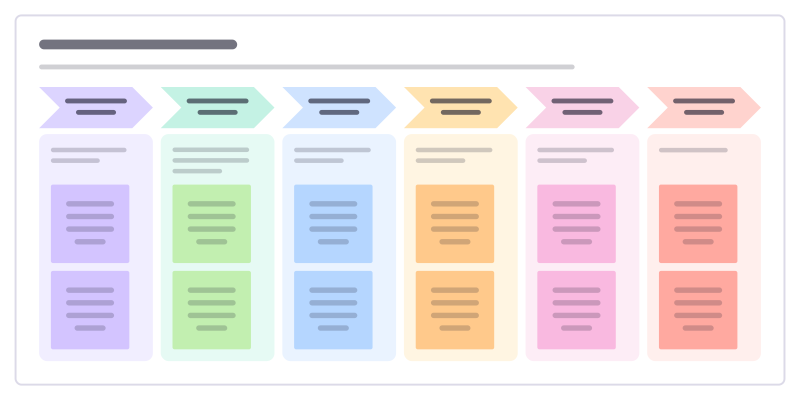
Clinical audit cycle
Run an audit against an agreed standard: pick the topic, collect the data, compare, change practice and audit again.
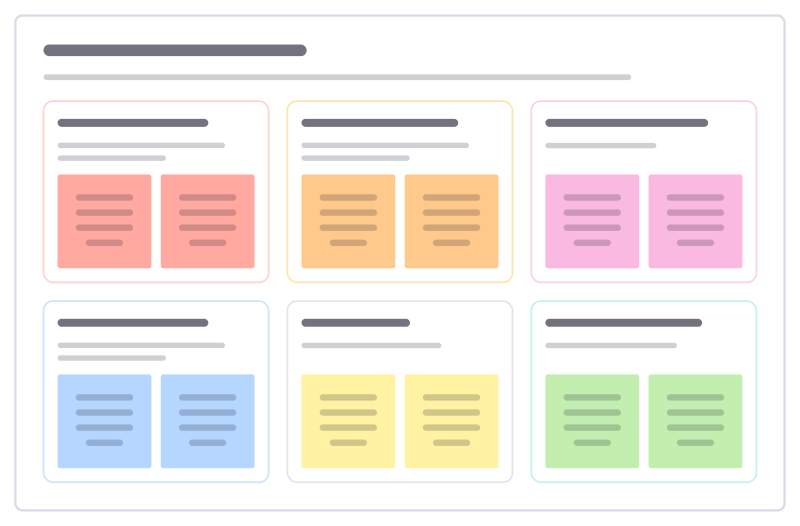
Patient feedback themes
Sort comments from surveys, complaints and thank-you cards into themes, so the team sees what patients raise most and acts on it.
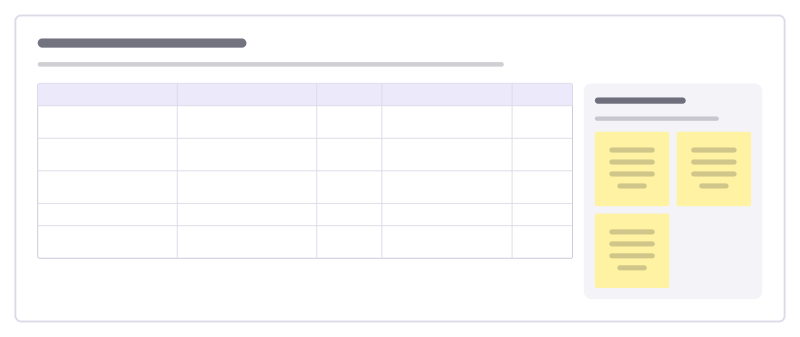
Infection control audit
Walk a clinical area against its hygiene standards, record what you see and turn each miss into an action with an owner.
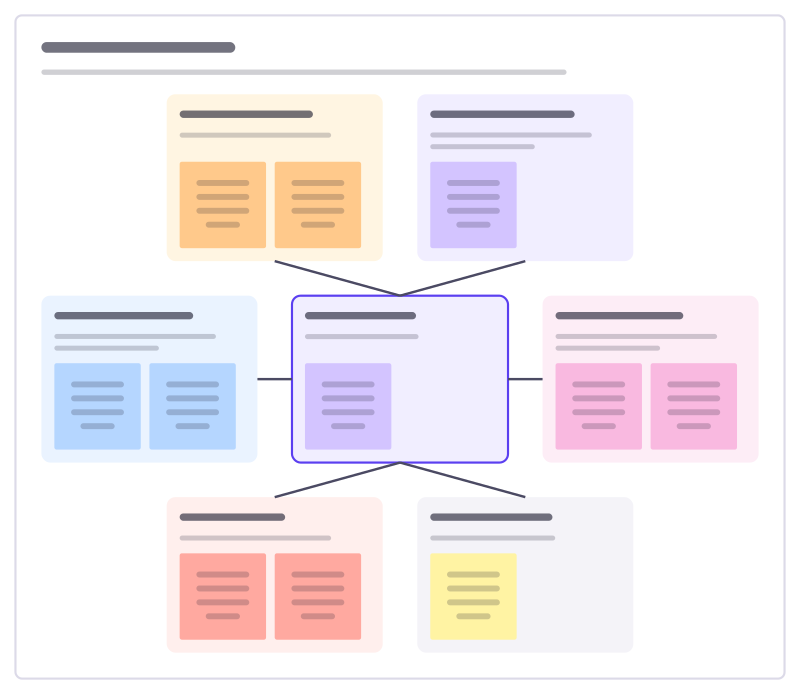
Perspective shift
Look at one challenge through the eyes of very different people, from a first-time customer to a competitor, to find ideas you would miss.
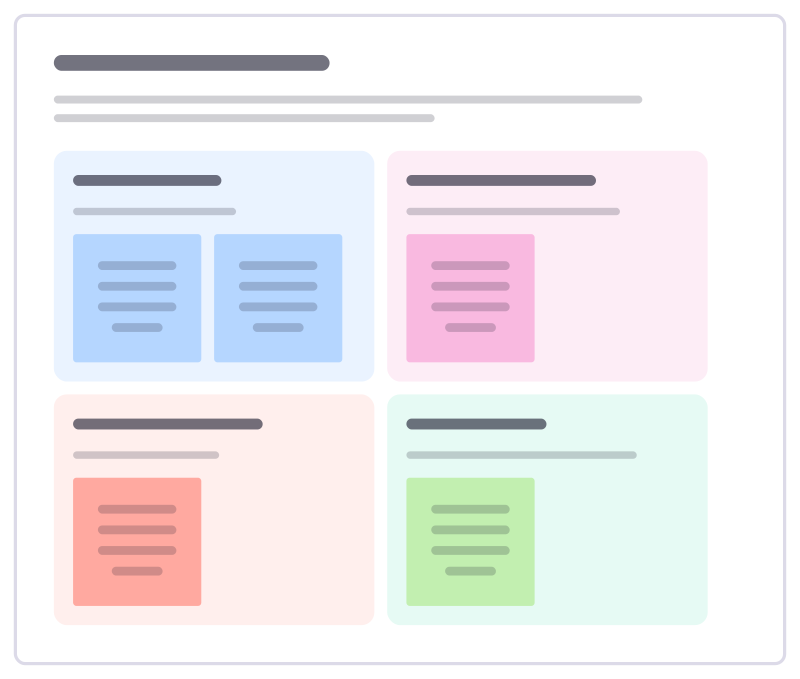
Floor walk notes
Notes from walking where the work happens: what you saw, what people told you, problems spotted and what you’ll follow up.
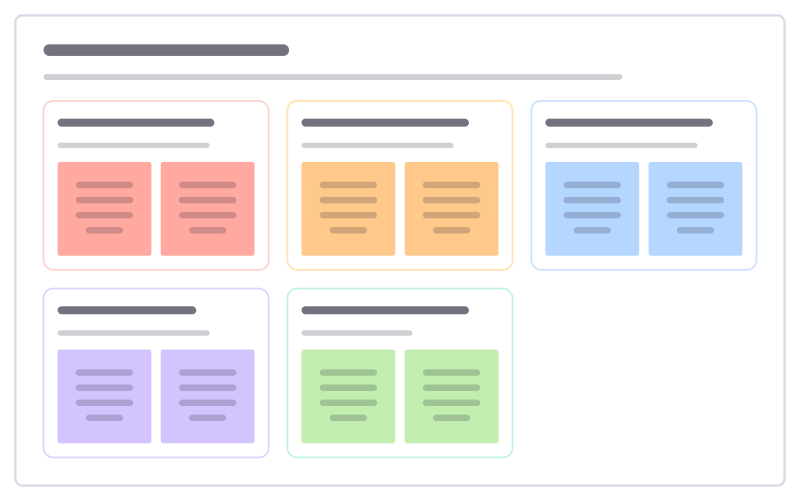
Support ticket themes
Group a month of support tickets into themes, with counts and examples, so product and ops fix the causes instead of answering forever.
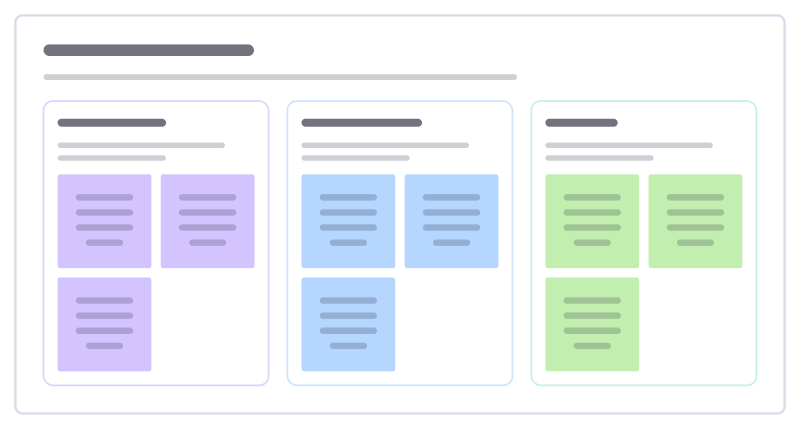
Audience segments
Describe who you’re marketing to in a few segments: what each cares about, where they hang out and the message that lands.
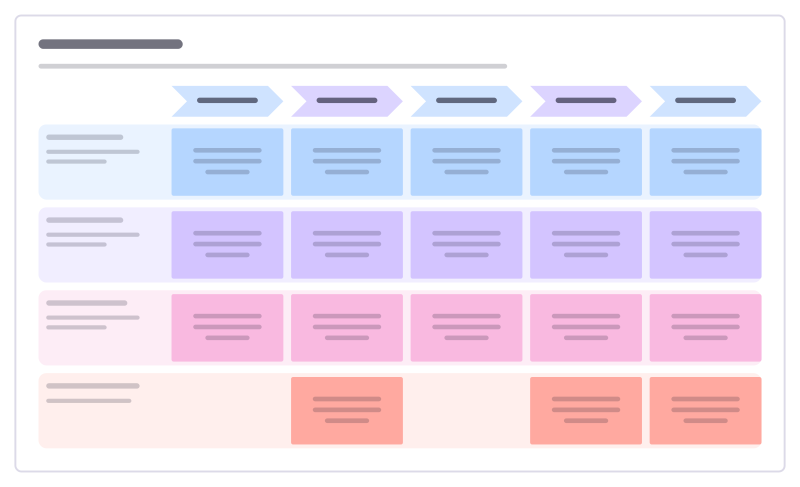
Donor journey
Follow a supporter from their first gift to giving regularly: what they do, what you send, how they feel and where you lose them.
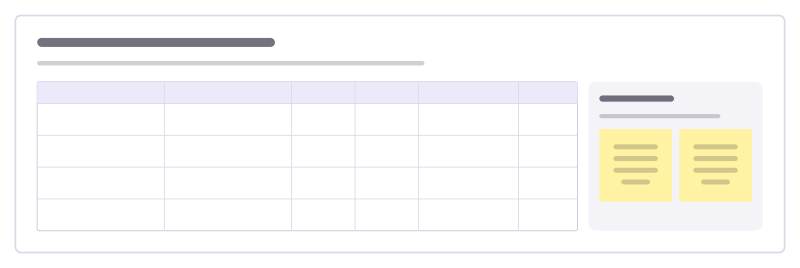
Impact measurement framework
Decide how you will show your work makes a difference: each outcome with an indicator, baseline, target and where the data comes from.
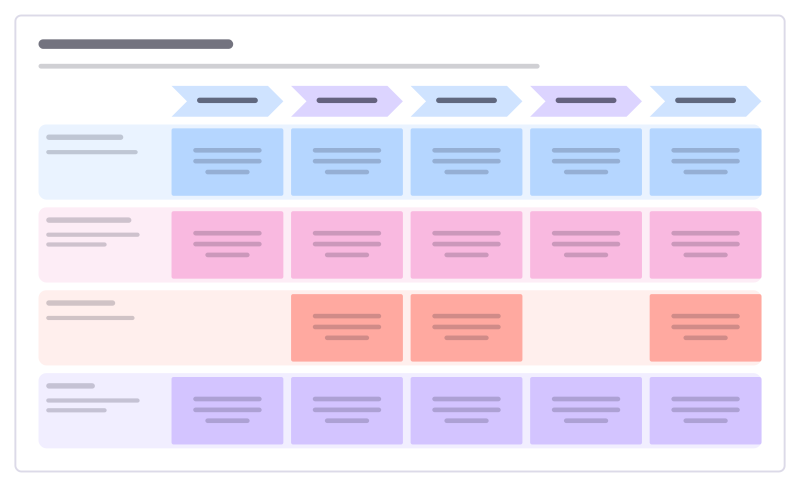
Employee journey map
Follow an employee’s experience from first hearing about you to leaving, to find the moments that make people stay or go.
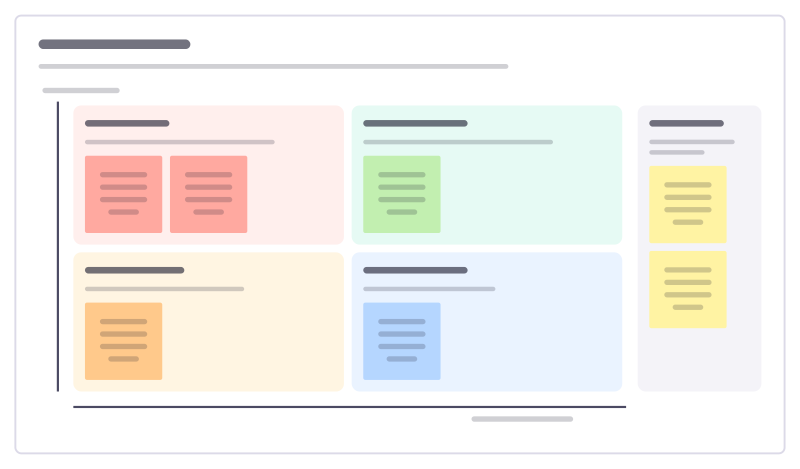
Assumption map
Sort what you believe about an idea by how much it matters and how much evidence you have, then test the risky ones first.
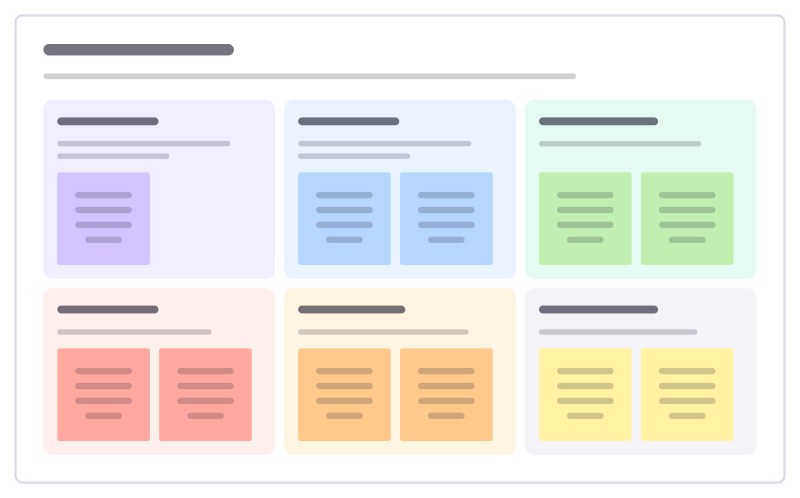
Experiment plan
Design one experiment before running it: the belief, the test, the signal you expect and what you will do with each result.
Bring your team and your agents to one board
Free to use, open source, and yours to host. No credit card, no seat count.