Templates
Strategy templates
Decide where to play and how to win on one board everyone can see: read the situation, weigh options and bets, set objectives and lay out the roadmap that follows from them.
94 free templates · Editable · Works with Claude and ChatGPT · Page 1 of 2
Strategy templates 1–60 of 94
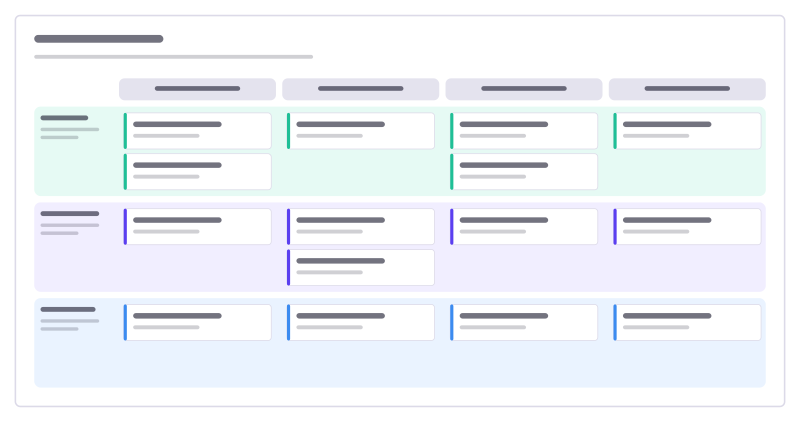
Product roadmap
Four quarters across, product themes down, with cards for each initiative.
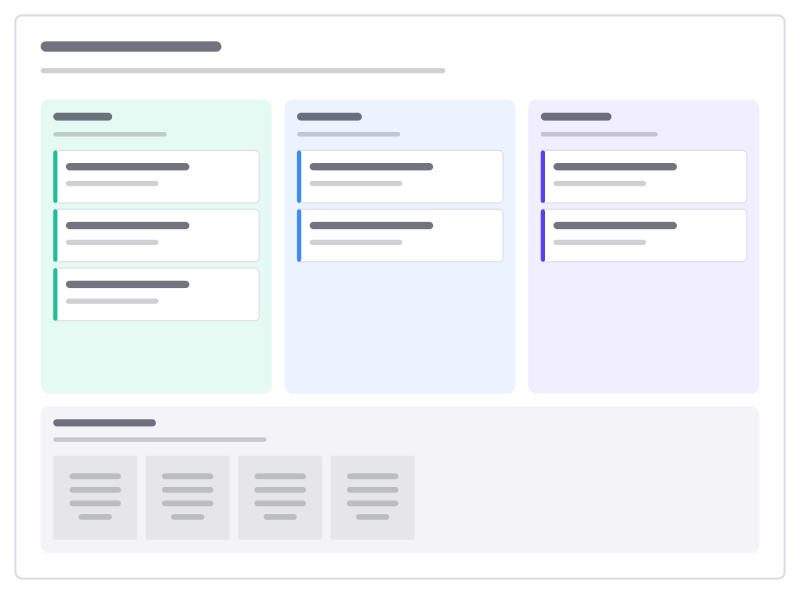
Now, next, later
A roadmap without dates: problems you’re solving now, next and later, plus parked ideas.
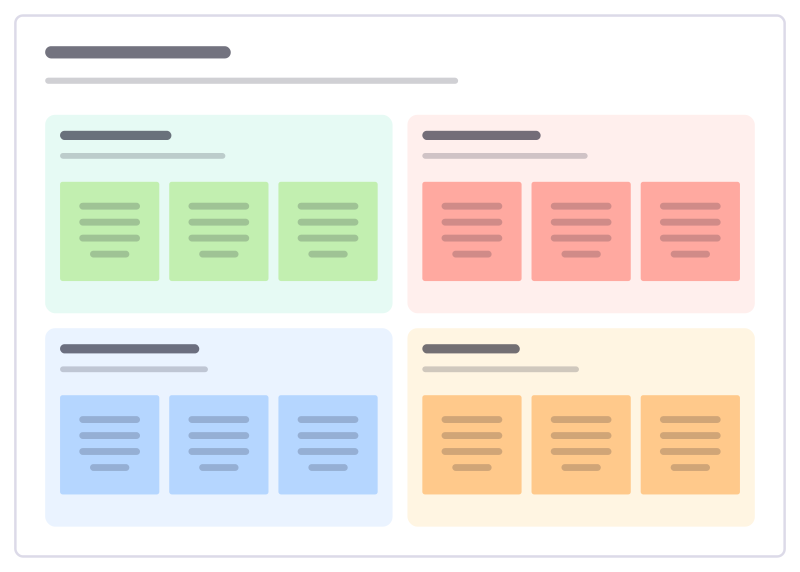
SWOT analysis
Strengths, weaknesses, opportunities and threats, with a guiding question in each.
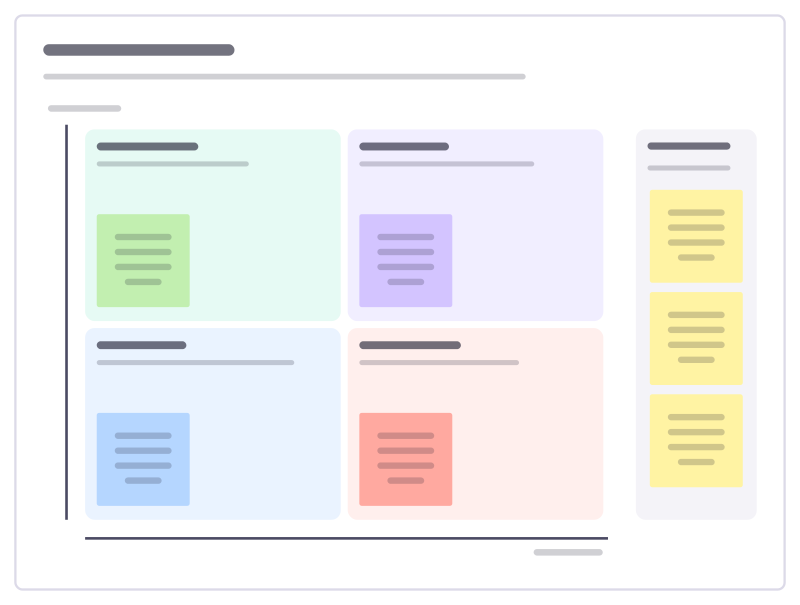
Impact × effort
A 2×2 matrix to sort ideas into quick wins, big bets, fill-ins and time sinks.
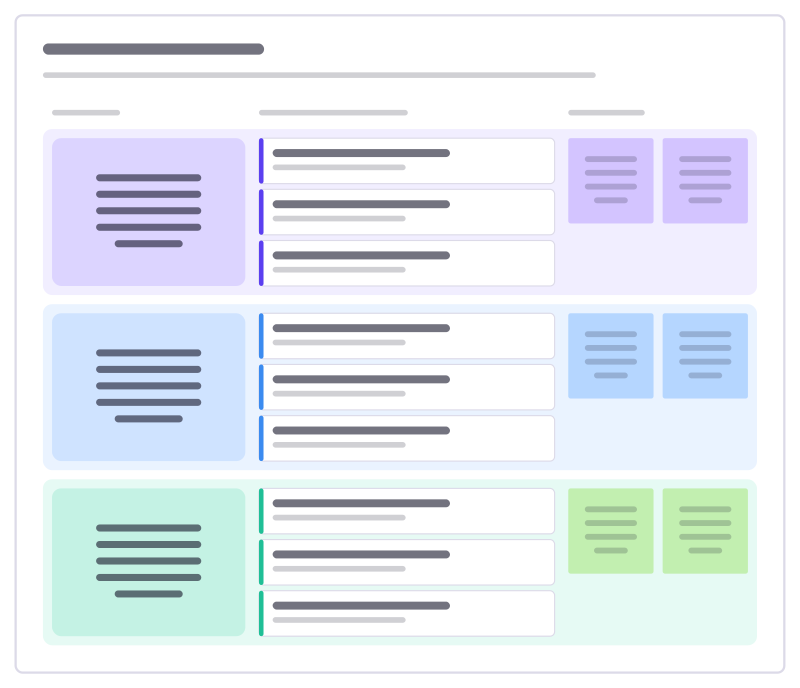
OKRs
Three objectives, each with measurable key results and the initiatives that move them.
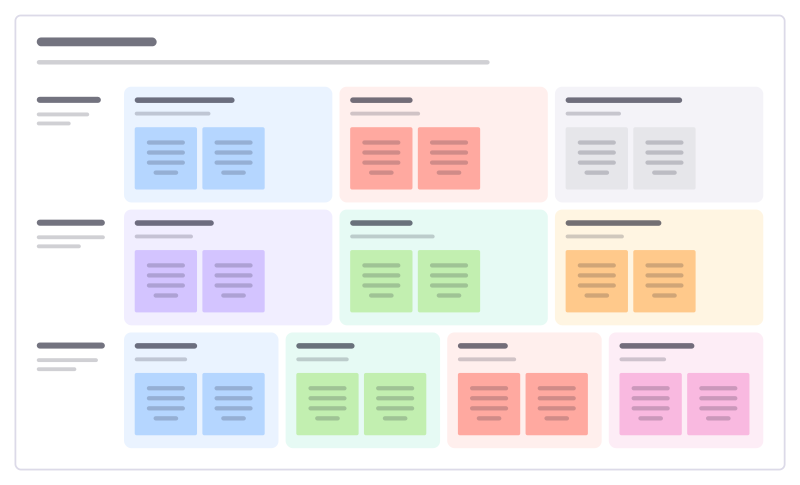
Lean canvas
A one-page business plan in three bands: the problem, your solution and the business.
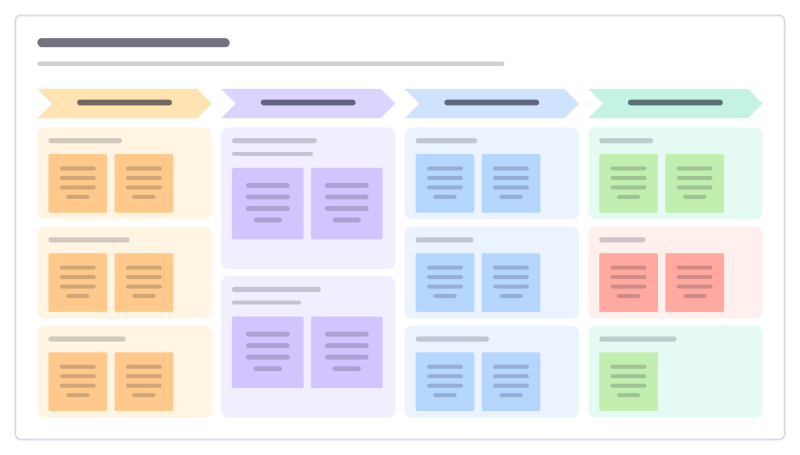
Business model sketch
Build, offer, reach, earn: how a business creates value and makes money, left to right.
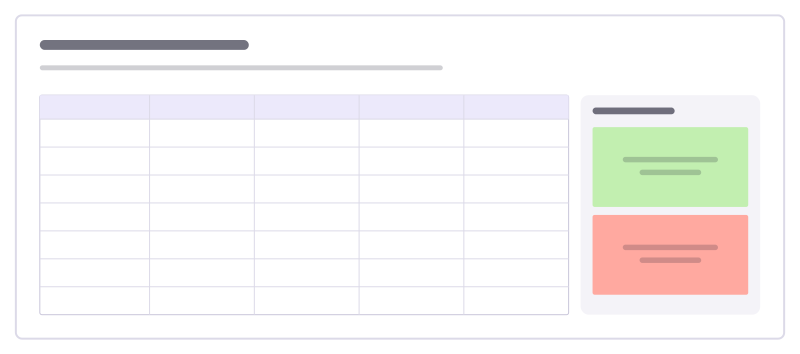
Competitor comparison
A table of you against alternatives on the criteria customers care about, plus takeaways.
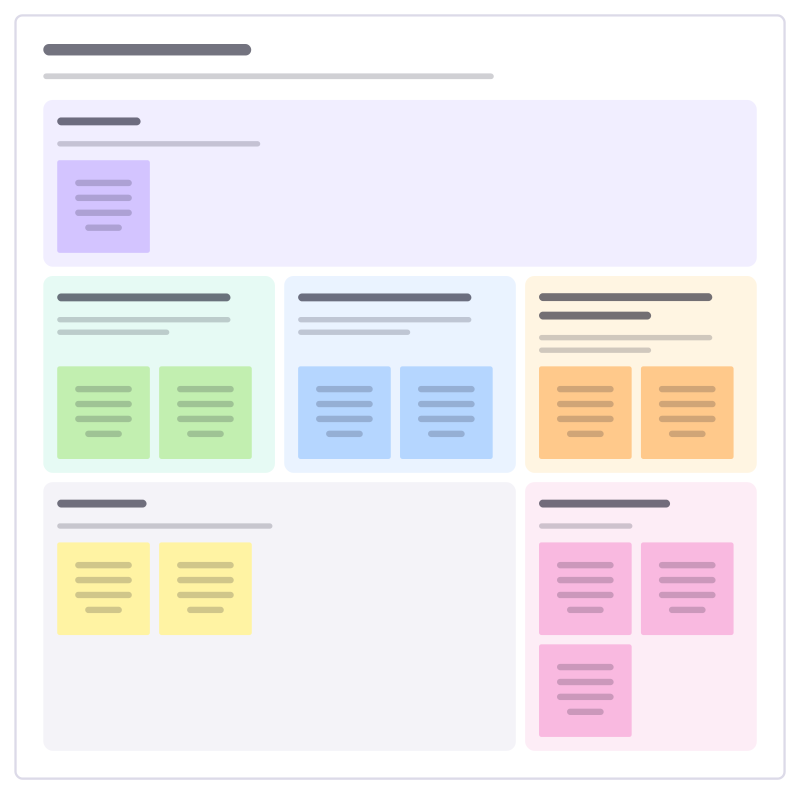
Strategic pillars
Hold a strategy up on a few pillars: the mission they serve, what each pillar means, the enablers under them and how progress shows.
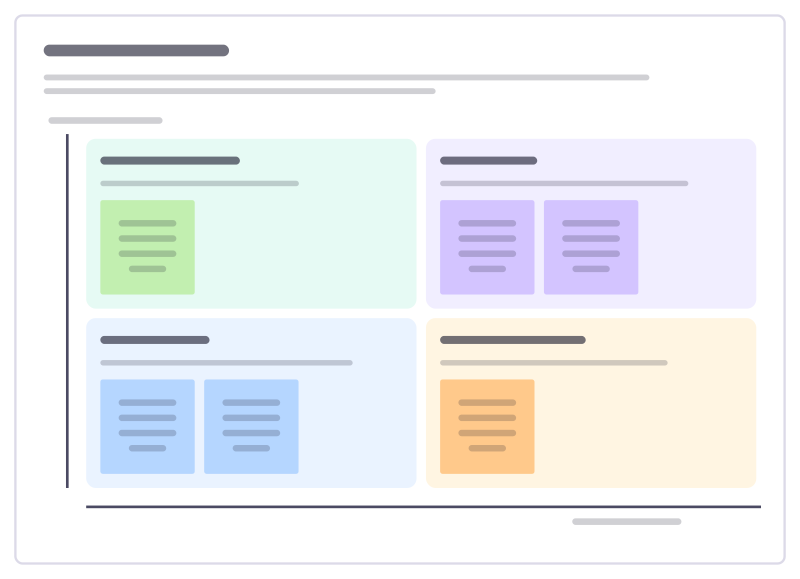
Bets portfolio
See your initiatives as a portfolio of bets, from safe improvements to bold new ones, and check the mix is deliberate.
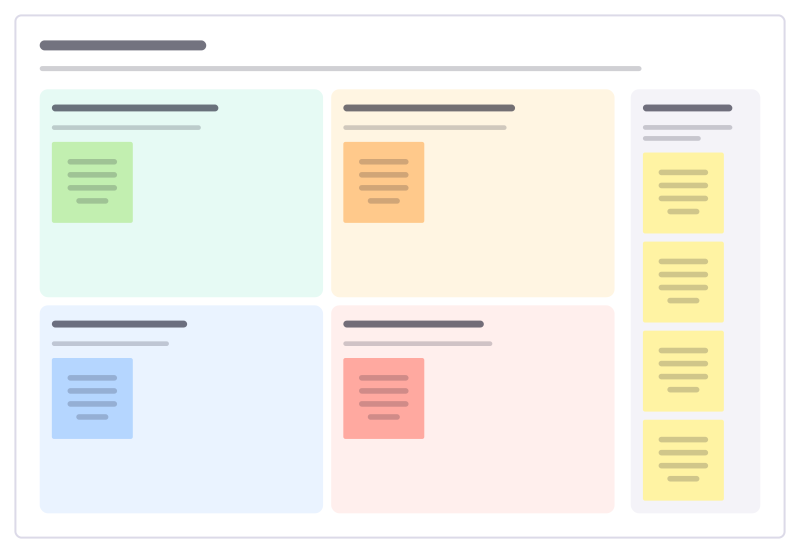
SWOT to actions
Turn a finished SWOT into moves: use strengths on opportunities, fix weaknesses that block them, and defend against threats.
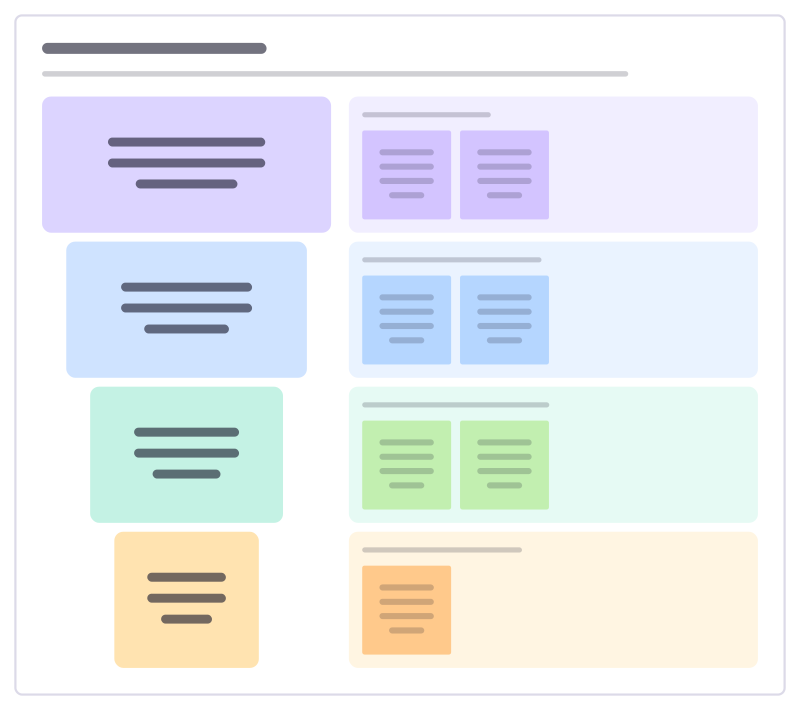
Market sizing funnel
Size a market from everyone who could buy down to who you can realistically win in year one, with the assumption behind each cut.
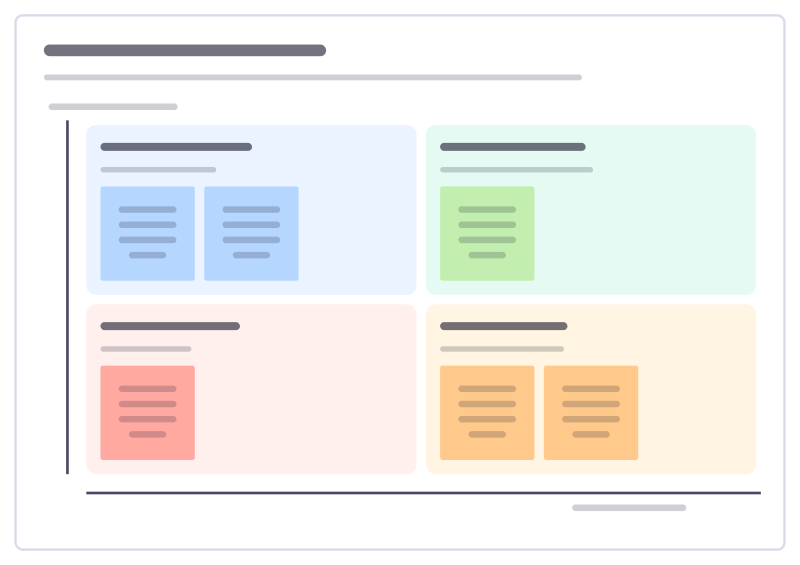
Competitive landscape map
Place competitors on the two dimensions customers care about most, to see where the market is crowded and where there’s room.
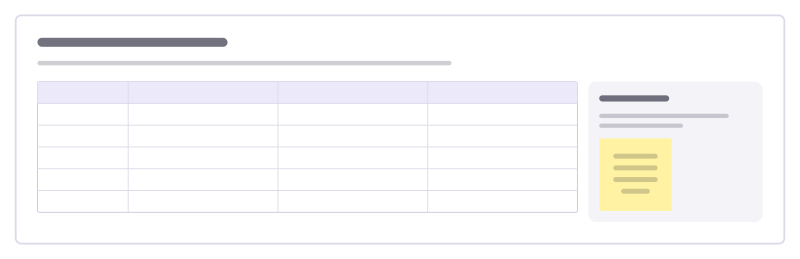
Build, buy or partner
Compare building a capability yourself, buying it, or partnering for it, on cost, speed, control and risk.
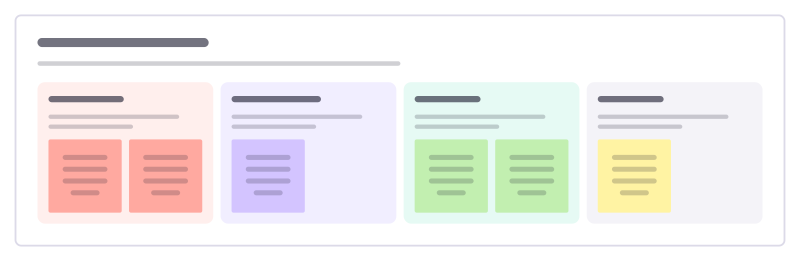
Strategy diagnosis
Build a strategy from the problem up: what’s really going on, the approach we’ll take, the actions that follow, and what we stop.
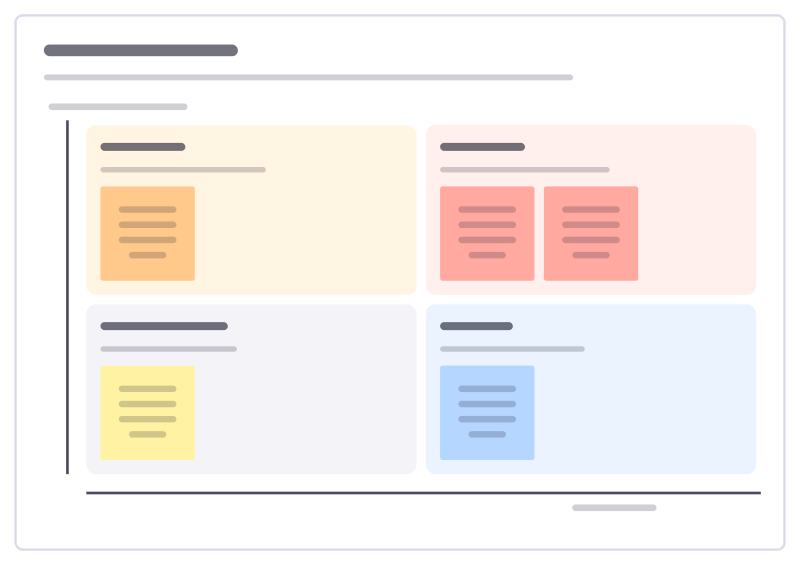
Trends to watch
Sort the trends that could change your market by how soon they arrive and how much they would matter, and decide what to do about each.
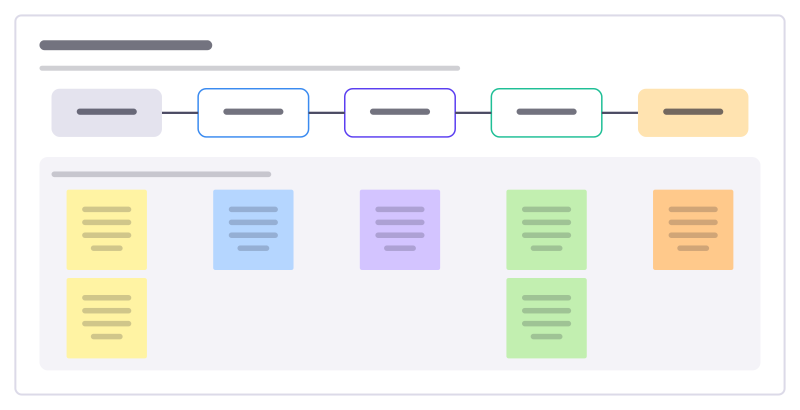
Theory of change
Show how your work leads to the change you want: from resources and activities to outputs, outcomes and long-term impact.
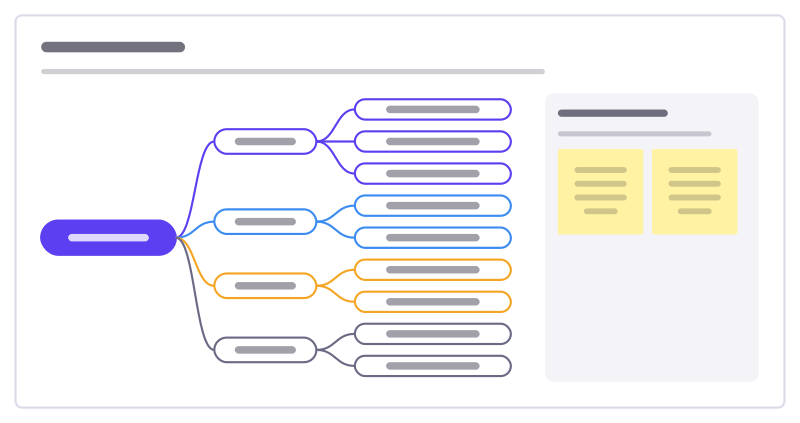
Option tree
Lay out the options for a big decision as a tree, so the team sees every path before arguing for one.
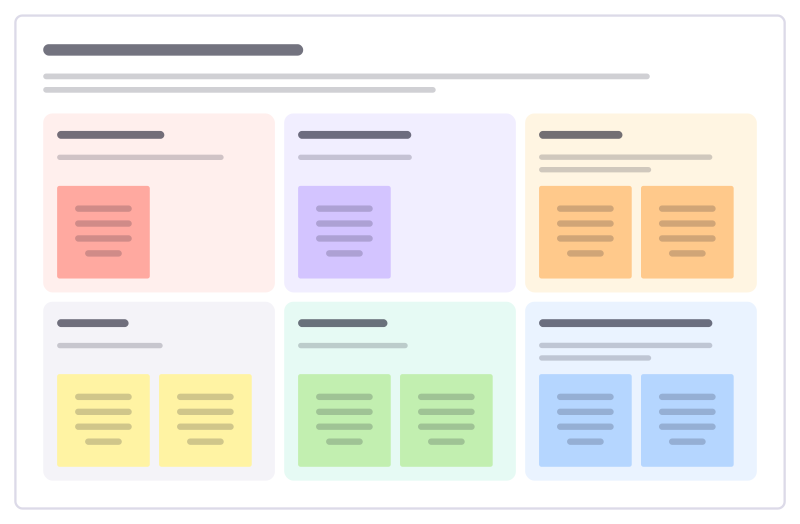
Business case on a page
Make the case for an investment on one page: the problem, the proposal, costs, benefits, risks and what you ask for.

Annual plan on a page
A year on one board: the theme, the few goals, and what each quarter focuses on to get there.
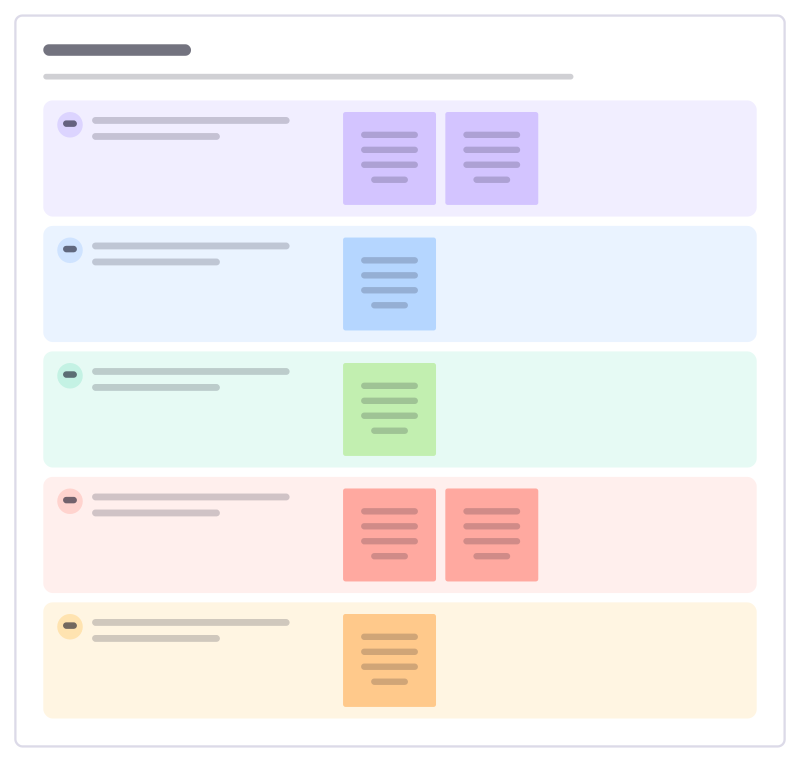
Moat check
Test honestly what would stop a well-funded rival from copying you, and which advantages you should strengthen.
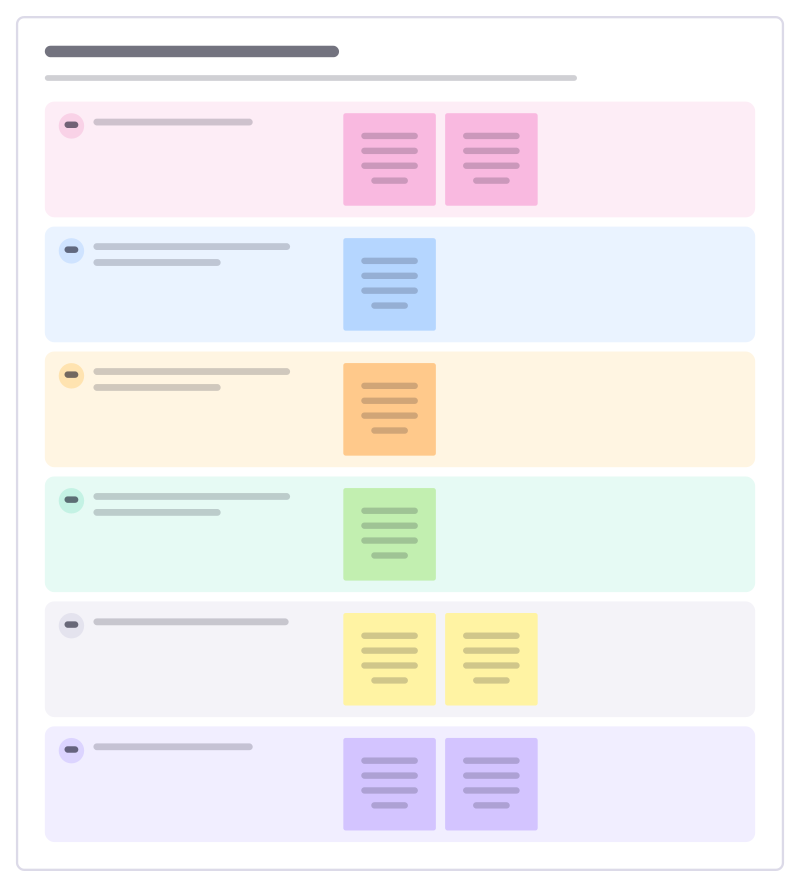
Mission and vision workshop
Draft a mission and vision with a team: who we serve, what we do for them, the future we’re building and the words to keep or ban.
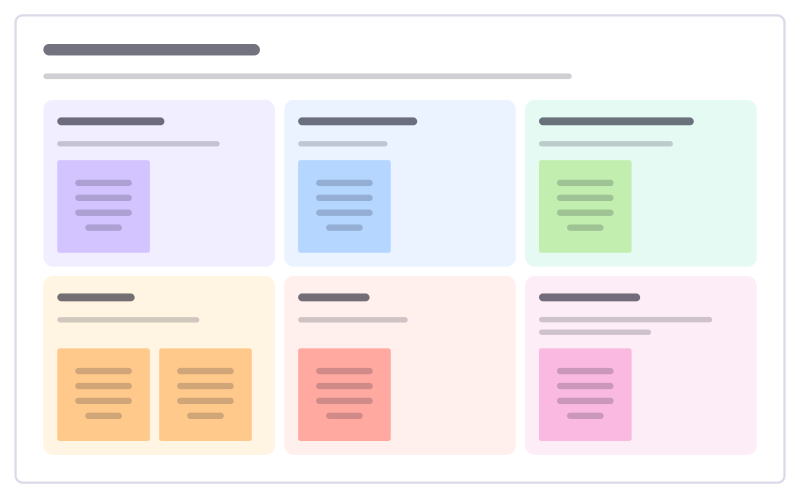
Partner fit review
Decide whether a potential partner is worth it: what each side gets, how customers benefit, the effort involved and the risks.
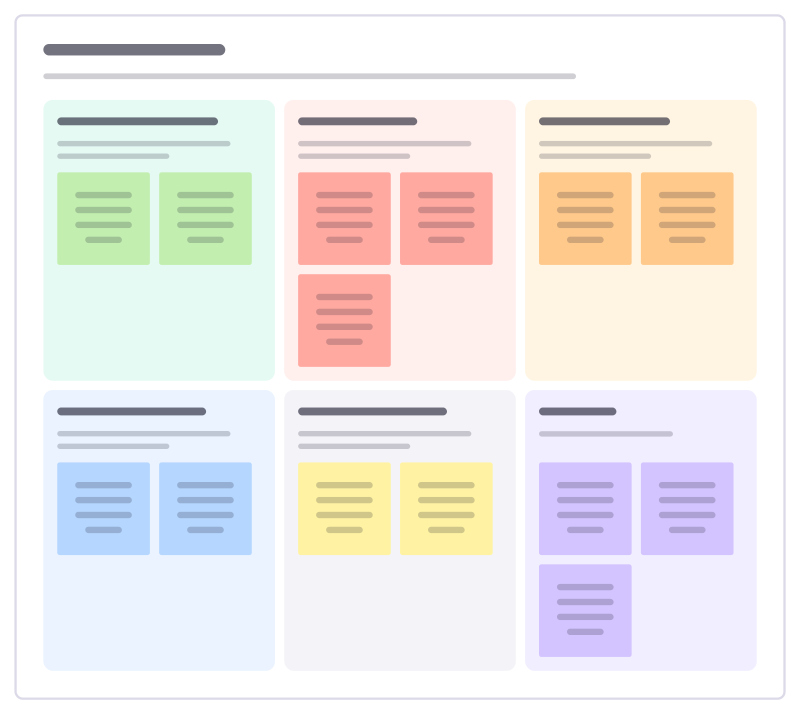
Unit economics
Work out what one customer brings in, what it costs to win and serve them, and how long until they pay back.
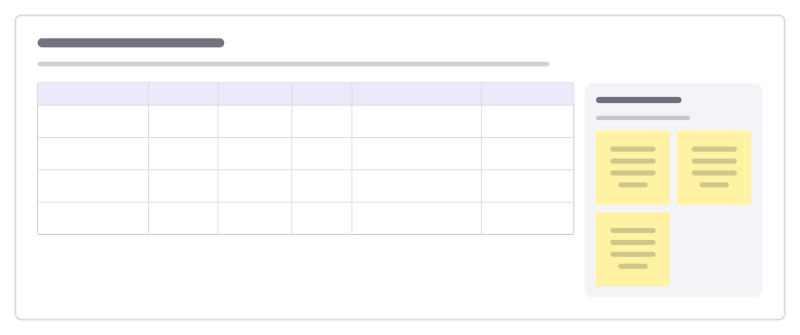
Investment appraisal
Compare options for a big spend on cost, return, payback and risk, so the decision is made on the same numbers for every option.
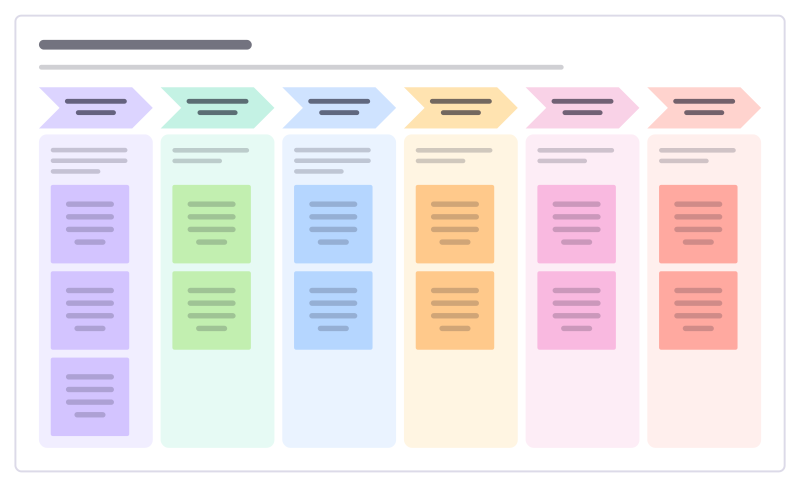
Fundraising round plan
Plan a funding round from preparation to money in the bank: the story, the investor list, meetings, due diligence and closing.
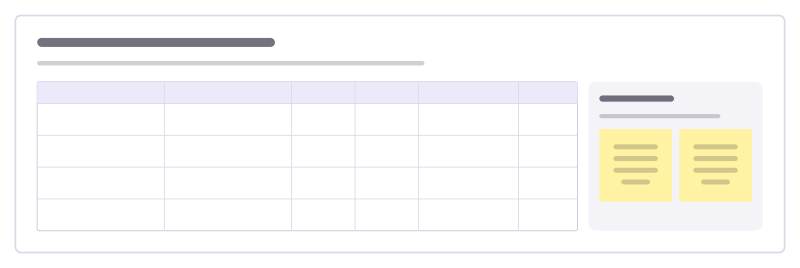
Impact measurement framework
Decide how you will show your work makes a difference: each outcome with an indicator, baseline, target and where the data comes from.
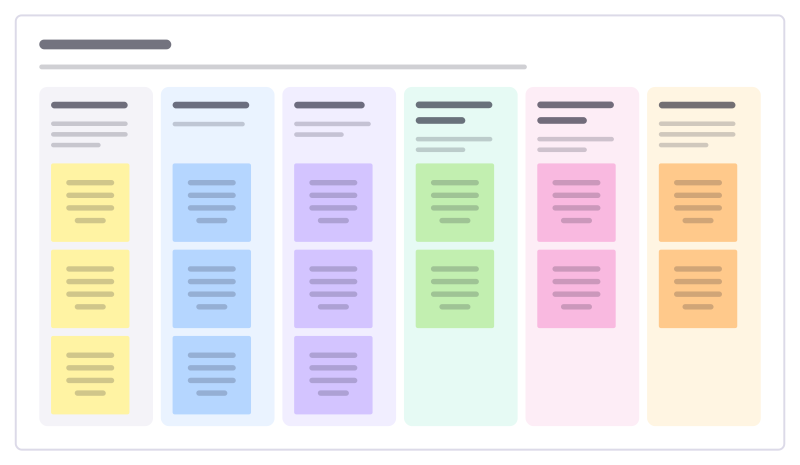
Logic model
Lay out a programme as resources, activities, outputs and outcomes in columns, with the assumptions that hold them together.
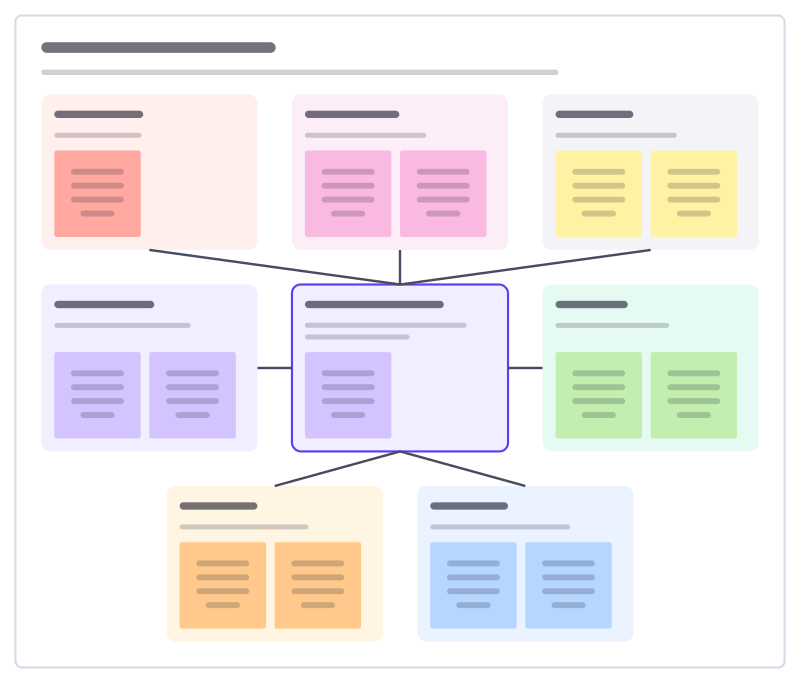
Advocacy campaign plan
Plan a campaign for a policy change: the ask, who decides, allies and opponents, messengers, tactics and the moments to act.
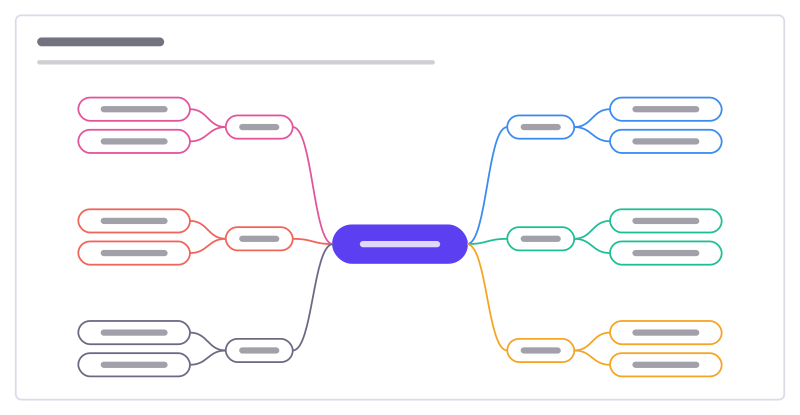
Starbursting
Question an idea from six sides: who, what, where, when, why and how, as a mind map.
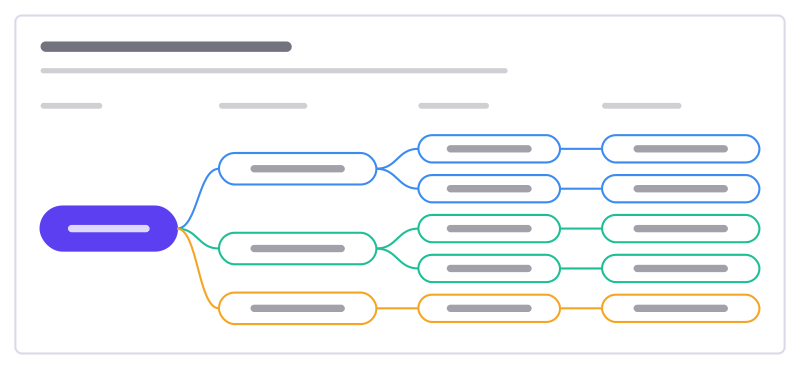
Opportunity solution tree
One outcome, the customer opportunities behind it, solutions for each and the experiments to test them.
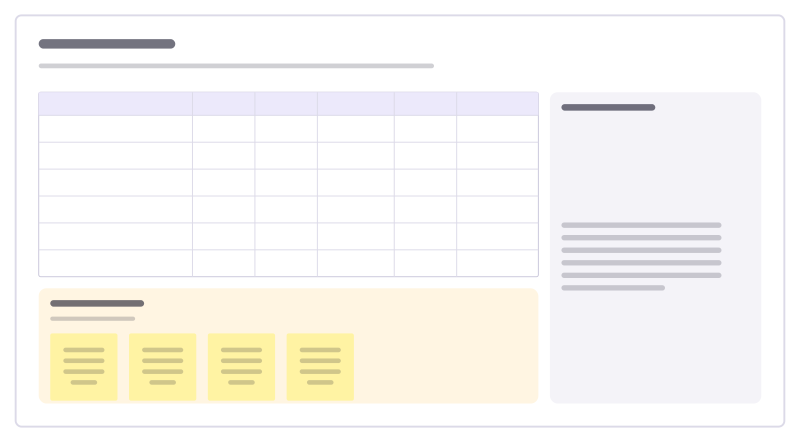
RICE scoring
Score ideas by reach, impact, confidence and effort, so the backlog order has reasons.
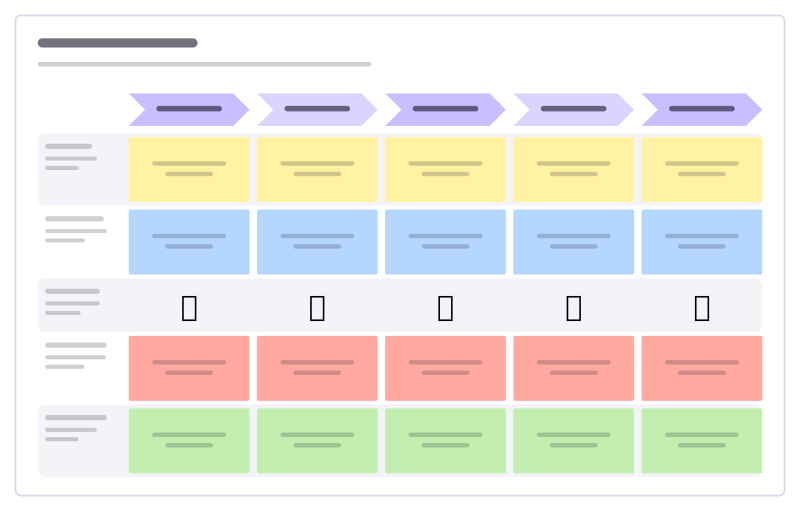
Customer journey
Stages across, lanes for doing, thinking, feeling, pain points and opportunities.
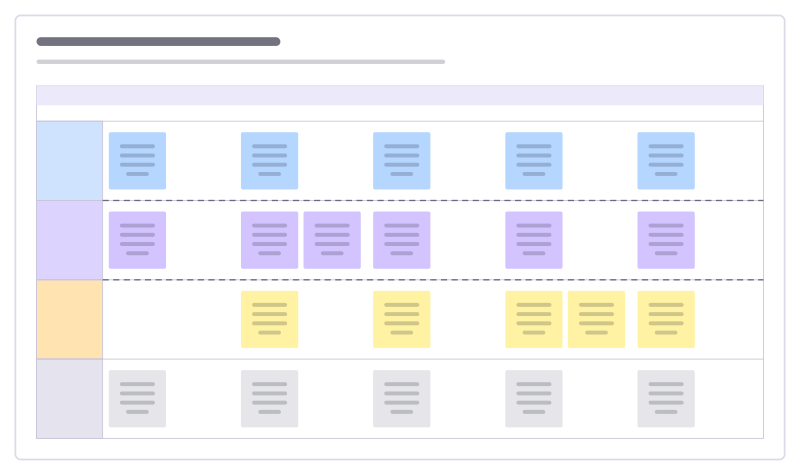
Service blueprint
What the customer does, what they see, what happens behind the scenes and the systems that support it.
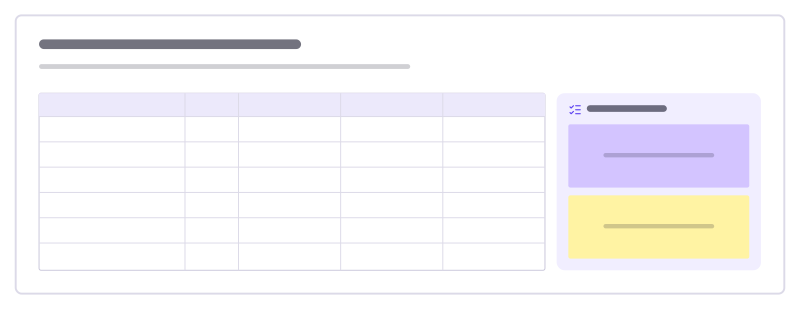
Decision matrix
Compare options on weighted criteria: score each 1–5, multiply by the weight, add it up.
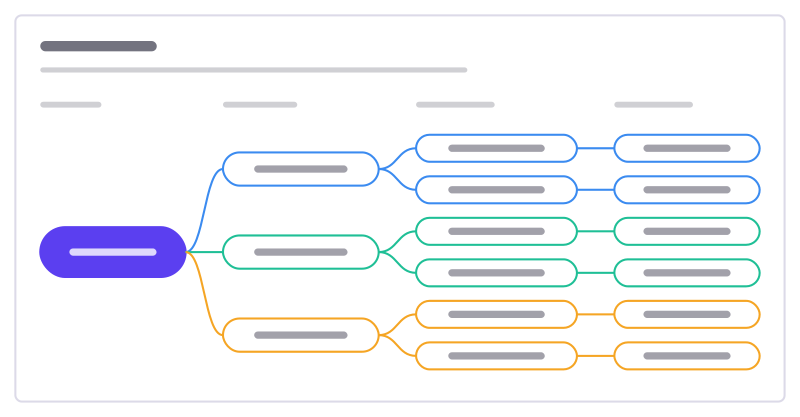
OKR tree
A mission broken into objectives, measurable key results and the initiatives behind them.
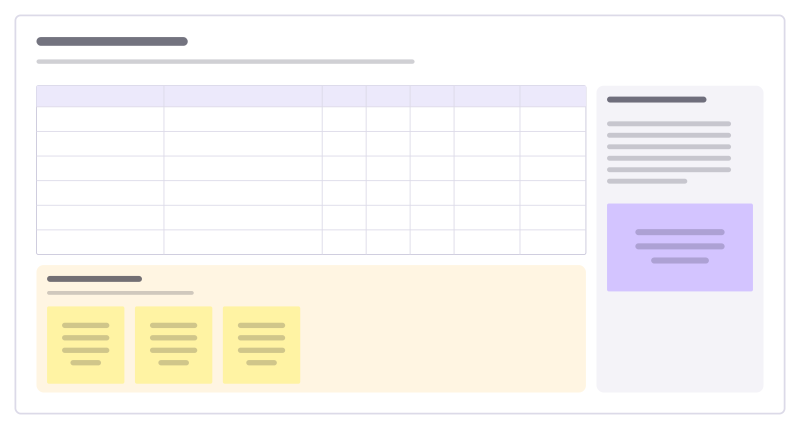
OKR tracker
Key results with start, target and current values, confidence and owners, plus check-in notes.

AI adoption roadmap
Plan how a team or company adopts AI in stages: learn, try safely, embed in workflows, and scale what works.
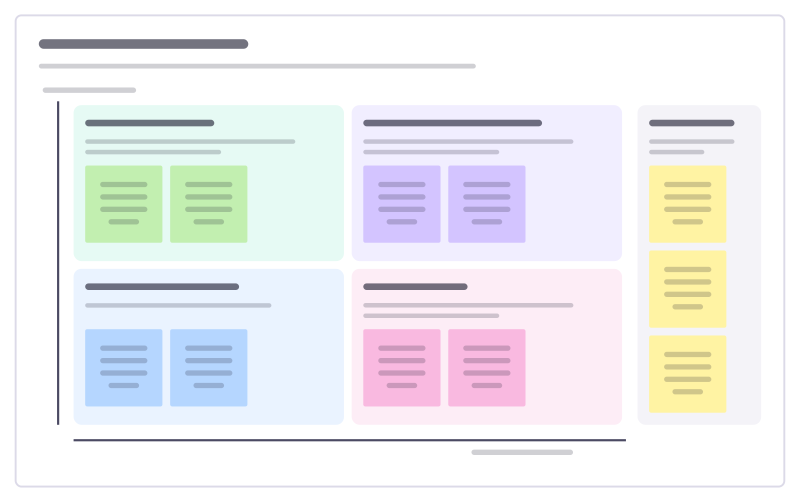
Human + agent workshop
Sort a team’s tasks by how much judgement and how much repetition they involve, to decide what agents do and what people keep.
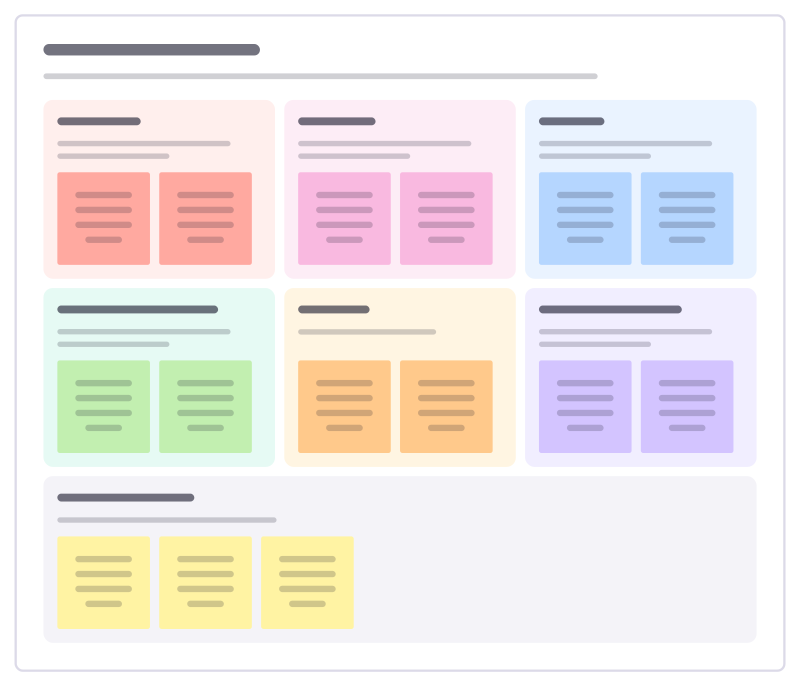
AI use case canvas
Think an AI idea through before building it: the problem, the people, the data, what good looks like, risks and who stays in the loop.
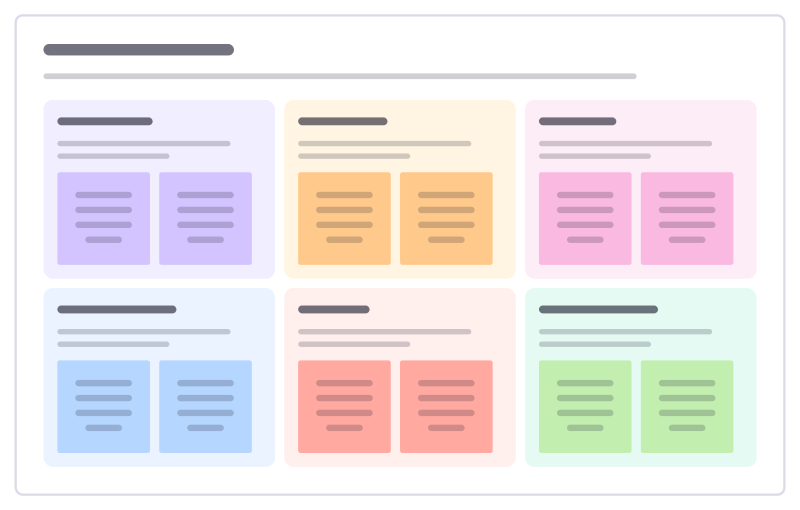
PESTLE analysis
Scan the outside world in six lenses: political, economic, social, technological, legal and environmental forces that could affect you.
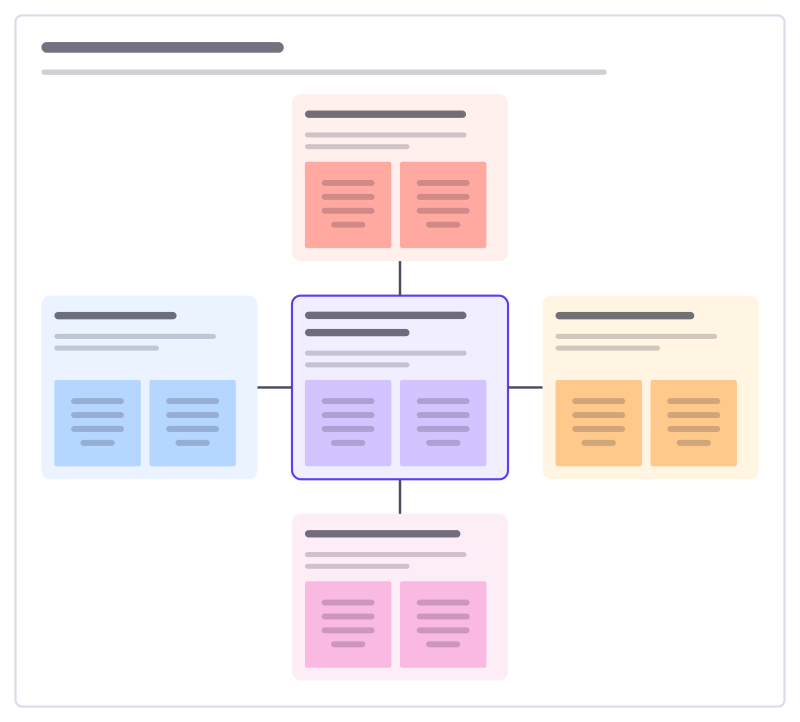
Five competitive forces
How attractive is a market? Look at rivals, new entrants, substitutes and the bargaining power of buyers and suppliers.
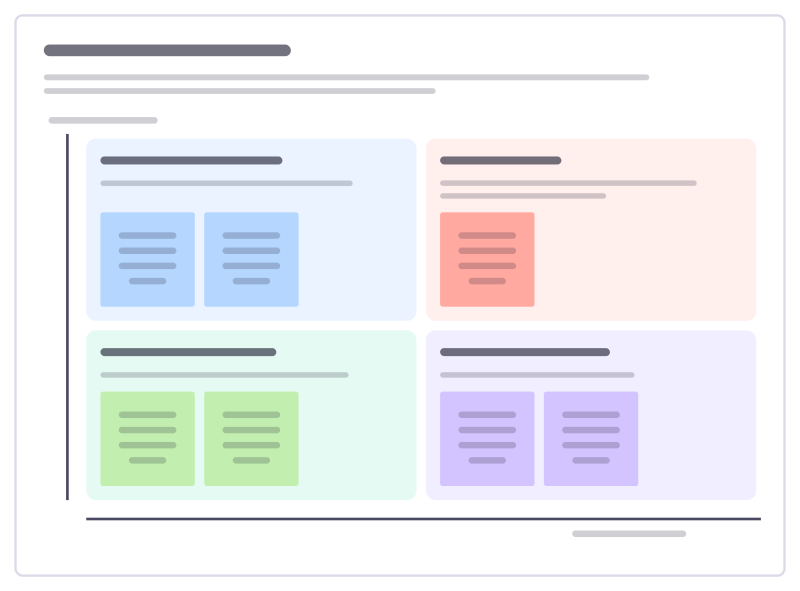
Growth options matrix
Four ways to grow: sell more of what you have, build new things for current customers, take what you have to new markets, or do both.
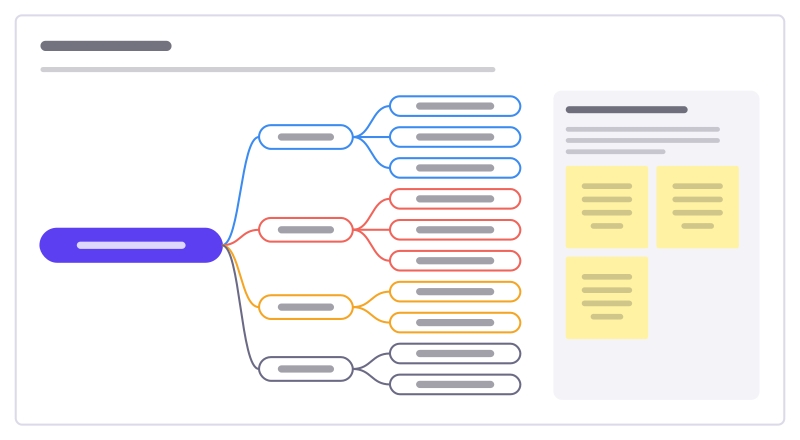
Issue tree
Break a big question into smaller ones that don’t overlap and together cover it, so a team can split the work and test each part.
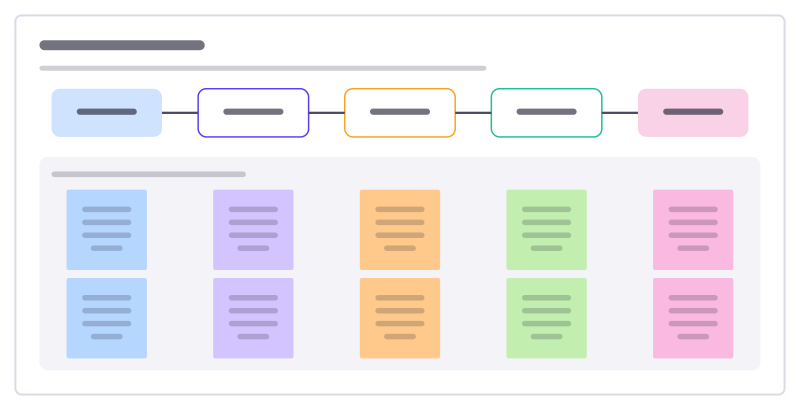
Value chain map
Follow how your organisation turns inputs into something customers pay for, step by step, and mark where you add or lose value.
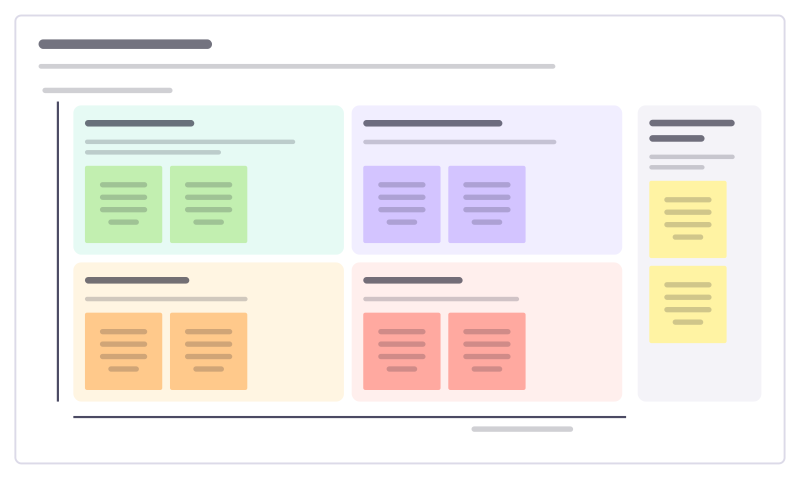
Scenario planning
Pick the two biggest uncertainties about the future, cross them, and describe the four worlds that result, so plans hold up in each.
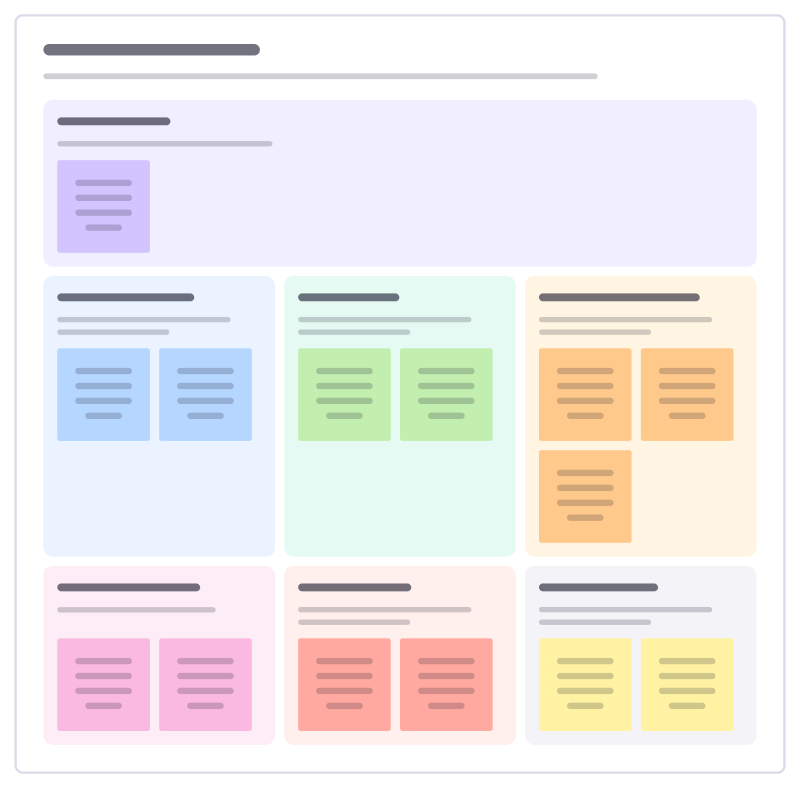
Strategy on a page
The whole strategy on one board: why you exist, where you compete, why you win, the few priorities, how you measure them and what you stop.
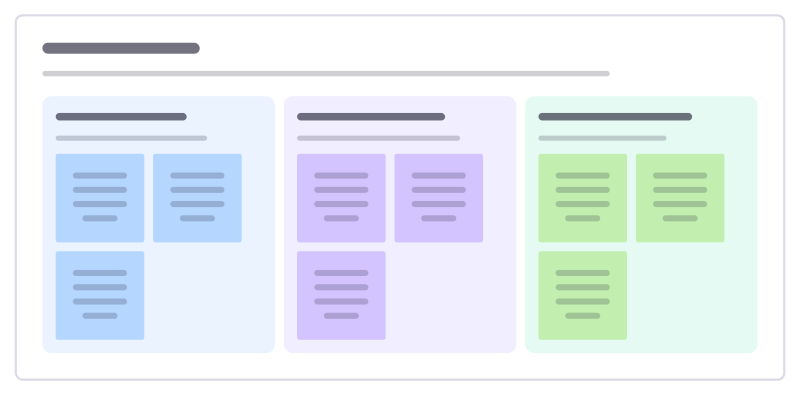
Gap analysis
Describe where you are today, where you want to be, and the concrete steps that close the gap between the two.
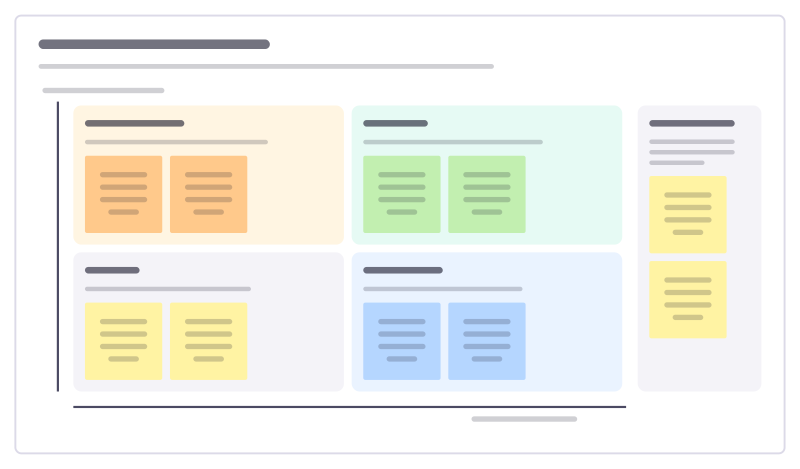
Expansion opportunity map
Map where a happy customer could get more value from you: new teams, new sites, more of what they use or something new.
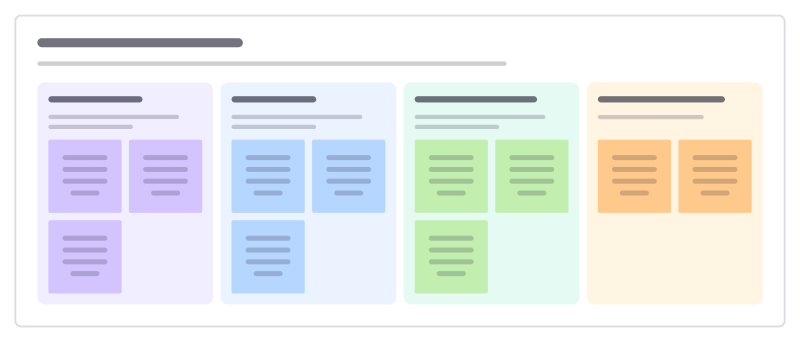
Customer coverage model
Decide how much attention each group of customers gets, from a named manager to self-service, and what each group can expect.
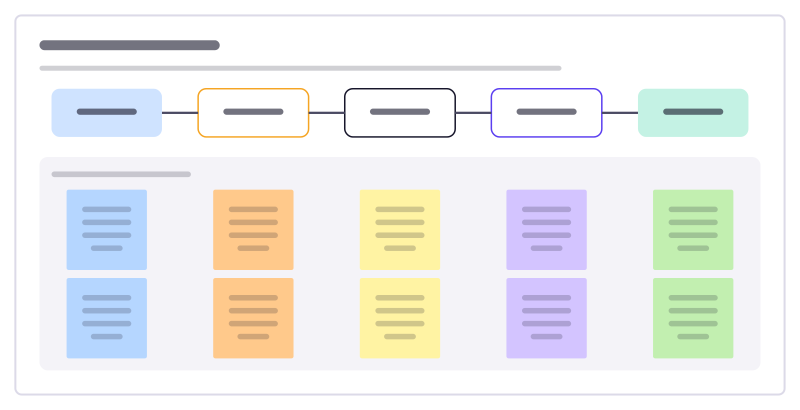
Insight to action
Take a finding from data and walk it through to a decision: what you saw, why it matters, what it might mean and what you will do.
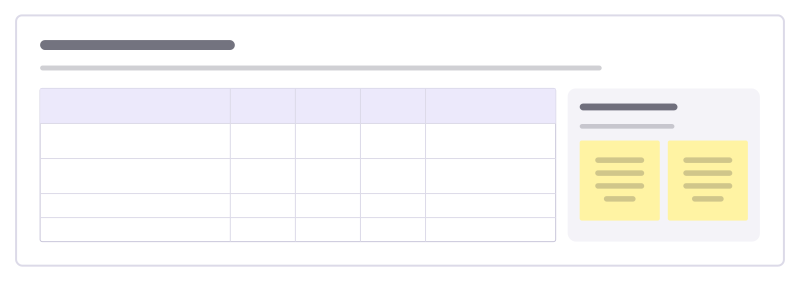
Opportunity scoring
Find under-served needs: score how important each outcome is to customers and how satisfied they are today, then chase the biggest gaps.
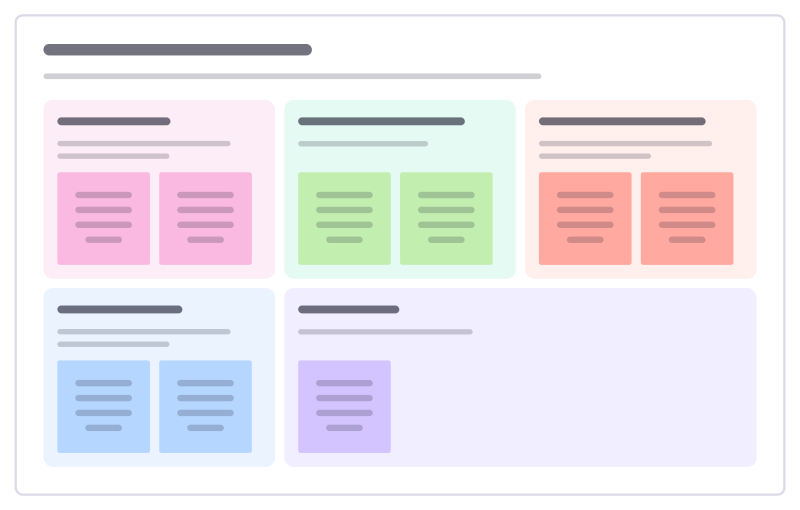
Product vision on a page
Say where the product is going in one page: the change it makes, for whom, what it will never be, and how we’ll know it worked.
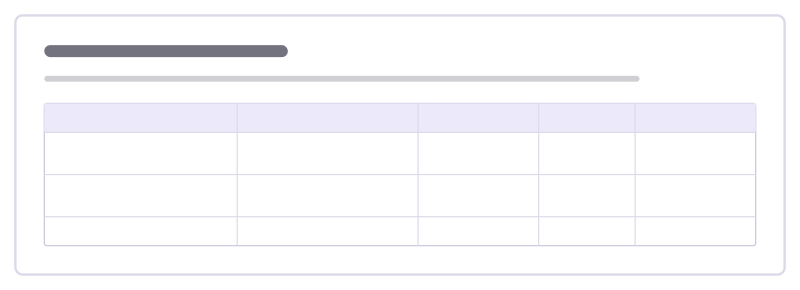
Assumption test plan
For each risky assumption behind a plan: how we will test it, what we will measure, where the pass line is and what we found.
Product teardown
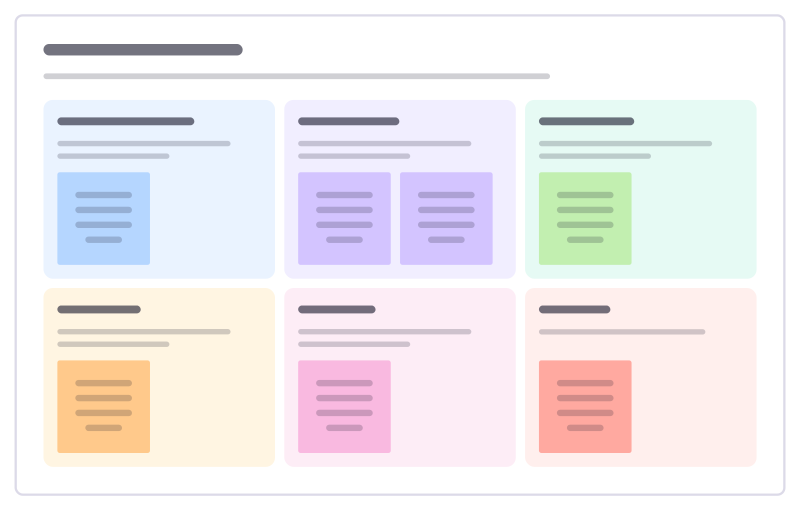
Study another product end to end as a team: first impressions, onboarding, the core loop, pricing, and what to borrow or avoid.
North star and input metrics
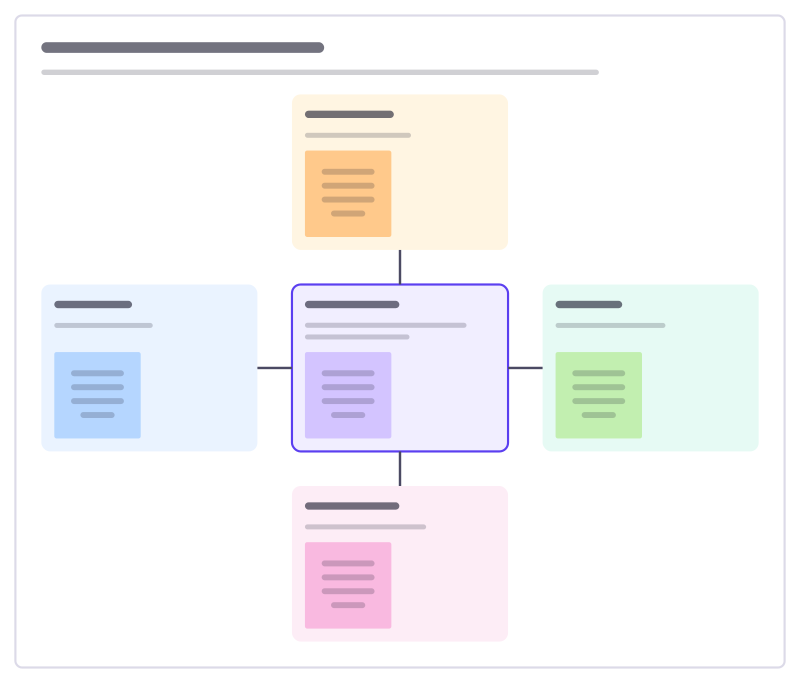
One metric that captures the value customers get, surrounded by the few input metrics teams can actually move.
Product principles
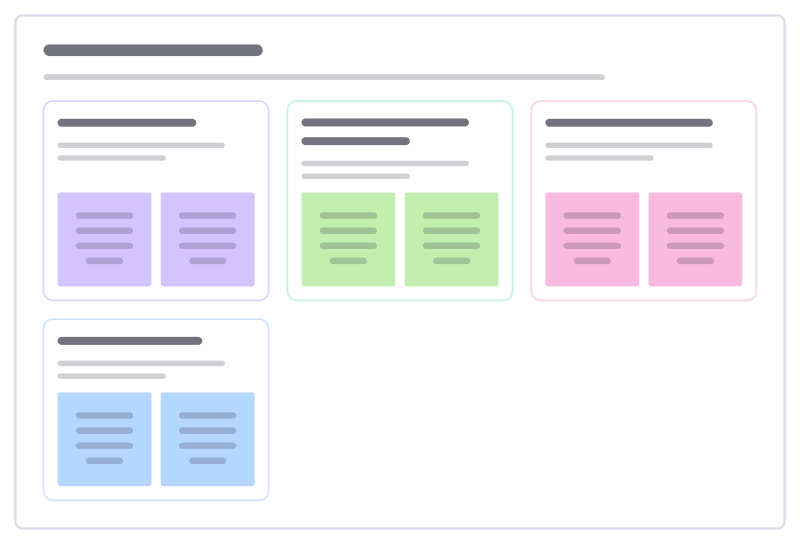
Write the few principles that settle product arguments before they start, each with an example of what it rules in and out.
Pricing and packaging
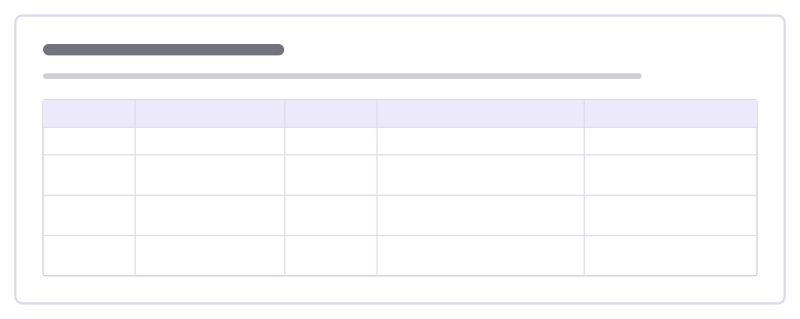
Lay out your plans side by side: who each one is for, the price, what it includes, its limits and the reason to upgrade.
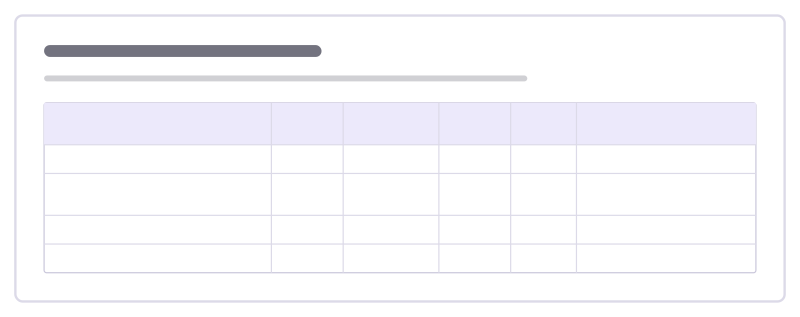
Customer problem ranking
Rank the problems customers bring up by how many have them, how much they hurt and how well we could solve them.
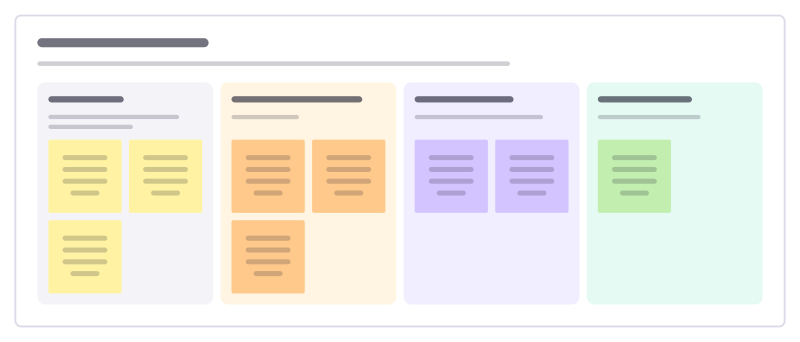
Assumption busting
List what everyone takes for granted about a problem, flip each assumption, and see which flips open up new ideas.
Bring your team and your agents to one board
Free to use, open source, and yours to host. No credit card, no seat count.