Templates
Agile templates
What a team reaches for across a sprint: planning and capacity, a board to track the work, standups and reviews, and enough retrospective formats to keep every retro fresh.
54 free templates · Editable · Works with Claude and ChatGPT
All 54 agile templates
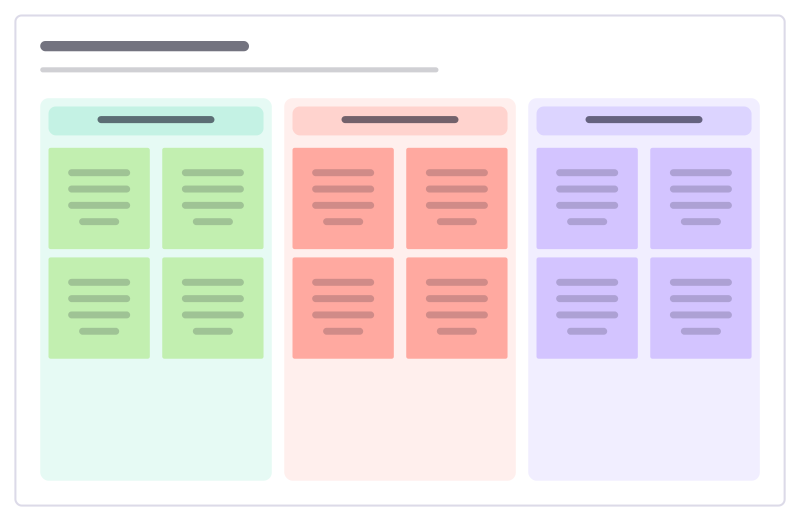
Retrospective
Went well, to improve and action items: a calm, classic sprint retro.
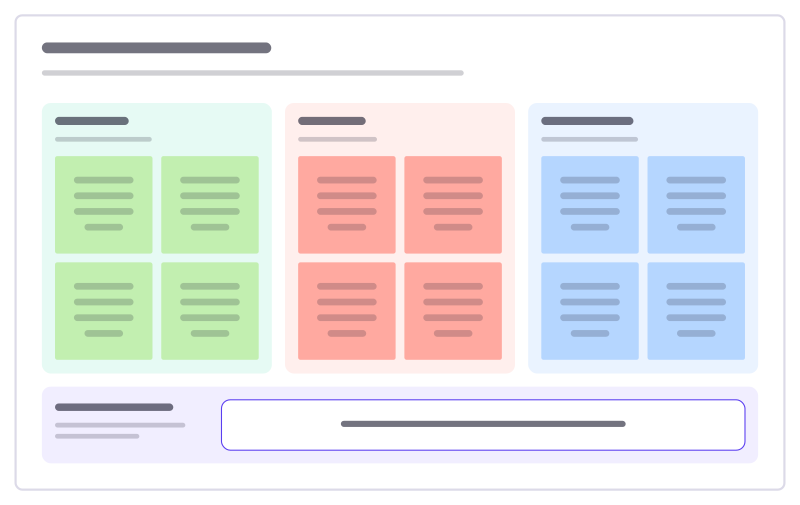
Start, stop, continue
A quick retro: what to begin, what to drop, what to keep, and one experiment.
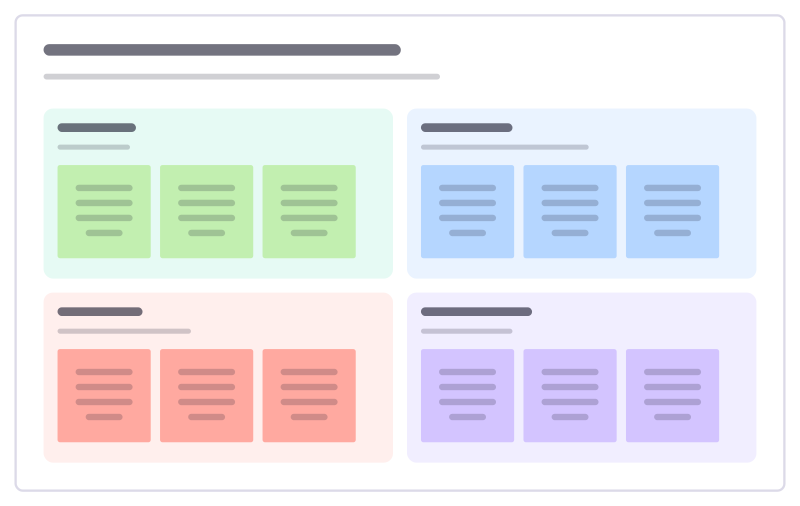
Liked, learned, lacked, longed for
A reflective retro in four quadrants that looks at learning, not only problems.
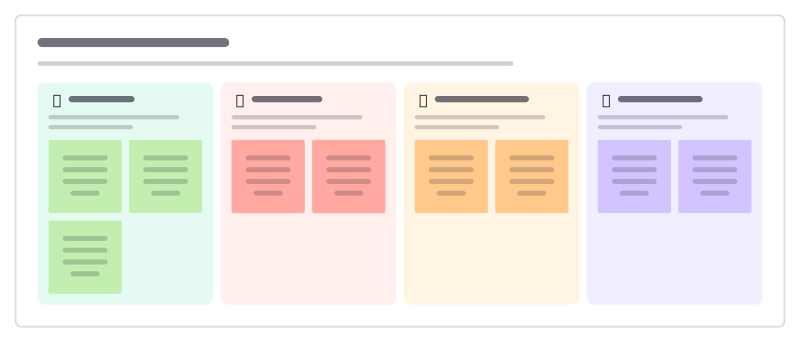
Hot air balloon retro
A picture-led retro: what lifts the team, what weighs it down, the weather ahead and where the balloon should go next.
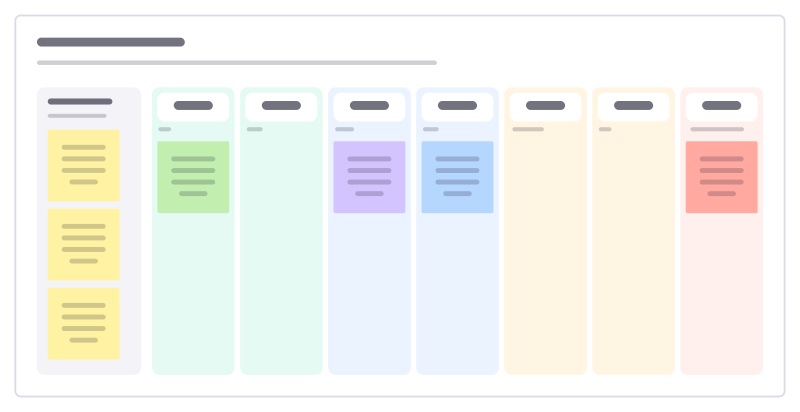
Relative sizing
Sort stories into size columns against one reference story instead of arguing hours.
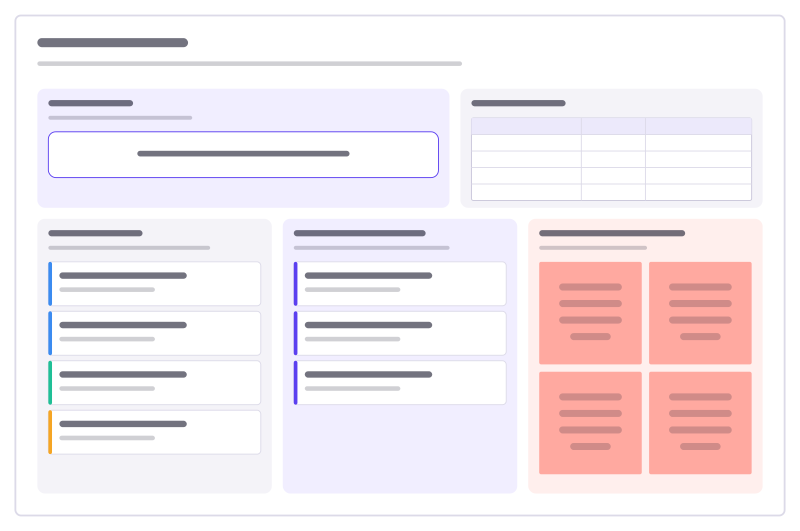
Sprint planning
Sprint goal, team capacity, the ready backlog, what you commit to, and the risks.
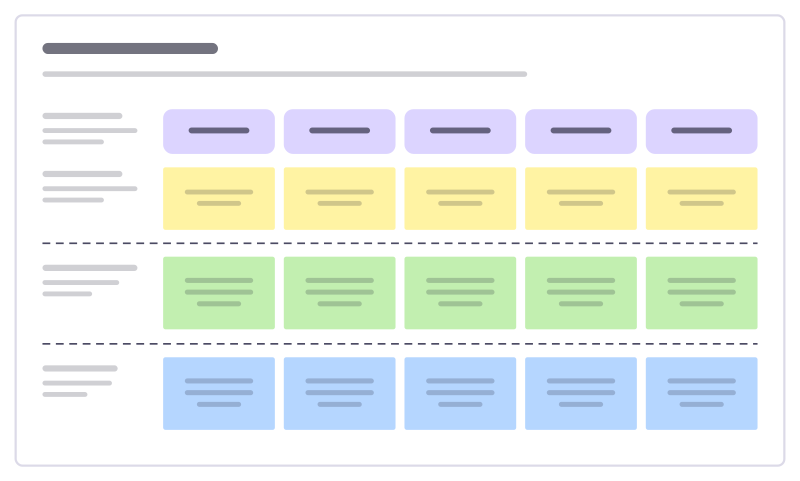
User story map
The user journey as a backbone of activities, with stories sliced into releases.
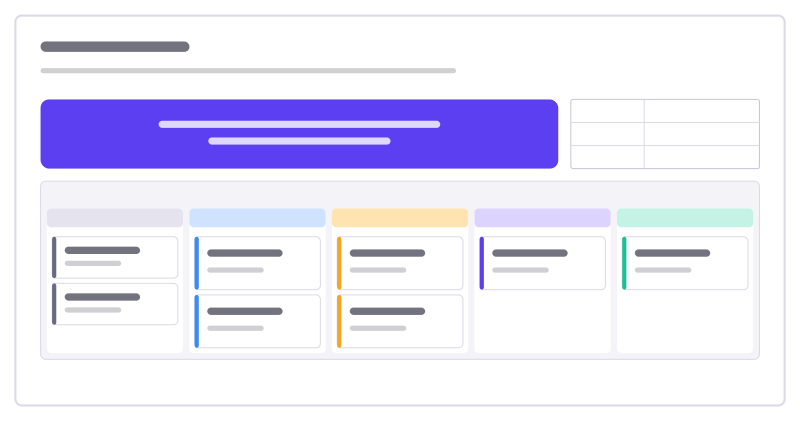
Sprint board
The sprint goal and facts on top, a five-column task kanban with WIP limits below.
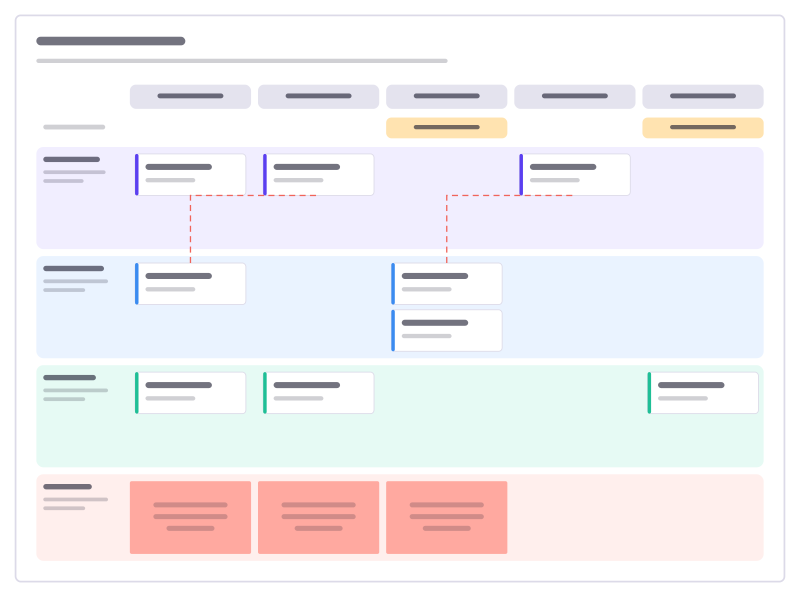
Quarter planning
Teams down, sprints across: features per sprint, milestones, dependencies and risks.
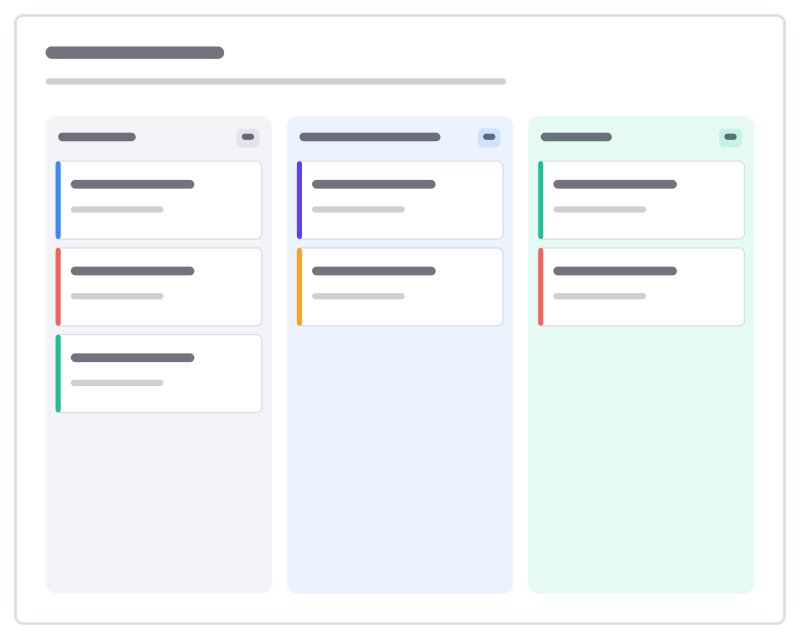
Kanban board
To do, Doing and Done columns with task cards and a work-in-progress limit.
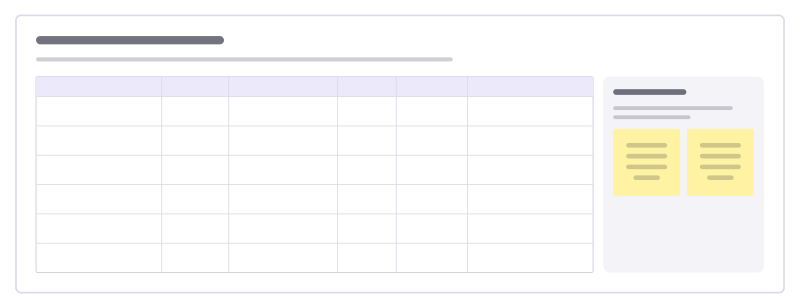
Team dependencies board
Who is waiting on whom across teams, by when, and how healthy each hand-off is, so blockers surface before planning day.
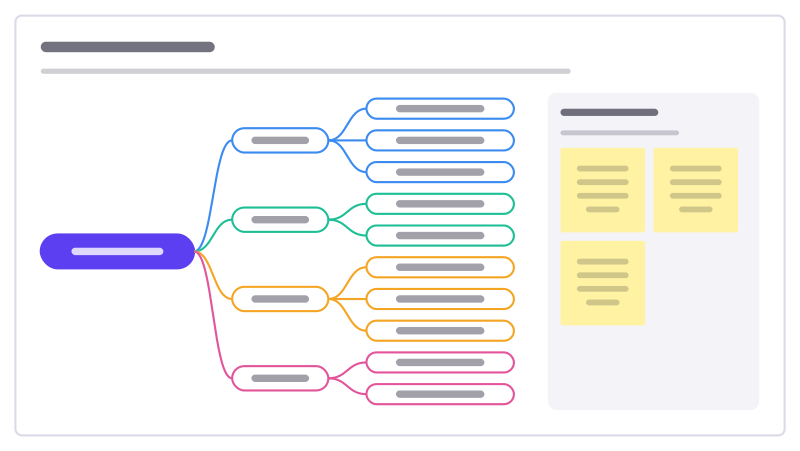
Story splitting
Break a story that’s too big into smaller ones that each still deliver something, using a few reliable ways to split.
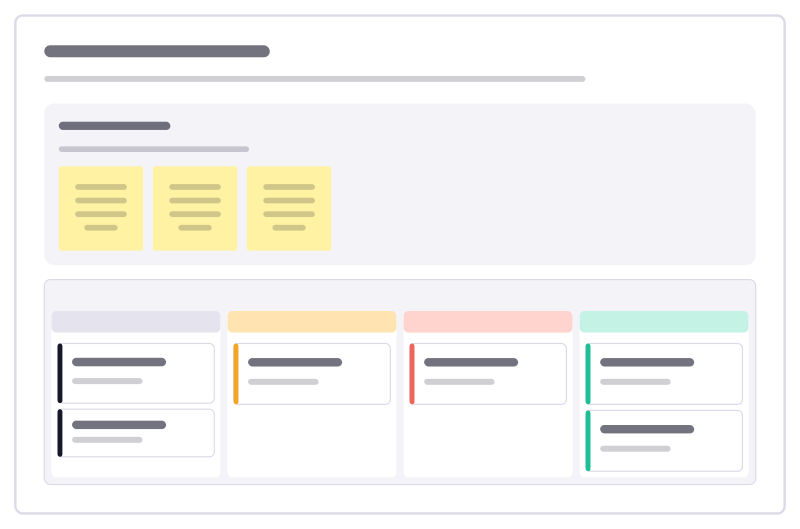
Backlog refinement
Move backlog items from rough idea to ready-to-plan, and catch the ones that are too big or too vague before planning day.
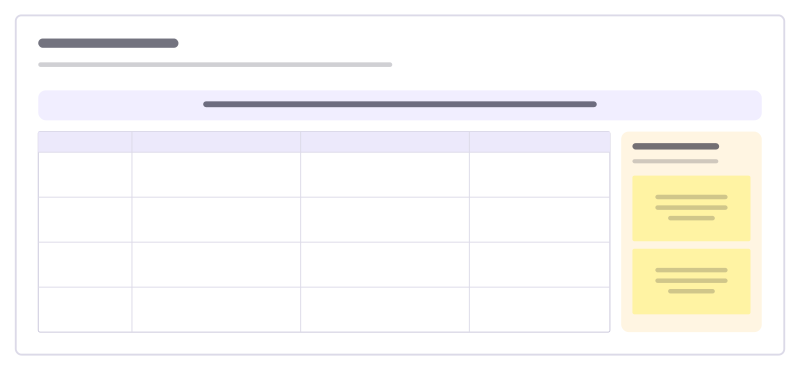
Daily standup
One row per teammate for what moved, what’s next and blockers, plus a parking lot.
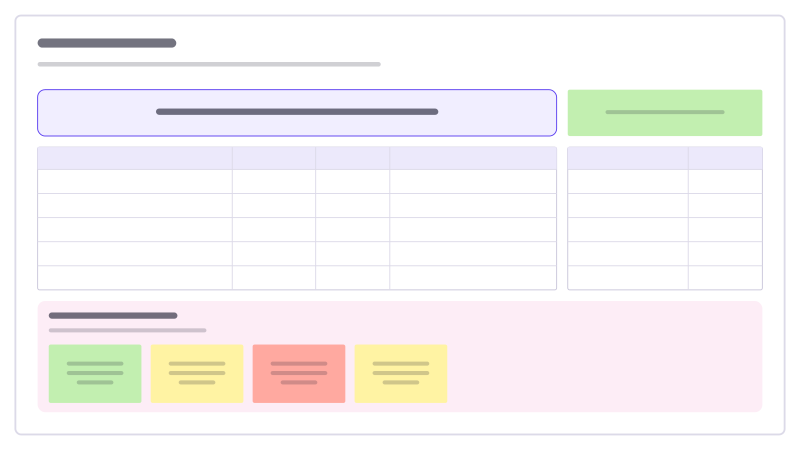
Sprint review
What the sprint delivered against its goal, the demo order, numbers and stakeholder feedback.
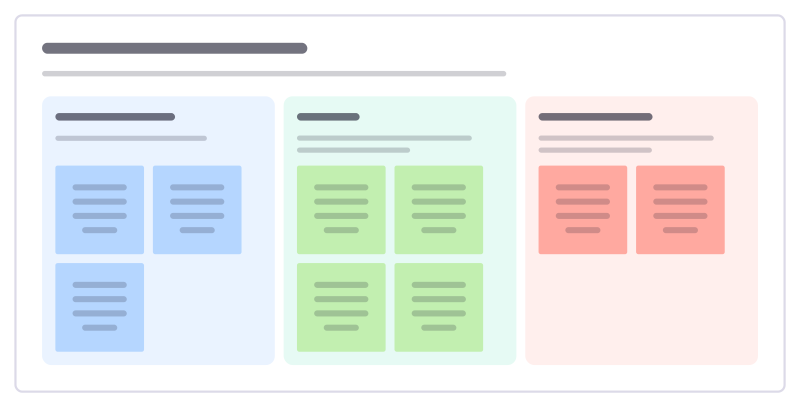
Ready and done checklists
Agree what an item needs before the team starts it, and what has to be true before anyone calls it done.
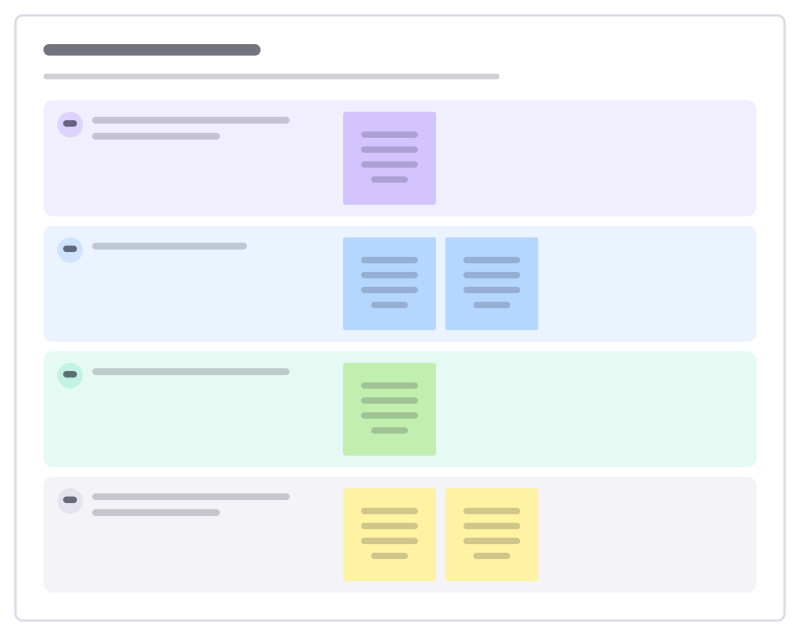
Sprint goal canvas
Write a sprint goal the team can steer by: the outcome, why it matters now, how you’ll know, and what you won’t do.
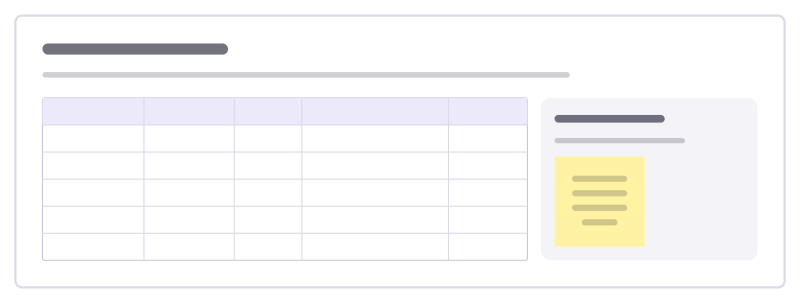
Sprint capacity
Work out how much the team can really take on: days available per person, time lost to other work, and the total to plan against.
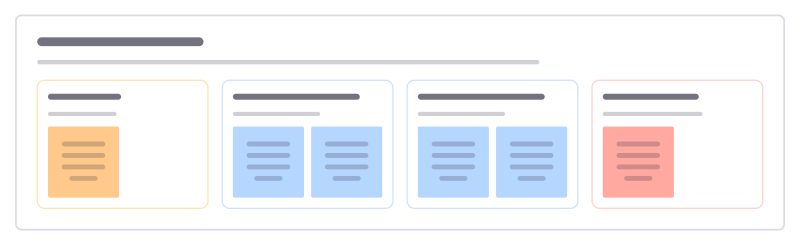
Rules and examples
Before building a story, agree its rules and a concrete example for each, and collect the questions nobody can answer yet.
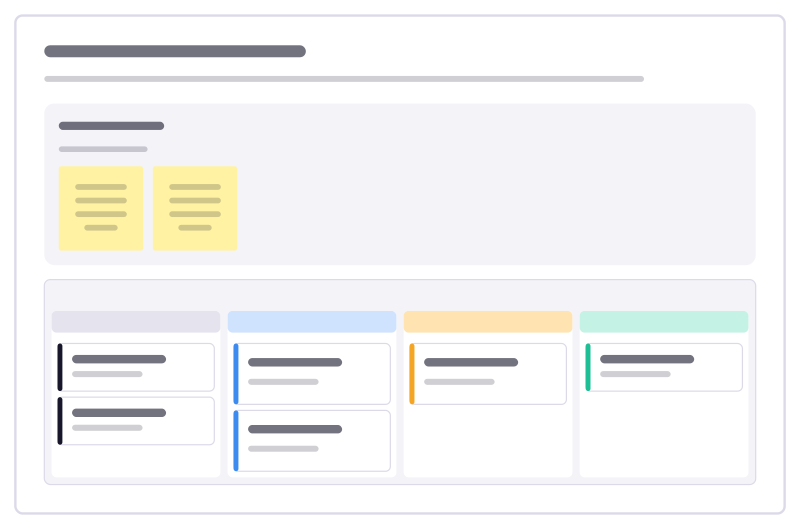
Kanban with WIP limits
A flow board with limits on work in progress, so the team finishes things before starting new ones and sees where work piles up.
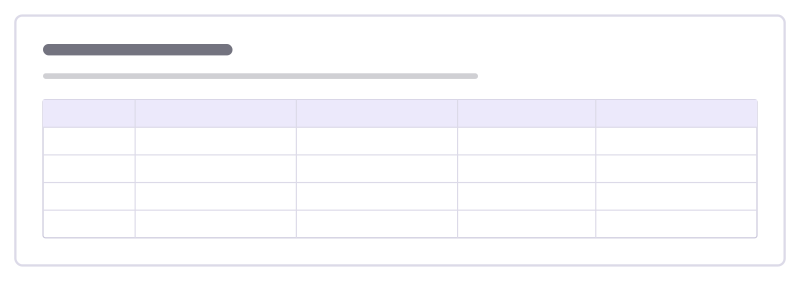
Multi-team sync
A short sync between several teams: what each finished, what’s next, what blocks them and what they need from another team.
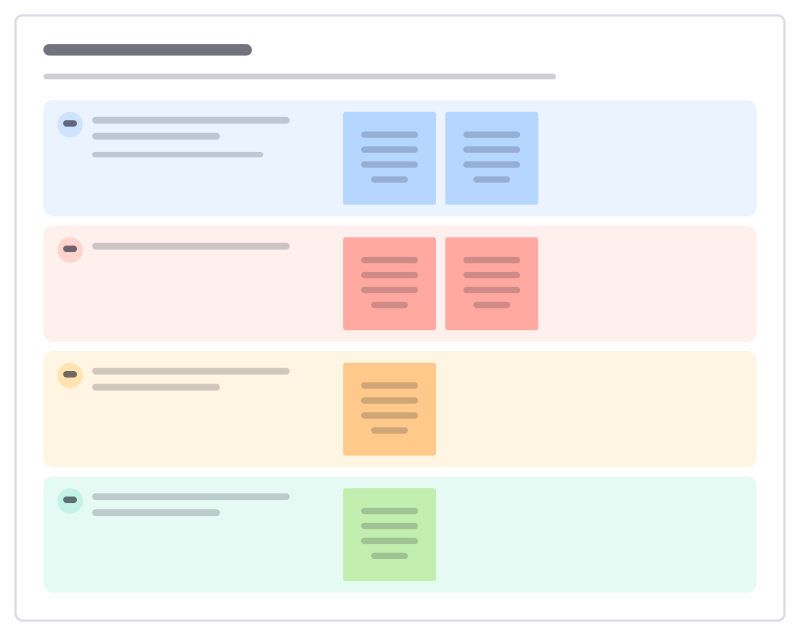
Cycle time review
Look at how long work really took from start to finish, where it waited, and what would make it flow faster.
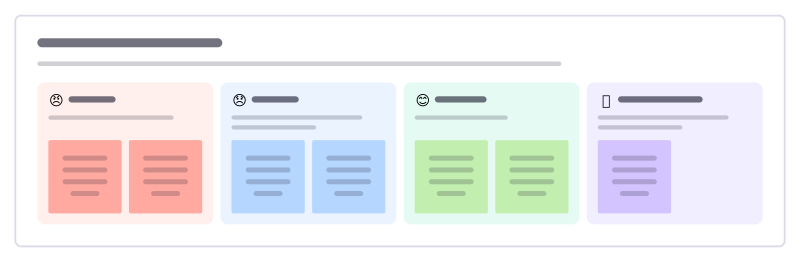
Mad, sad, glad retro
A feelings-first retro: what frustrated people, what disappointed them, what made them glad, and one thing to try.
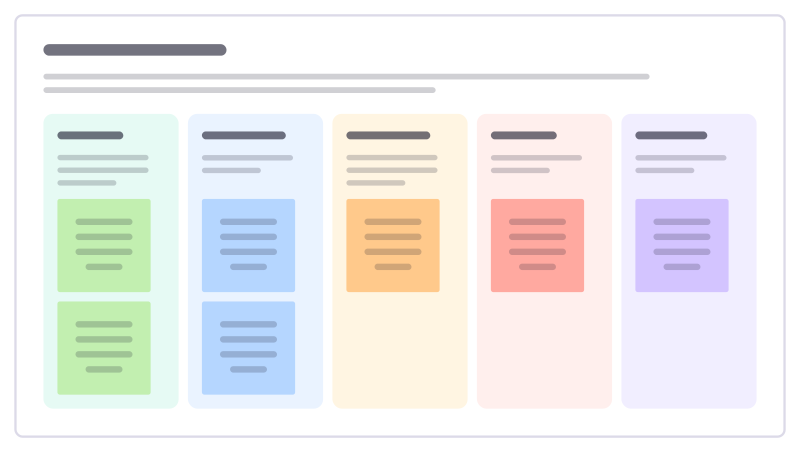
Starfish retro
Five arms for finer feedback than keep or stop: what to keep, do more of, do less of, stop and start.
Mountain climb retro
A picture-led retro for a long stretch of work: the summit we aimed for, what held us, what fell on us and what to pack next time.
Sprint timeline retro
Rebuild the sprint day by day before judging it, so the retro talks about what happened rather than what people remember last.
Energy curve retro
Map how the team’s energy rose and fell across a project, and what drove each high and low.
Project end retrospective
Close a project properly: goals against results, what helped and hurt, the surprises and the lessons the next team should get.
Retro action review
Check what happened to the actions from past retros before making new ones, so retros change things instead of piling up promises.
Straw, sticks, bricks retro
Sort the team’s practices by how sturdy they are: flimsy ones that fall over, shaky ones that need work, solid ones to build on.
Team radar check
Each person scores how the team is doing on a handful of areas, then the team talks about the spread, not just the average.
Remote team retro
For distributed teams: which tools and rituals help you work apart, where people lose each other, and what to try next.
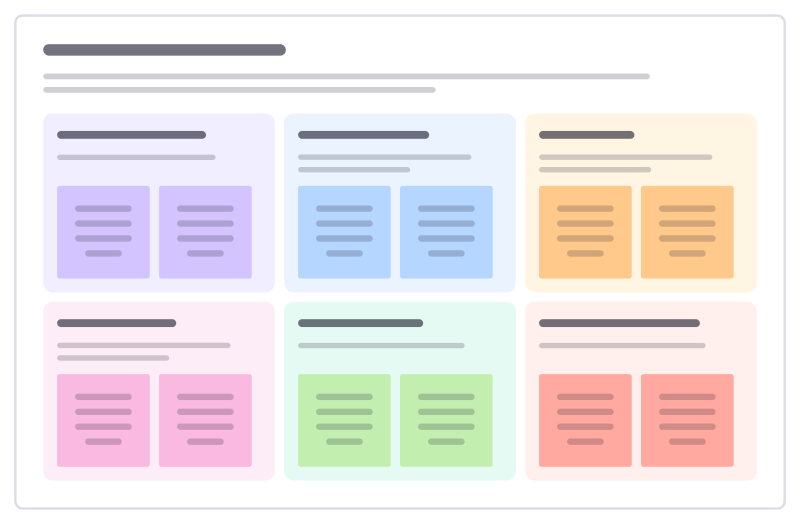
Release retrospective
Look back at one release: what we planned against what shipped, quality signals, how the hand-offs went and what changes next time.
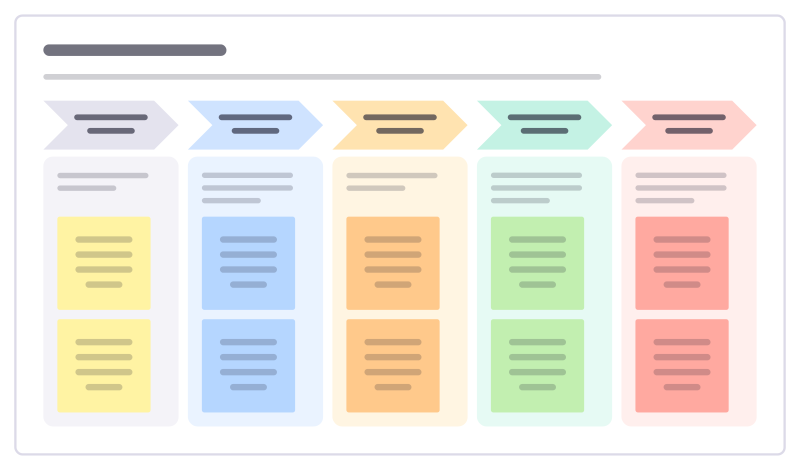
Futurespective
Imagine it is six months from now and things went well. Work backwards to what made it happen and what could stop it.
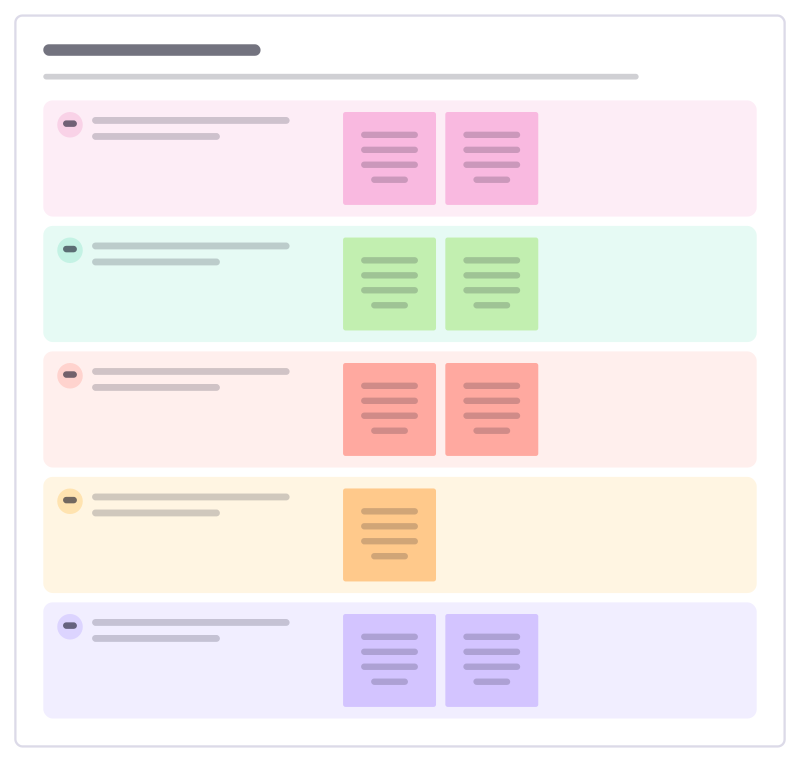
Retro health check
A retro about the retros: are they safe, useful and short enough, and do their actions actually happen?
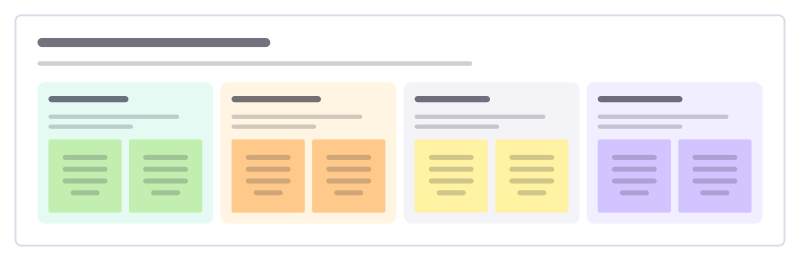
Control and influence retro
Sort the team’s problems by what it controls, what it can influence and what it has to accept, then act where it has power.
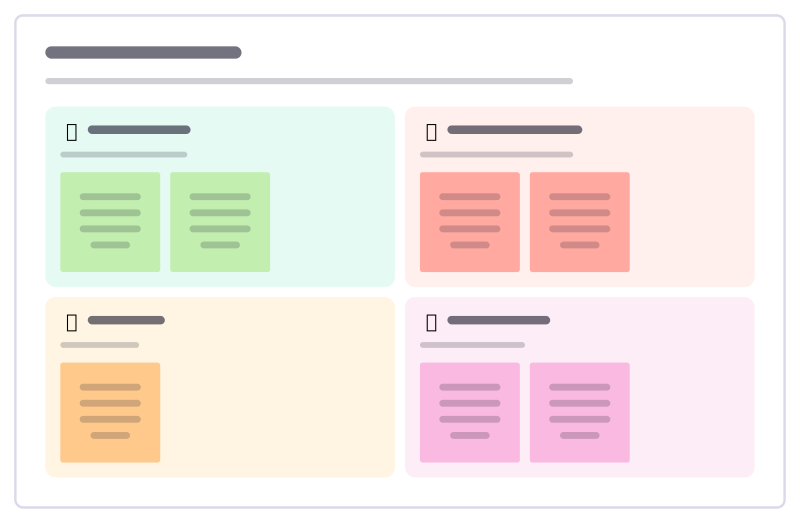
Four-box retro
A quick retro on one board: what went well, what didn’t, new ideas, and thank-yous to the people who helped.
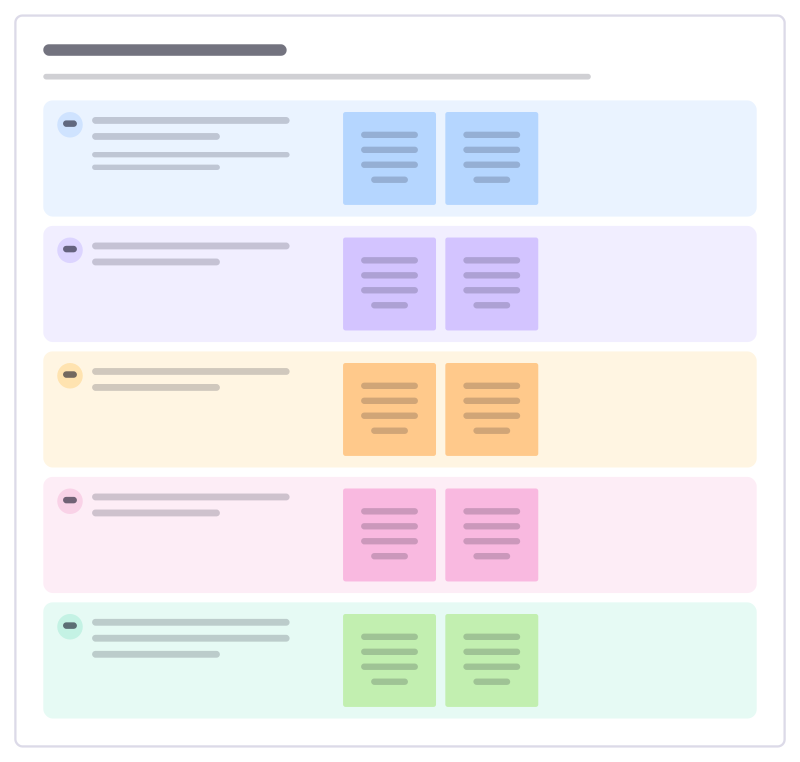
Quarter retrospective
Look back on a whole quarter: the goals, the moments that mattered, how the team changed and what to carry into the next one.
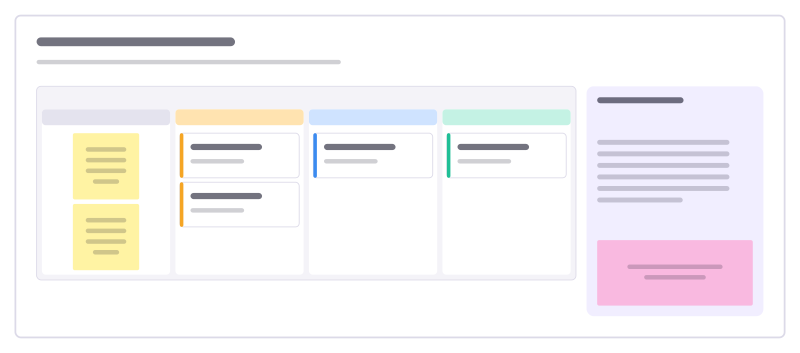
Customer feedback board
A kanban for feature requests and feedback: inbox, under review, planned and shipped.
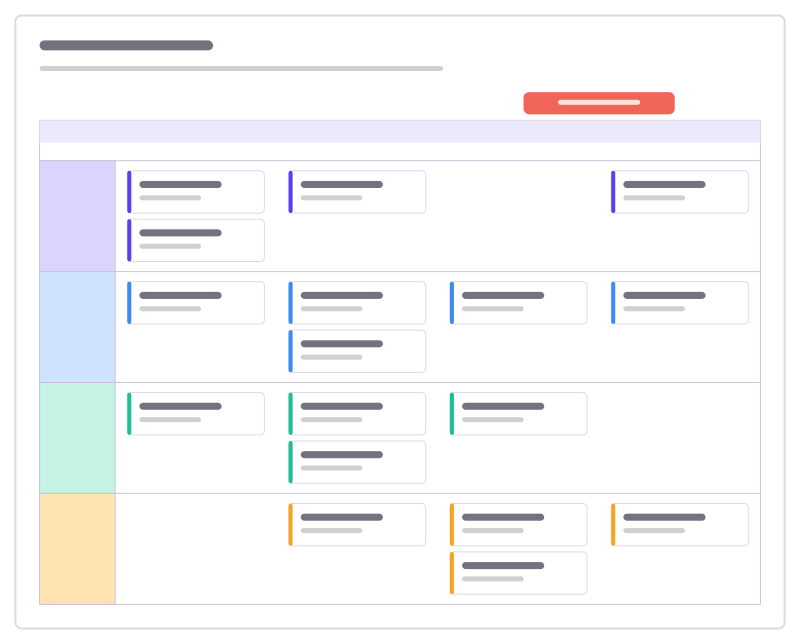
Release plan
Work per stream across four sprints as task cards in swimlanes, with the release marked.
Bug triage board
A kanban for incoming bugs, from new to fixed, with a severity guide everyone agrees on.
Code review checklist
The questions a reviewer runs through on every change, agreed by the team, with examples of what each one catches.
Dependency upgrade board
Track library and framework upgrades from spotted to shipped, so security fixes and major versions don’t pile up.
Spike plan
Time-box a technical investigation: the question to answer, what’s in and out, the timebox and what you’ll hand back.
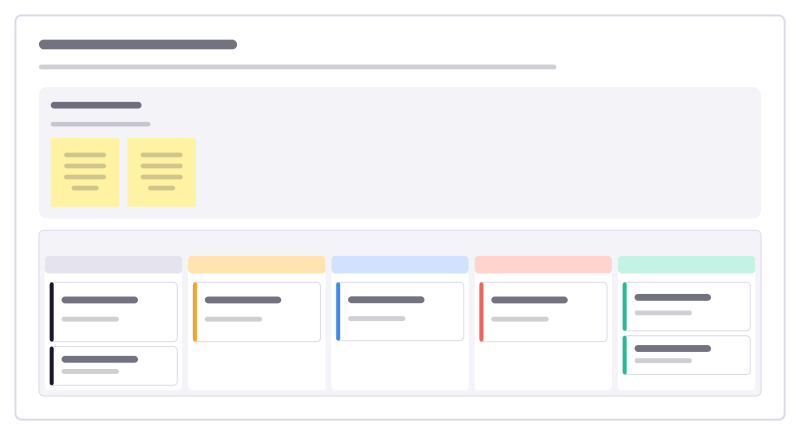
Support triage board
Keep the team’s tricky tickets visible: what is new, waiting on the customer, with engineering, and solved this week.
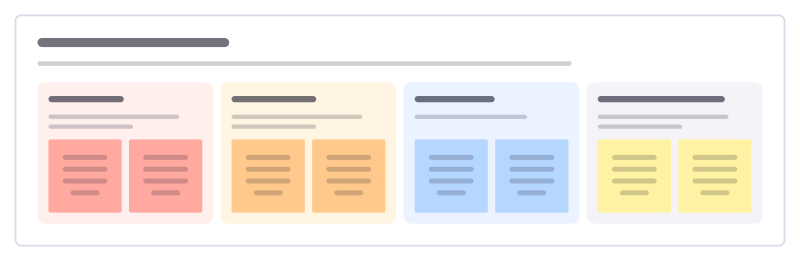
MoSCoW prioritisation
Agree the scope of a release or project as must have, should have, could have and won’t have this time.
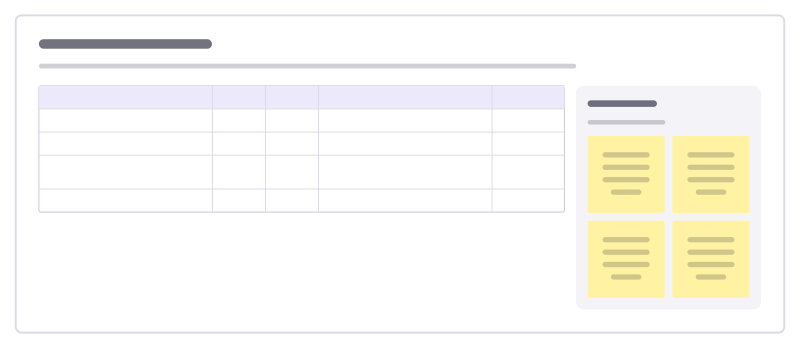
Fist-to-five vote
Check real support for a set of proposals with a show of fingers, and hear from the fists and twos before deciding.
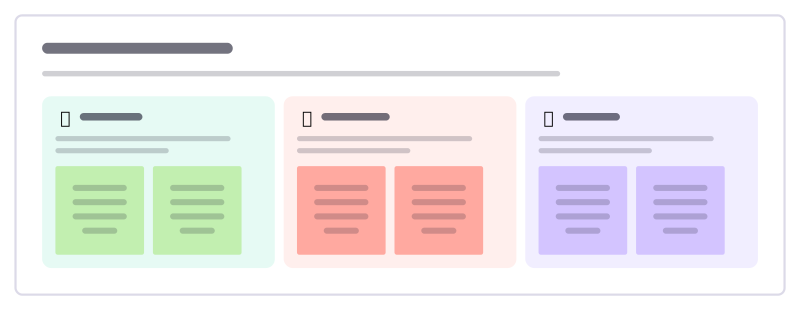
Rose, thorn, bud
A quick round where everyone shares a highlight, a struggle and something just starting to grow.
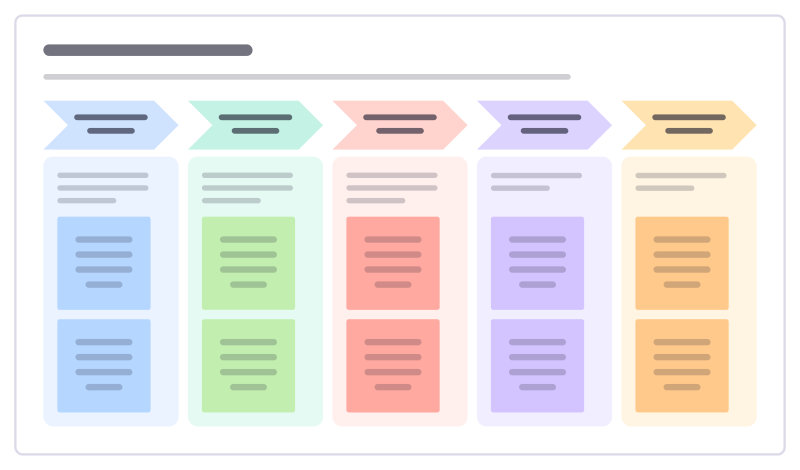
Team journey line
Walk back through a project phase by phase, marking the highs and lows people felt, to celebrate and learn before the next one.
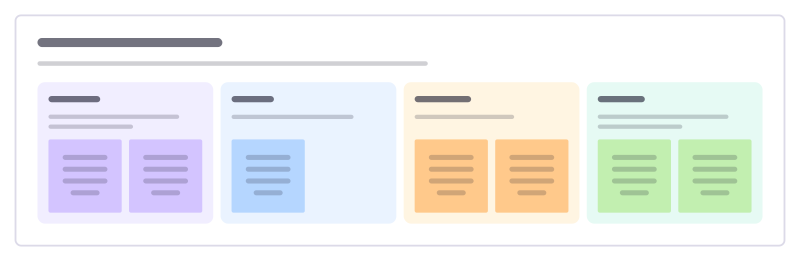
Plan, do, check, act
Run one improvement as a cycle: plan the change, try it small, check the result against the prediction, then adopt, adapt or drop it.
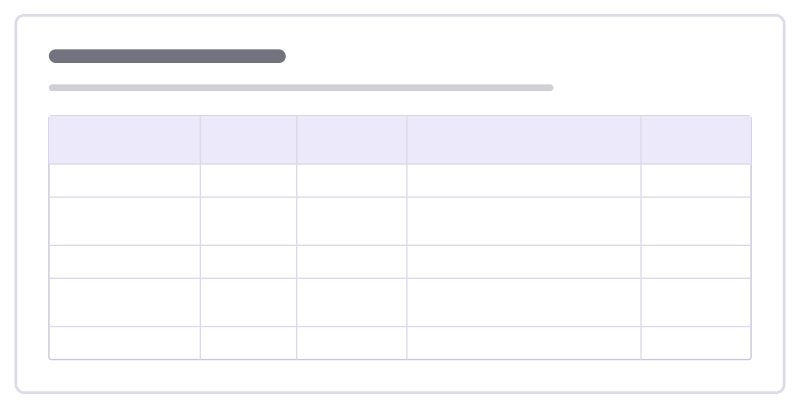
Team rituals map
List every recurring meeting and ritual the team has, why it exists, and whether to keep, change or drop it.
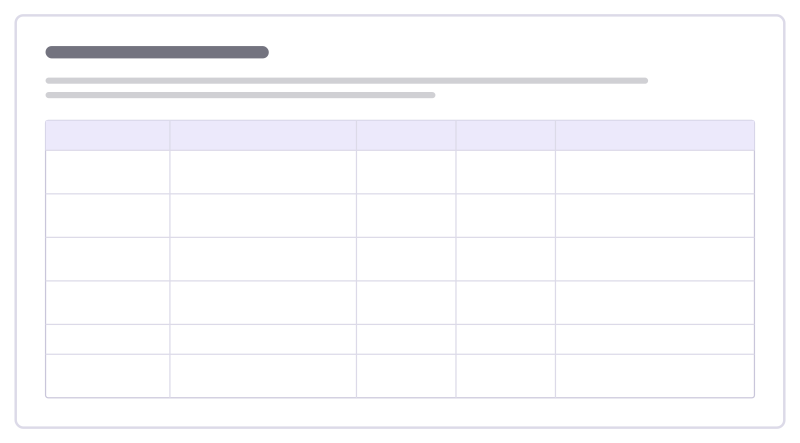
Team health check
A quick traffic-light read on how the team is doing across a few areas, compared with last time so trends stand out.
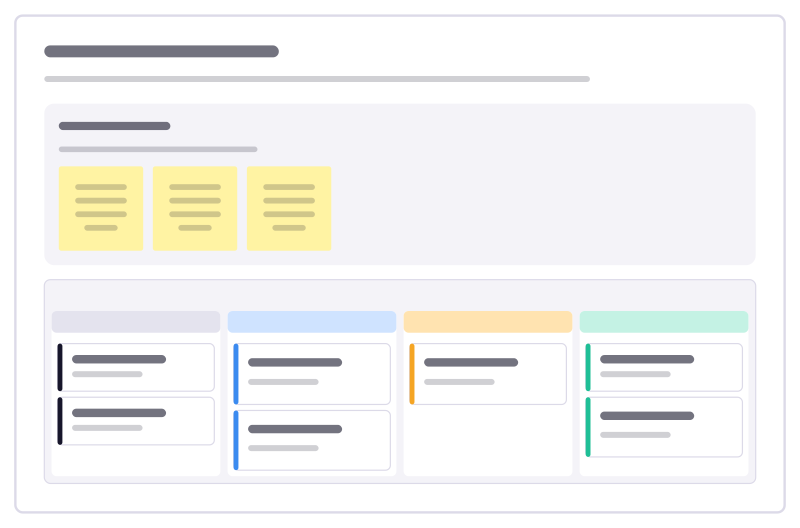
Personal task board
A small kanban for your own work: a later pile, a short next list, a strict limit on what you do at once, and a done column to enjoy.
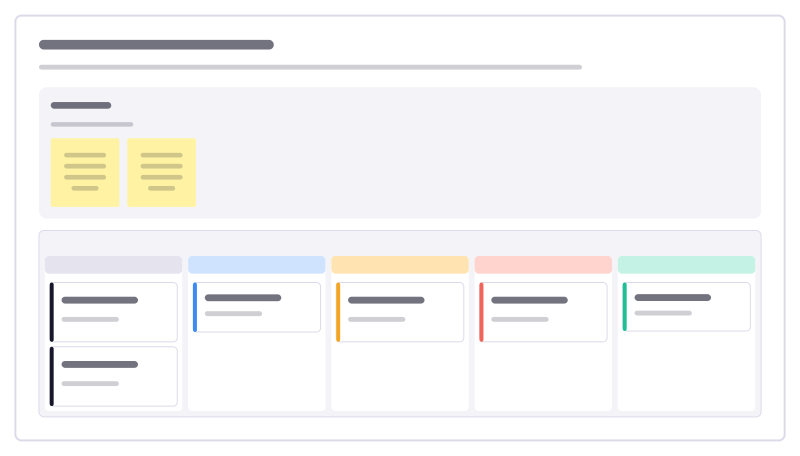
Postmortem action tracker
Follow the fixes agreed in incident reviews through to done, so the same failure doesn’t come back next quarter.
Bring your team and your agents to one board
Free to use, open source, and yours to host. No credit card, no seat count.