Templates
Design templates
Boards for the work around the design itself: map a user flow, run a critique or a five-day sprint, plan a usability test and read it out, and check accessibility and quality before release.
38 free templates · Editable · Works with Claude and ChatGPT
All 38 design templates
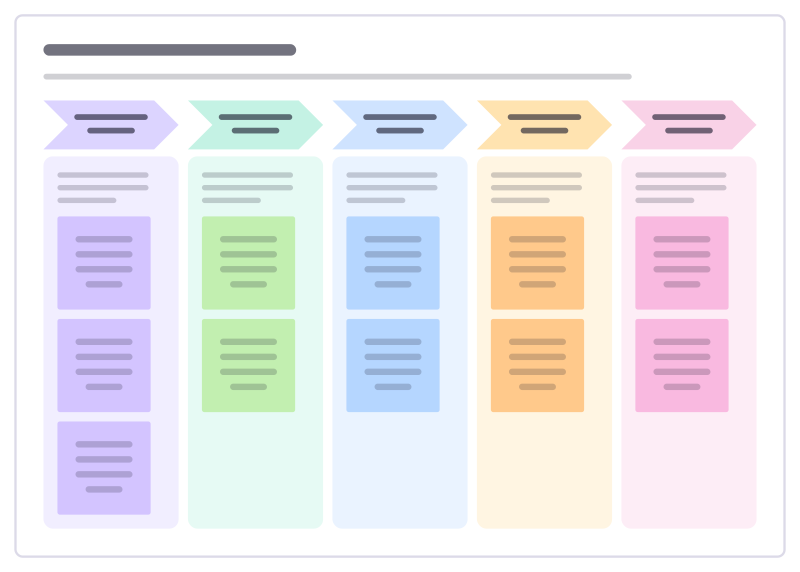
Five-day design sprint
Go from a big question to a tested prototype in one week: understand, explore, choose, build and learn from real people.
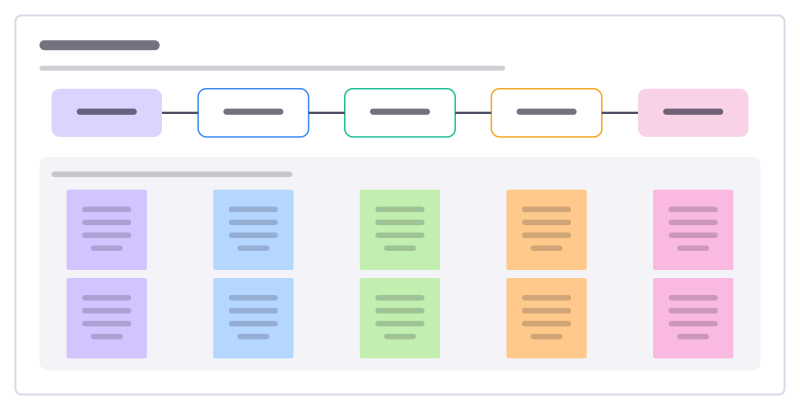
User flow
The screens and steps a person goes through to finish one task, with what each step must achieve and where it can go wrong.
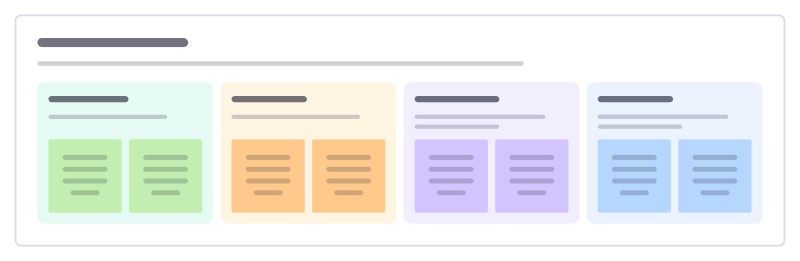
Design critique
Give feedback on a design against its goal: what works, open questions, concrete suggestions and what the designer decides.
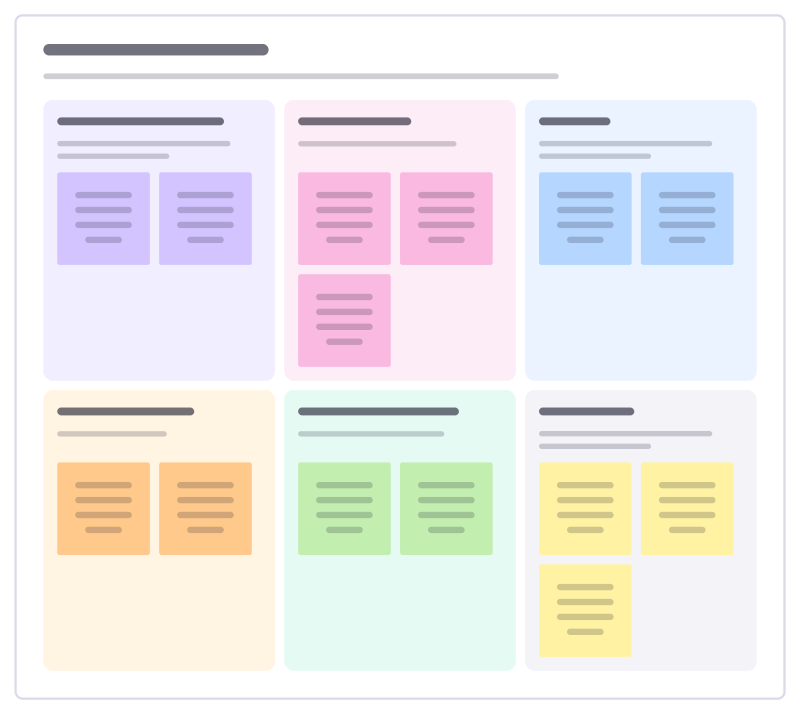
Usability test plan
Plan a round of usability sessions: what you need to learn, with whom, the tasks they will try and how you will judge success.
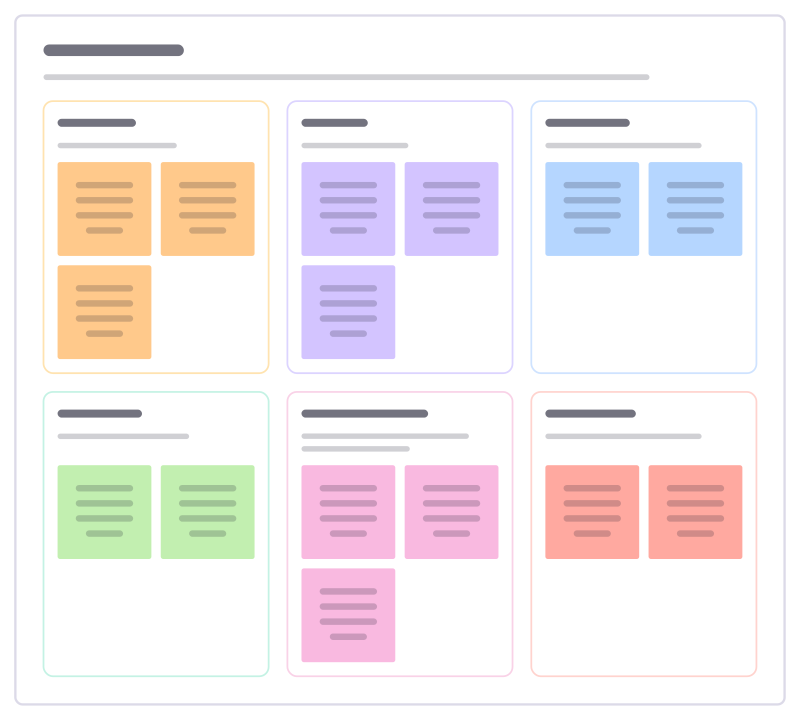
Moodboard
Collect the look and feel of a project in words: colours, type, imagery, textures and the feelings it should and shouldn’t give.
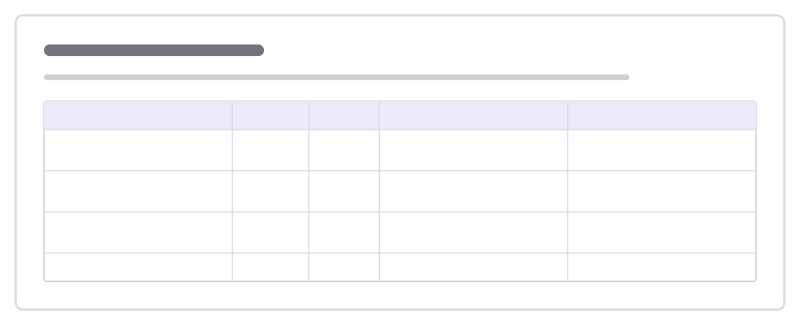
Usability findings
Turn test sessions into a ranked list of problems with evidence, severity and the fix you recommend.
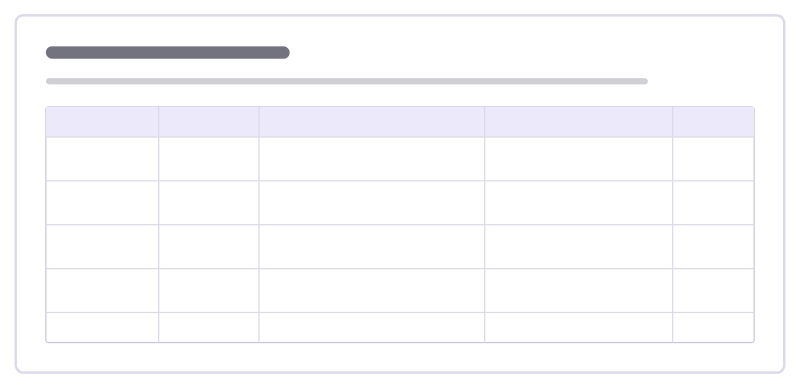
Design system audit
Inventory how a component is really used across the product, the inconsistencies you found and what to do about each one.
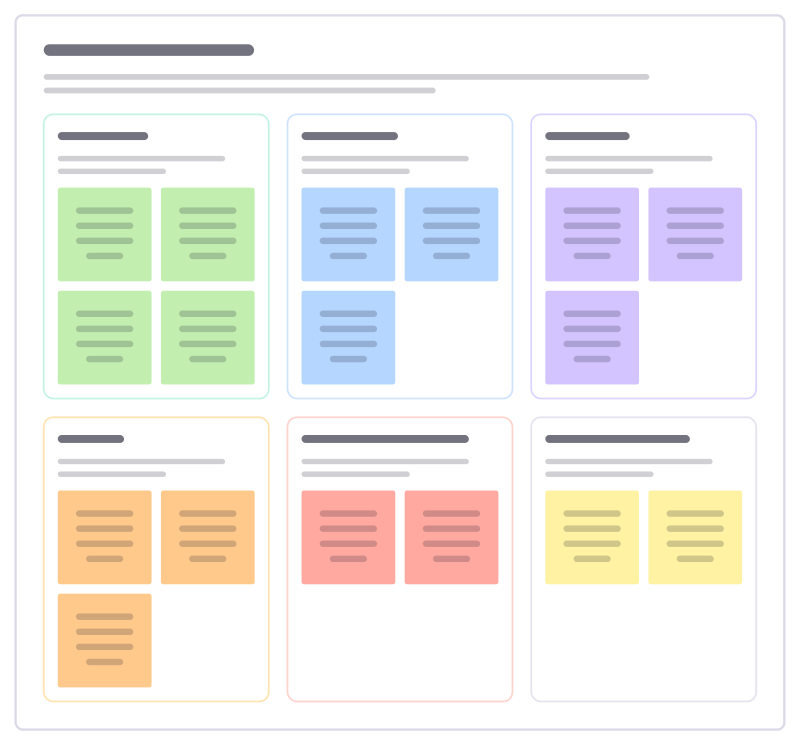
Card sort results
How people grouped your content and what they called each group, to shape menus and navigation on evidence.
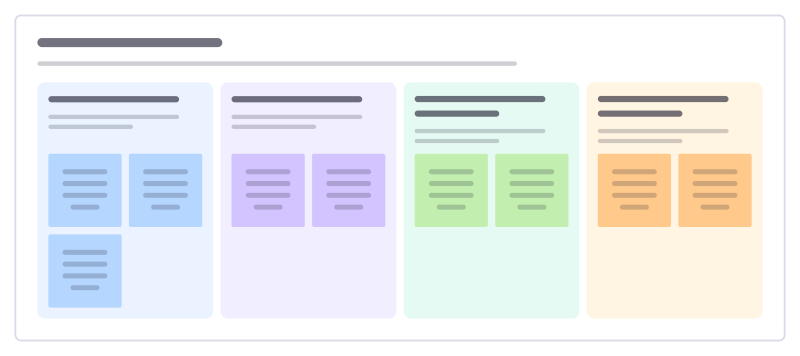
Accessibility review
Review a screen or flow against the four public principles of accessible design, with concrete checks and what to fix.
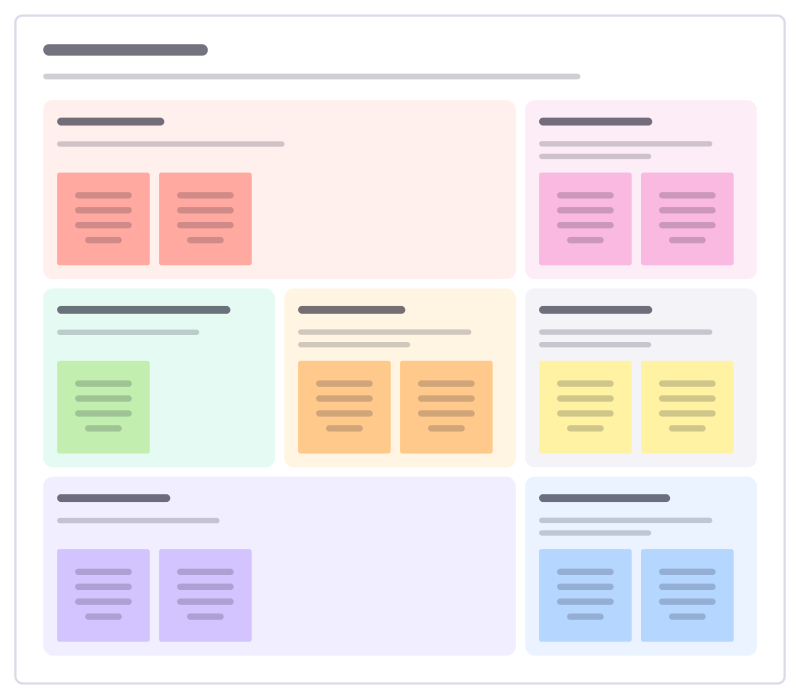
Design brief
Frame a design project before anyone opens a design tool: the problem, people, constraints, what success means and what to deliver.
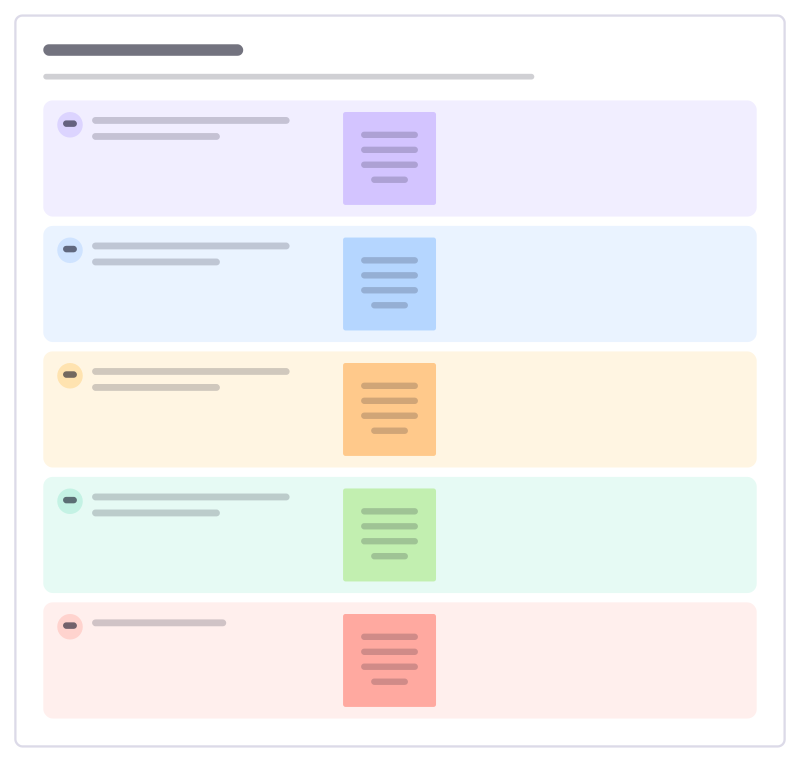
Wireframe review
Review early wireframes on structure and flow before anyone discusses colours: is the content right, and can people find it?
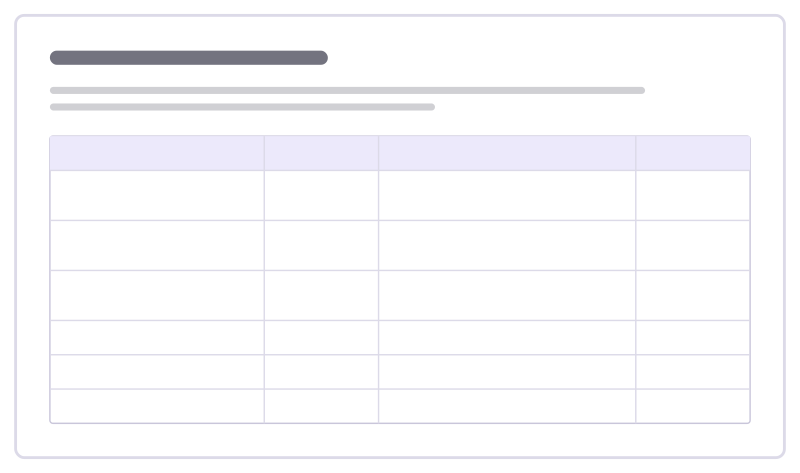
Design QA checklist
Check a built feature against the design before release: layout, states, content, accessibility and responsiveness.
Content inventory
List every page or piece of content you have, who owns it, how it performs and whether to keep, update, merge or remove it.
Component proposal
Propose a new design system component: the need, where it’s used, its variants and states, accessibility and what it replaces.
Design principles workshop
Find a team’s design principles from real examples: work you’re proud of, work you regret, and the patterns behind both.
Inspiration share-out
Everyone brings examples from other products or places that solve a similar problem well, and the group captures what to borrow.
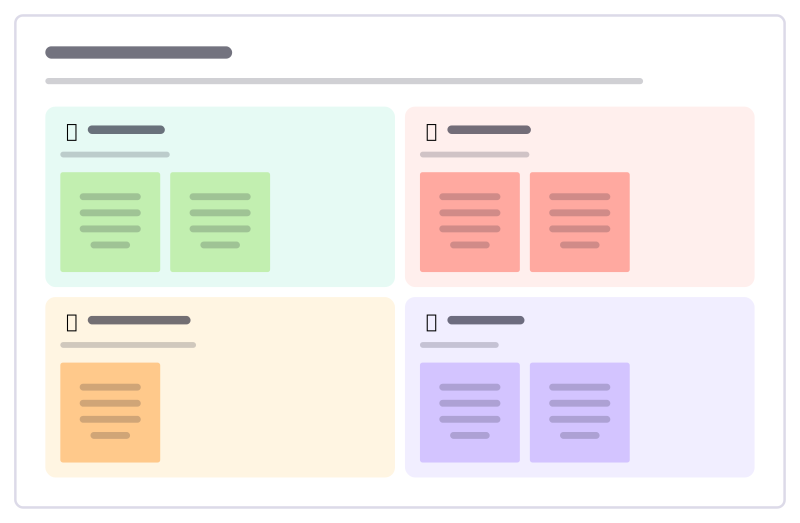
Feedback grid
Collect reactions to a demo, prototype or talk in four boxes: what people liked, what to change, open questions and new ideas.
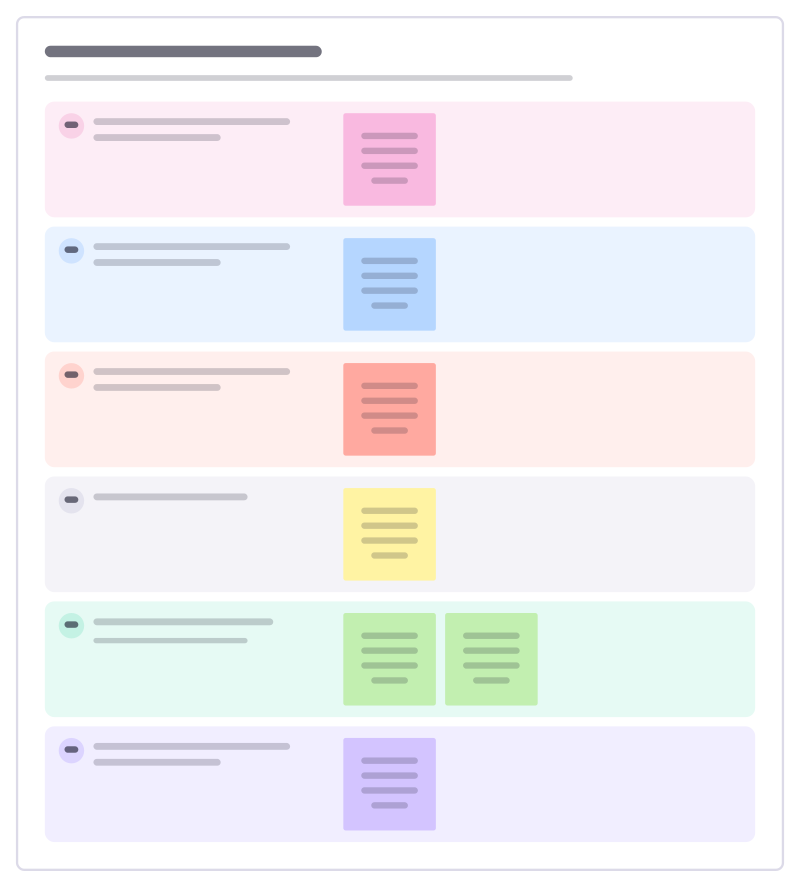
Problem statement builder
Write a problem worth solving before anyone suggests a solution: who has it, when, what it costs them and how we know.
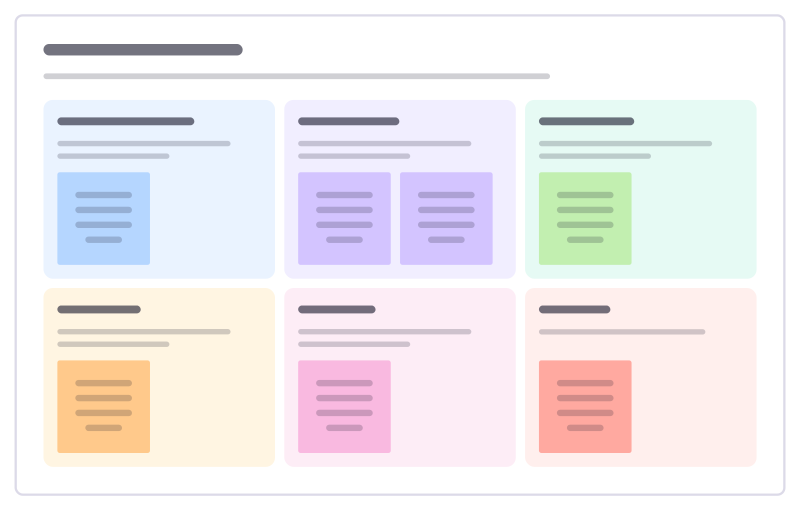
Product teardown
Study another product end to end as a team: first impressions, onboarding, the core loop, pricing, and what to borrow or avoid.
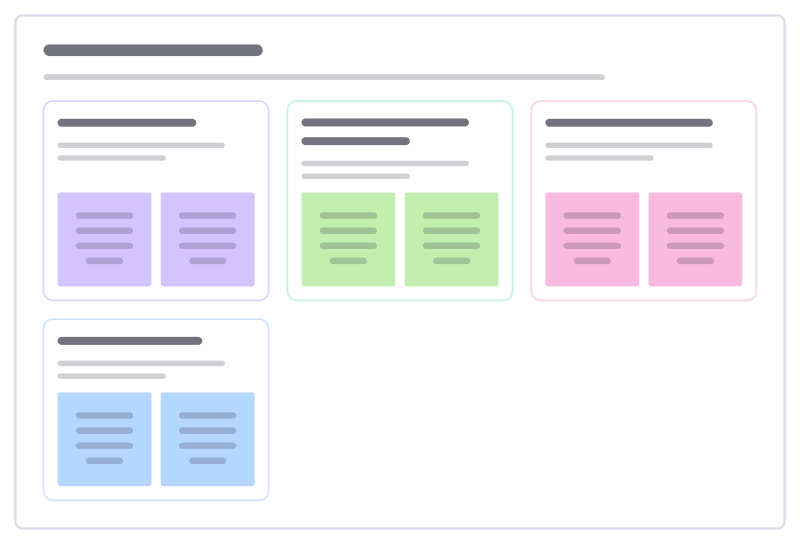
Product principles
Write the few principles that settle product arguments before they start, each with an example of what it rules in and out.
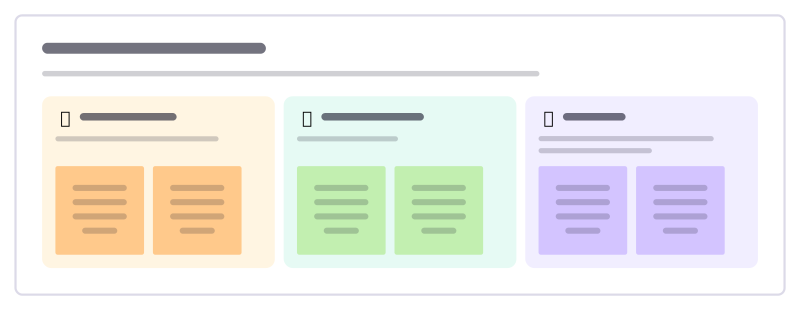
Two stars and a wish
Peer feedback on a piece of work: two things that work well and one thing to improve, kind and specific.
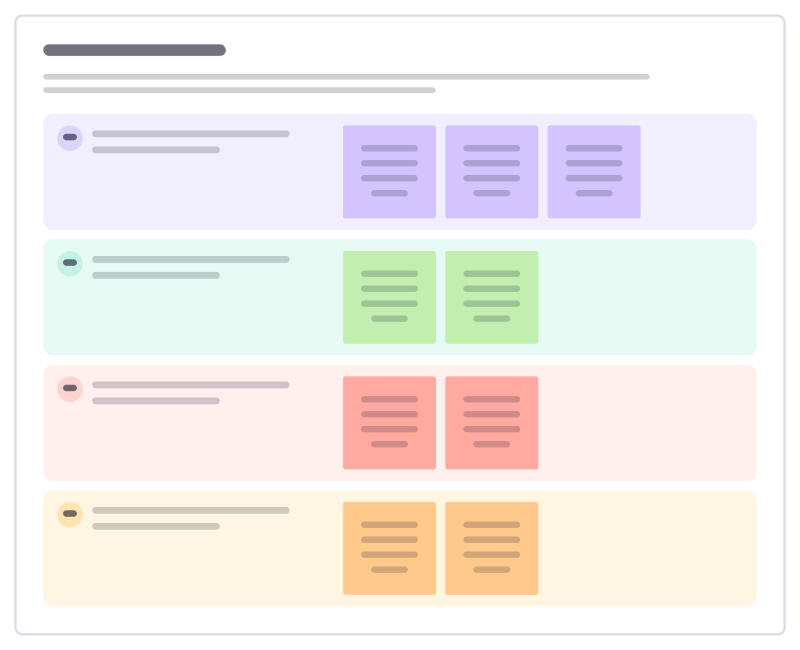
Borrowed ideas
Ask how other industries would solve your problem, then steal their best moves on purpose.
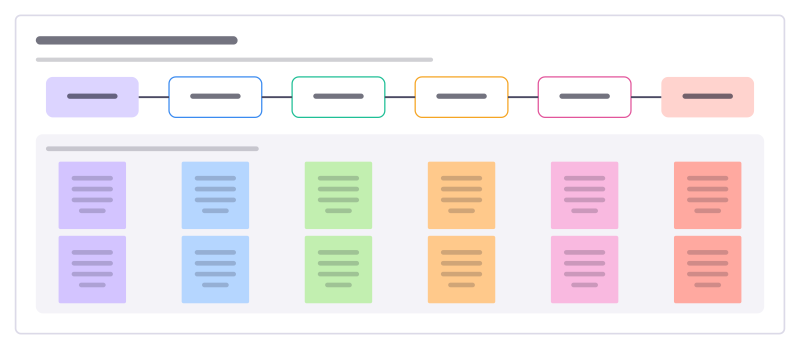
Telehealth visit workflow
Design how a remote consultation runs from booking to follow-up, including what happens when the video call fails.
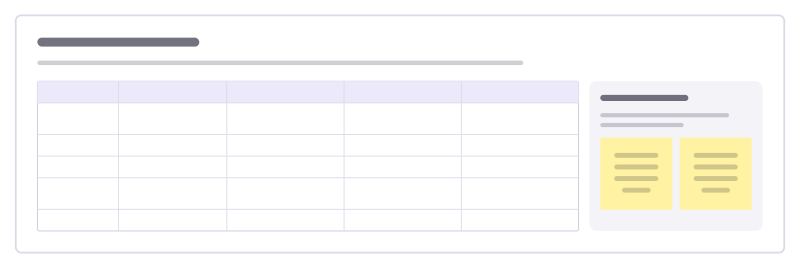
Attribute listing
Break a product into its attributes (size, material, price, how it is used) and change one attribute at a time to find new versions.
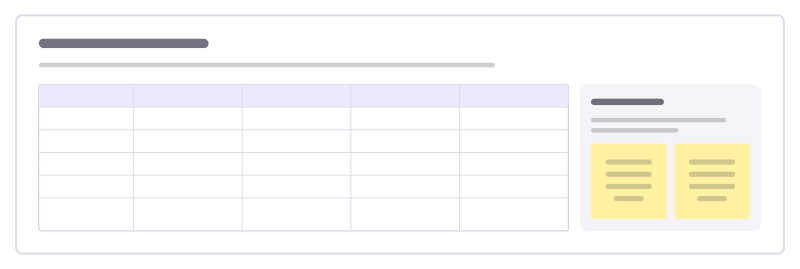
Morphological box
Split a design problem into its parameters, list the options for each, then combine one option per row into whole concepts.
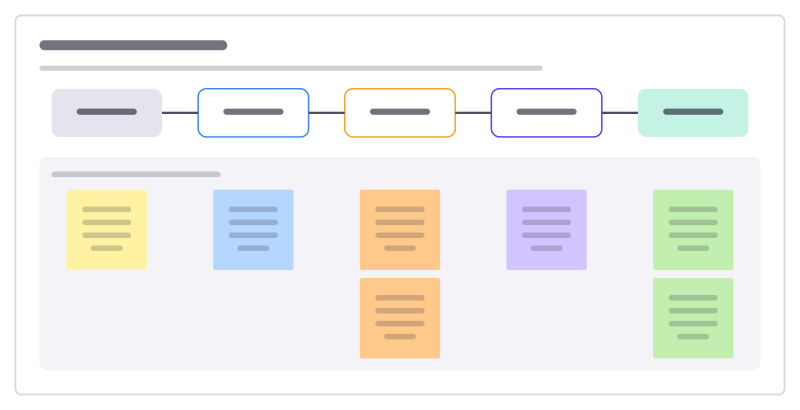
Analogy brainstorm
Find who else, in another field or in nature, has already solved a problem like yours, and borrow the principle behind it.
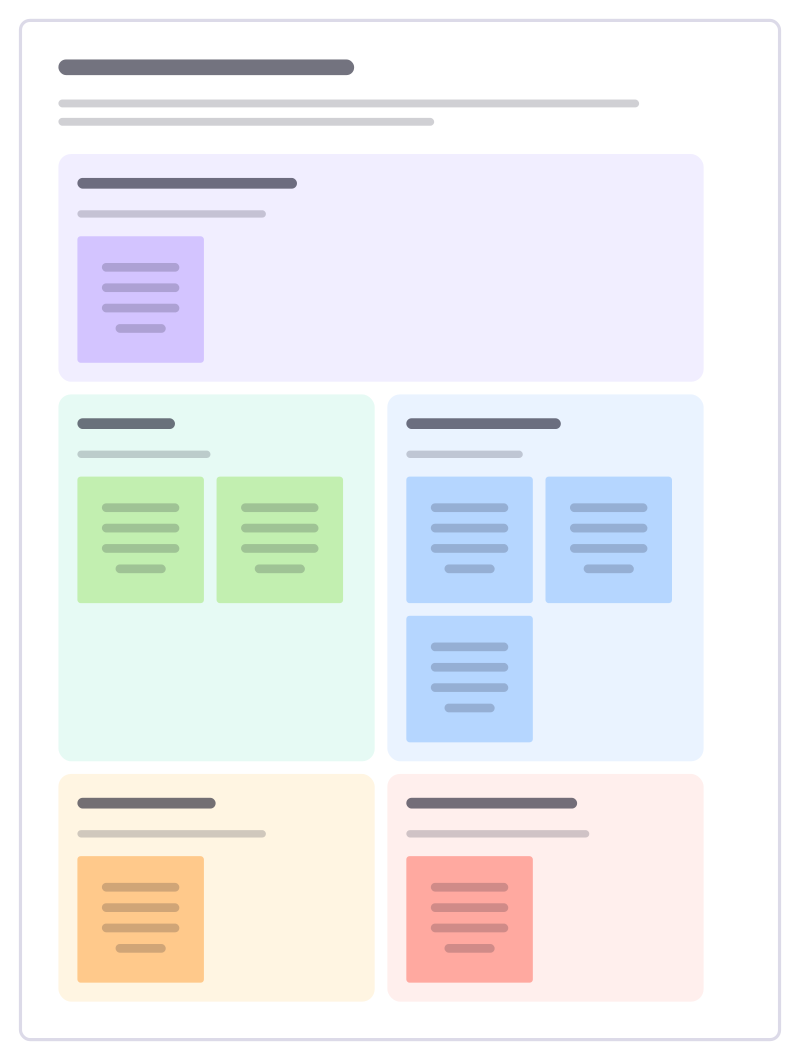
Landing page brief
Brief a landing page section by section: the headline promise, proof, how it works, objections and the one action you want.
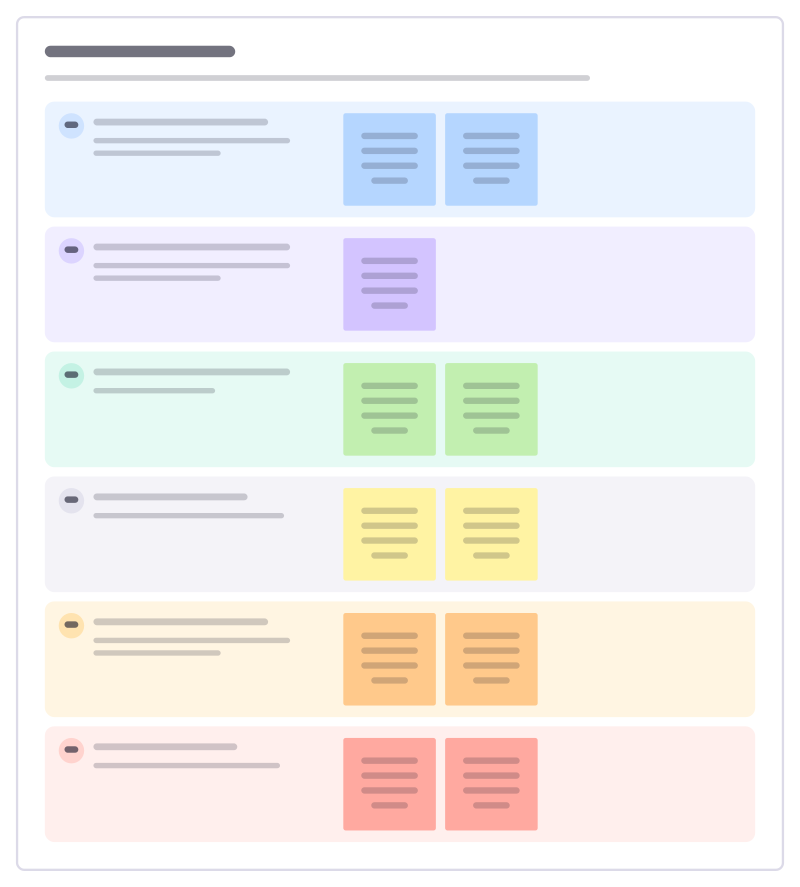
Jobs to be done
Understand the progress customers are trying to make: the situation, the job, what they use today and what holds them back.
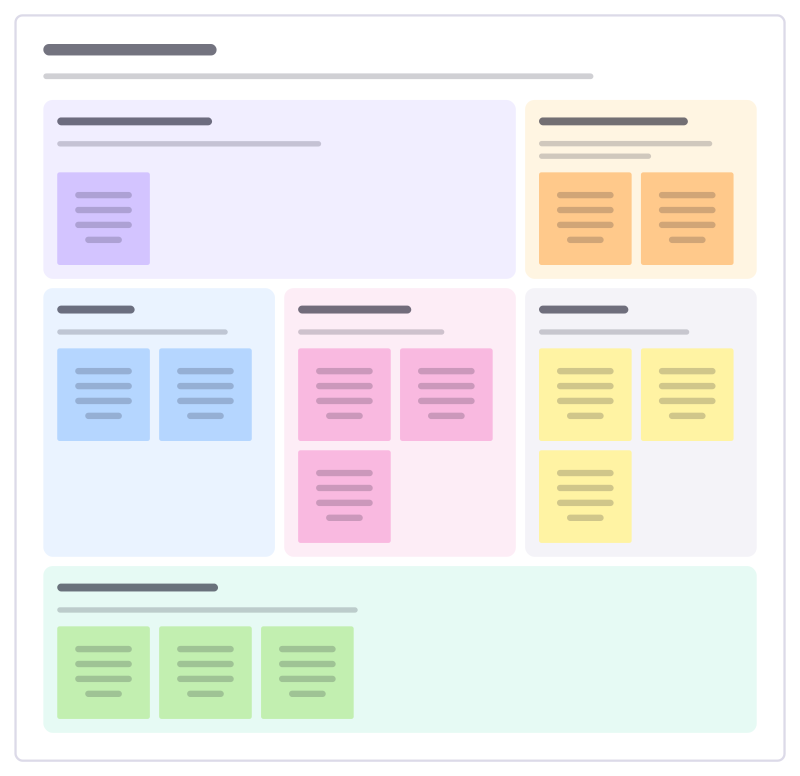
Research plan
Plan a study before booking anyone: the decision it informs, the questions, method, participants, timeline and how you’ll share it.
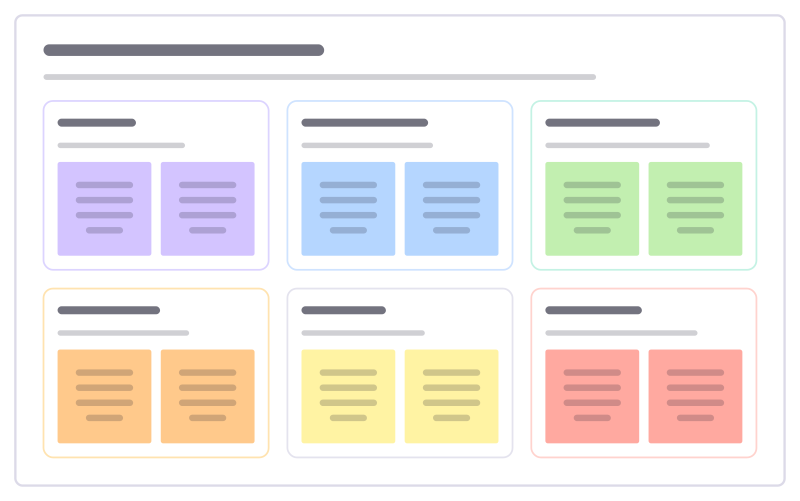
Visual merchandising plan
Plan how the store tells this season’s story: windows, the entrance, feature walls, till point and signage, zone by zone.
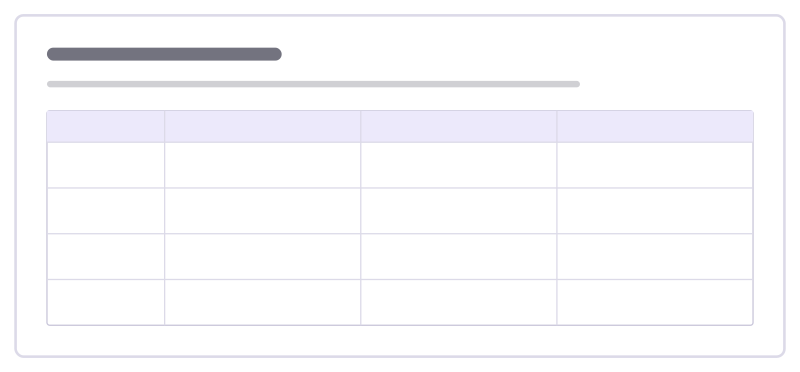
Brand voice guide
A handful of voice traits with what each means, how it sounds and how it doesn’t, so every writer sounds like one brand.
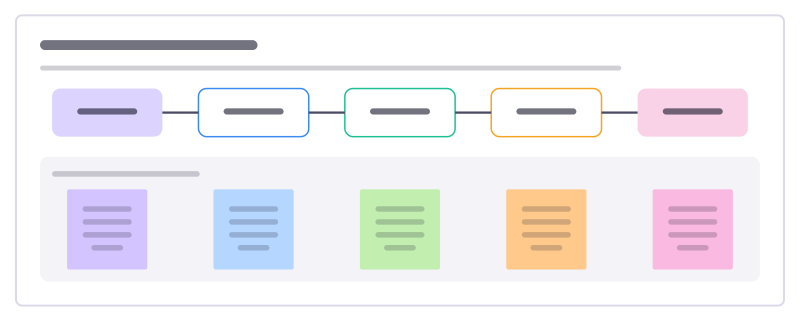
Peer feedback protocol
A structured round where students give each other kind, specific and helpful feedback on work in progress.
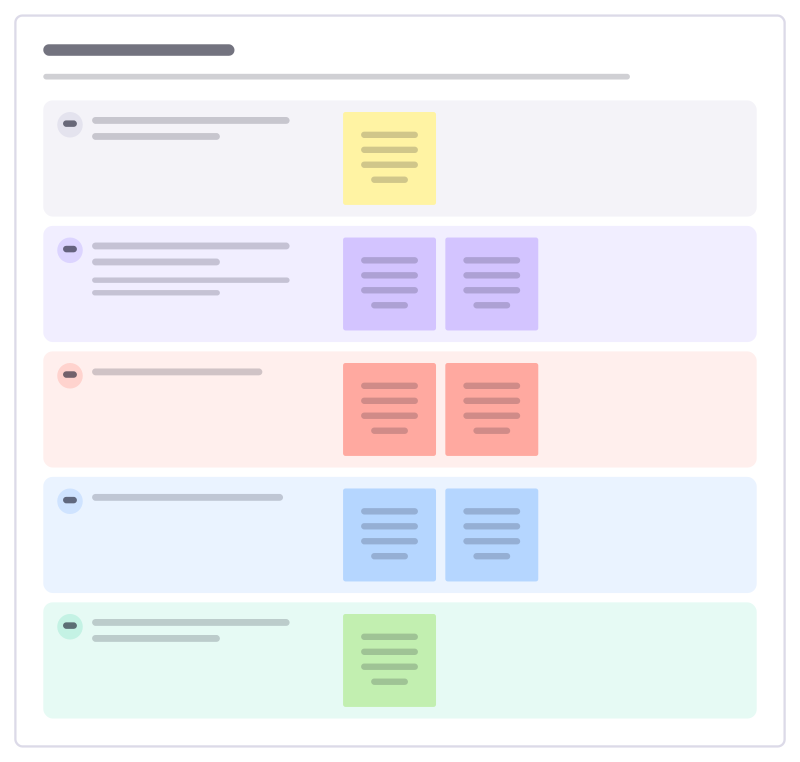
Interview guide
A discussion guide for customer interviews: warm-up, their story, the problem in depth, current workarounds and wrap-up.
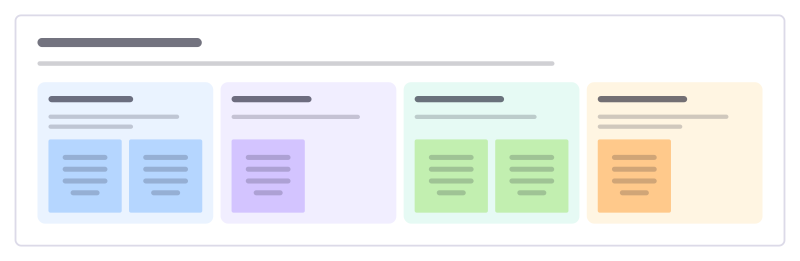
Insight synthesis
Turn research notes into insights: what you observed, what it means, and what the team should do about it.
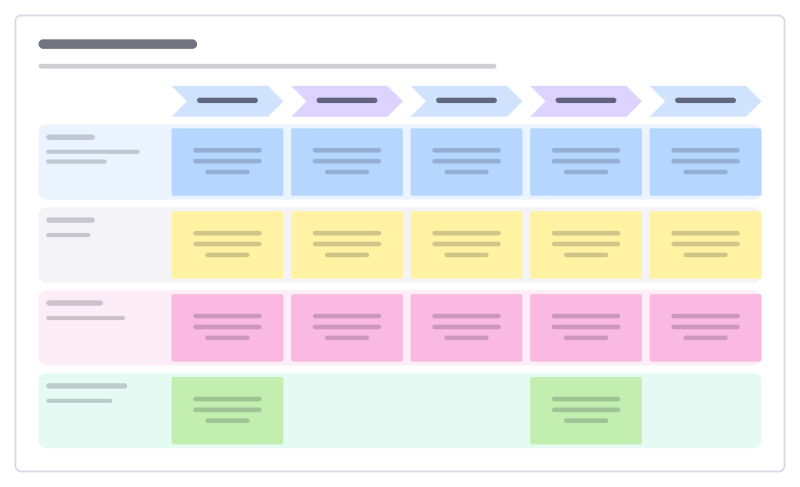
Day in the life
Follow one kind of user through a typical day: what they do, the tools they touch, how they feel and where you could help.
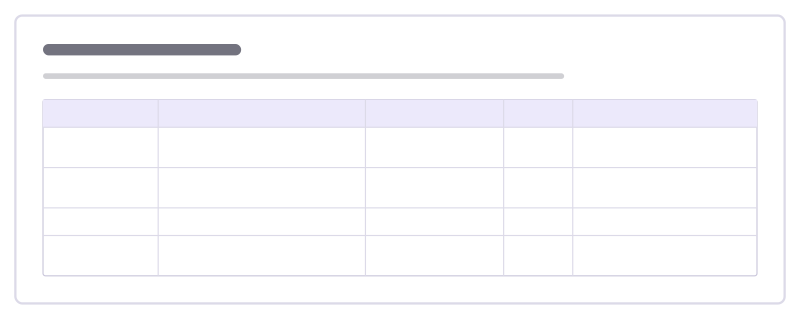
Heuristic review
Review an interface against well-known usability principles, log each issue with its severity and a suggested fix.
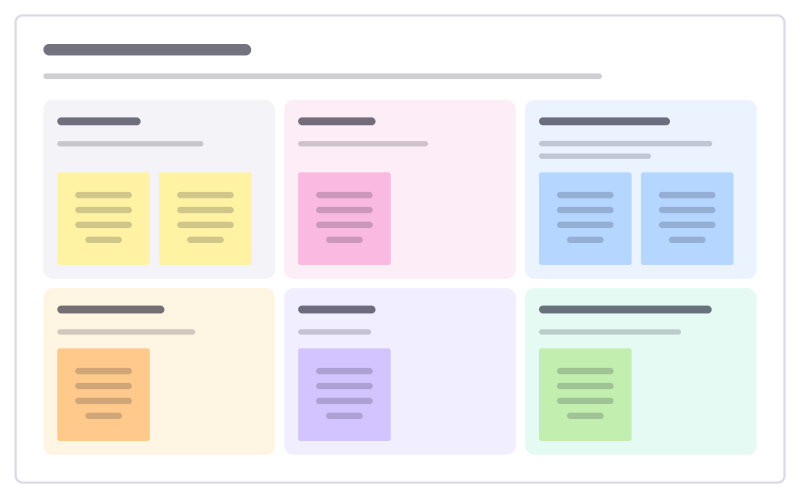
Field visit notes
Capture what you see on a site visit: the setting, people, tools and paper, the workarounds and the quotes worth keeping.
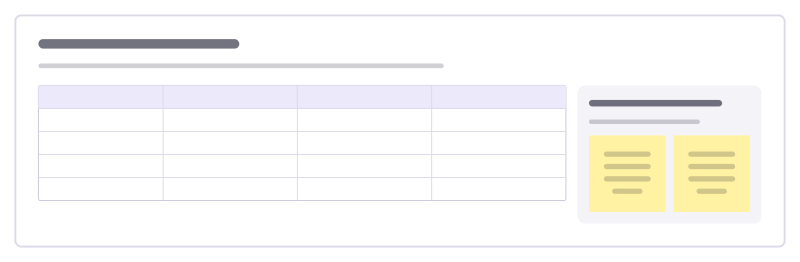
Competitive UX review
Compare how you and your competitors handle the same key tasks, step by step, to see where you lead and where you lag.
Bring your team and your agents to one board
Free to use, open source, and yours to host. No credit card, no seat count.