Templates
HR templates
For managers and people teams: hire against a clear scorecard, welcome new starters, prepare feedback and performance conversations, map skills and career steps, and check how the team is doing.
66 free templates · Editable · Works with Claude and ChatGPT · Page 1 of 2
HR templates 1–60 of 66
Team health check
A quick traffic-light read on how the team is doing across a few areas, compared with last time so trends stand out.
Volunteer onboarding
Take a new volunteer from signing up to their first shifts without losing them to slow replies, checks or a confusing first day.
Volunteer role description
Describe a volunteer role so the right people say yes: why it matters, what they will do, the time it takes and the support they get.
New hire first week
Plan a new colleague’s first five days so they meet the right people, get set up and do something real by Friday.
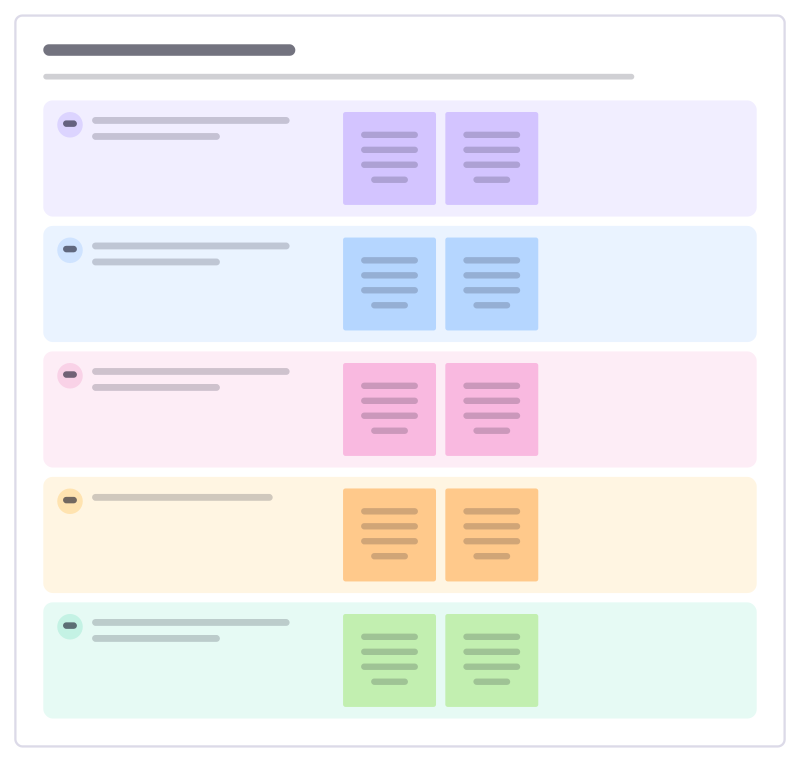
Onboarding buddy guide
What a new hire’s buddy does and when: from the welcome message to the check-in at the end of the first month.
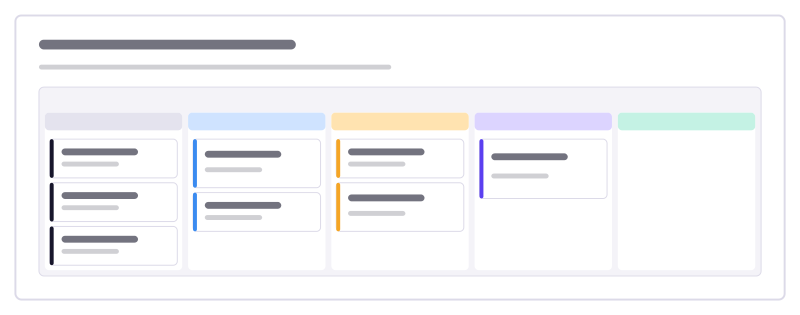
Manager onboarding checklist
Everything a manager does to onboard someone well, from before day one to the end of month three, as cards to move.
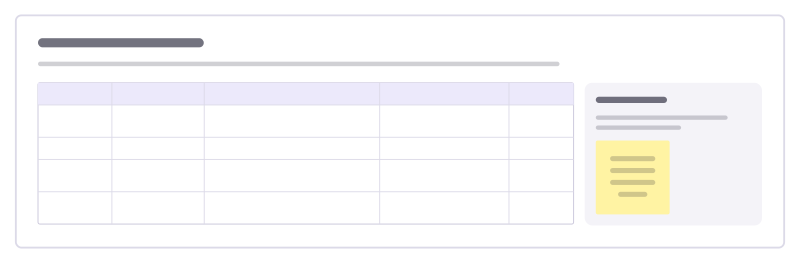
Interview debrief
Bring interviewers together after a loop: what each assessed, the evidence they saw, concerns, and a hiring decision.
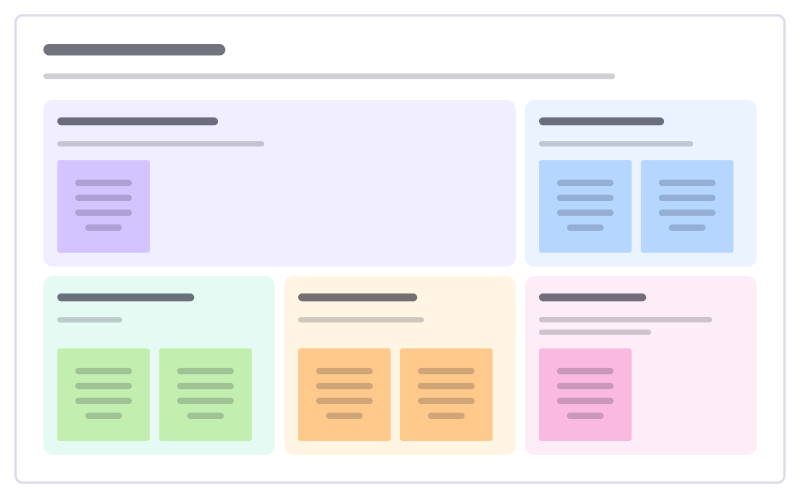
Job ad builder
Write a job ad people want to read: why the role exists, what they’ll do, who’ll thrive, what you offer and how hiring works.
Feedback conversation prep
Prepare to give someone difficult feedback: what you saw, its effect, what you want instead and how you’ll listen.
Exit interview
Learn from people who leave: why they’re going, what worked, what didn’t, and what would have made them stay.
Promotion case
Make the case for someone’s promotion with evidence: their scope, impact, examples against the next level and what others say.
Team rituals map
List every recurring meeting and ritual the team has, why it exists, and whether to keep, change or drop it.
Org design options
Compare ways of organising teams around the work: what each option optimises for, what it costs and who it affects.
Role handover
Hand over a role when someone moves on: responsibilities, open work, key relationships, where things live and what’s risky.
Hiring plan
Plan the roles to hire this year: why each is needed now, when they start, the budget and who leads the search.
Wellbeing check-in
A gentle team check-in on workload, energy and support, with room for people to say what would help.
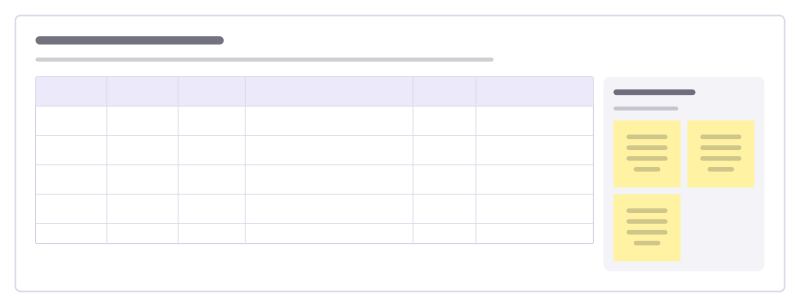
Performance calibration
Managers compare their review ratings side by side, with the evidence for each, so the same work gets the same rating across teams.
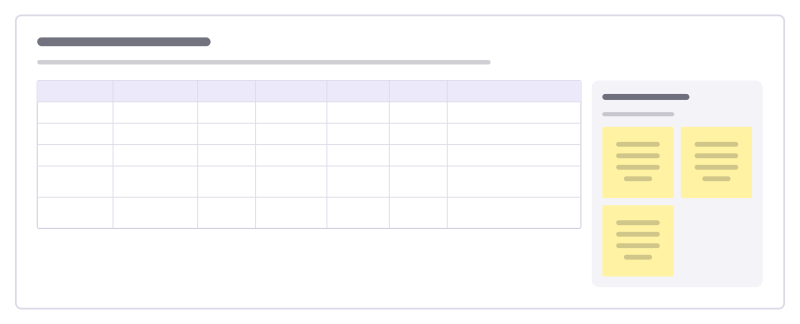
Compensation review
Prepare the yearly pay review: where each person sits in their pay band, the proposed rise and the reason, within the agreed budget.
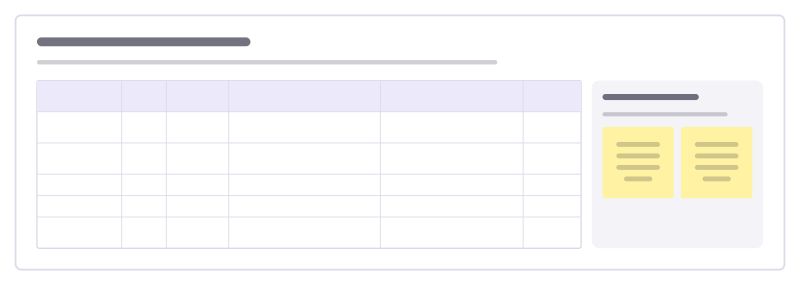
Engagement survey actions
Turn an employee survey into a short list of actions: the themes, what people said, what you will change and who owns it.
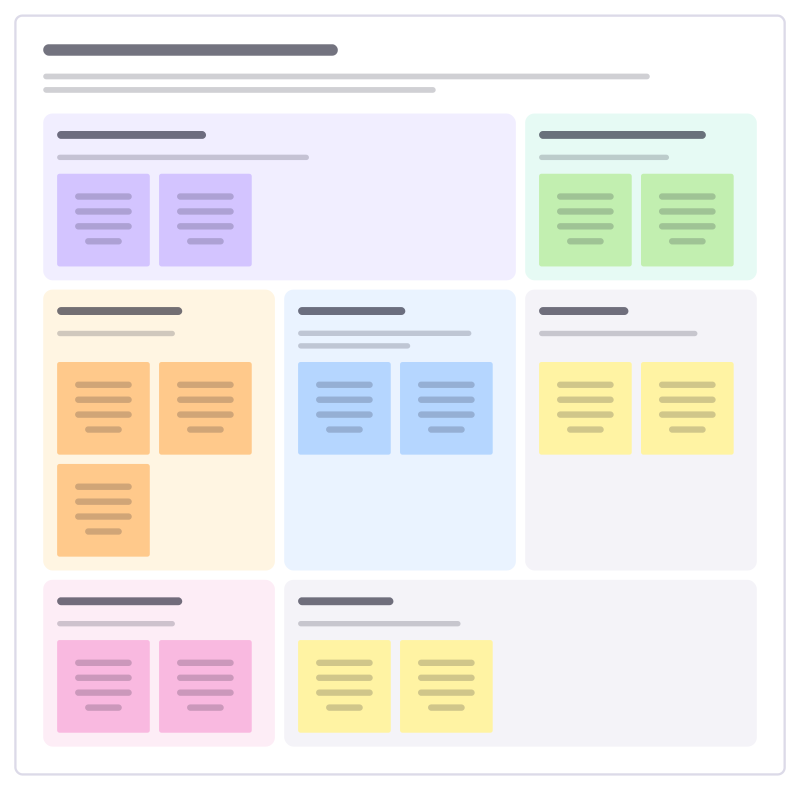
Individual development plan
Agree where someone wants to grow over the next year, the skills and experiences that will get them there and the support they need.
Succession plan
Keep key roles from being one resignation away from a crisis: who could step in now, who in a year or two, and how to get them ready.
Offboarding checklist
Everything to do when someone leaves, from the day they resign to after their last day: access, equipment, pay, handover and goodbye.
Hybrid working agreement
Agree as a team how hybrid work runs: which days you meet in person, core hours, reply times and how remote colleagues stay included.
Recognition programme
Design how your organisation says thank you: what gets recognised, who can recognise whom, how often, and how to keep it fair.
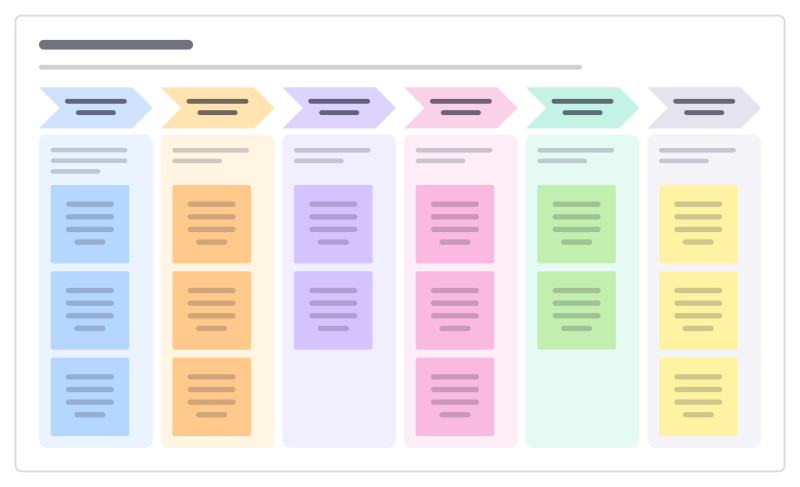
Policy rollout
Introduce a new or changed workplace policy in stages: draft, consult, approve, announce, train and check that it works in practice.
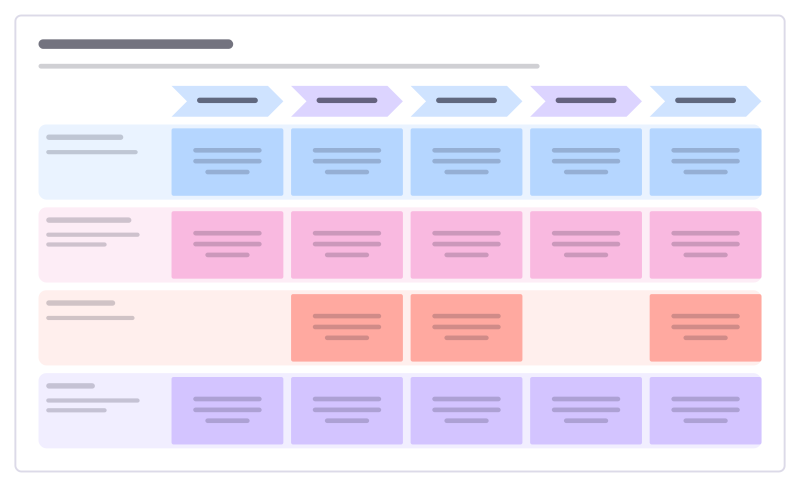
Employee journey map
Follow an employee’s experience from first hearing about you to leaving, to find the moments that make people stay or go.
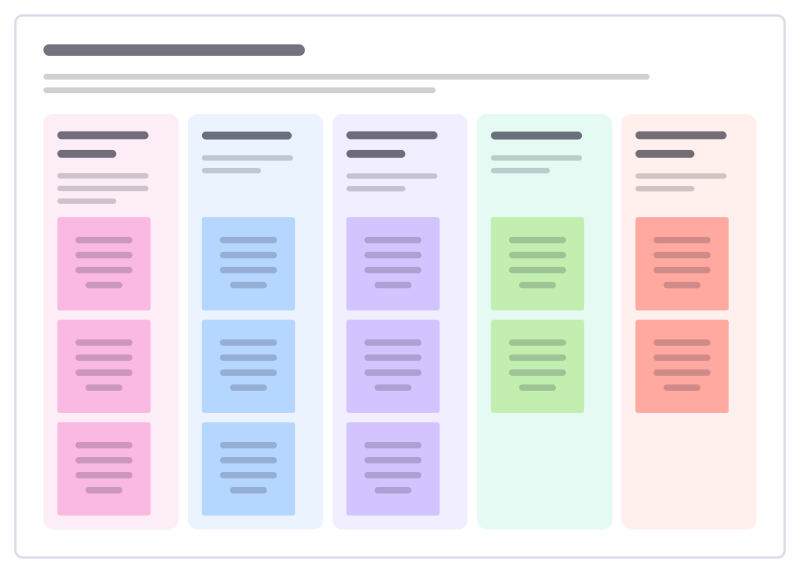
Company values workshop
Find the values your people already live by, from real stories, and write down what each one looks like and does not look like at work.
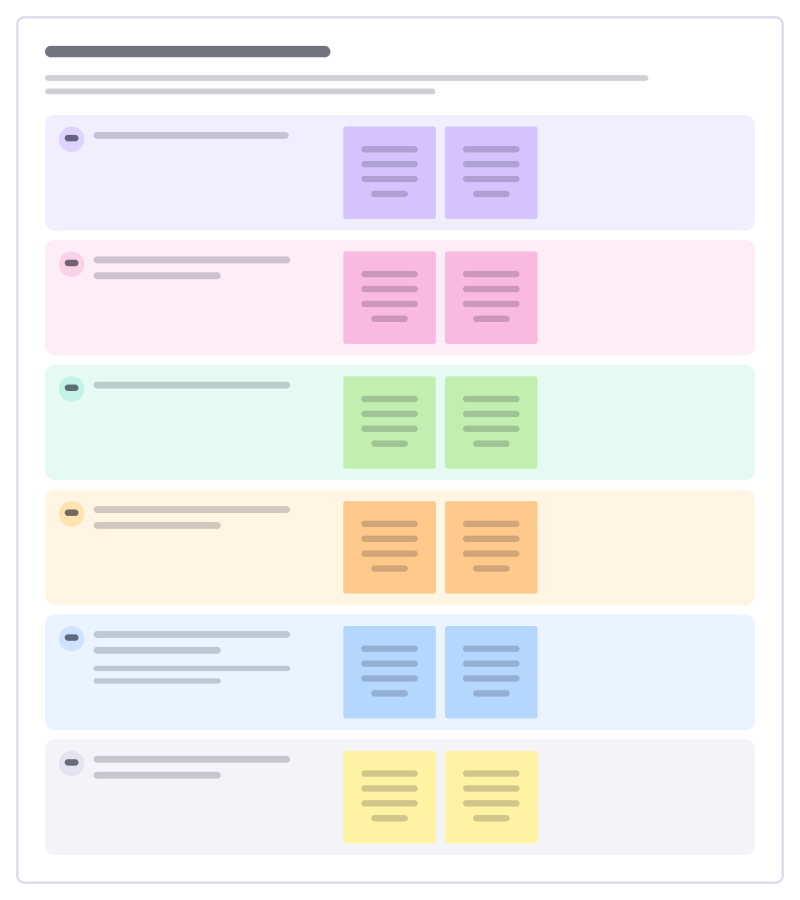
Internal move conversation
Prepare for a conversation about moving to another team or role inside the company: the reasons, the fit, the gaps and a fair handover.
Interview question bank
Collect the questions your team asks in interviews, the skill each one tests, good follow-ups and what strong and weak answers sound like.
Reference check
A short structured call with a candidate’s former manager or colleague, checking what interviews could not show.
Hiring scorecard
Agree what good looks like before the first interview, then score every candidate against the same evidence.
Interview loop
Every step a candidate goes through, who runs it, what it tests and the signals to listen for, so no two interviews overlap.
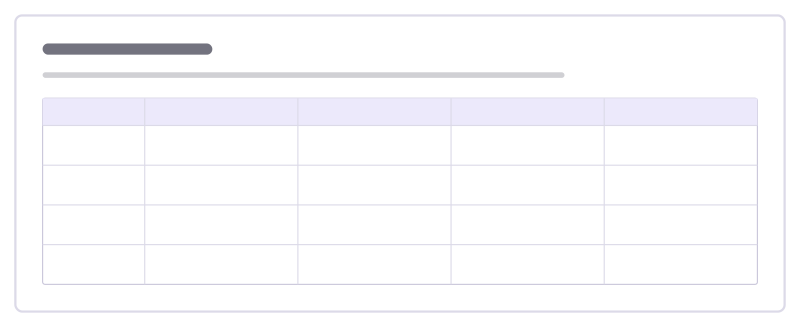
Career ladder
What changes from level to level in scope, craft, collaboration and impact, so promotions are predictable and fair.
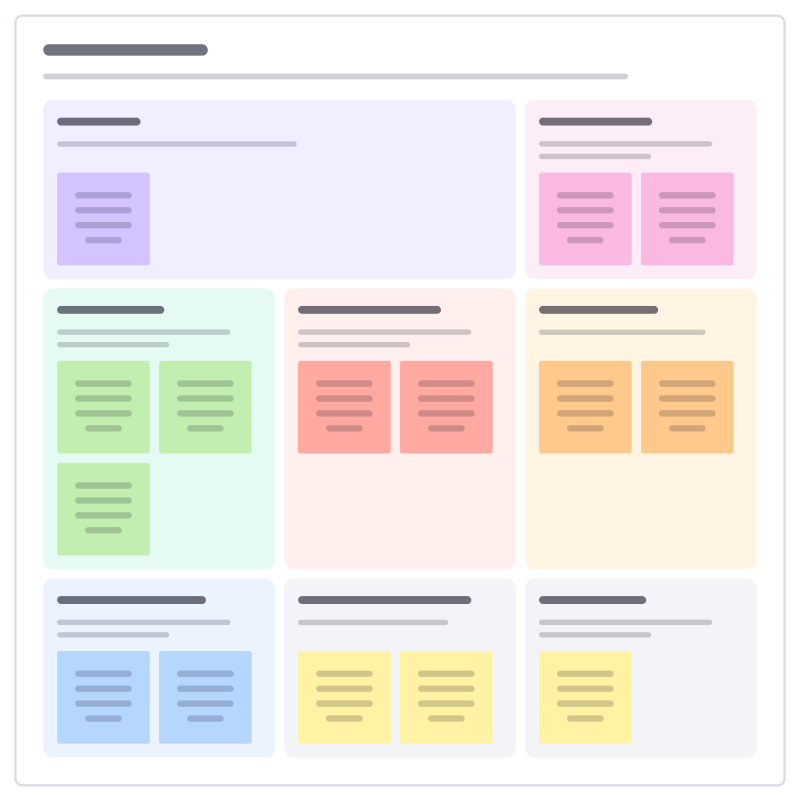
Team charter
Why the team exists, what it owns, who it serves and how it works together, written once and revisited every quarter.
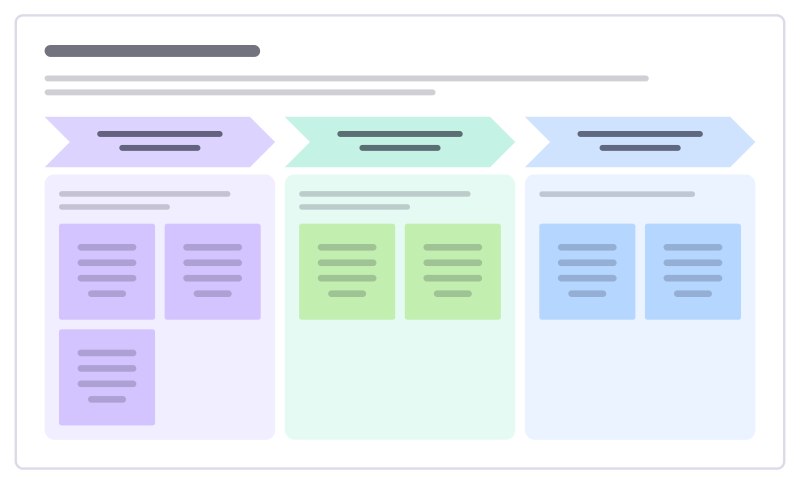
30-60-90 day plan
What a new hire should learn, contribute and own by day 30, 60 and 90, agreed with their manager on day one.
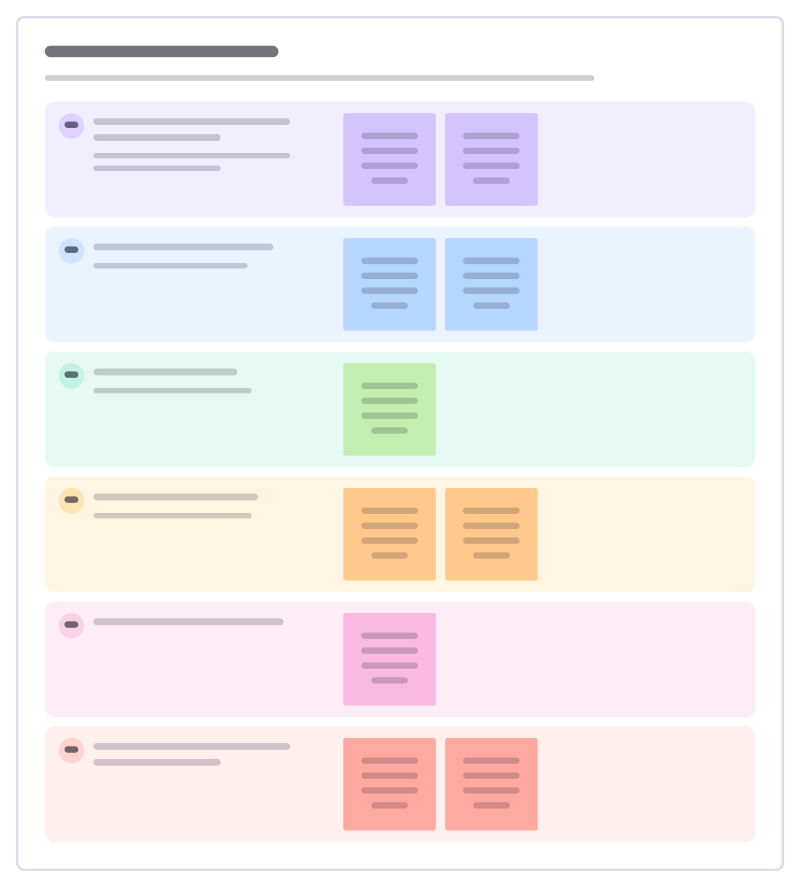
Performance check-in
A short, regular conversation about progress, obstacles and support, so the annual review holds no surprises.
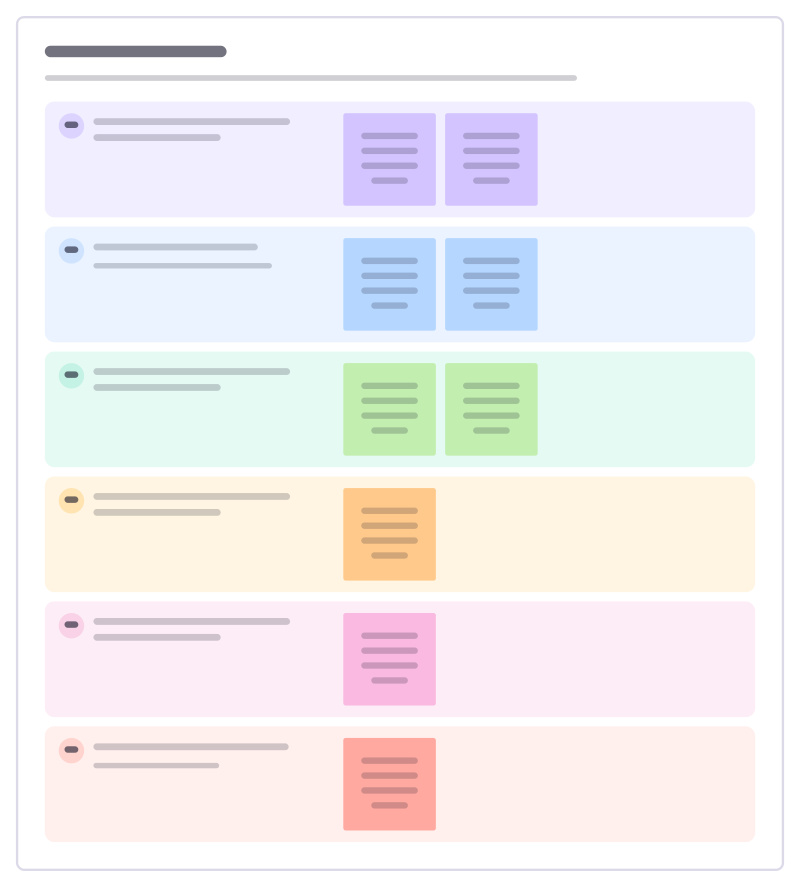
Stay interview
Ask people why they stay and what might make them leave, while you can still do something about it.
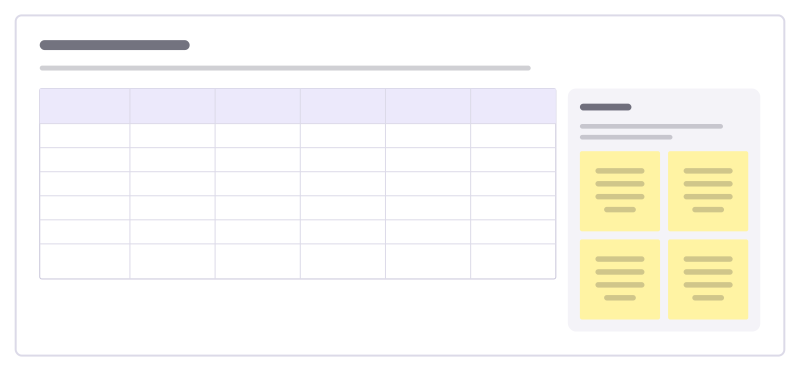
Skills matrix
Who knows what on the team, at which level, so you can spot single points of failure and plan cross-training.
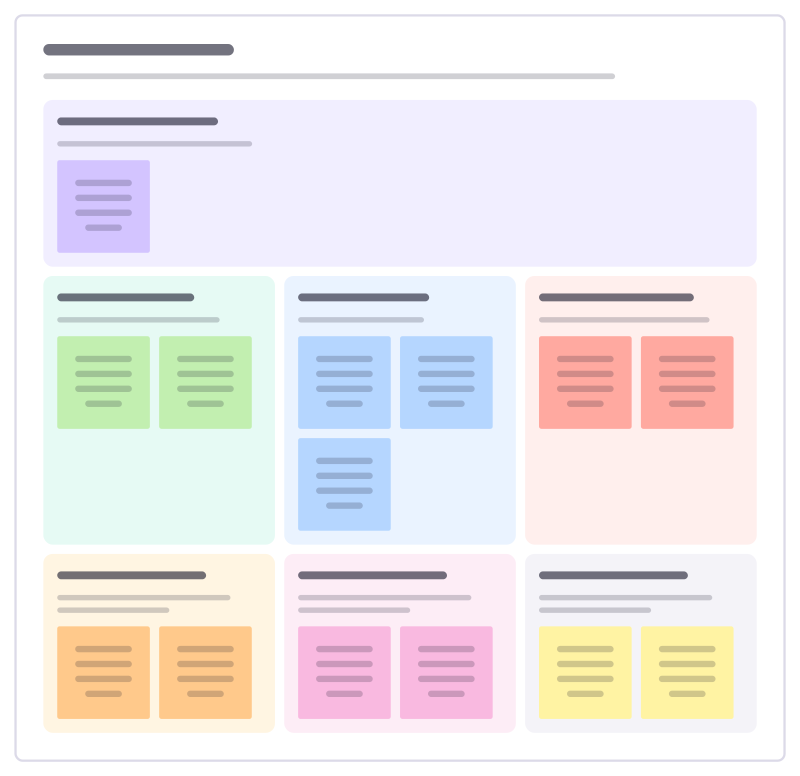
Role definition
One role on a page: why it exists, the outcomes it owns, the decisions it makes and where it stops.
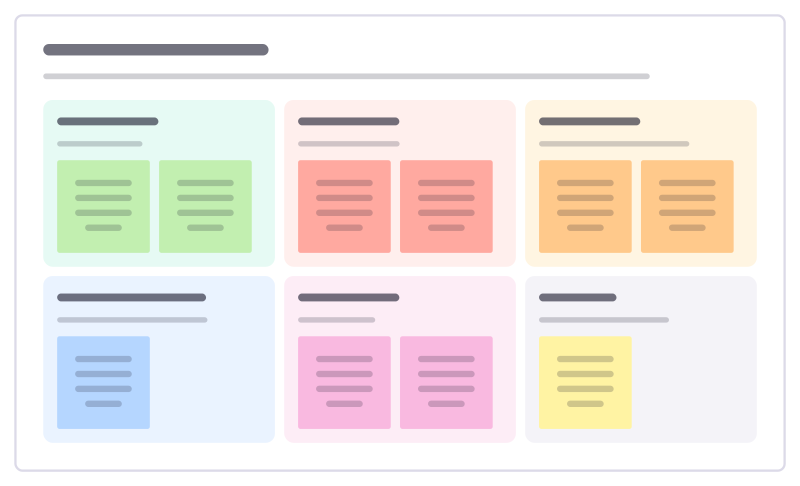
AI use policy draft
Draft the team’s rules for using AI tools: what’s encouraged, what’s off limits, what data can go in, and when to say AI was used.
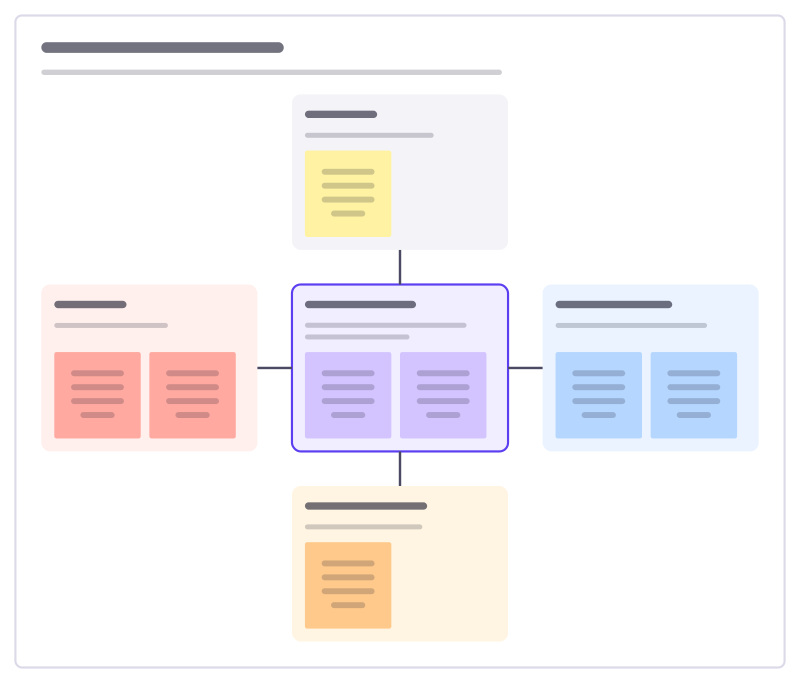
Incident response roles
Who does what when a serious incident starts: the incident lead in the middle, and the roles that support them.
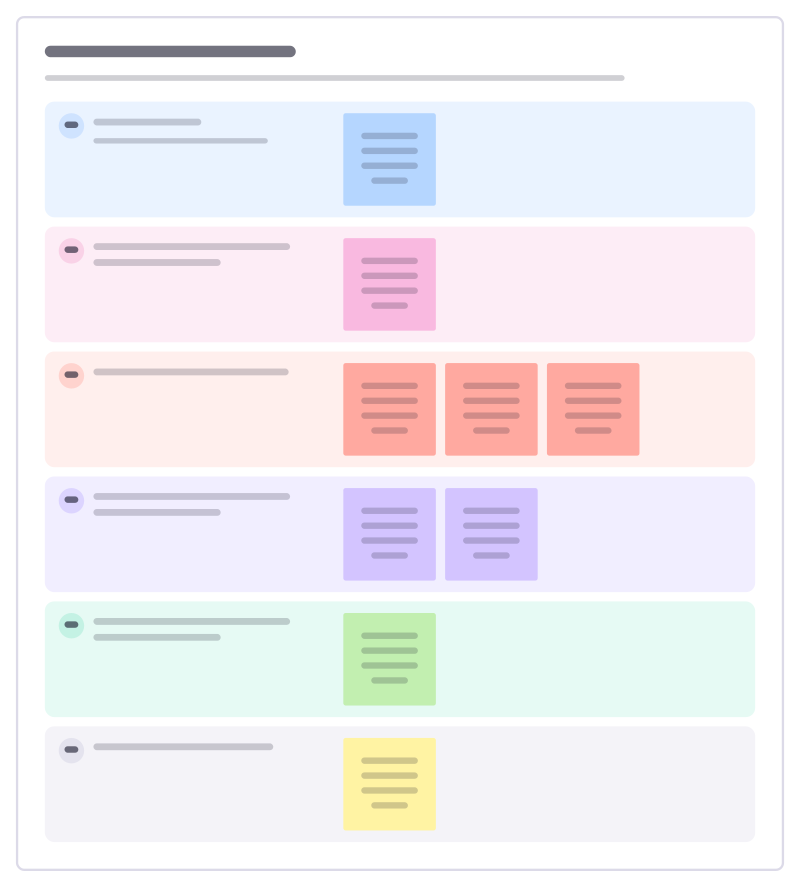
Restorative reflection
Talk through a conflict or broken rule with a student so they see who was affected and choose how to put it right.
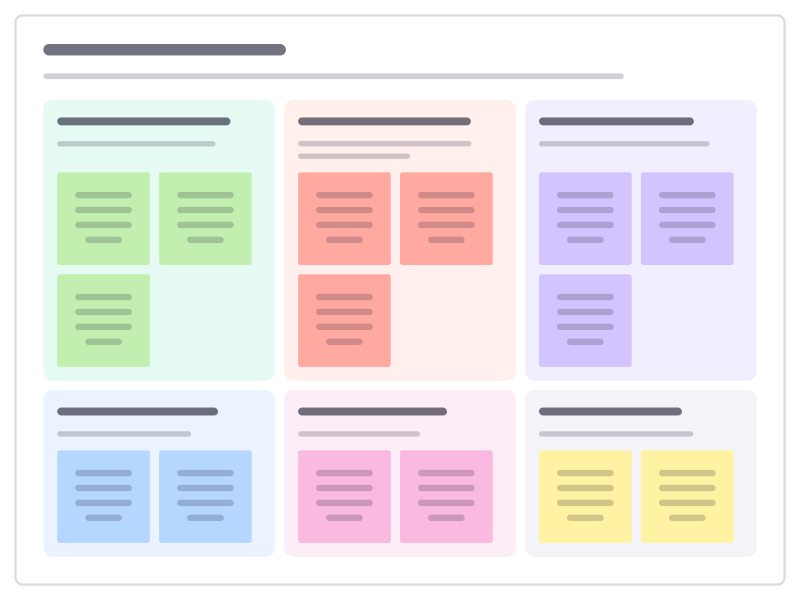
Learning support plan
Agree with a student and their family what helps them learn: strengths, what is hard, classroom strategies and how progress is checked.
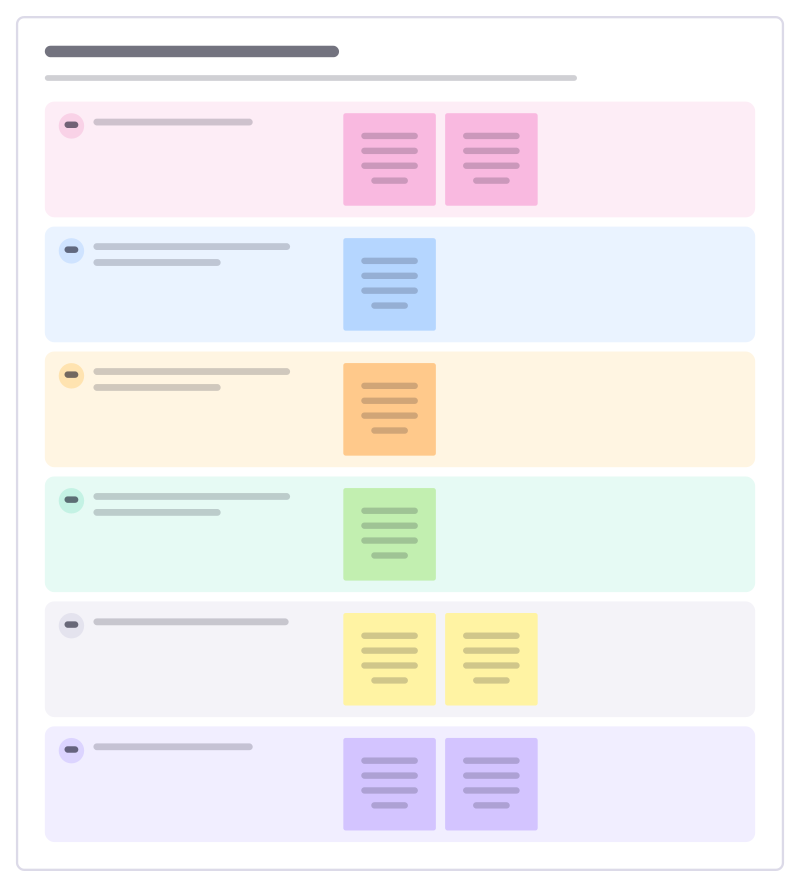
Mission and vision workshop
Draft a mission and vision with a team: who we serve, what we do for them, the future we’re building and the words to keep or ban.
Superpowers and weak spots
Team members share what they’re great at and where they’d love help, so the team knows who to ask for what.
Gratitude round
A short round where people thank someone for something specific they did, read aloud to them.
Holiday cover plan
Plan who covers whom over a holiday period: dates away, what needs covering, the cover person and the handover notes.
Consent decision round
Make a decision people can live with in one meeting: a proposal, questions, reactions, objections and a better version.
Meeting agreements
Agree how this group runs its meetings: preparation, talking, decisions, devices and how to end on time.
Table rotation conversations
Large-group conversations in rounds: small tables discuss one question each, people move between rounds, and a host carries the thread.
Job search tracker
Follow every application from finding the role to the offer, with the next step and date on each card so nothing goes cold.
Care plan review
Review a person’s care with them and the people around them: what matters to them, what support works and what changes next.
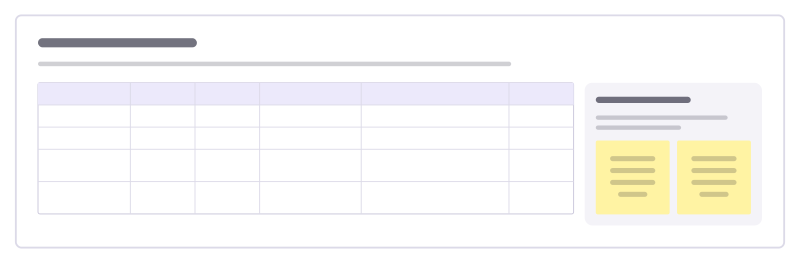
Shift cover gaps
See every shift that is short of staff or skills in the coming weeks, and track how each gap will be filled before the day.
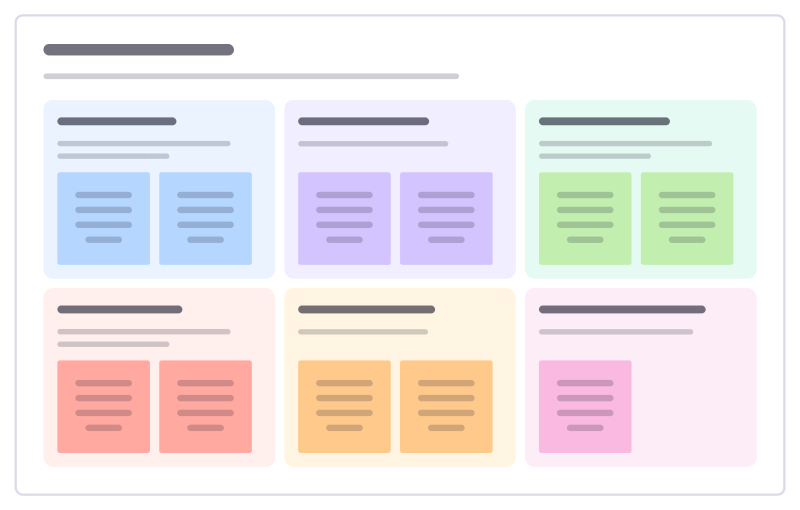
Working with me
A one-page guide to how you work best: hours, communication, feedback and the things that drain you, for teammates to read.
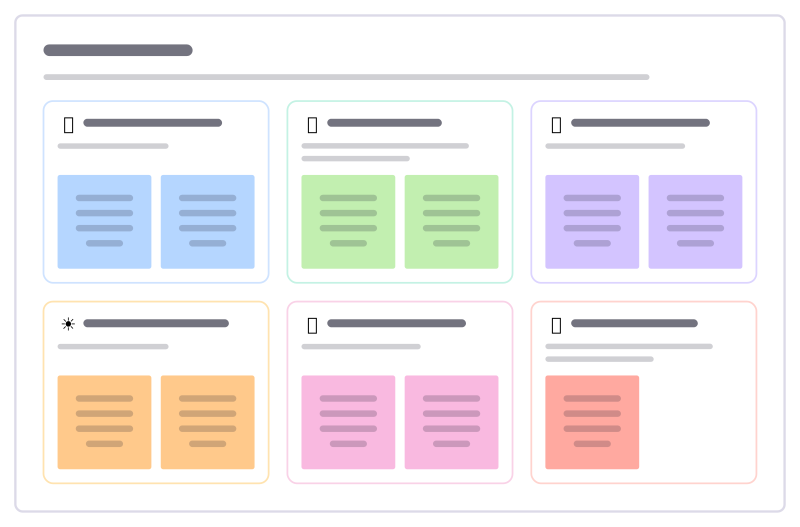
Kudos wall
A board for saying thank you in public: help that unblocked you, quiet work that mattered, someone who made the week better.
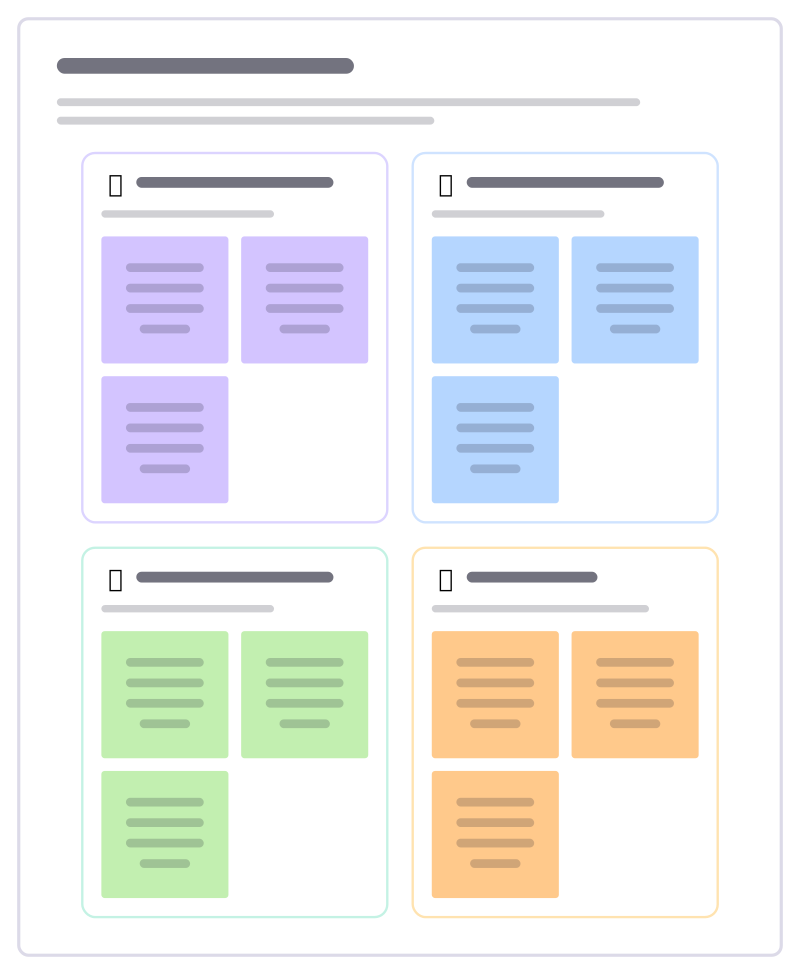
Team trading cards
Everyone makes a card about themselves: a superpower, what fuels them and a topic to ask them about. Good for new or growing teams.
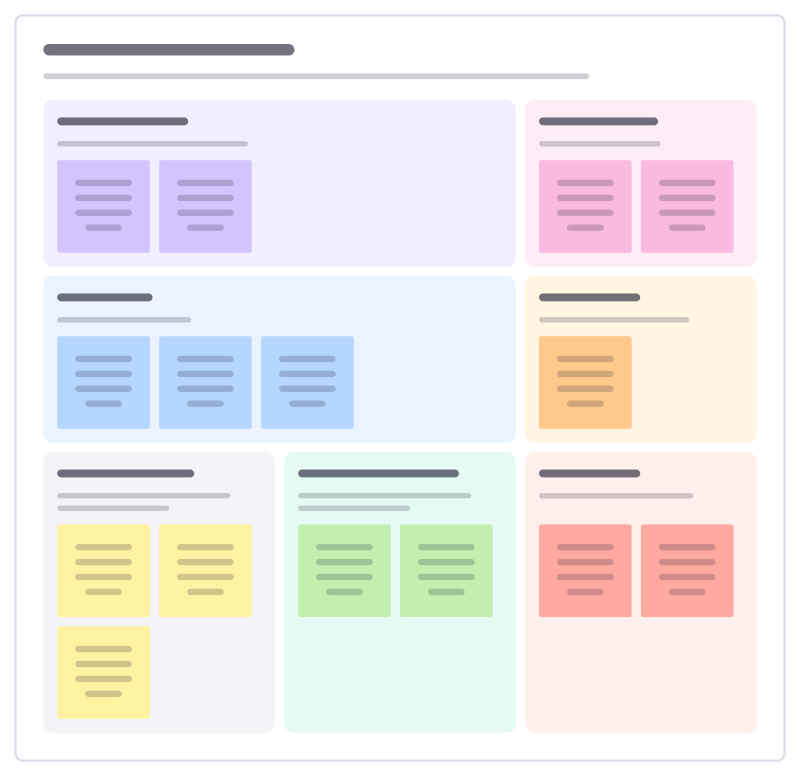
Policy drafting canvas
Draft a workplace policy people can follow: why it exists, who it covers, the rules, the exceptions and how it will be kept up.
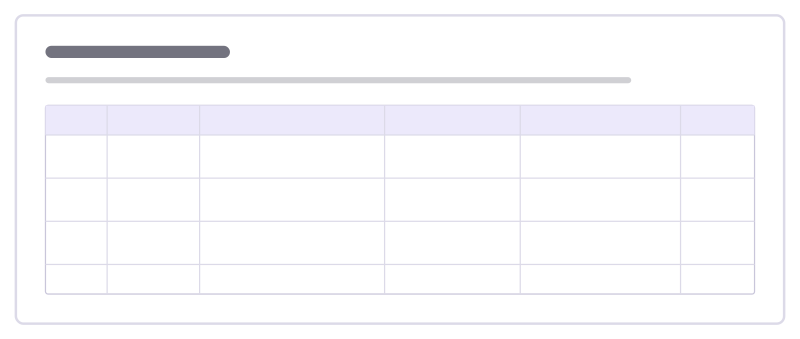
Near-miss log
Record the incidents that almost hurt someone, so the causes get fixed before the next one does.
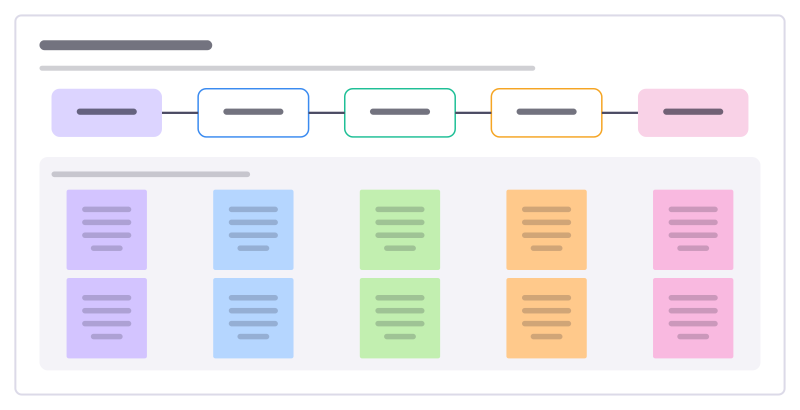
Work instruction
Show how to do one job at a station step by step, with the key point, the safety note and the quality check for each step.
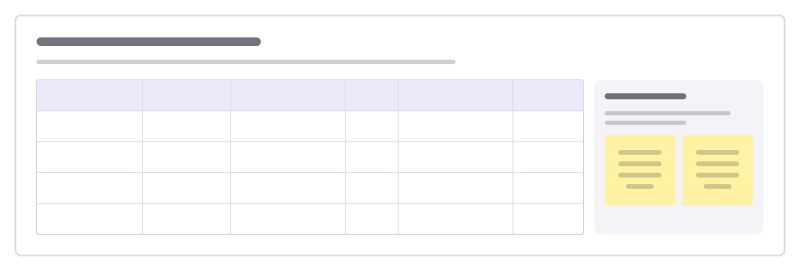
Workplace hazard assessment
List the hazards in a work area, who could be harmed, the controls in place and what more is needed, with owners and dates.
Bring your team and your agents to one board
Free to use, open source, and yours to host. No credit card, no seat count.