Templates
Operations templates
Map how work flows today, find where it breaks and fix the cause: value streams, process maps, five whys and failure modes, risk registers, and handovers for the day to day.
151 free templates · Editable · Works with Claude and ChatGPT · Page 1 of 3
Operations templates 1–60 of 151
Month-end close
Track every task needed to close the books each month, who owns it and what is waiting on someone else.
Expense claim process
Lay out how an expense goes from receipt to repayment, who checks what, and where claims get stuck or bounced back.
Cost saving ideas
Collect ideas to cut costs from everyone who spends money, then sort them by how much they save against how hard they are.
Software spend audit
List every paid tool, who owns it, what it costs and how many seats are used, then decide what to keep, merge or cancel.
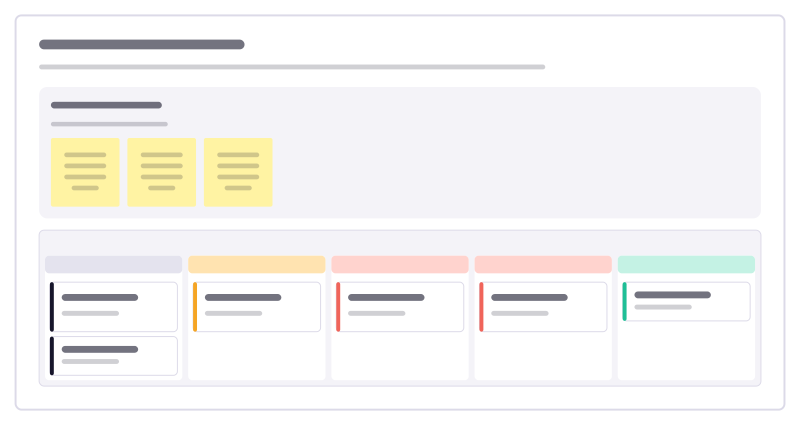
Invoice chasing board
Track unpaid customer invoices by how late they are, so the right reminder goes out at the right time and nothing is forgotten.
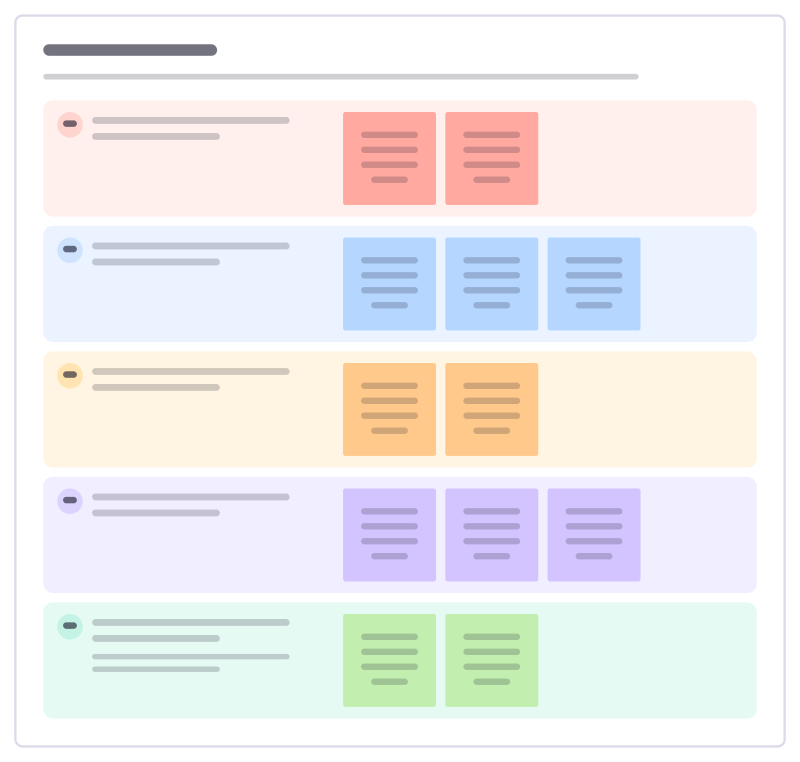
SBAR handover
Pass on a patient’s situation in four short parts, so the person taking over hears the facts, your view and what you need.
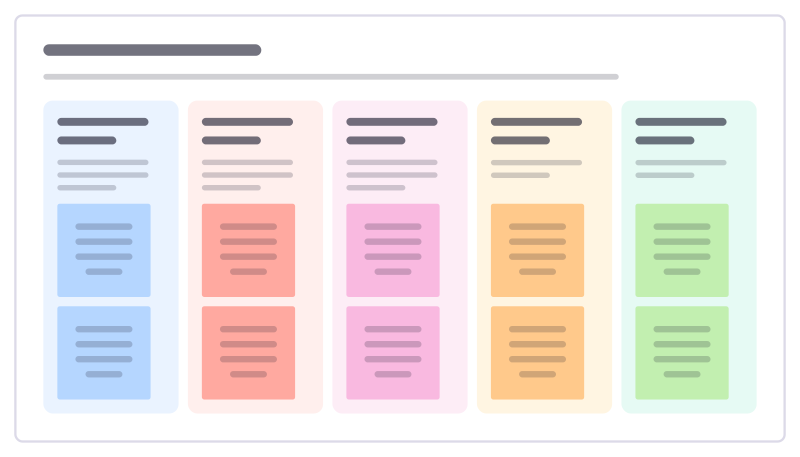
Ward safety huddle
A ten-minute stand-up at the start of each shift: who is at risk today, what went wrong yesterday and what the team needs.
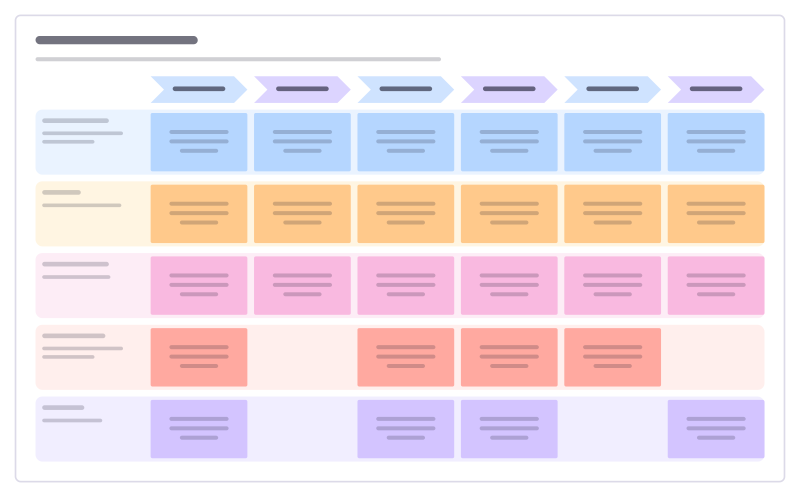
Patient pathway map
Follow one patient from referral to follow-up: what happens at each step, how long they wait, how it feels and what could be better.
Care plan review
Review a person’s care with them and the people around them: what matters to them, what support works and what changes next.
Discharge planning
Plan a patient’s safe return home from the day they arrive: what must be ready before, on and after the day they leave.
Patient safety incident review
Look at a patient safety event without blame: what happened, the factors around it and what the system should change.
Clinic flow and waiting times
Time each step of a clinic visit from arrival to leaving, so you can see where patients wait and which delay to fix first.
Clinical audit cycle
Run an audit against an agreed standard: pick the topic, collect the data, compare, change practice and audit again.
Patient feedback themes
Sort comments from surveys, complaints and thank-you cards into themes, so the team sees what patients raise most and acts on it.
Shift cover gaps
See every shift that is short of staff or skills in the coming weeks, and track how each gap will be filled before the day.
Quality improvement project
Set up a small improvement project in care: the aim, how you will measure it, the change ideas to test and who is involved.
Multidisciplinary case review
Bring every profession around one person’s case: updates, concerns, options and a clear decision with owners.
Telehealth visit workflow
Design how a remote consultation runs from booking to follow-up, including what happens when the video call fails.
Infection control audit
Walk a clinical area against its hygiene standards, record what you see and turn each miss into an action with an owner.
Value stream map
Follow one request through every step to delivery, with work time and wait time at each, to see where time really goes.
Improvement event plan
Plan a focused few days where a team fixes one process: scope, current state, ideas, changes tried and how they’re kept.
Workplace organisation audit
Score a work area on sort, set in order, shine, standardise and sustain, and agree the actions to lift each score.
Failure modes review
Go step by step through a process and ask how each step could fail, how bad it would be, how likely, and how you’d catch it.
Floor walk notes
Notes from walking where the work happens: what you saw, what people told you, problems spotted and what you’ll follow up.
Plan, do, check, act
Run one improvement as a cycle: plan the change, try it small, check the result against the prediction, then adopt, adapt or drop it.
Escalation matrix
Who to call, how fast, at each severity level: so nobody wonders at 2am whether to wake someone up.
Business continuity plan
Plan how the business keeps going when something big fails: critical activities, what could stop them, workarounds and who leads.
Support ticket themes
Group a month of support tickets into themes, with counts and examples, so product and ops fix the causes instead of answering forever.
Procurement request
Ask for a purchase with everything finance needs: what and why, options compared, cost, risks and the approvals required.
Office move plan
Move an office without losing a working day: choose and prepare the space, plan the move, do it, and settle in.
Event run of show
The minute-by-minute script for running a live event: segments, who’s on stage, what the crew does and the cues.
Supplier performance review
Review a supplier on delivery, quality, cost and service, with evidence, and agree improvements together.
Contract review checklist
Read a commercial contract with the same questions every time: who, what, money, liability, exit and data, with red flags marked.
Compliance obligations register
List the laws, licences and standards you must meet, what each requires, who owns it and the evidence that you comply.
Policy drafting canvas
Draft a workplace policy people can follow: why it exists, who it covers, the rules, the exceptions and how it will be kept up.
Records of processing
Keep a record of each activity that uses personal data: what data, why, on what basis, who it is shared with and how long it is kept.
Privacy impact assessment
Before a new project uses personal data, think through what it collects, the risks to the people involved and how to reduce them.
Audit readiness board
Get ready for an external audit: every piece of evidence the auditor asked for, who is gathering it and what is still missing.
Legal request intake
Log every request that comes to a small legal or contracts team, triage it by urgency and see who is working on what.
Contract renewal tracker
See every contract that renews or ends in the next year, its notice period and value, so no renewal happens by accident.
Regulatory change plan
Plan how you will meet a new or changed regulation: what it requires, the gaps today, the work and the date it comes into force.
Controls testing tracker
Test whether your internal controls actually work: what each control prevents, how it was tested, the result and the fix.
Vendor security review
Check a supplier before they get your data or systems: what they will access, how they protect it and what the contract must say.
Data retention schedule
Decide how long each kind of record is kept, why, where it lives and what happens to it at the end, then check that it happens.
Line balancing
Compare each station’s cycle time with takt time to find the bottleneck and move work until the line flows evenly.
Defect Pareto
Rank defect types by how often they happen, see which few cause most of the scrap, and pick where to start fixing.
Corrective action report
Work a quality problem through to closure: describe it, contain it, find the root cause, fix it and prove the fix holds.
Changeover reduction
Cut the time a machine stands still between products by sorting each changeover step and moving work outside the stop.
Preventive maintenance plan
List each machine’s routine maintenance tasks with how often, who does them and when they are next due, so breakdowns get rarer.
Near-miss log
Record the incidents that almost hurt someone, so the causes get fixed before the next one does.
Equipment effectiveness review
Find where a machine loses productive time: stops, running slow and making bad parts, and pick the biggest loss to attack.
First article inspection
Check the first part off a new setup or tool against every drawing requirement before the batch runs.
Work instruction
Show how to do one job at a station step by step, with the key point, the safety note and the quality check for each step.
Supplier quality complaint
Raise a defect found in supplied parts with the evidence, what you have contained, the cost and what you need back from the supplier.
Daily tier meeting
A short stand-up board for a production team: yesterday’s safety, quality, delivery, cost and people issues and who acts today.
Inventory ABC classification
Sort stock items by the value they move each year, so the few that matter most get the closest control and counting.
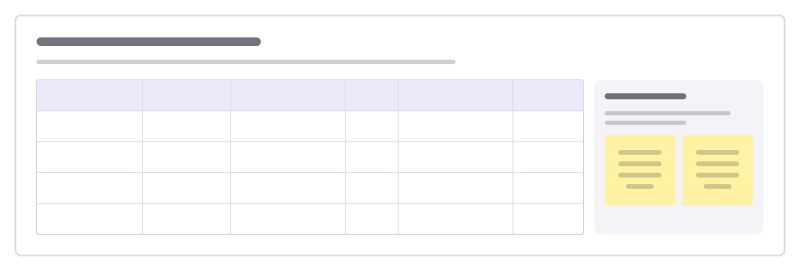
Workplace hazard assessment
List the hazards in a work area, who could be harmed, the controls in place and what more is needed, with owners and dates.
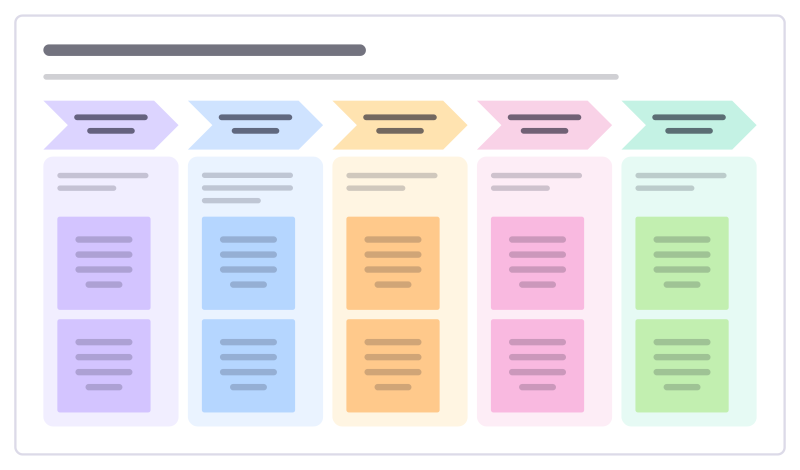
New product introduction gates
Take a new product from concept to full-rate production through gates, with what must be true before each one is passed.
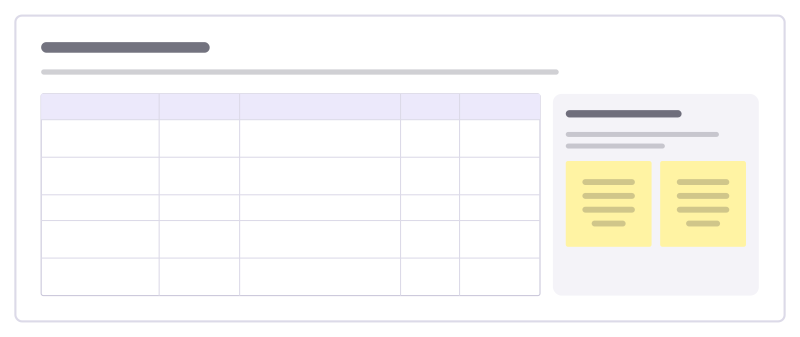
Volunteer rota
See who covers each volunteer shift over the week, where you still need people and who leads each session.
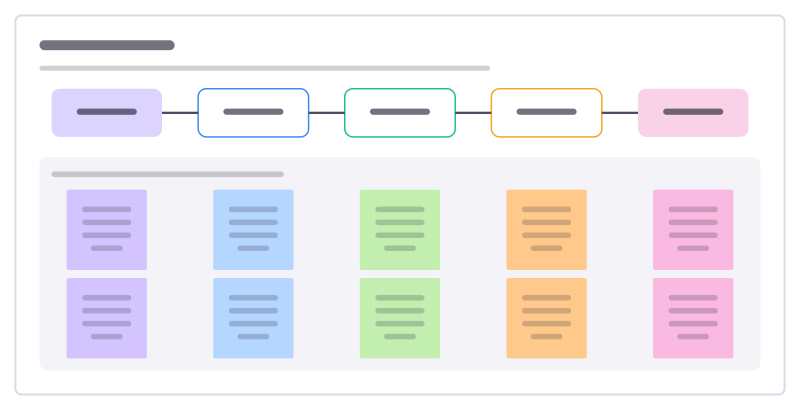
Process map
Lay out how a piece of work really flows today, step by step, with who does it, the tools involved and where time is lost.
Bring your team and your agents to one board
Free to use, open source, and yours to host. No credit card, no seat count.