Templates
Consulting templates
Frameworks for structuring a problem and the analysis behind a recommendation: break the question down, track hypotheses, scan the environment and compare scenarios with the client in the room.
23 free templates · Editable · Works with Claude and ChatGPT
All 23 consulting templates
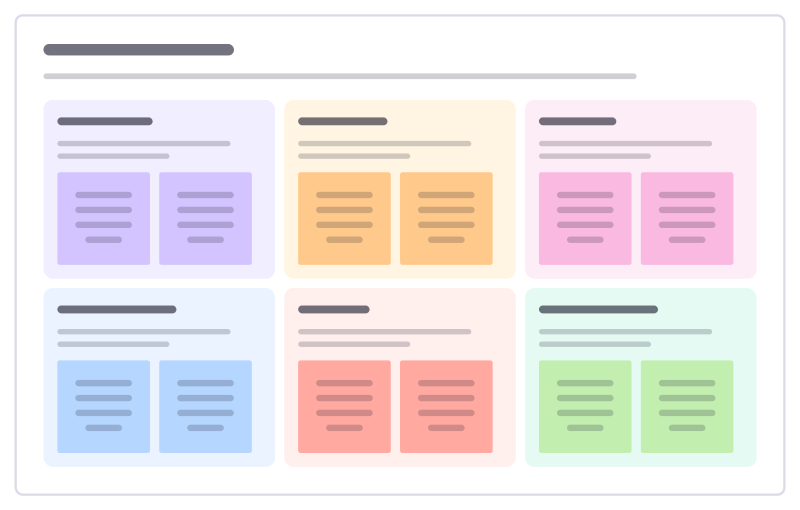
PESTLE analysis
Scan the outside world in six lenses: political, economic, social, technological, legal and environmental forces that could affect you.
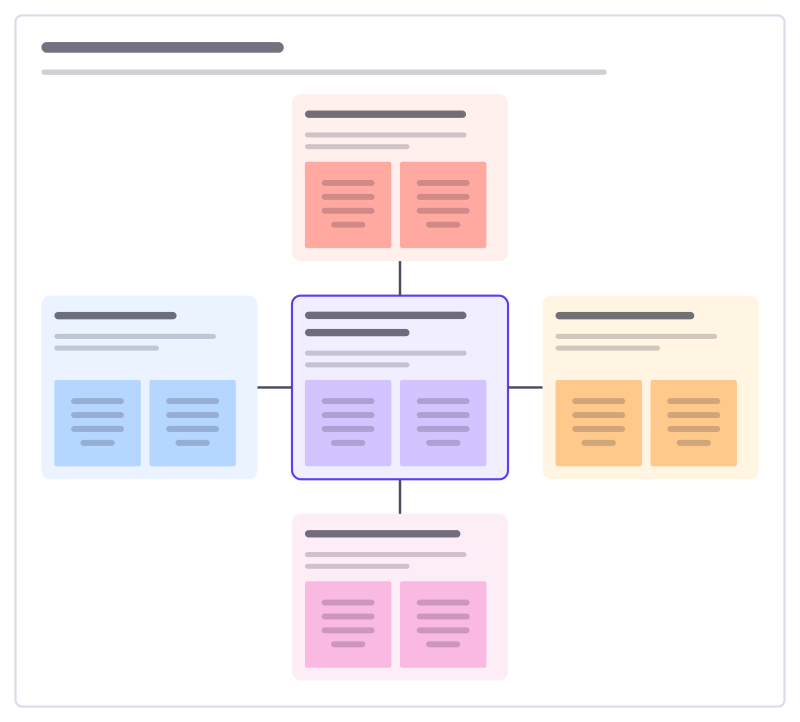
Five competitive forces
How attractive is a market? Look at rivals, new entrants, substitutes and the bargaining power of buyers and suppliers.
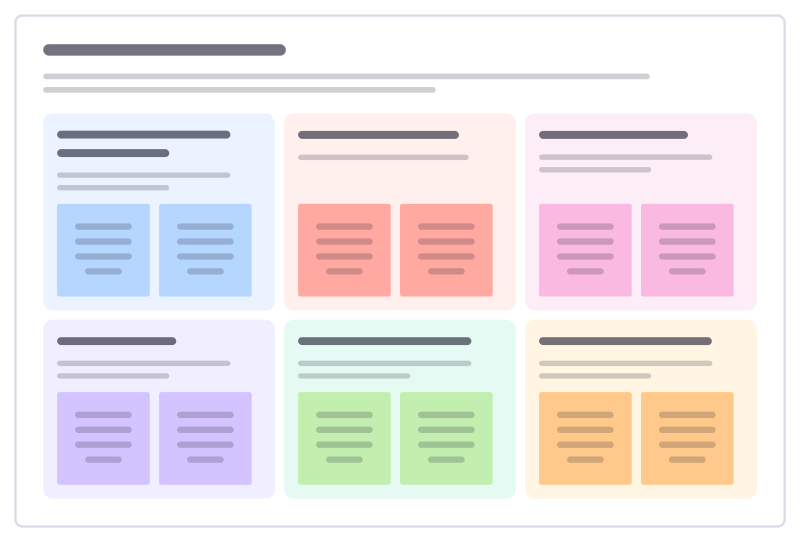
Value proposition fit
Line up what customers are trying to get done, what gets in their way and what they wish for, against what you offer and how it helps.
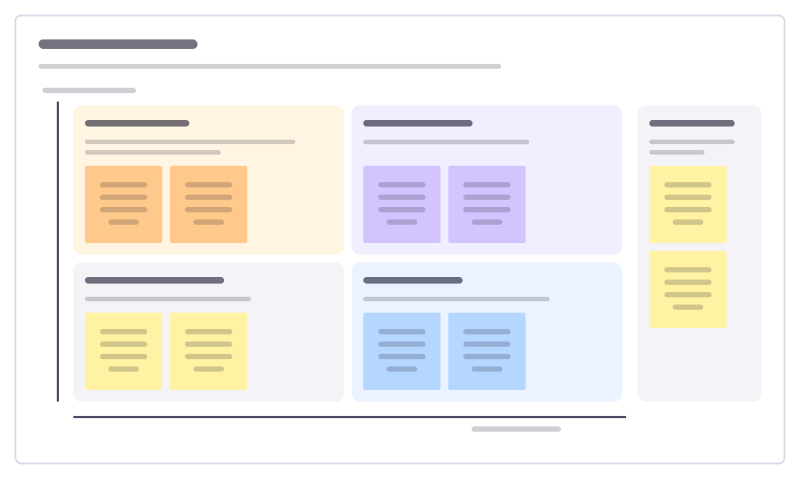
Stakeholder map
Place everyone affected by a change by their influence and interest, then decide how closely to involve each group.
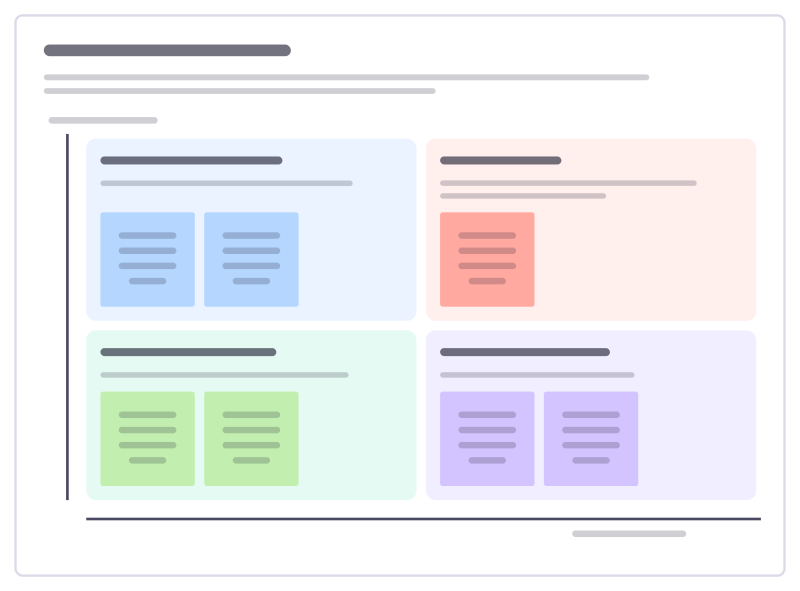
Growth options matrix
Four ways to grow: sell more of what you have, build new things for current customers, take what you have to new markets, or do both.
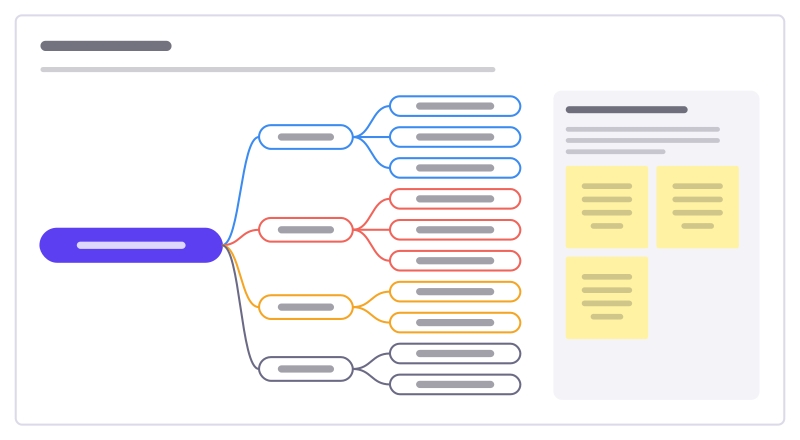
Issue tree
Break a big question into smaller ones that don’t overlap and together cover it, so a team can split the work and test each part.
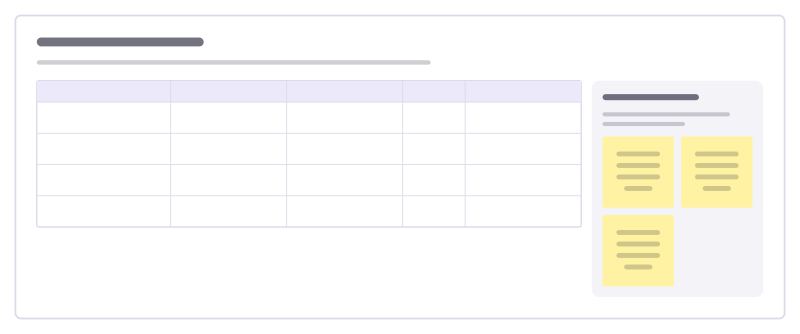
Hypothesis tracker
Keep every working hypothesis in one table with the evidence for and against, how confident you are and the next test.
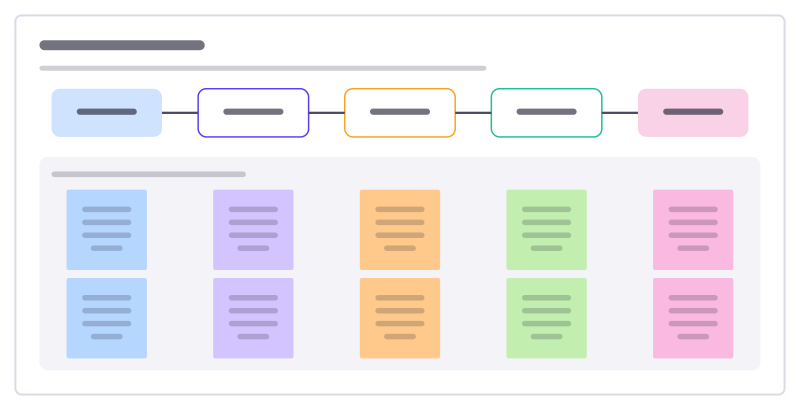
Value chain map
Follow how your organisation turns inputs into something customers pay for, step by step, and mark where you add or lose value.
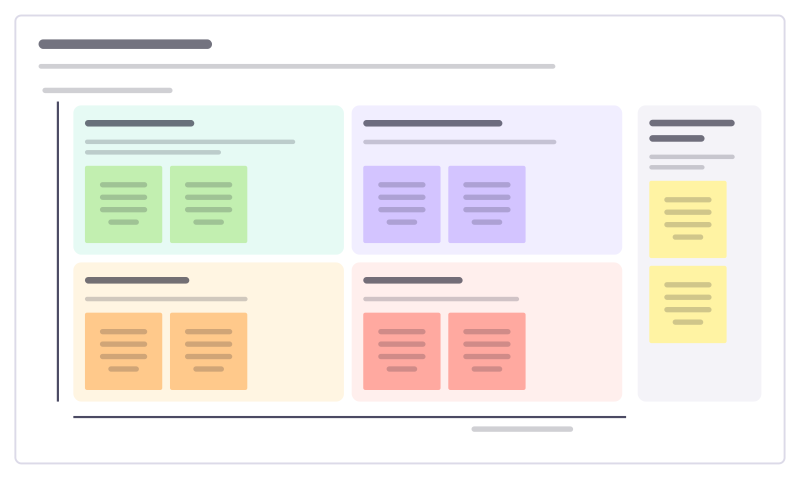
Scenario planning
Pick the two biggest uncertainties about the future, cross them, and describe the four worlds that result, so plans hold up in each.
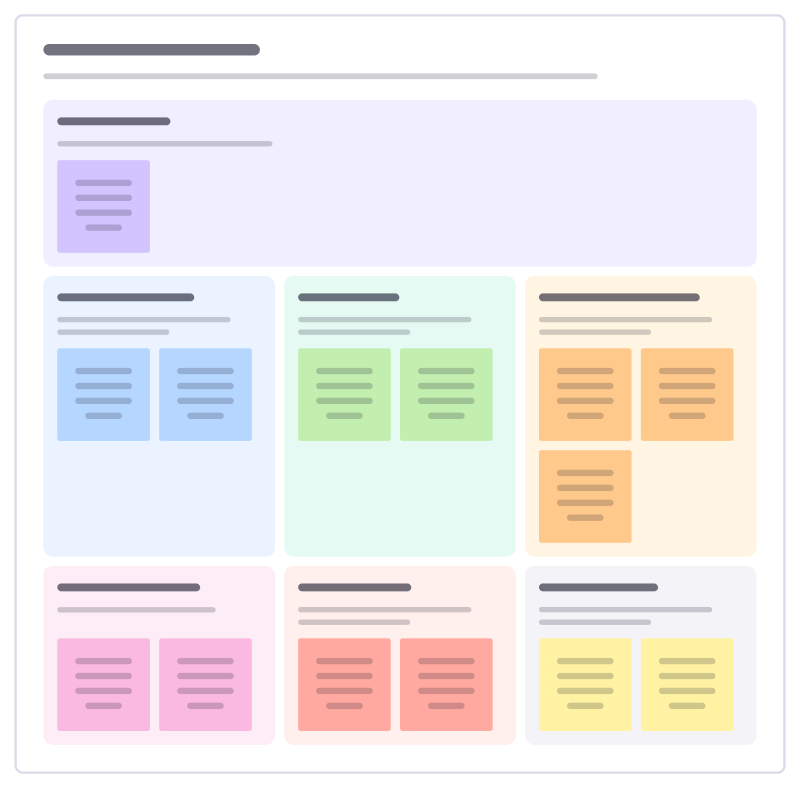
Strategy on a page
The whole strategy on one board: why you exist, where you compete, why you win, the few priorities, how you measure them and what you stop.
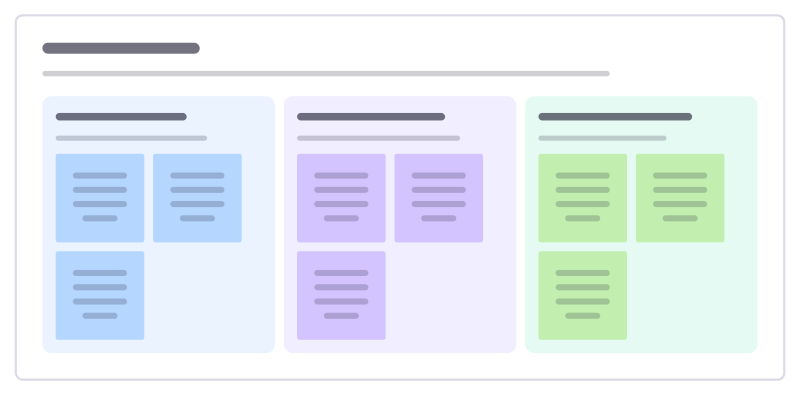
Gap analysis
Describe where you are today, where you want to be, and the concrete steps that close the gap between the two.
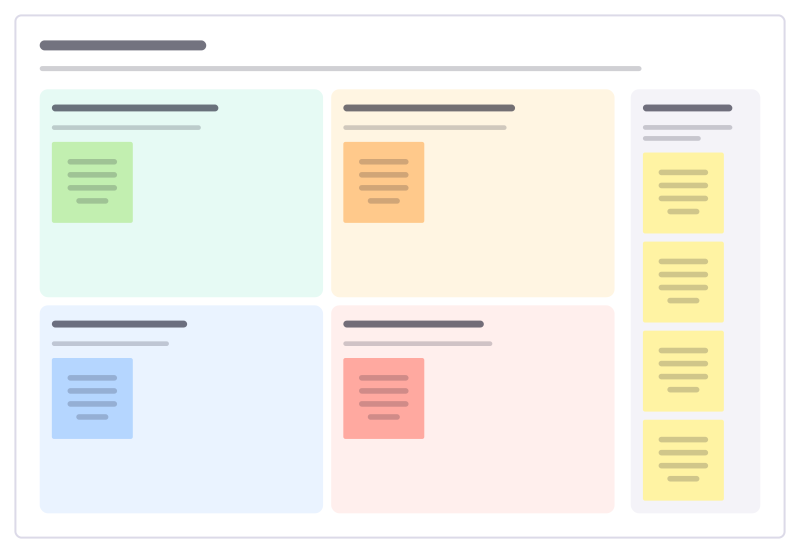
SWOT to actions
Turn a finished SWOT into moves: use strengths on opportunities, fix weaknesses that block them, and defend against threats.
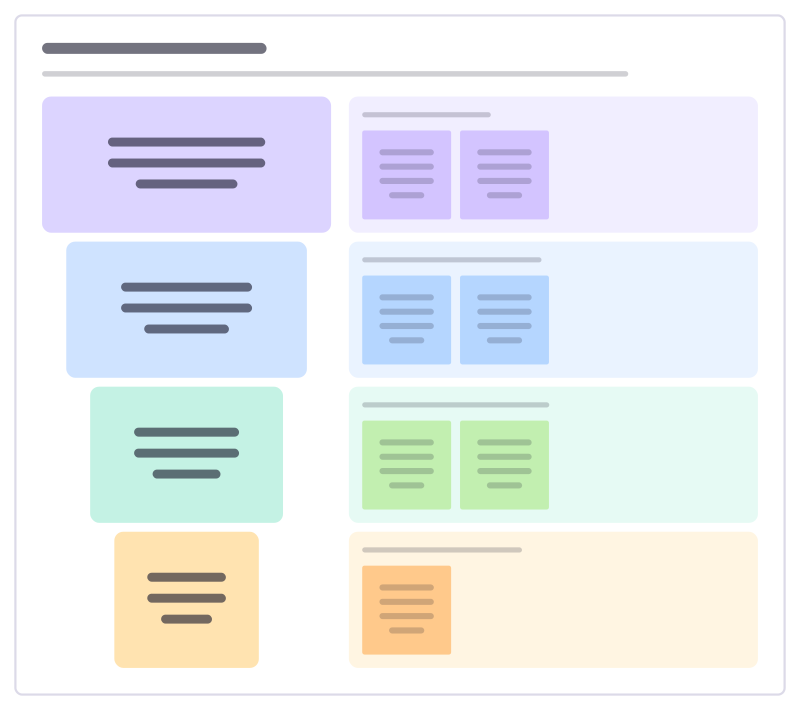
Market sizing funnel
Size a market from everyone who could buy down to who you can realistically win in year one, with the assumption behind each cut.
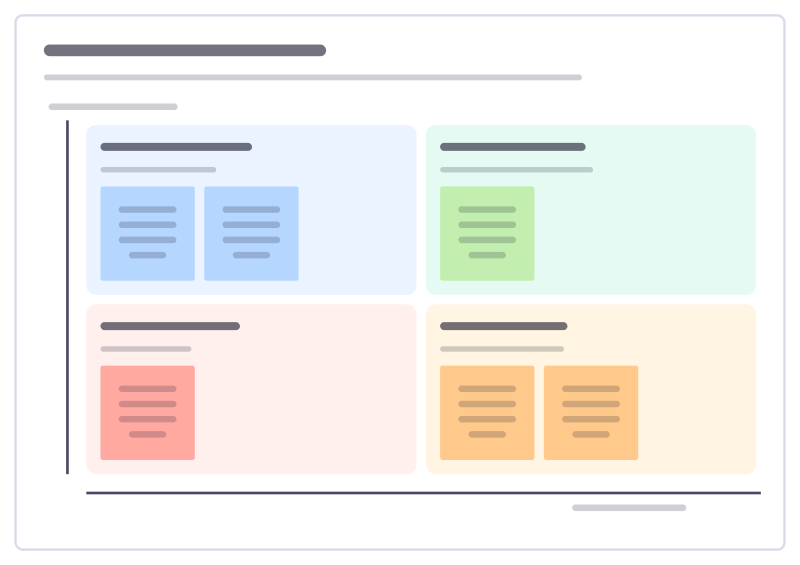
Competitive landscape map
Place competitors on the two dimensions customers care about most, to see where the market is crowded and where there’s room.
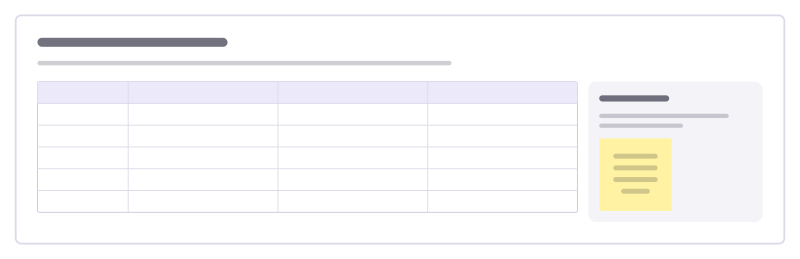
Build, buy or partner
Compare building a capability yourself, buying it, or partnering for it, on cost, speed, control and risk.
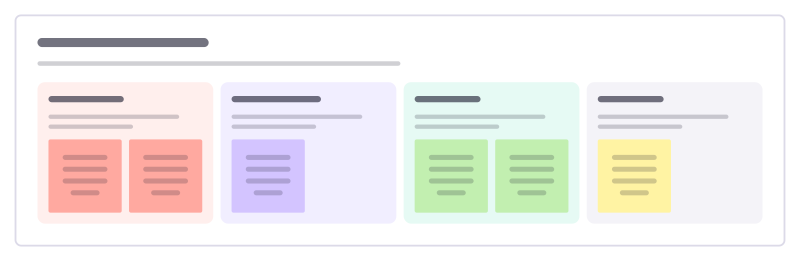
Strategy diagnosis
Build a strategy from the problem up: what’s really going on, the approach we’ll take, the actions that follow, and what we stop.
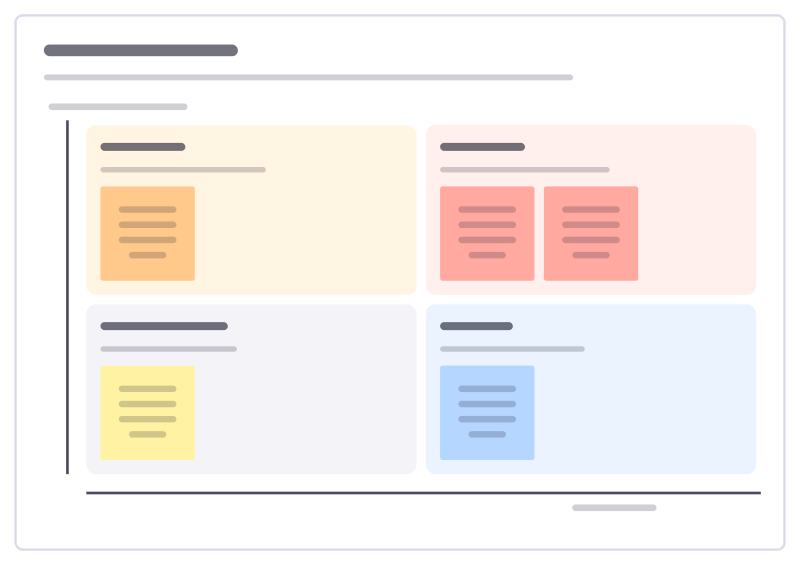
Trends to watch
Sort the trends that could change your market by how soon they arrive and how much they would matter, and decide what to do about each.
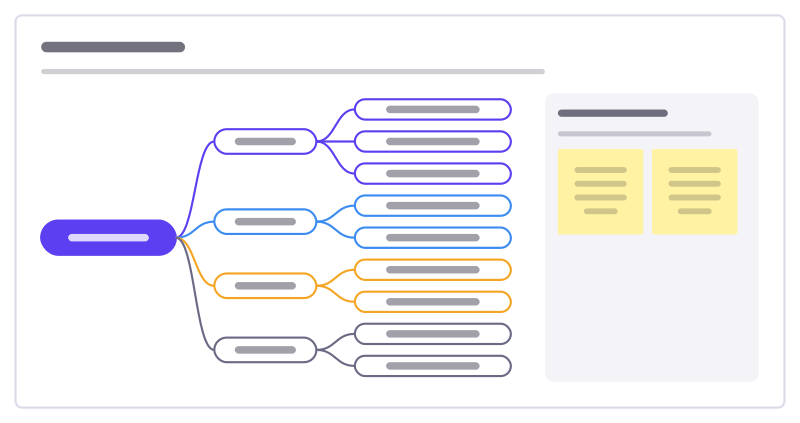
Option tree
Lay out the options for a big decision as a tree, so the team sees every path before arguing for one.
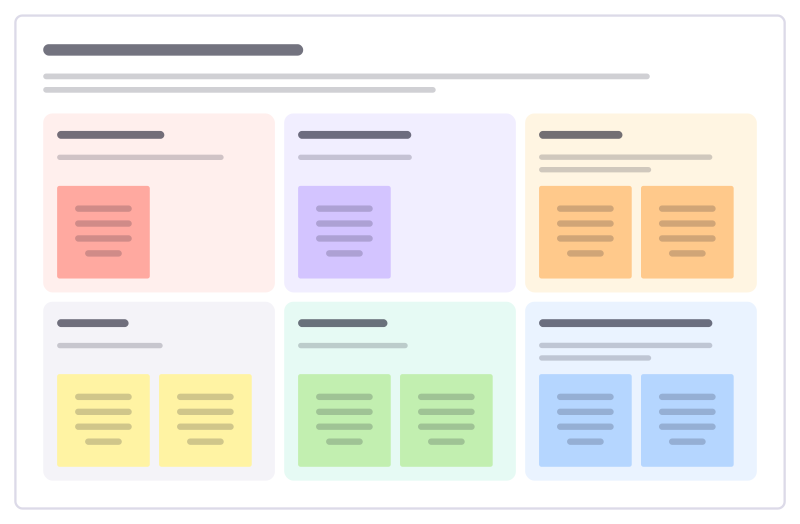
Business case on a page
Make the case for an investment on one page: the problem, the proposal, costs, benefits, risks and what you ask for.
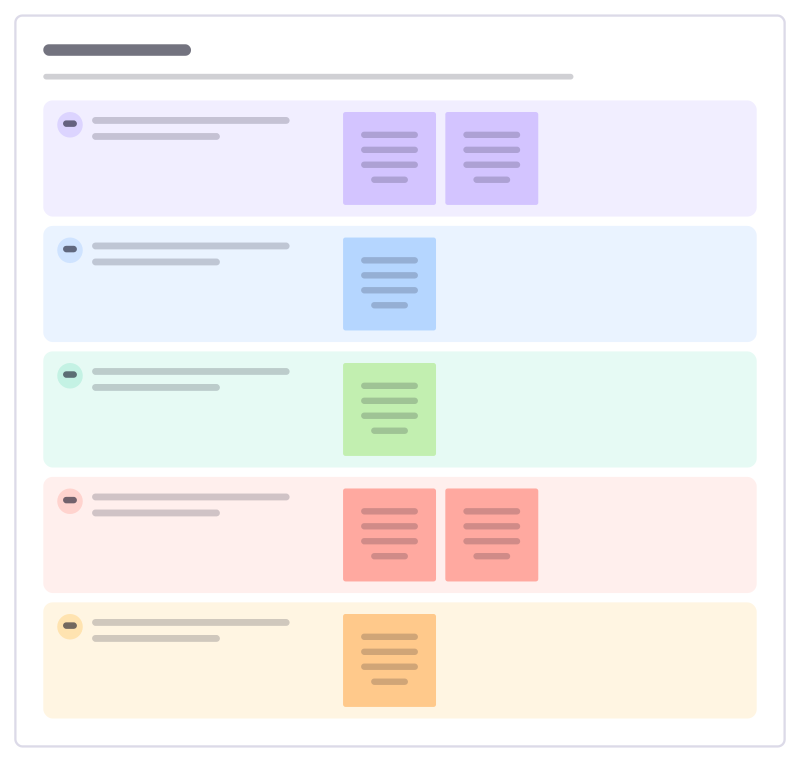
Moat check
Test honestly what would stop a well-funded rival from copying you, and which advantages you should strengthen.
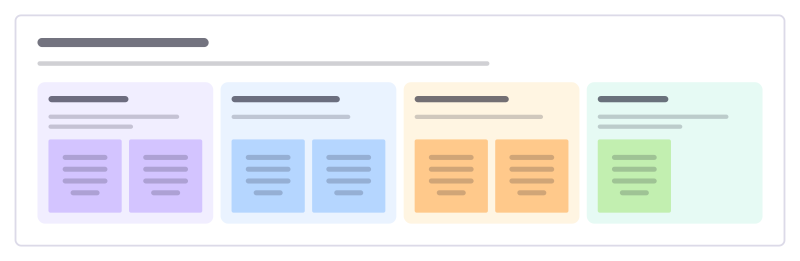
Org design options
Compare ways of organising teams around the work: what each option optimises for, what it costs and who it affects.
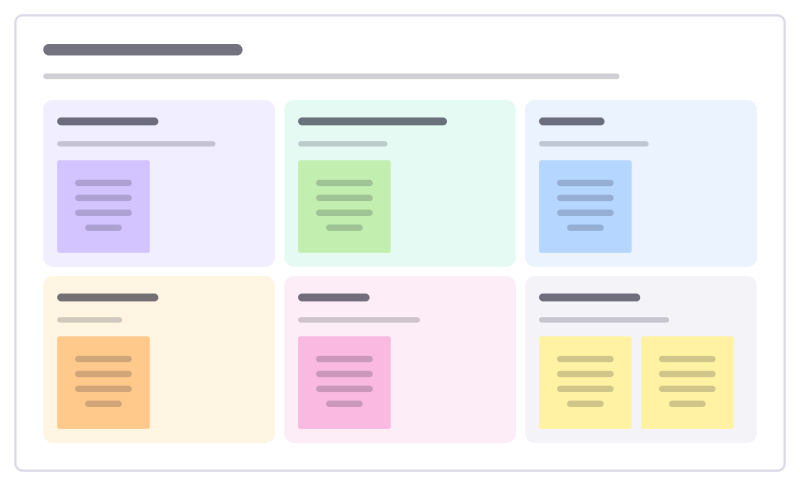
Proposal outline
Structure a sales proposal around the customer: their goals, the recommended solution, plan, price, proof and next steps.
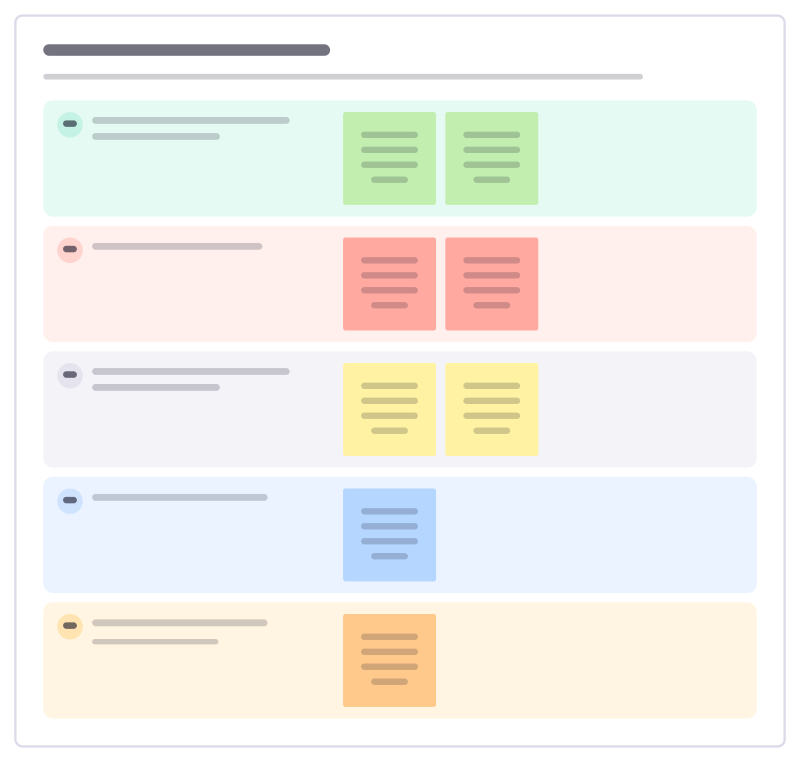
Stakeholder interview plan
Interview the people inside the company who shape a project: their goals, worries, constraints and what success looks like to them.
Bring your team and your agents to one board
Free to use, open source, and yours to host. No credit card, no seat count.