Templates
Planning templates
Lay out who does what by when: project charters and timelines, Gantt charts and milestones, OKR trees, budgets, and status reports that keep everyone up to date.
170 free templates · Editable · Works with Claude and ChatGPT · Page 1 of 3
Planning templates 1–60 of 170
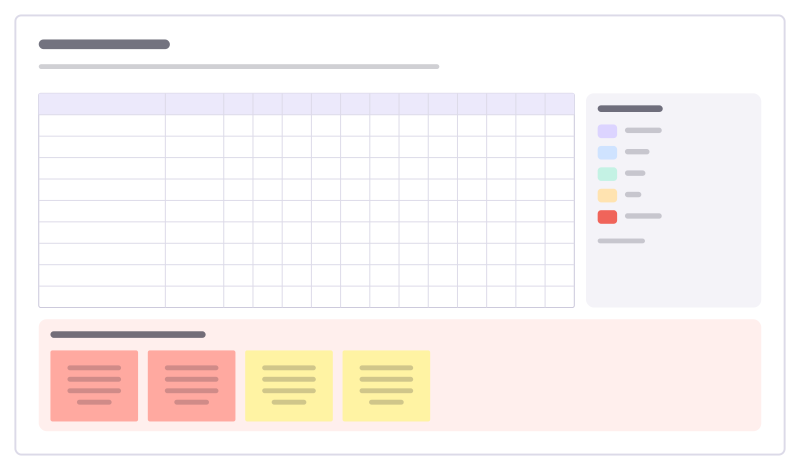
Gantt chart
Tasks against twelve weeks as colored bars in a table, with owners, a launch milestone and risks.
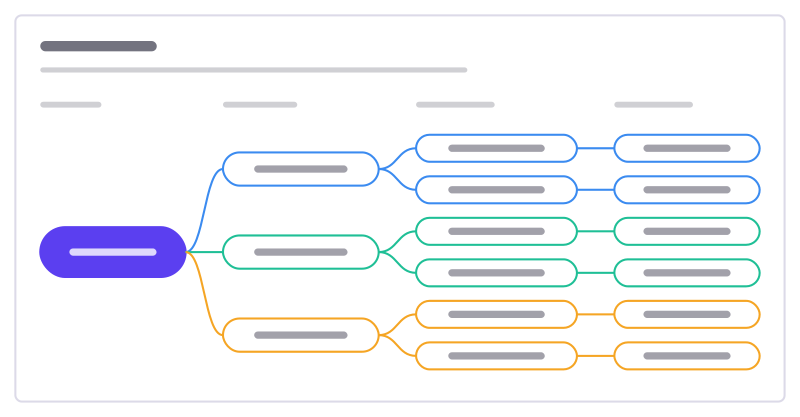
OKR tree
A mission broken into objectives, measurable key results and the initiatives behind them.
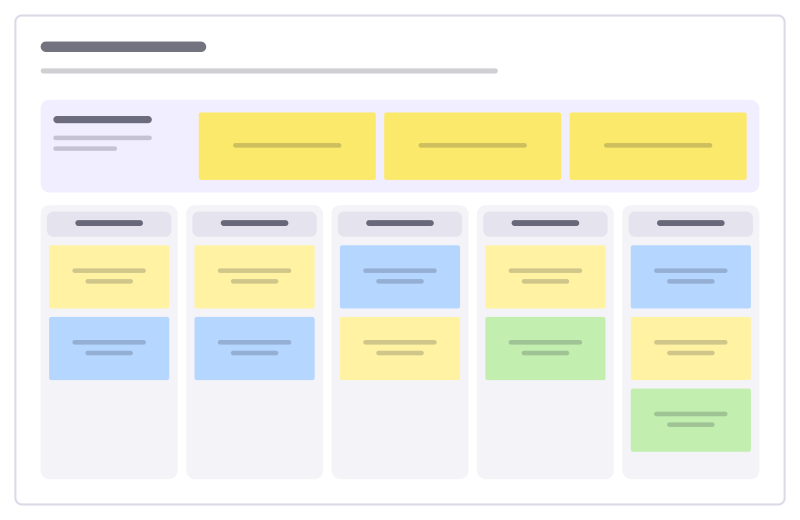
Weekly planner
Top three priorities plus a column per weekday for meetings, focus work and wins.
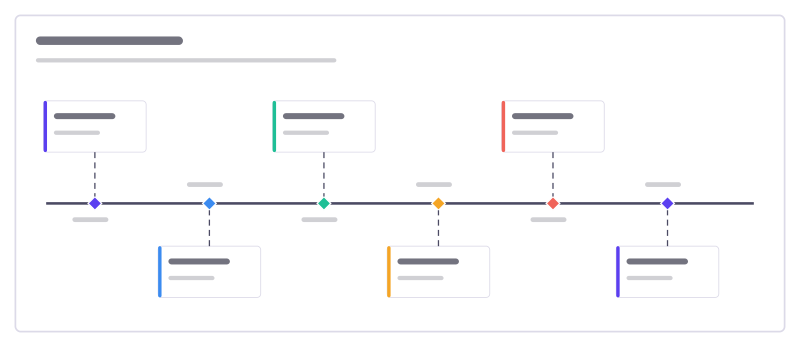
Project timeline
Six milestones along a time line, with what happens at each and who is involved.
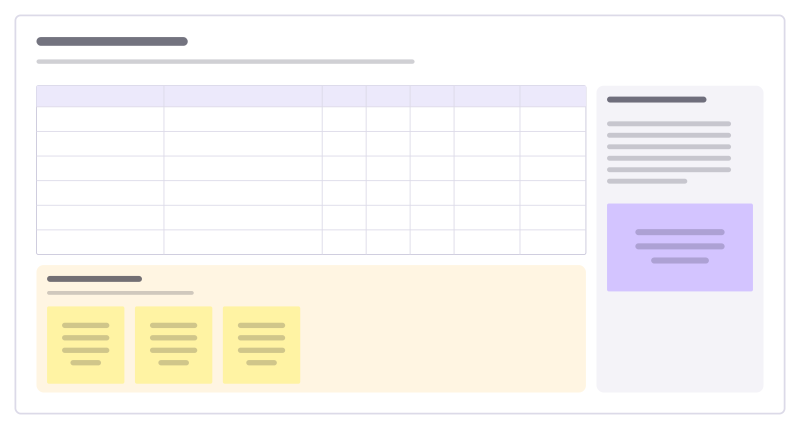
OKR tracker
Key results with start, target and current values, confidence and owners, plus check-in notes.
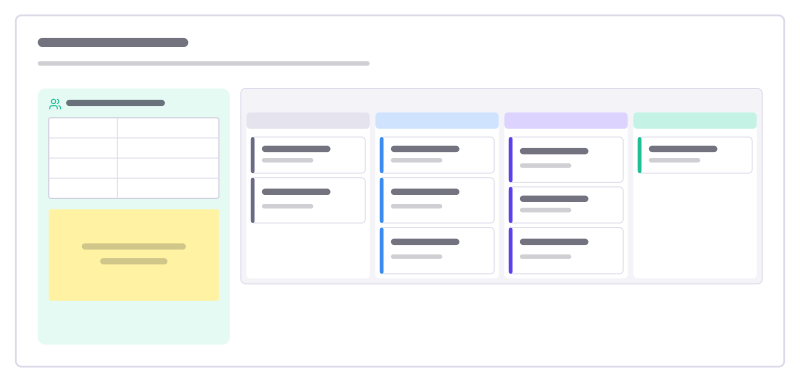
Onboarding plan
A new hire’s first month as a kanban checklist, with the people to know and questions to ask.
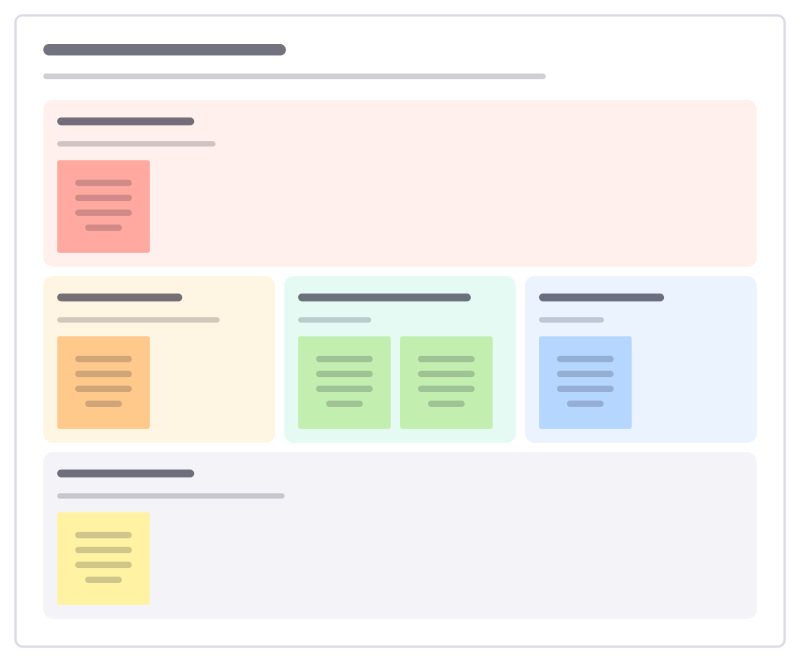
Project status report
A one-page status update: overall health, progress since last time, what’s next, risks and decisions needed from readers.
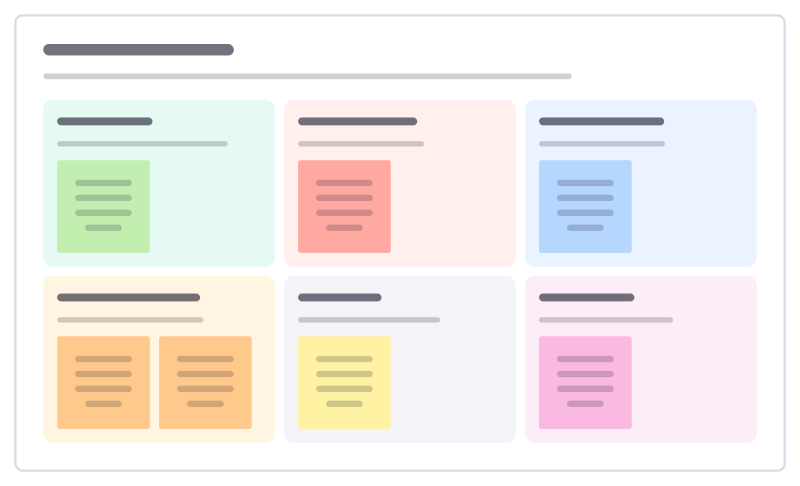
Project closure
Close a project formally: confirm what was delivered, hand over to owners, release people and budget, and archive what matters.
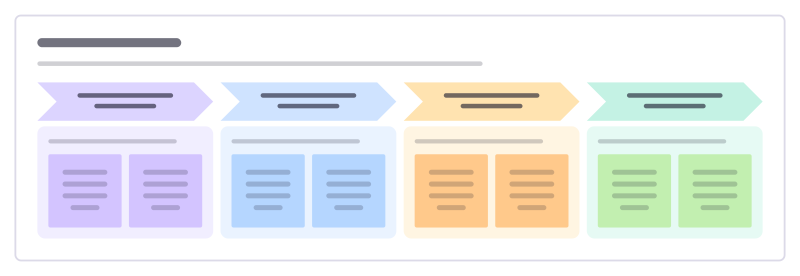
Milestone plan
Plan a project by its milestones: what is true when each one is reached, the date, the owner and how you check it.
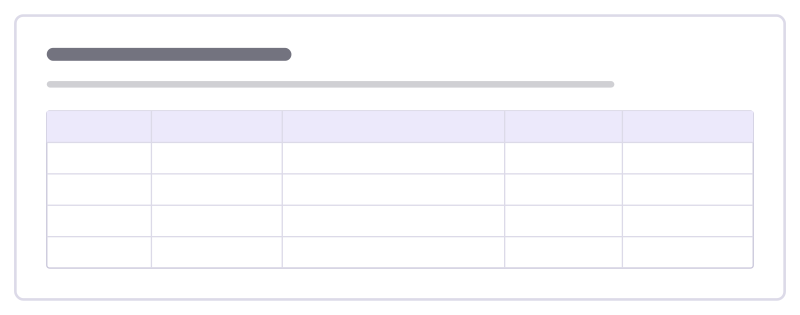
Holiday cover plan
Plan who covers whom over a holiday period: dates away, what needs covering, the cover person and the handover notes.
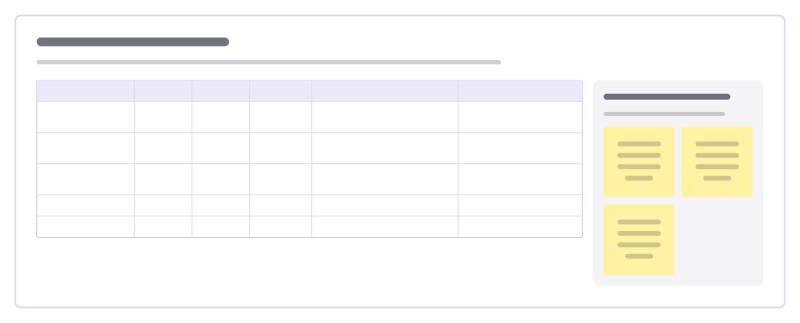
Budget variance review
Compare what each budget line actually spent with the plan, explain the big gaps and agree what to do about them.
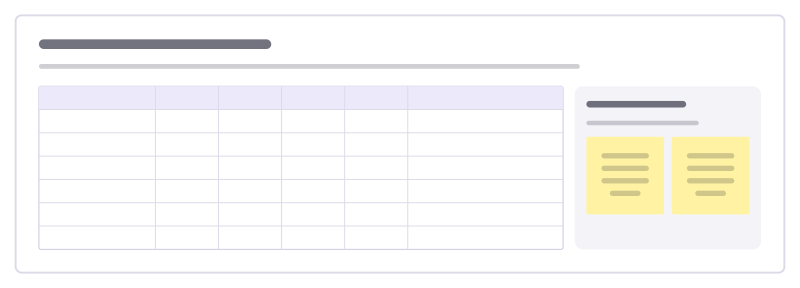
Weekly cash flow forecast
Forecast the money coming in and going out week by week for the next quarter, so you see a cash crunch before it arrives.
Financial scenarios
Set a downside, base and upside case for next year’s numbers, and agree the early signs that tell you which one you are in.
Annual budget cycle
Plan next year’s budget round: guidance from the top, team drafts, challenge sessions, approval and how it is shared.
Revenue forecast by stream
Forecast each revenue stream quarter by quarter, with how confident you are and the assumption behind every number.
Small business health check
A quarterly look at a small business’s money: cash, margins, who owes you, what you owe and the one fix to make next.
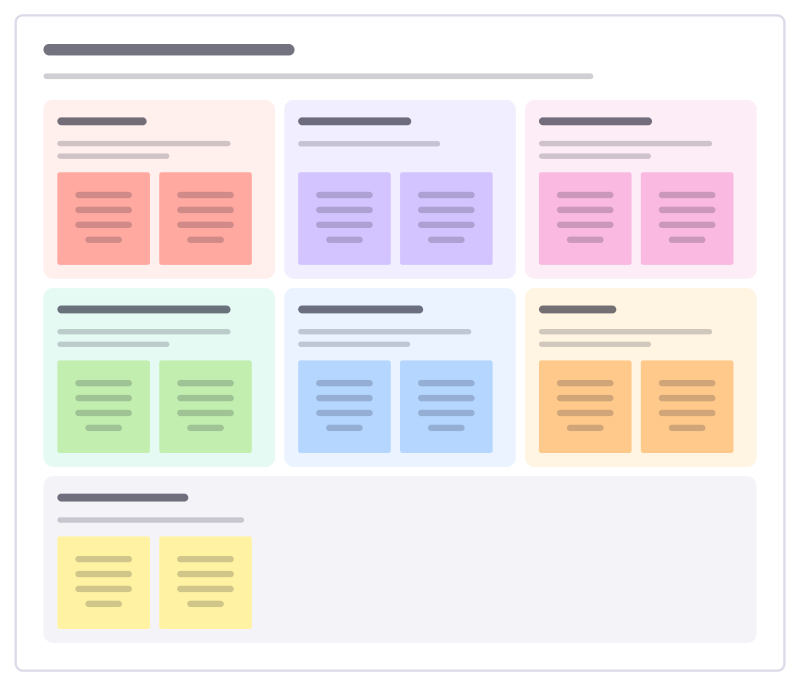
Grant proposal outline
Plan a grant application before writing it: the need, your approach, who benefits, what you will measure, the budget and why you.
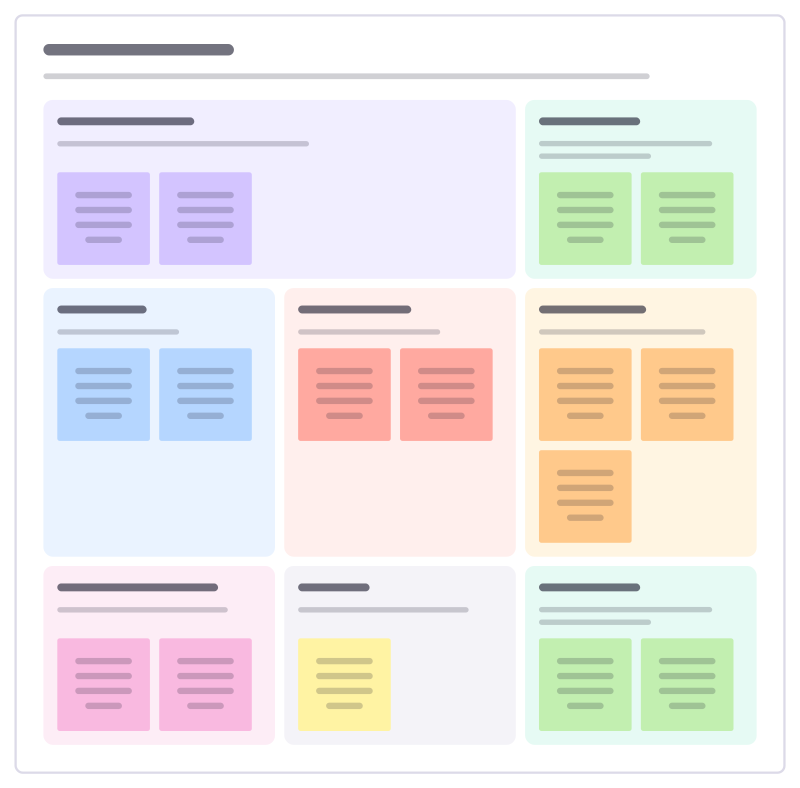
Project charter
The agreement a sponsor signs before work starts: why the project exists, what is in and out, who decides and what done means.
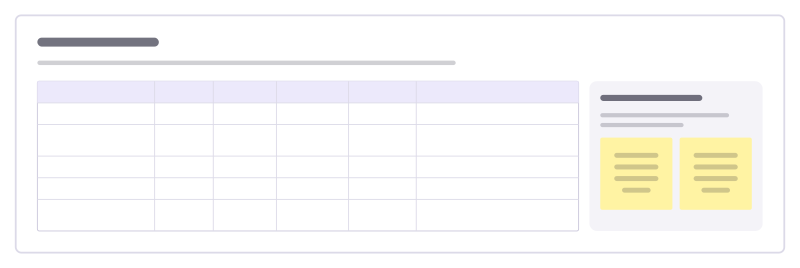
Budget plan
Planned against actual spend per line, with variance and a note for each gap, so budget talks start from the same numbers.
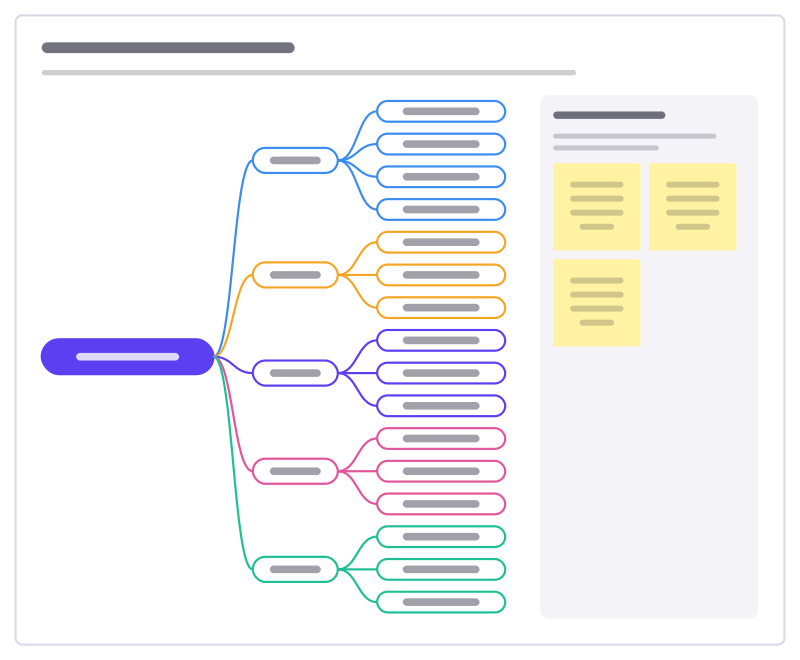
Work breakdown structure
Break a project’s deliverable into the pieces of work it takes, level by level, until each piece can be estimated and owned.
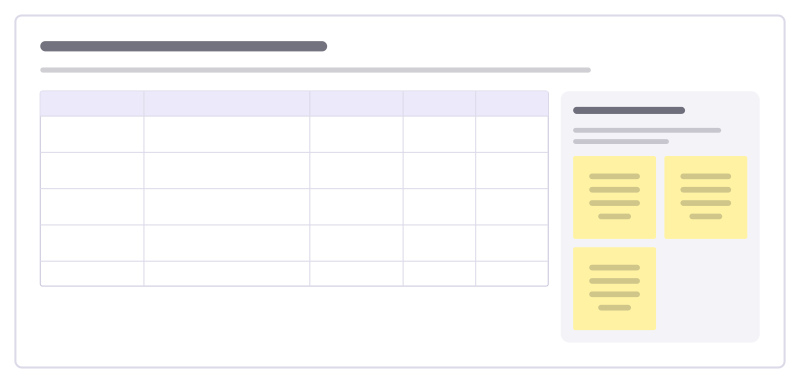
Stakeholder communication plan
Decide who needs to hear what about the project, how often, through which channel and who sends it, so nobody is surprised.
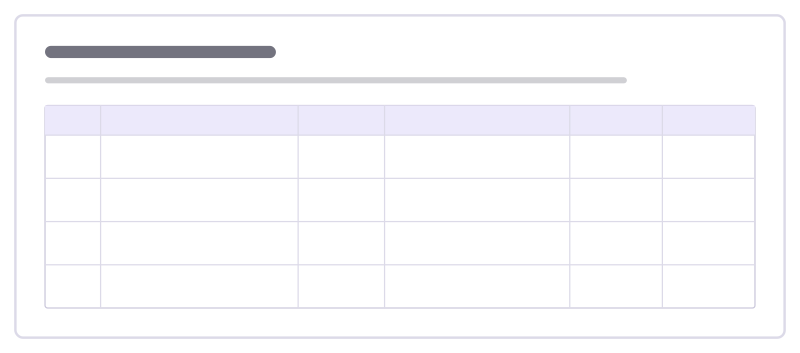
Change request log
Record every request to change scope, dates or budget, what it would cost, who decided and what was agreed, in one place.
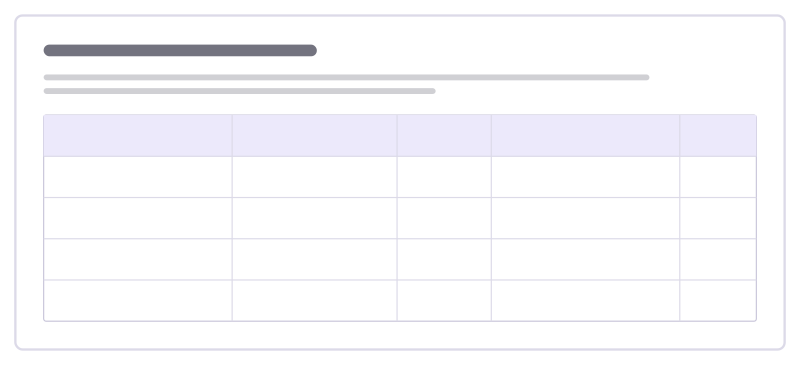
Lessons learned register
Collect lessons while a project runs, not just at the end: what happened, why, what to repeat or avoid, and who will make sure it sticks.
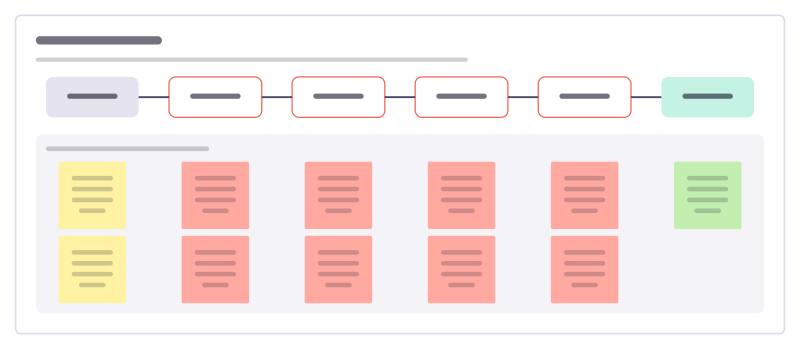
Critical path
Line up the chain of tasks that sets the earliest finish date, with how long each takes, so you know where a delay moves the whole project.
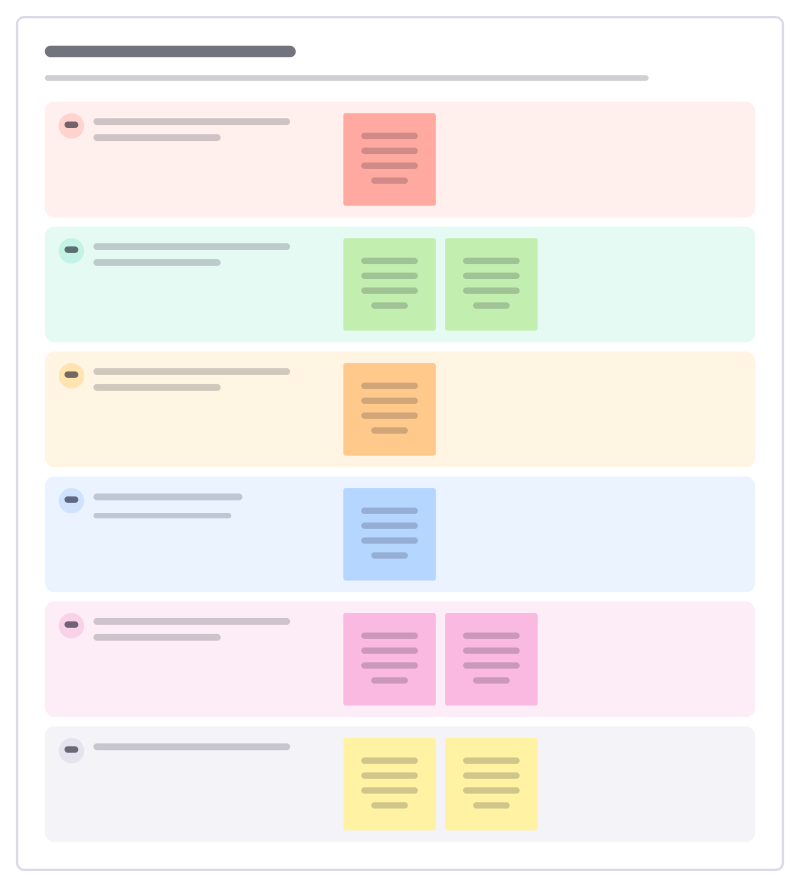
Project intake request
A standard request for new projects: the problem, the expected benefit, urgency, rough size and sponsor, so requests can be compared fairly.
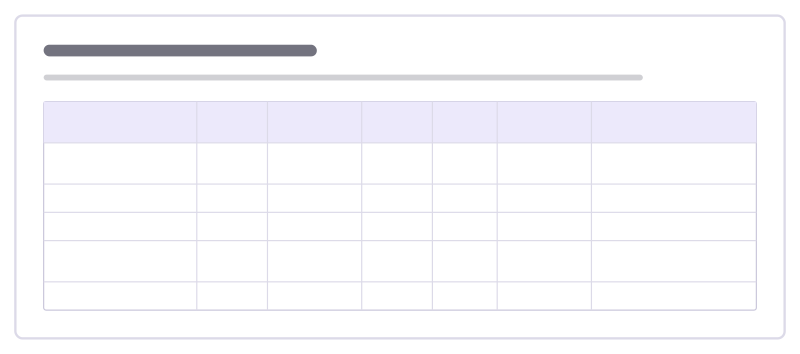
Portfolio prioritisation
Rank competing projects by value, strategic fit, cost and risk, then decide which to start, which to wait and which to stop.
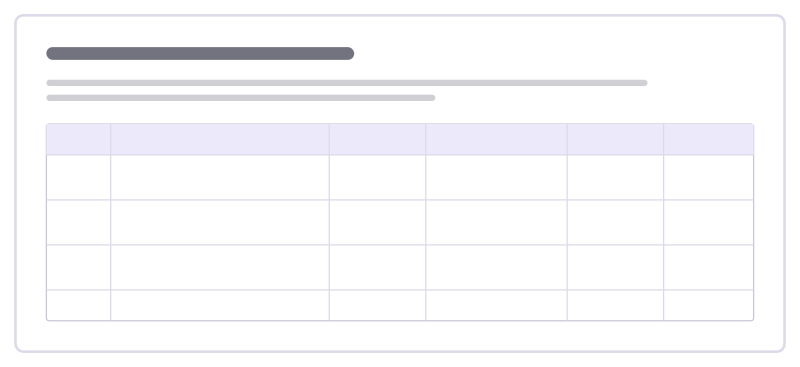
Requirements traceability
Trace each requirement to the design that meets it, the test that proves it and its status, so nothing agreed is forgotten at sign-off.
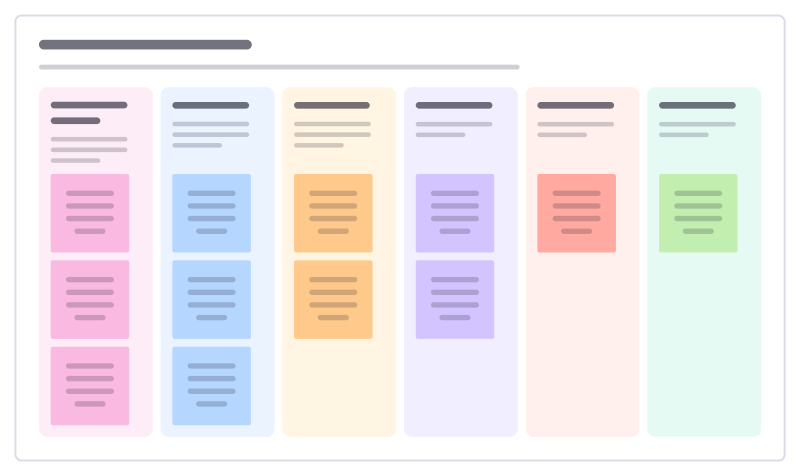
Handover to operations
Check a project is ready to hand to the team who will run it: support, documents, training, monitoring and open issues agreed.
Issue log
Track the problems that are already hurting the project: what is wrong, how badly, who is fixing it and by when.
Go-live cutover plan
Run a business system go-live hour by hour: each step, who does it, how you check it worked, and the point of no return.
Restaurant opening plan
Count down to opening a restaurant or café: licences, fit-out, menu, hiring, training and soft launch, with what is due when.
Kanban board
To do, Doing and Done columns with task cards and a work-in-progress limit.
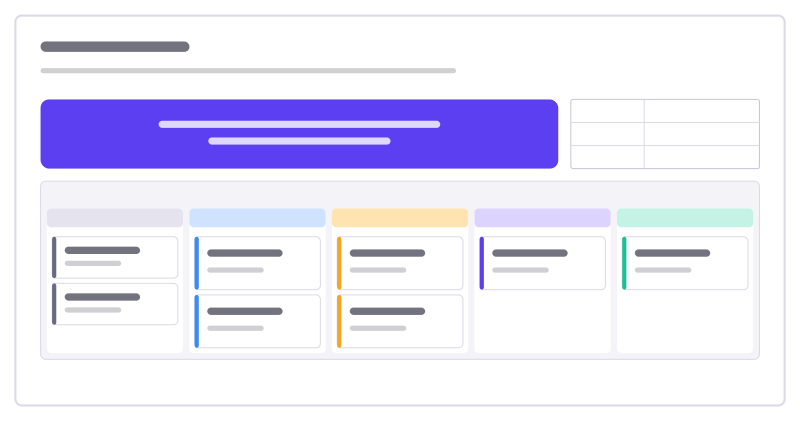
Sprint board
The sprint goal and facts on top, a five-column task kanban with WIP limits below.
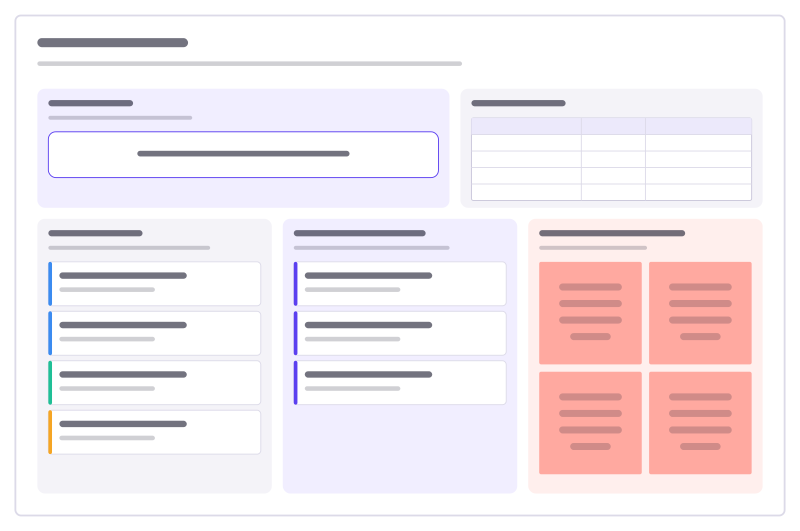
Sprint planning
Sprint goal, team capacity, the ready backlog, what you commit to, and the risks.
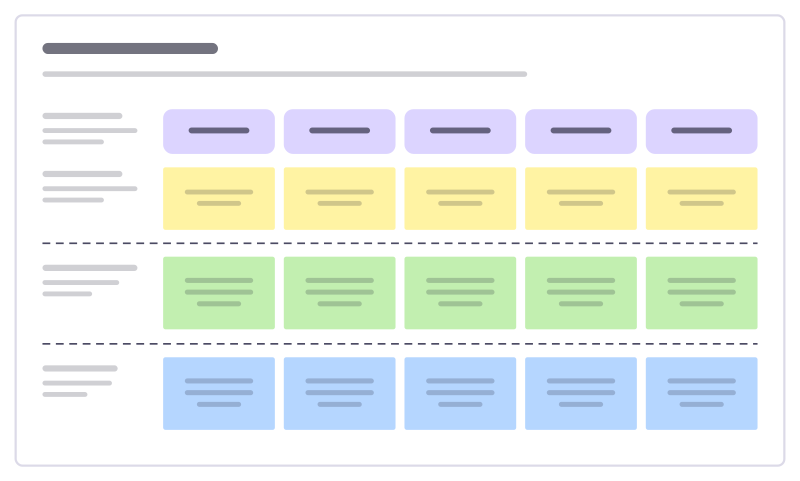
User story map
The user journey as a backbone of activities, with stories sliced into releases.
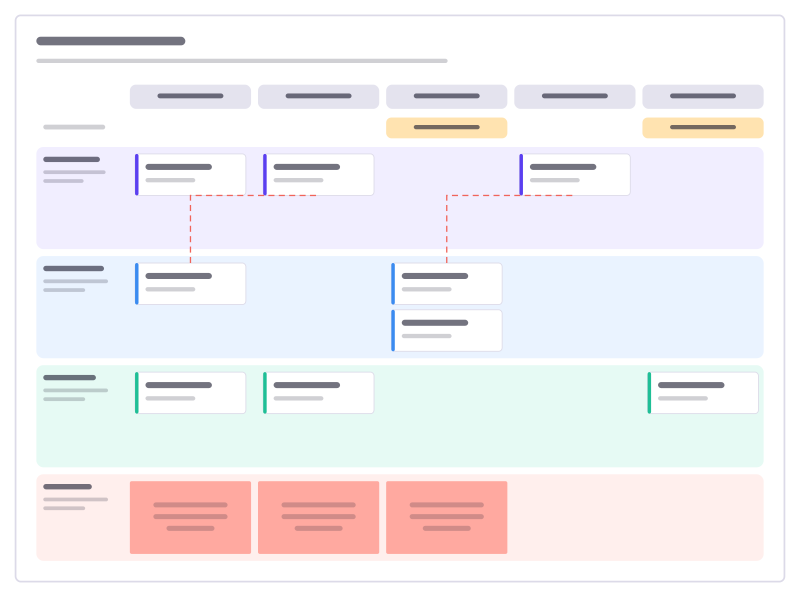
Quarter planning
Teams down, sprints across: features per sprint, milestones, dependencies and risks.
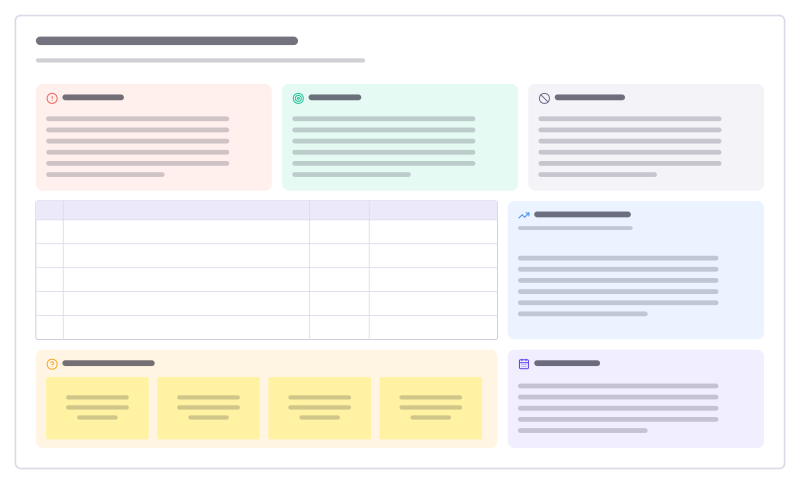
Product requirements (PRD)
A one-page spec: problem, goals and non-goals, prioritised requirements, metrics and open questions.
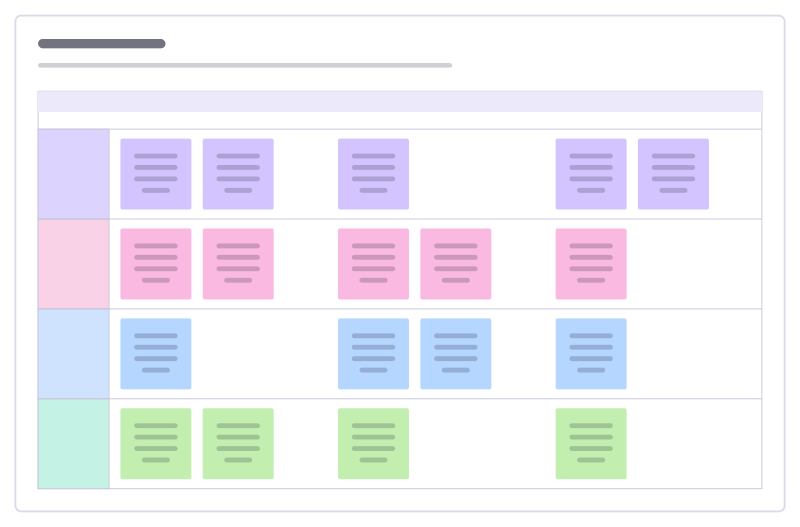
Launch plan
Who does what before, during and after a launch, in swimlanes per team.
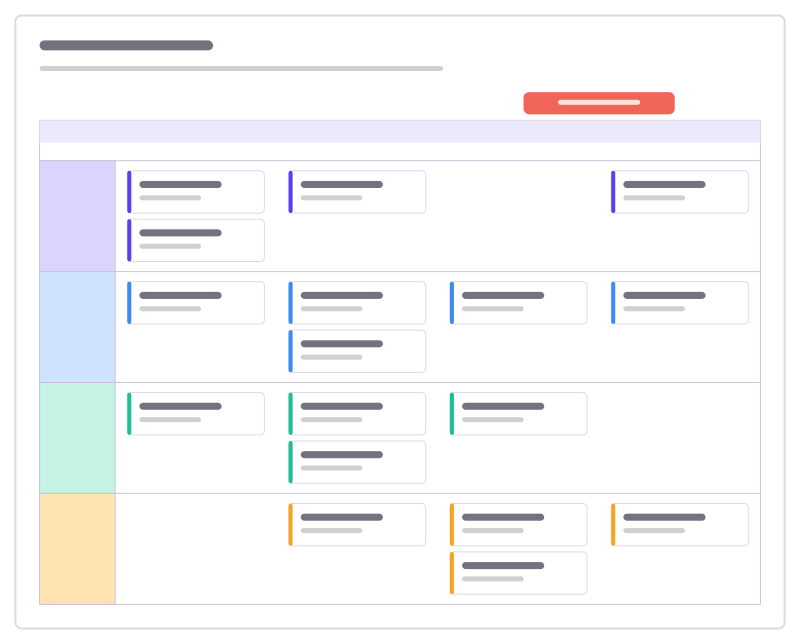
Release plan
Work per stream across four sprints as task cards in swimlanes, with the release marked.
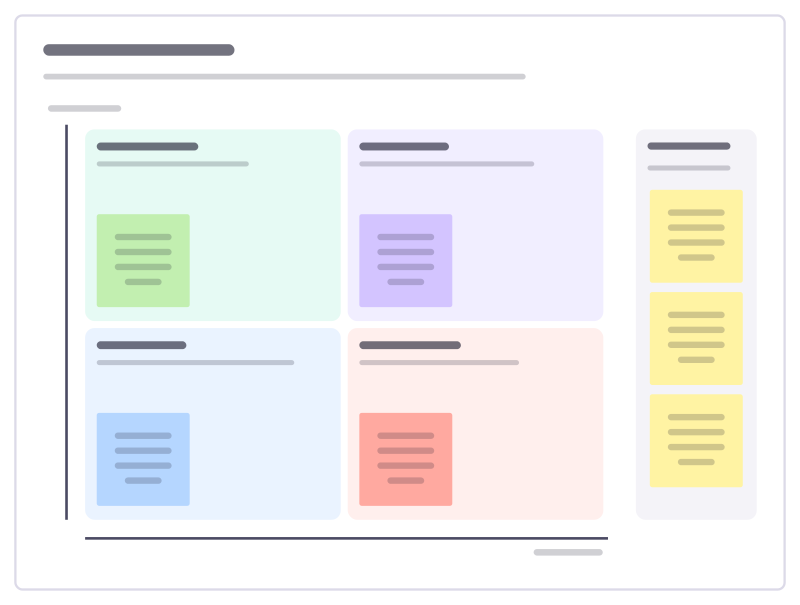
Impact × effort
A 2×2 matrix to sort ideas into quick wins, big bets, fill-ins and time sinks.
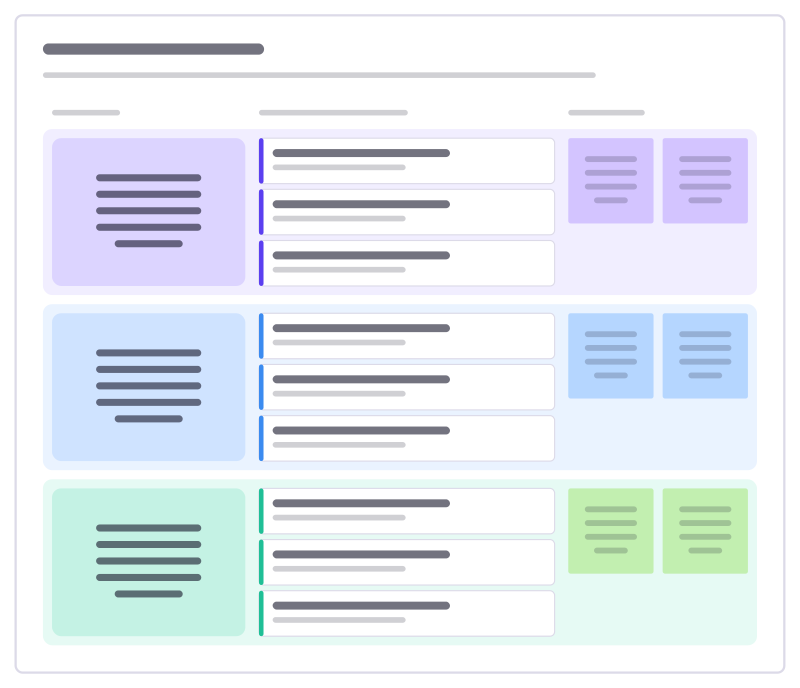
OKRs
Three objectives, each with measurable key results and the initiatives that move them.
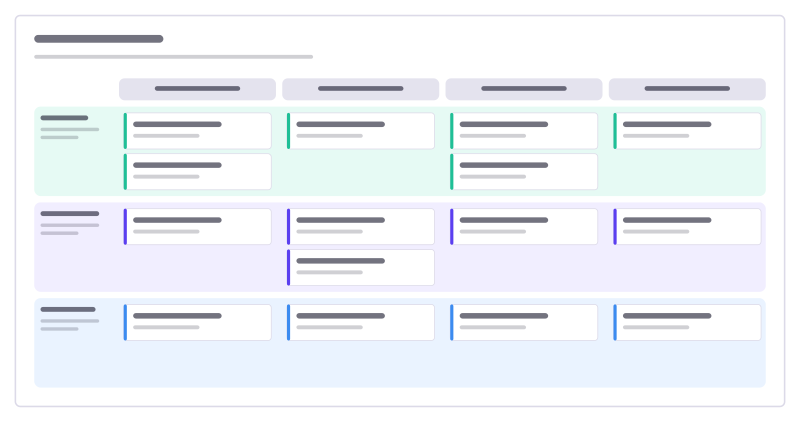
Product roadmap
Four quarters across, product themes down, with cards for each initiative.
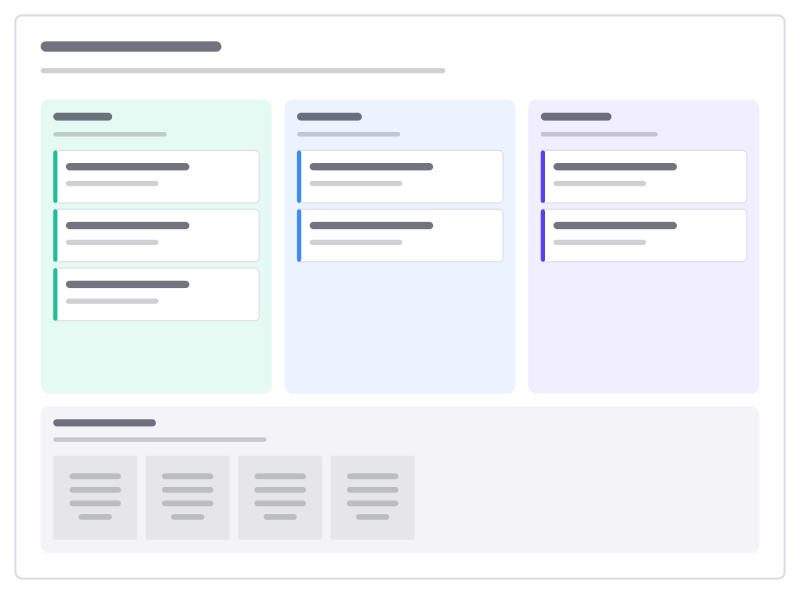
Now, next, later
A roadmap without dates: problems you’re solving now, next and later, plus parked ideas.
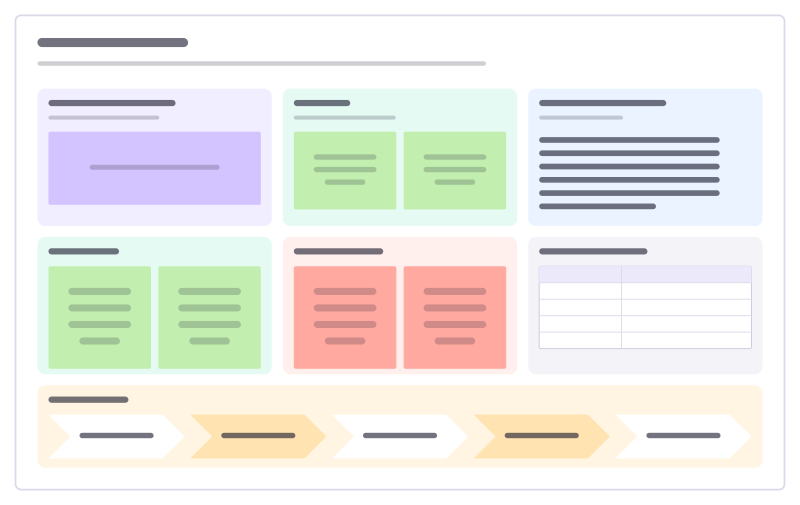
Project kickoff
Why, goals, how you’ll measure success, scope, roles and milestones on one board.
Decision log
A running table of decisions: what, why, who decided and when to revisit it.
RACI matrix
Who is Responsible, Accountable, Consulted and Informed for each task, in one table.
Swimlane process
A process across three teams: who does each step, and where work changes hands.
Agent control room
Watch and steer an AI agent: it posts its plan, status and tasks here; you move cards and comment to redirect it.
Lesson plan
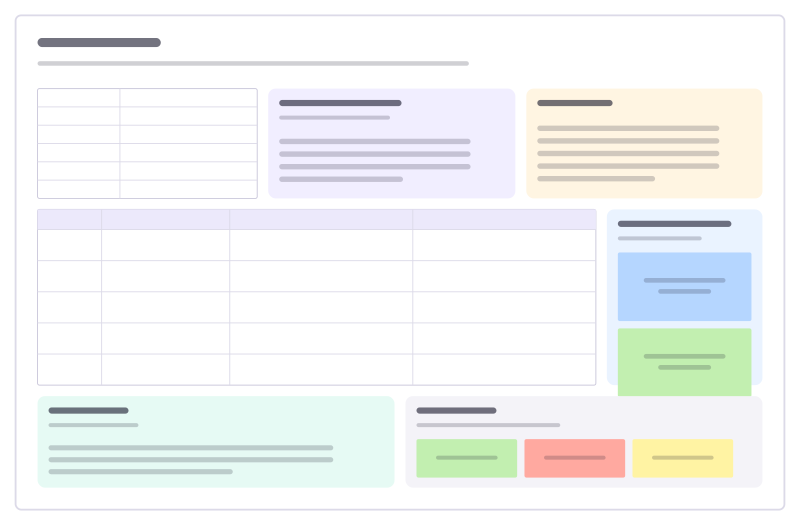
Objectives, materials, a timed lesson flow, support and stretch, assessment and reflection.
Revision timetable
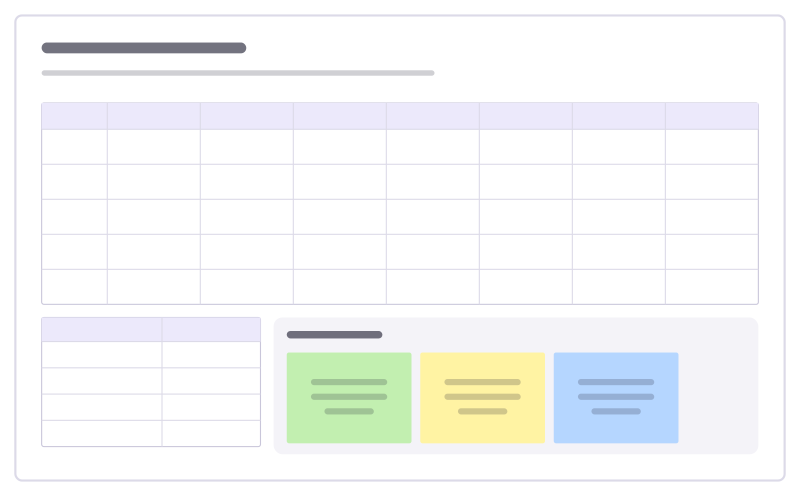
A week of study sessions colored by subject, with exam dates and study tips.
AI pilot plan
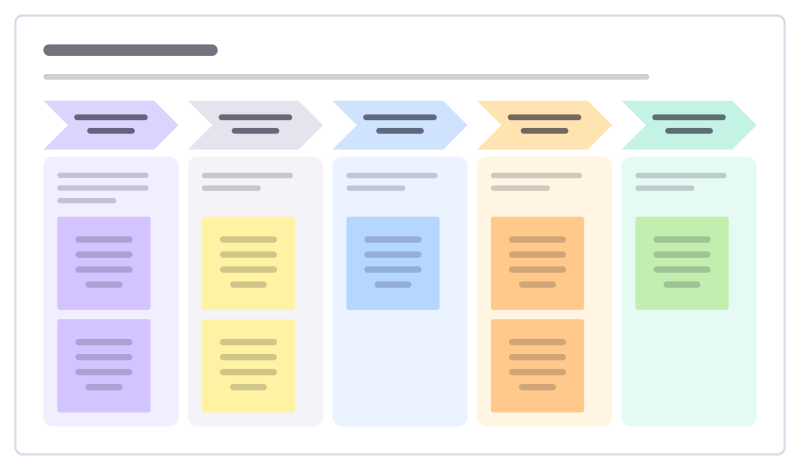
Run a small, honest pilot of an AI tool: the job it should do, the baseline, a test group, what you measure and the decision at the end.
AI adoption roadmap
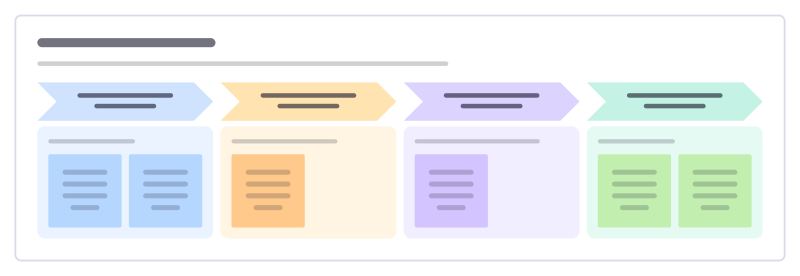
Plan how a team or company adopts AI in stages: learn, try safely, embed in workflows, and scale what works.
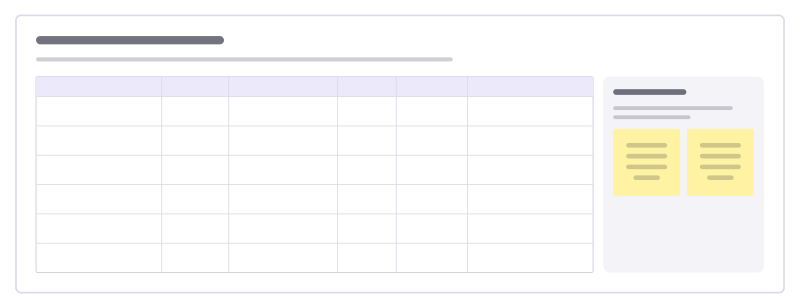
Team dependencies board
Who is waiting on whom across teams, by when, and how healthy each hand-off is, so blockers surface before planning day.
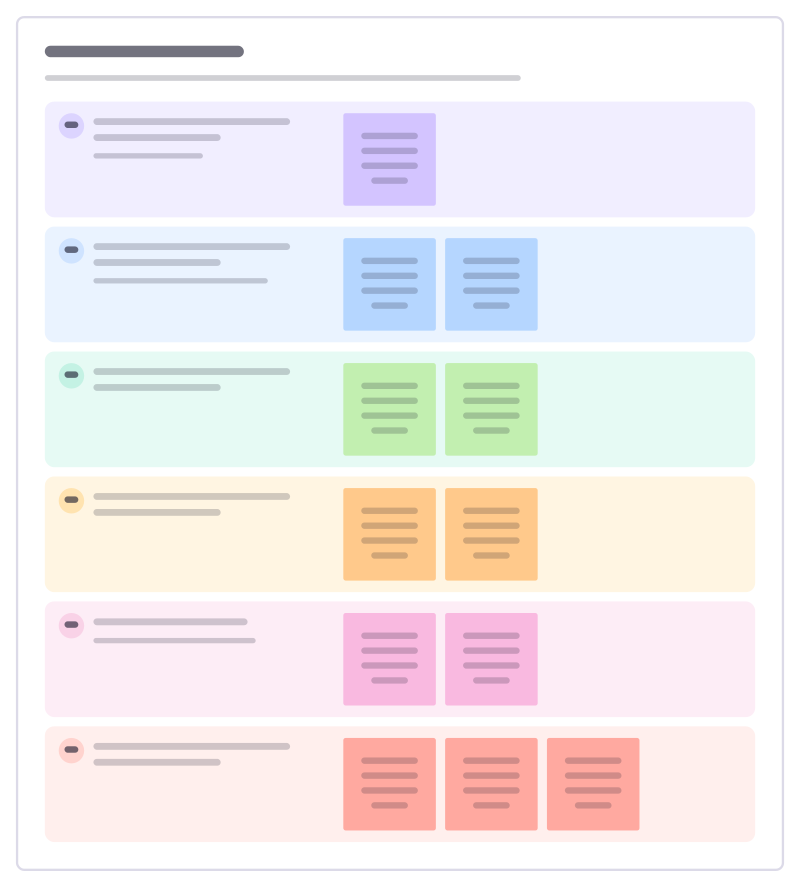
Agent task brief
Brief an AI agent like a new colleague: the goal, the context, the limits, when it is done, which tools it may use and when to stop and ask.
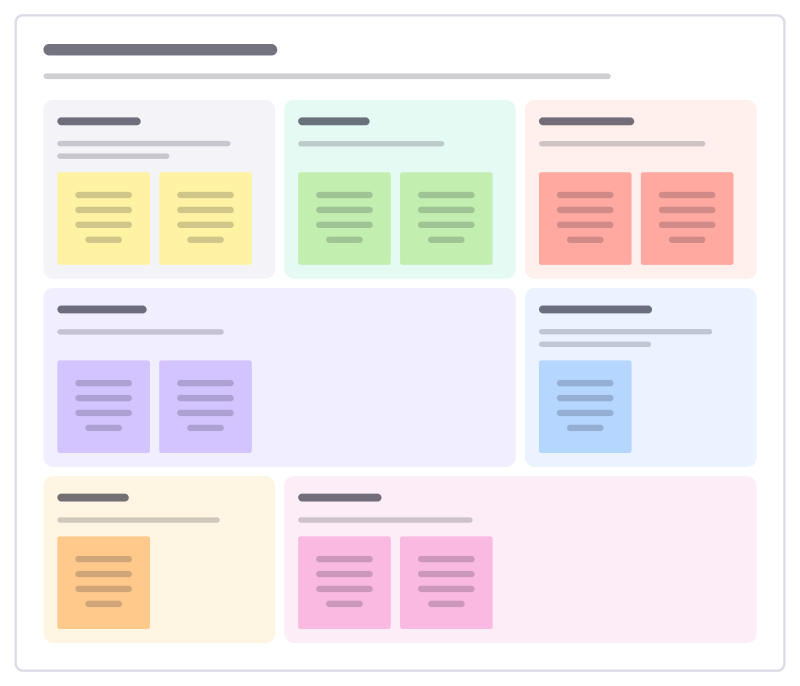
Technical design doc
Lay out a technical design for review: context, goals and non-goals, the proposal, alternatives considered, risks and rollout.
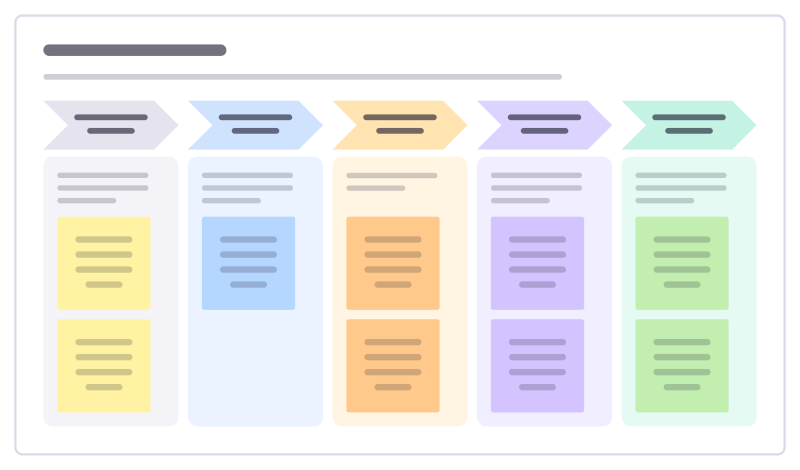
Migration plan
Move data or traffic from an old system to a new one in safe, reversible steps, with a check before each step.
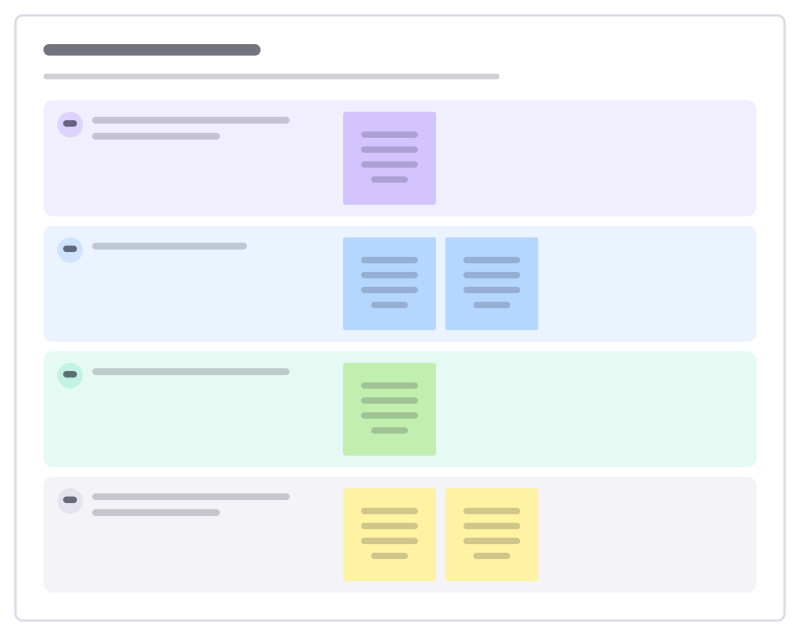
Sprint goal canvas
Write a sprint goal the team can steer by: the outcome, why it matters now, how you’ll know, and what you won’t do.
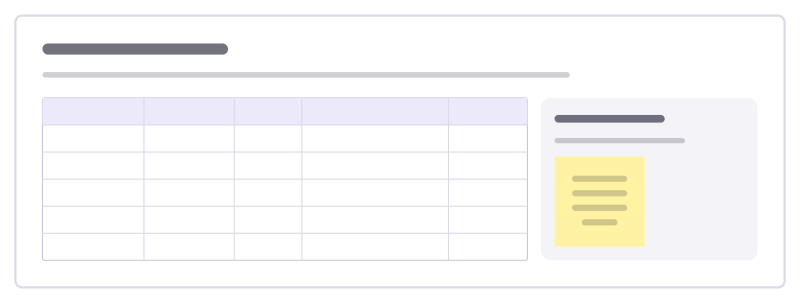
Sprint capacity
Work out how much the team can really take on: days available per person, time lost to other work, and the total to plan against.
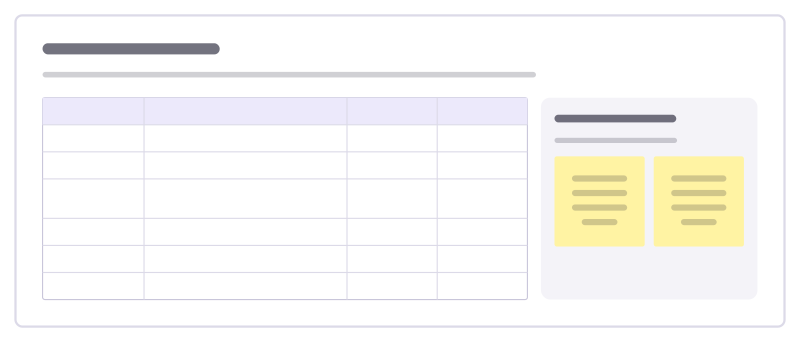
Classroom jobs
Share out the class jobs, say what each one involves and rotate them fairly so every student gets a turn.
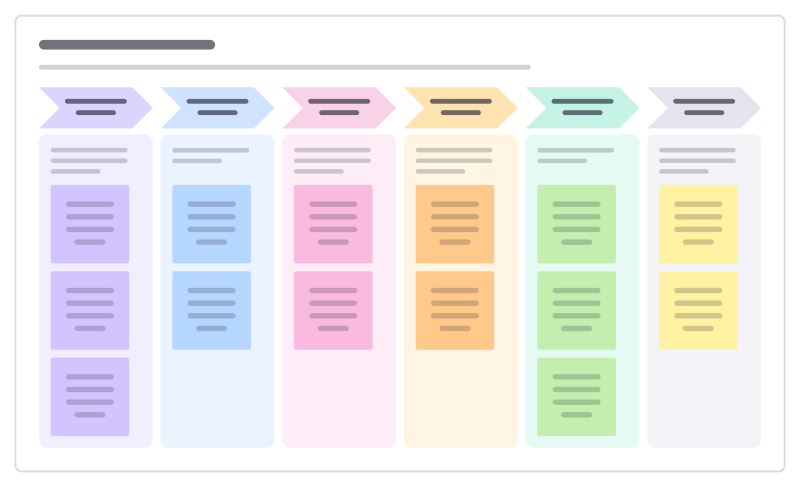
School event plan
Plan a school fair, sports day or open evening backwards from the date: bookings, helpers, publicity and the day itself.
Bring your team and your agents to one board
Free to use, open source, and yours to host. No credit card, no seat count.