Templates
Classroom templates
For teachers and students: plan lessons and units, start from what the class already knows, map concepts, run discussions and group work, and check understanding with exit tickets and rubrics.
52 free templates · Editable · Works with Claude and ChatGPT
All 52 classroom templates
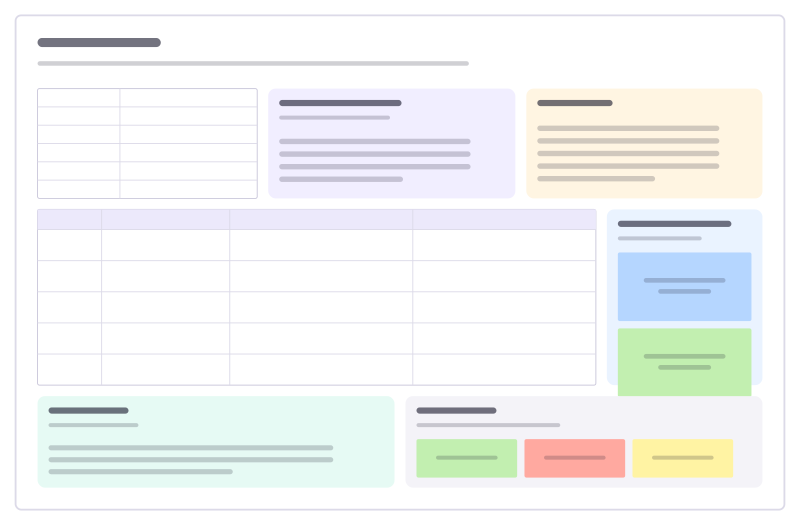
Lesson plan
Objectives, materials, a timed lesson flow, support and stretch, assessment and reflection.
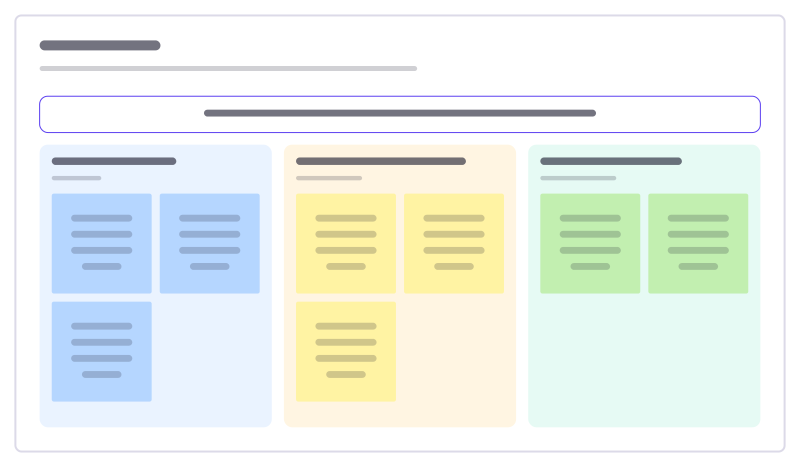
KWL chart
What students already Know, Want to know, and Learned about a topic.
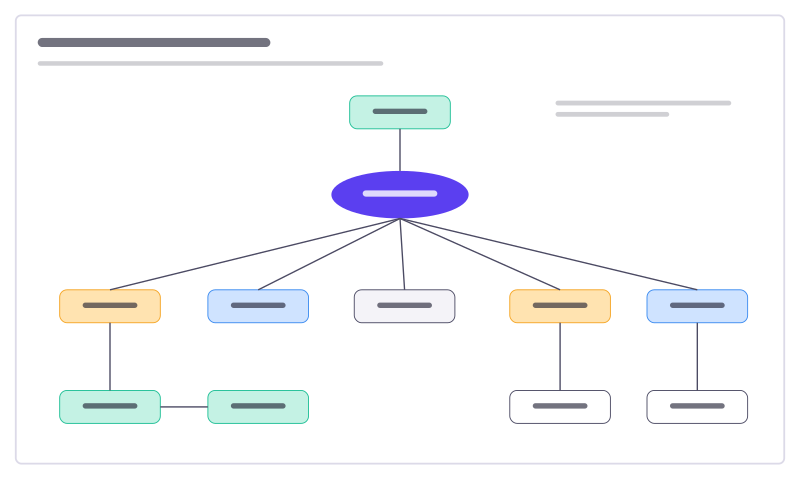
Concept map
Ideas linked by labelled arrows that say how they relate, around photosynthesis.
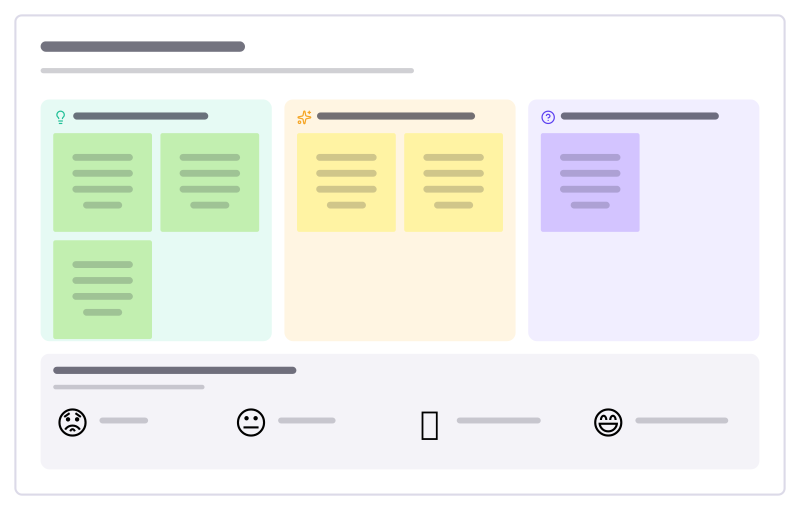
Exit ticket (3-2-1)
End-of-lesson check: three things learned, two found interesting, one question, and a confidence stamp.
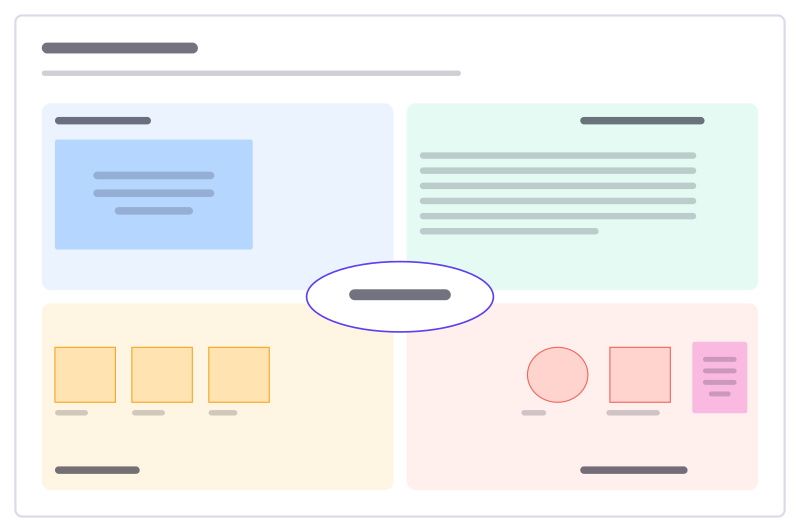
Frayer model
A word in the middle with its definition, characteristics, examples and non-examples around it.
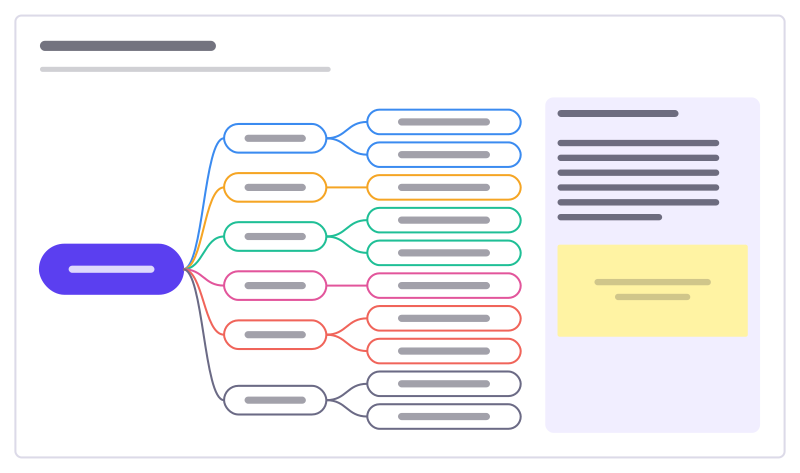
Class brainstorm
A topic web for the whole class: a big question, themes as branches, ideas as leaves.
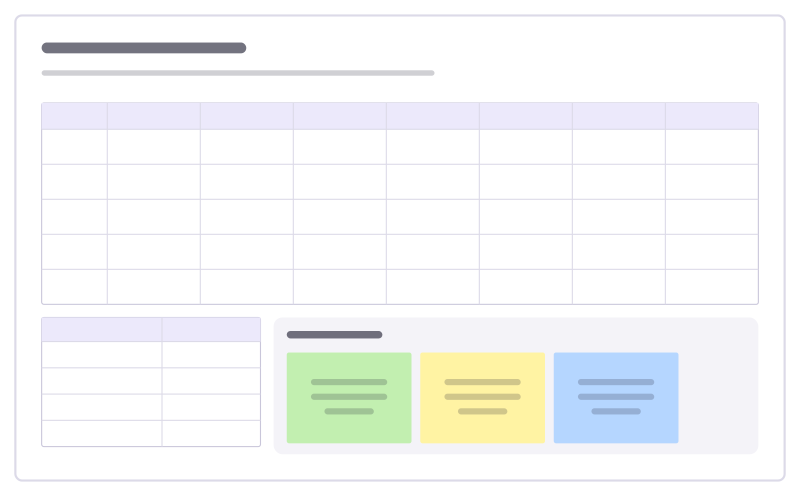
Revision timetable
A week of study sessions colored by subject, with exam dates and study tips.
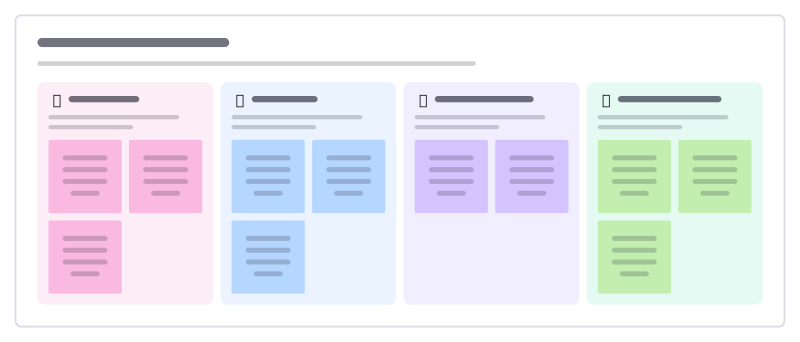
Class morning meeting
Start the school day together in four short parts: a greeting, a few shares, a quick group activity and the message for the day.
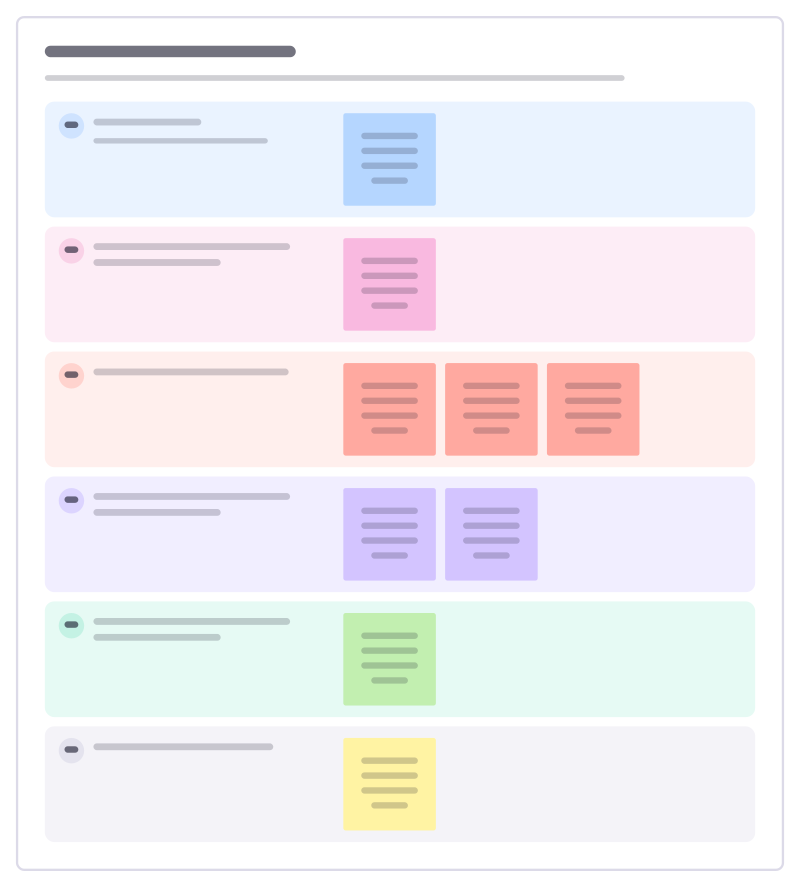
Restorative reflection
Talk through a conflict or broken rule with a student so they see who was affected and choose how to put it right.
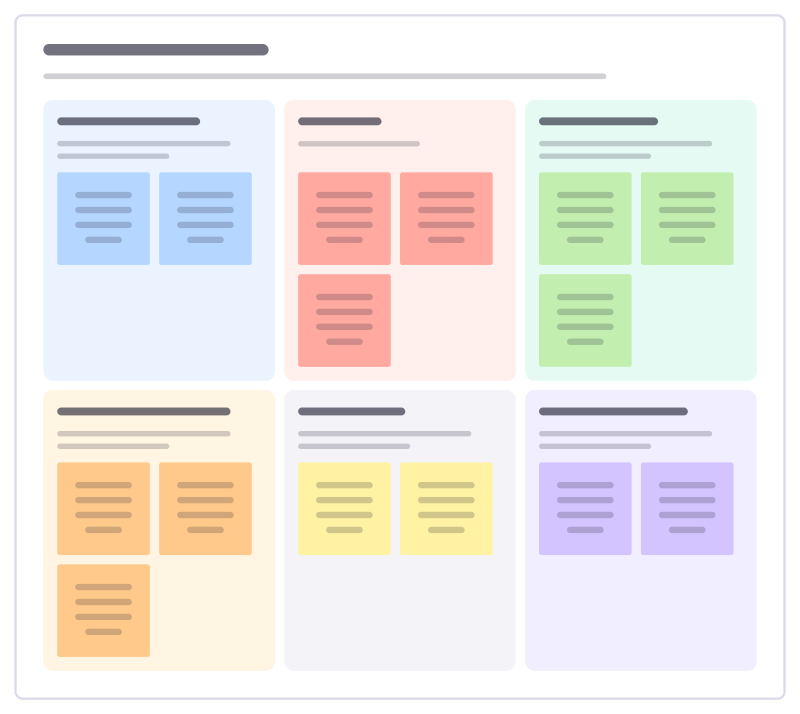
Lab safety briefing
Go over the hazards, protective kit and emergency steps for a practical lesson before anyone picks up equipment.
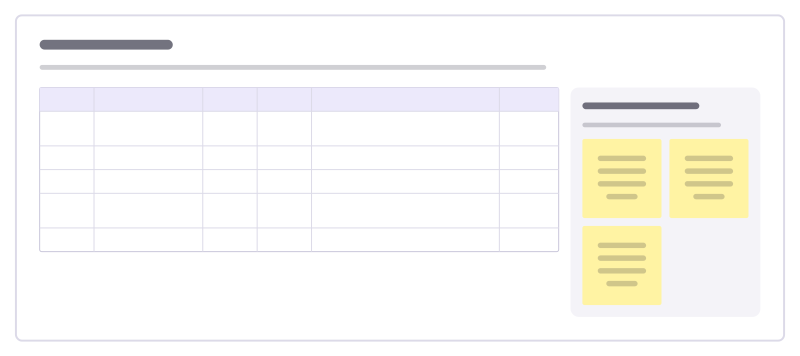
Reading log
Track what a student reads each day, how long for and one thought about it, so reading habits show over a term.
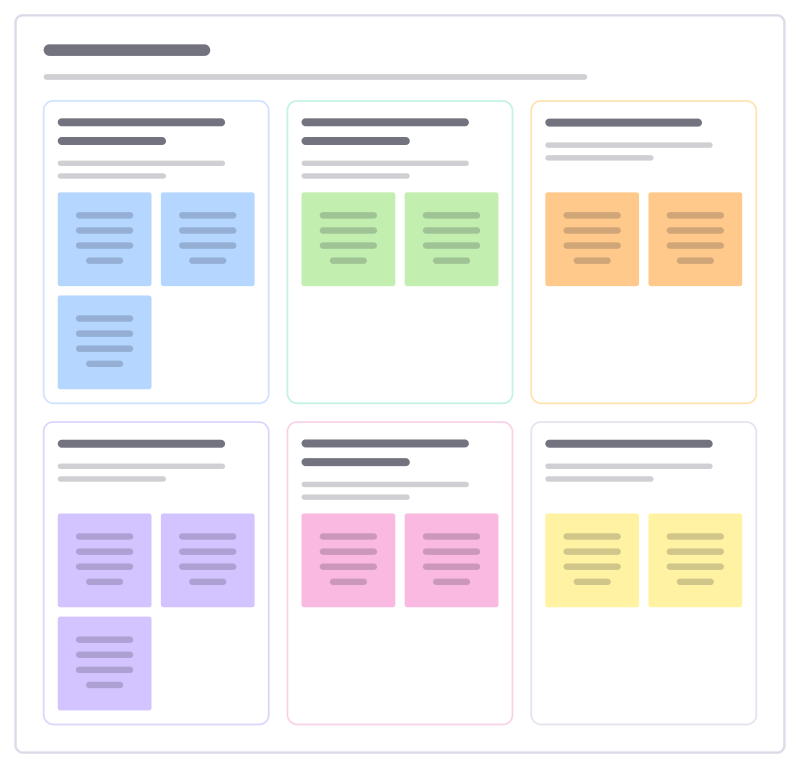
Gallery walk
Groups post their work around the room, then walk from piece to piece leaving notices, questions and suggestions on each.
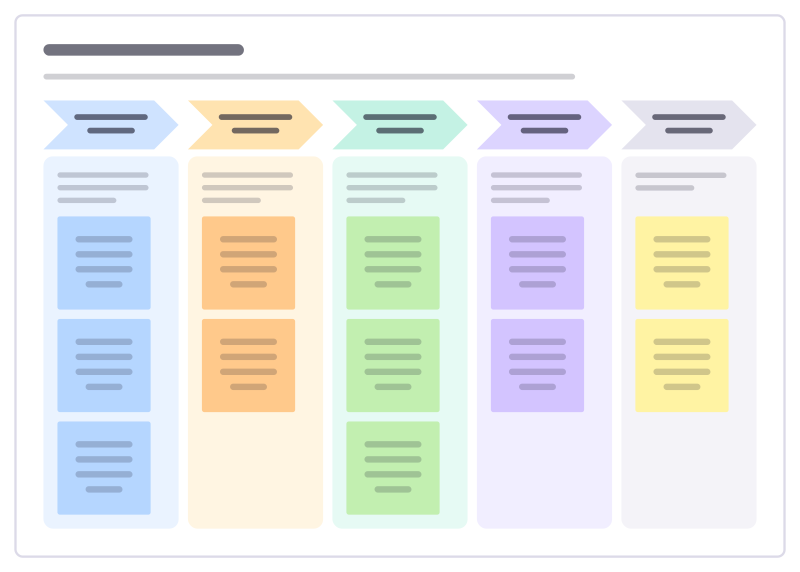
History timeline
Put the events of a historical period in order, with what changed at each point and the evidence that tells us so.
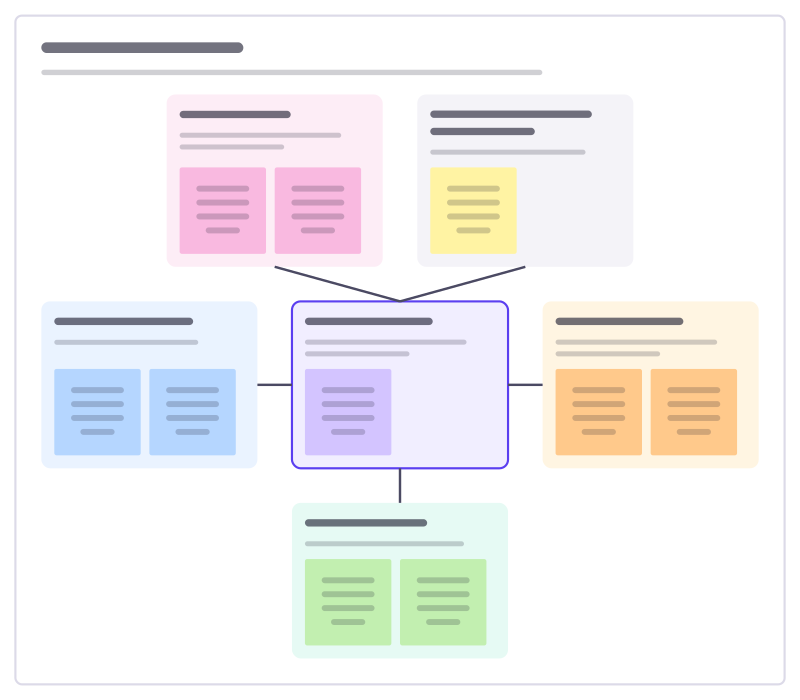
Character analysis
Build up a picture of a character from the text: what they are like, what drives them, how they change, and the quotes that prove it.
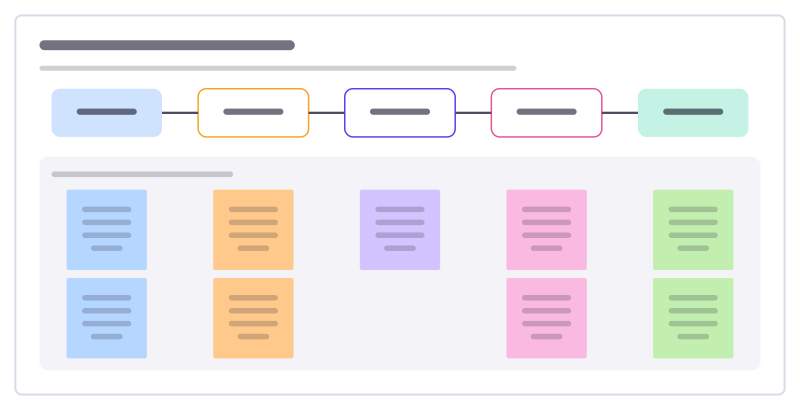
Maths problem solving steps
Work a word problem through four steps: understand it, choose a plan, carry it out and check the answer makes sense.
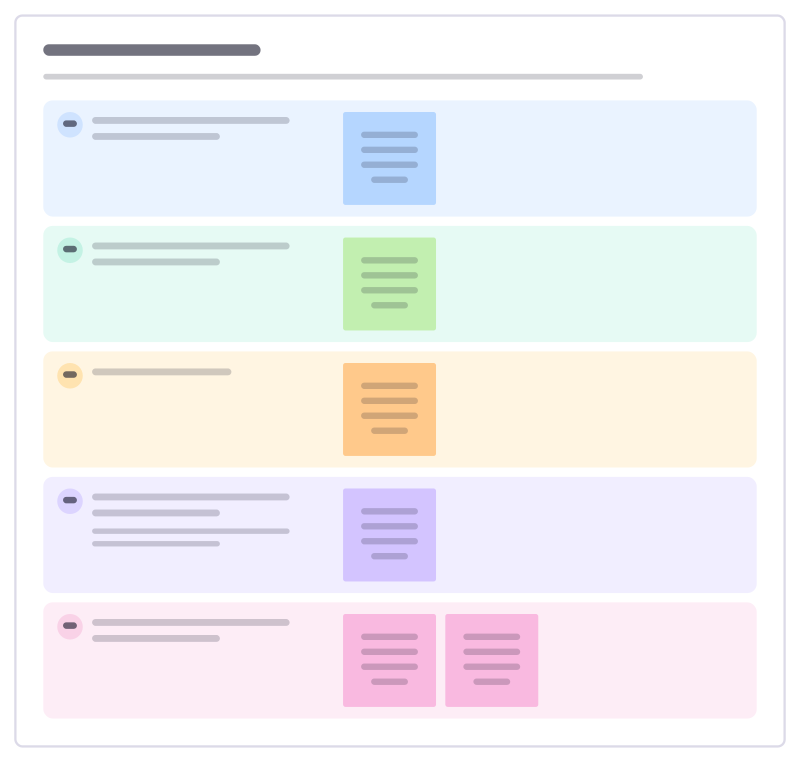
Writing conference
A short one-to-one between teacher and student about a piece of writing in progress, ending with one clear next step.
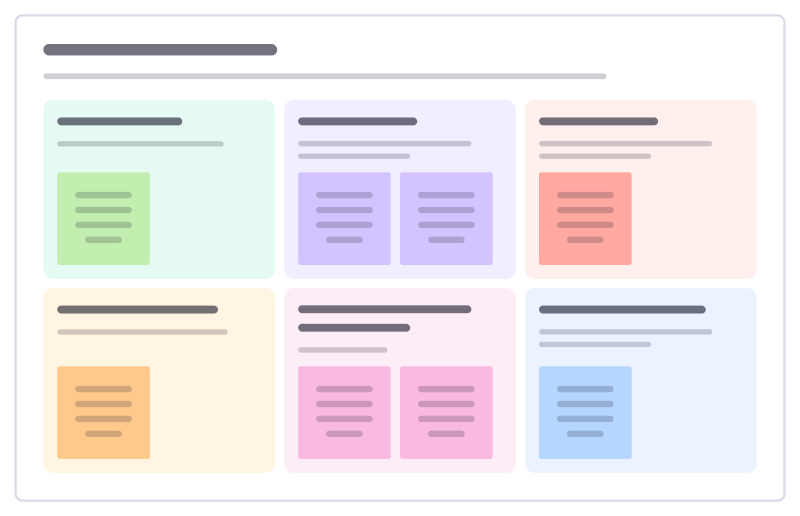
Portfolio reflection
Look back over a term’s work, pick the pieces that show growth, and say what you learned and what you will aim for next.
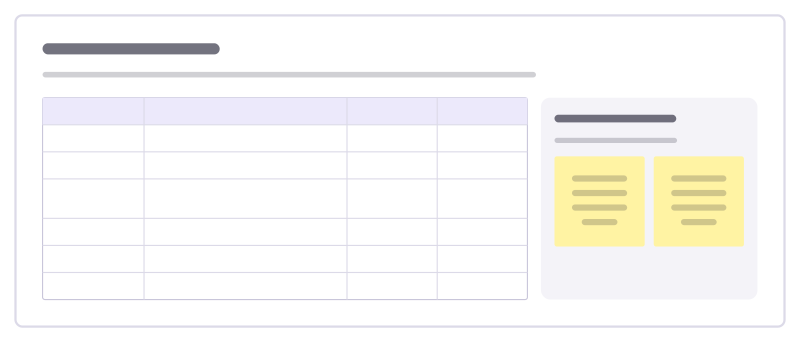
Classroom jobs
Share out the class jobs, say what each one involves and rotate them fairly so every student gets a turn.
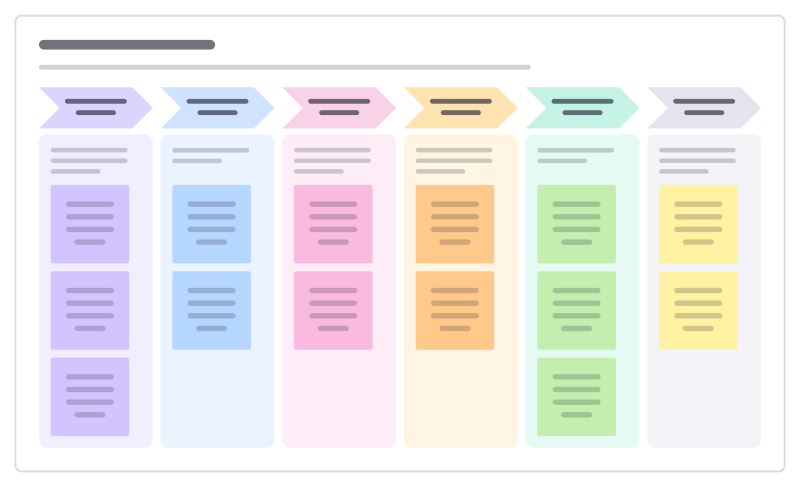
School event plan
Plan a school fair, sports day or open evening backwards from the date: bookings, helpers, publicity and the day itself.
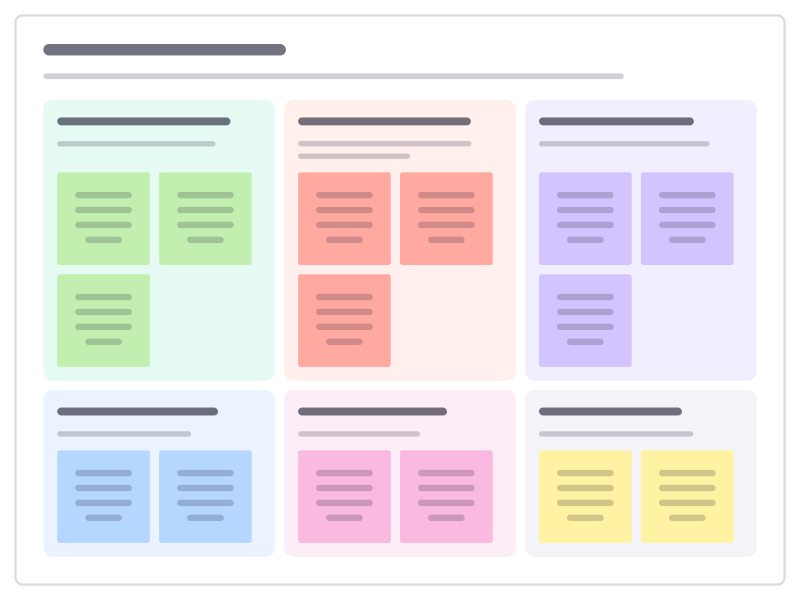
Learning support plan
Agree with a student and their family what helps them learn: strengths, what is hard, classroom strategies and how progress is checked.
Persuasive essay planner
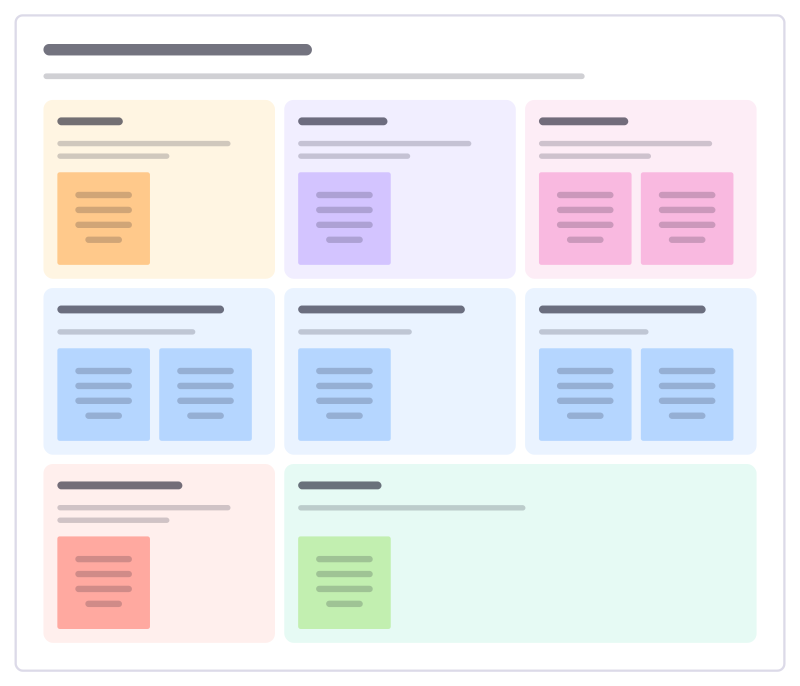
Plan an argument before writing it: a clear claim, three reasons with evidence, the other side answered and a strong close.
Causes and consequences
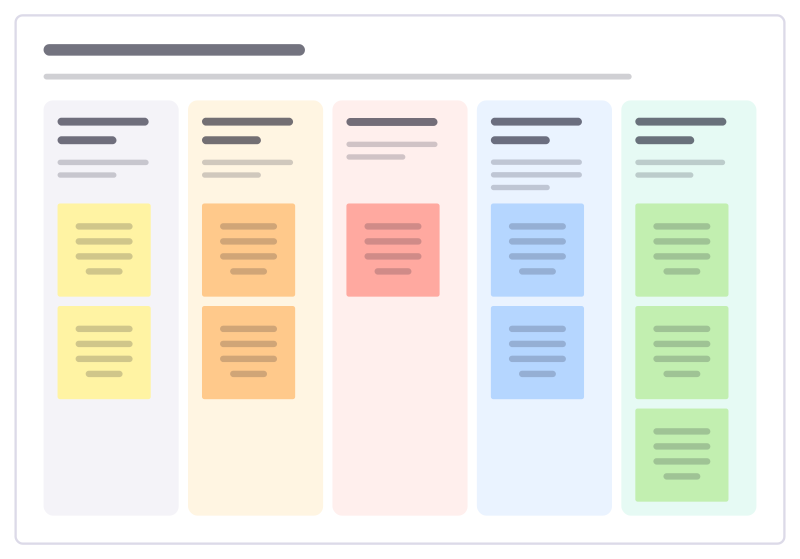
Unpick a historical event: the long-term causes, the short-term causes and the trigger, then what followed soon after and much later.
Unit planner
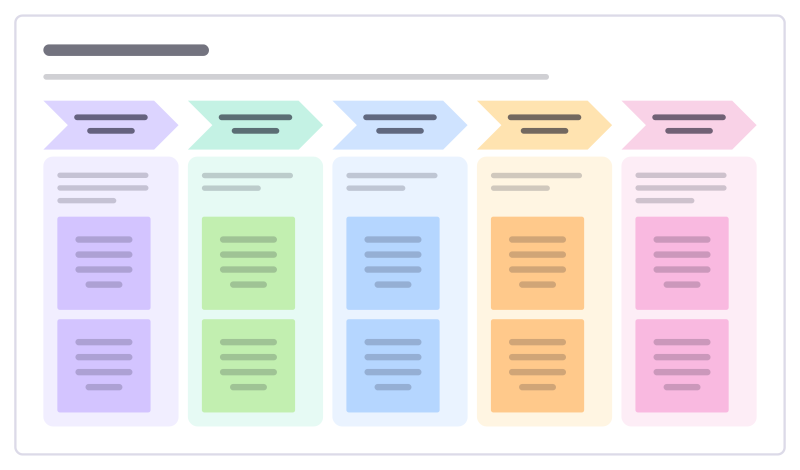
A whole unit week by week: the big question, what students learn and do each week, and how you check along the way.
Book discussion board
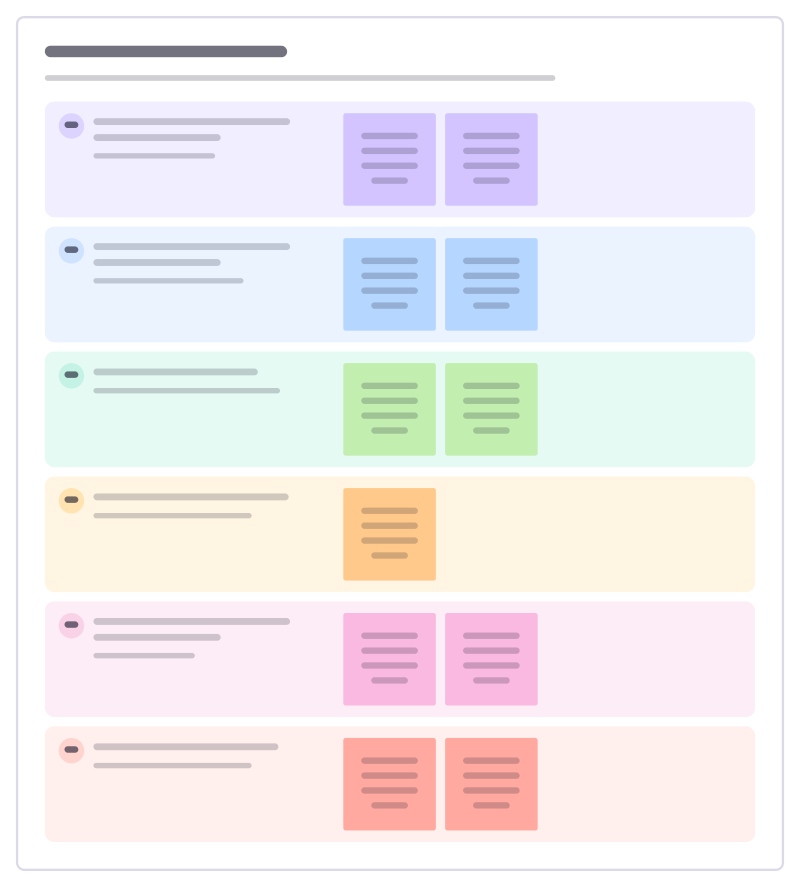
Questions that get a class or reading group talking about a book, with space for everyone’s answers next to each one.
Science experiment planner
A fair test from question to conclusion, with a worked example at each step so students see what a good answer looks like.
Debate preparation
Build both sides of a motion, back each point with evidence, and plan rebuttals before the debate starts.
Class agreements
The class writes its own agreements for listening, helping, disagreeing and getting unstuck, in words students choose.
Student goal setting
A student sets one learning goal for the term, breaks it into steps and decides how they will know it worked.
Project-based learning plan
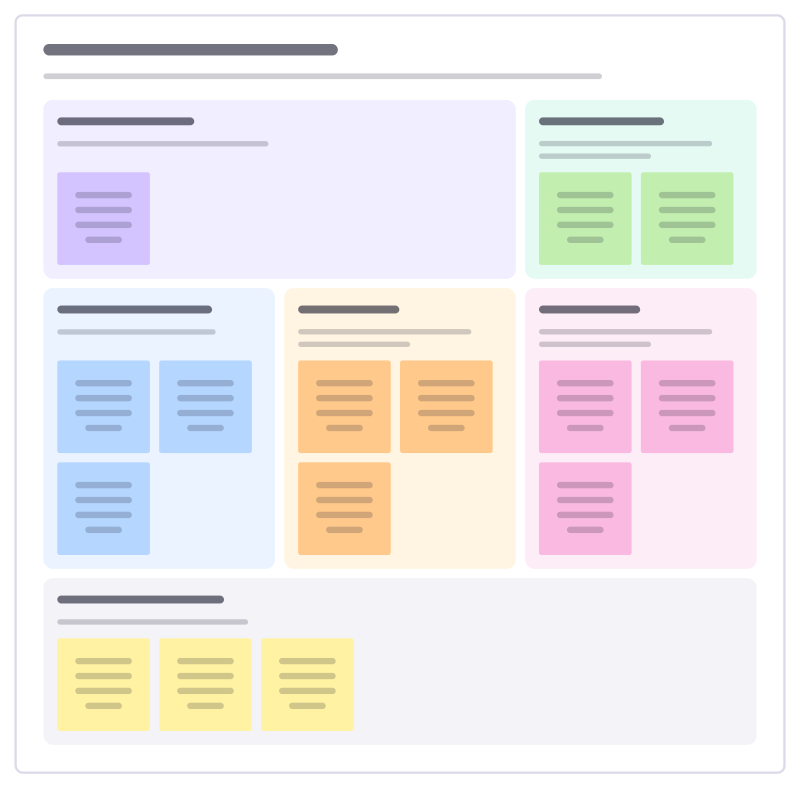
Design a project around a real question: what students make, who it is for, the milestones and how it is assessed.
Two stars and a wish
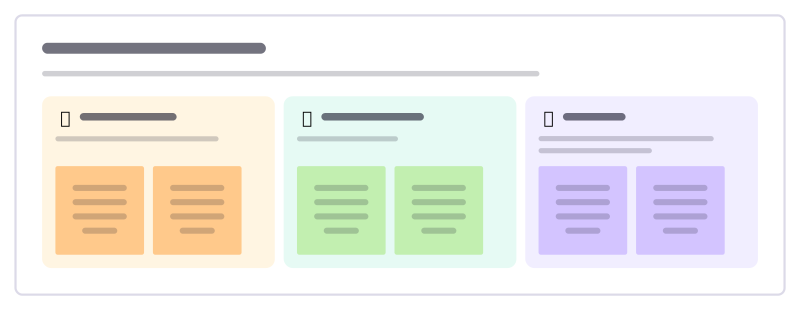
Peer feedback on a piece of work: two things that work well and one thing to improve, kind and specific.
Story arc planner
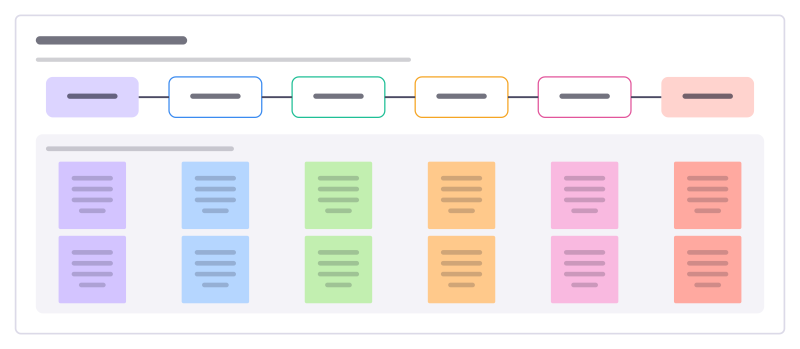
Plan a story from opening to resolution, with what happens and how the main character feels at each stage.
Station rotation plan
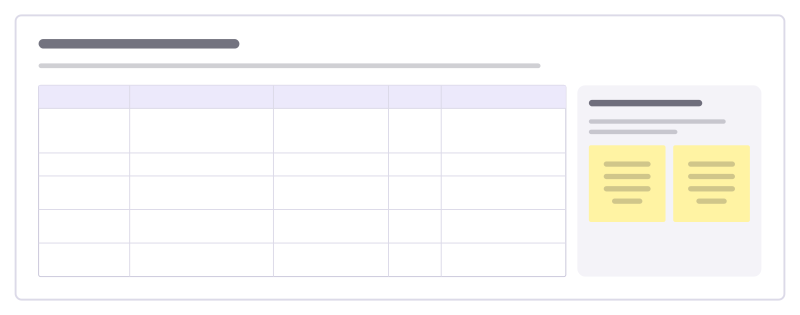
Groups move through learning stations: what happens at each, the materials, the timing and who works with the teacher.
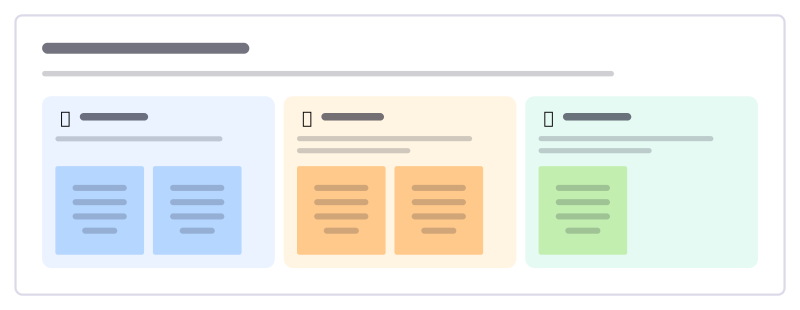
Think, pair, share
Students think alone, talk it through with a partner, then share with the class, so everyone has an answer before anyone speaks.
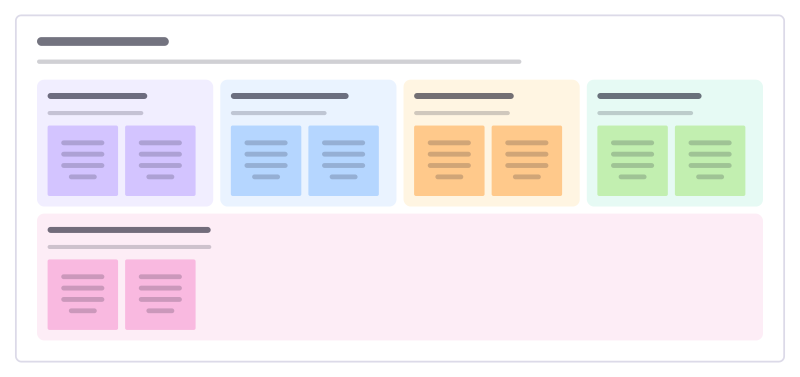
Jigsaw groups
Each group becomes expert in one part of a topic, then experts regroup and teach each other until everyone knows the whole.
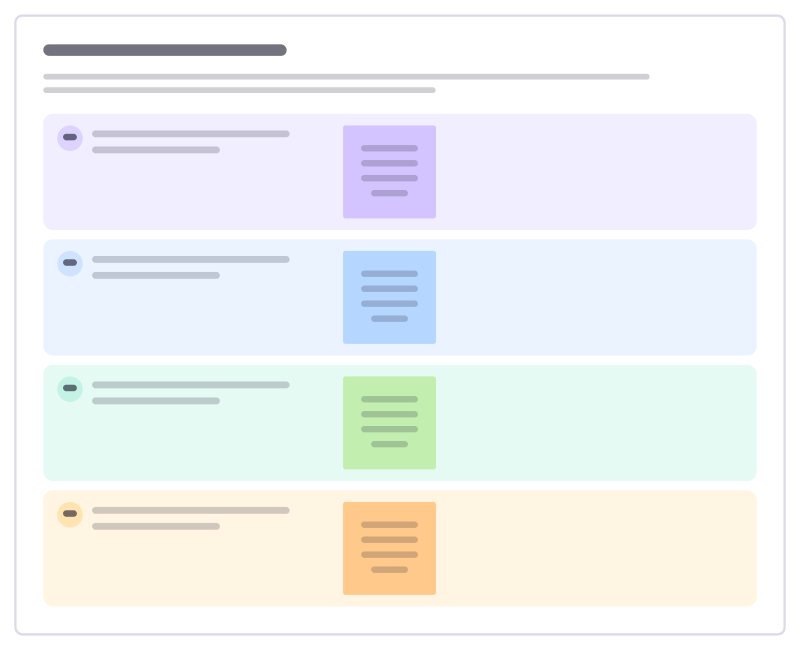
Socratic seminar prep
Help students prepare for a text-based discussion: a big question, evidence from the text, their own view and a question for others.
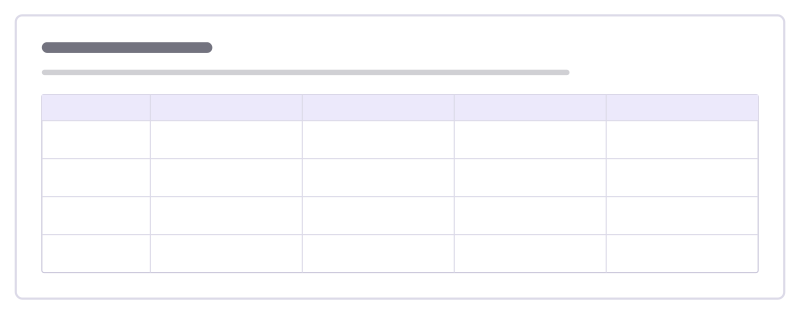
Rubric builder
Build a marking rubric with clear criteria and what each level of quality looks like, written so students can use it too.
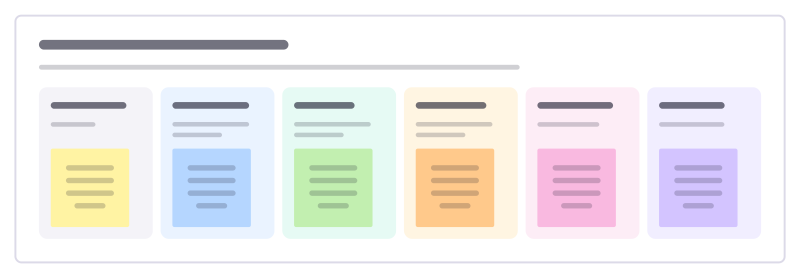
Questions by thinking level
Write questions about a topic at every level of thinking, from recalling facts to creating something new.
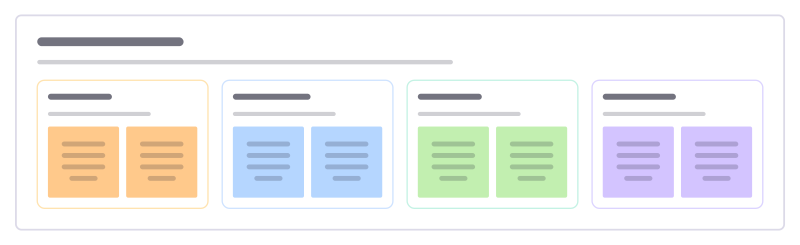
Vocabulary wall
Build a shared wall of key words for a unit: what each means, an example in use and a picture or memory hook.
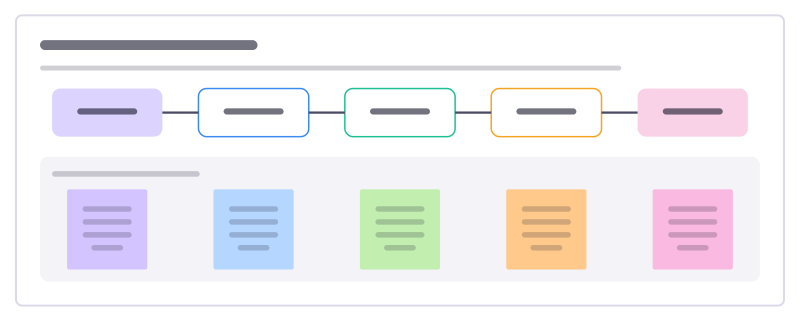
Peer feedback protocol
A structured round where students give each other kind, specific and helpful feedback on work in progress.
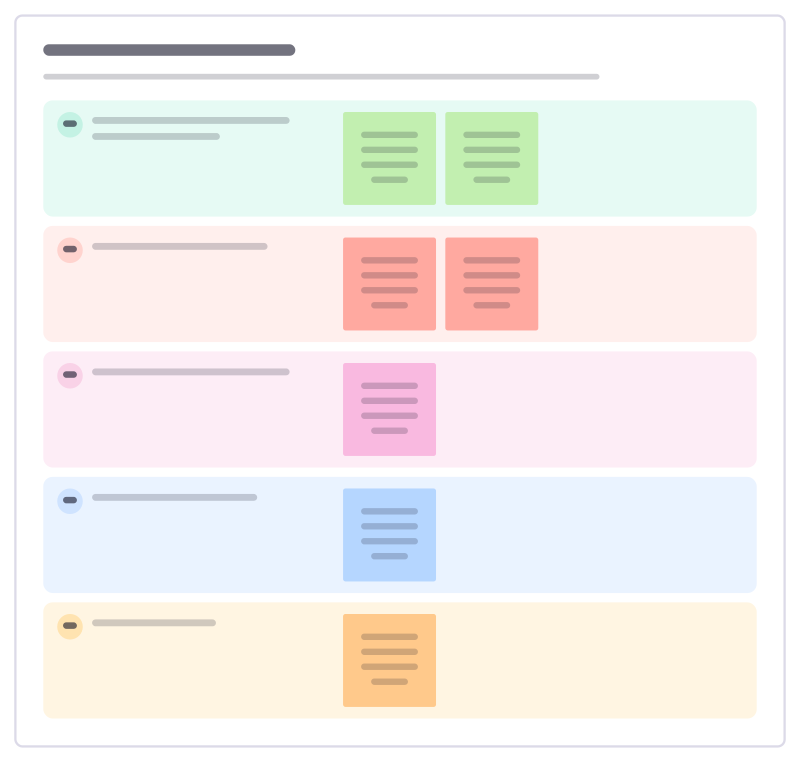
Parent-teacher meeting
Prepare a parent-teacher meeting around one student: strengths, where they’re stuck, evidence and what home and school each do next.
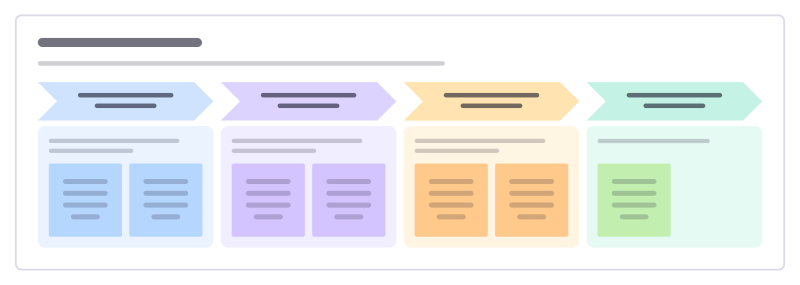
Course design map
Plan a course backwards from what learners should be able to do at the end, module by module.
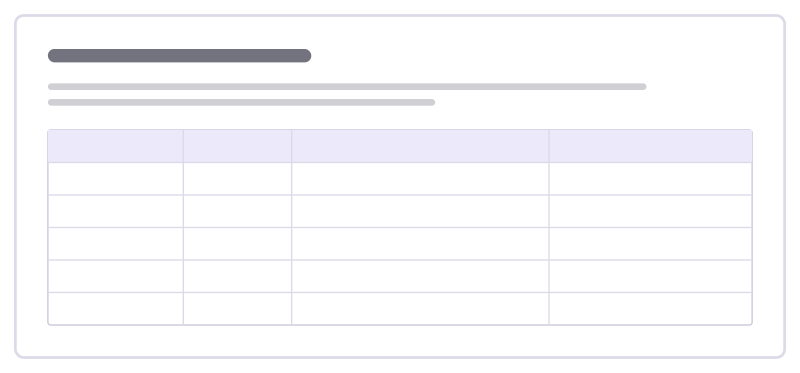
Group project roles
Give every student in a group a clear role, the tasks that come with it and how the group checks in, so work is shared fairly.
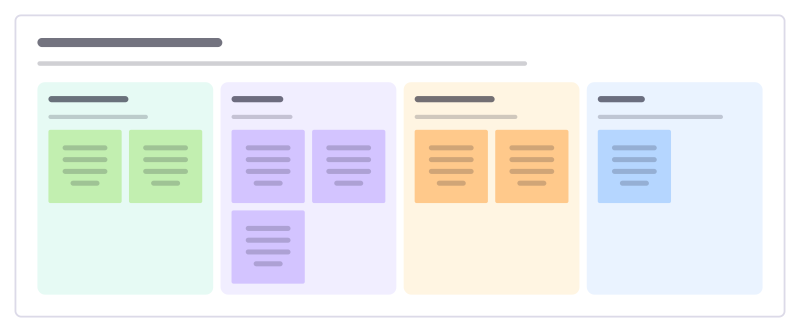
Compare and contrast
Compare two things side by side: what belongs only to the first, what they share, what belongs only to the second, and a conclusion.
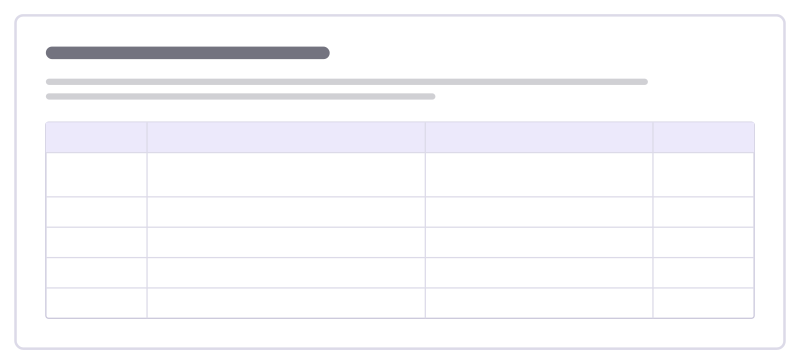
Retrieval practice grid
A starter that mixes questions from last lesson, last week and last term, so students keep pulling knowledge out of memory.
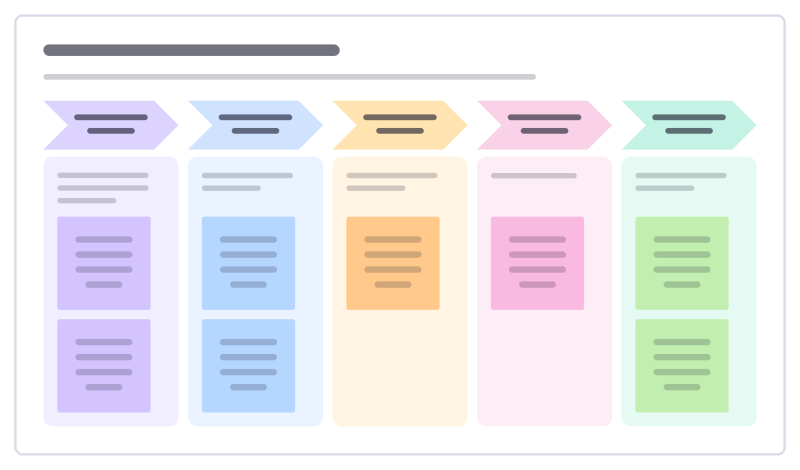
Staff professional learning
Plan a term of professional learning for teachers: the focus, sessions, classroom trials and how you’ll see the impact.
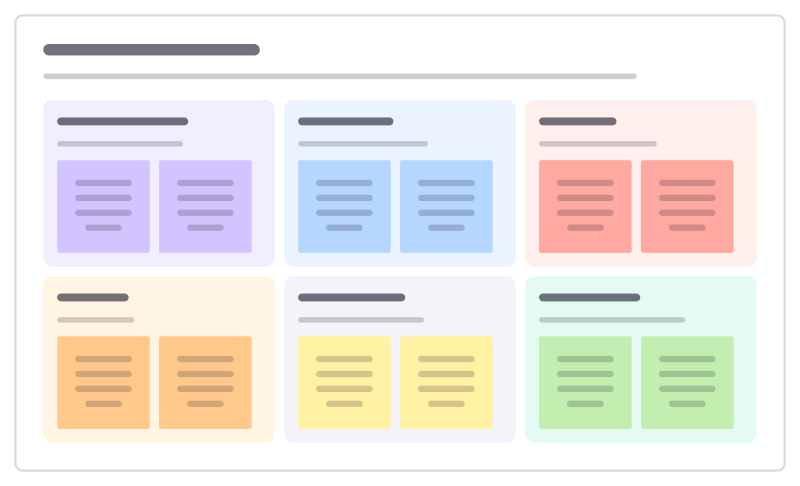
Field trip planner
Plan a school trip that’s worth the effort: the learning purpose, logistics, safety, money, permissions and follow-up lesson.
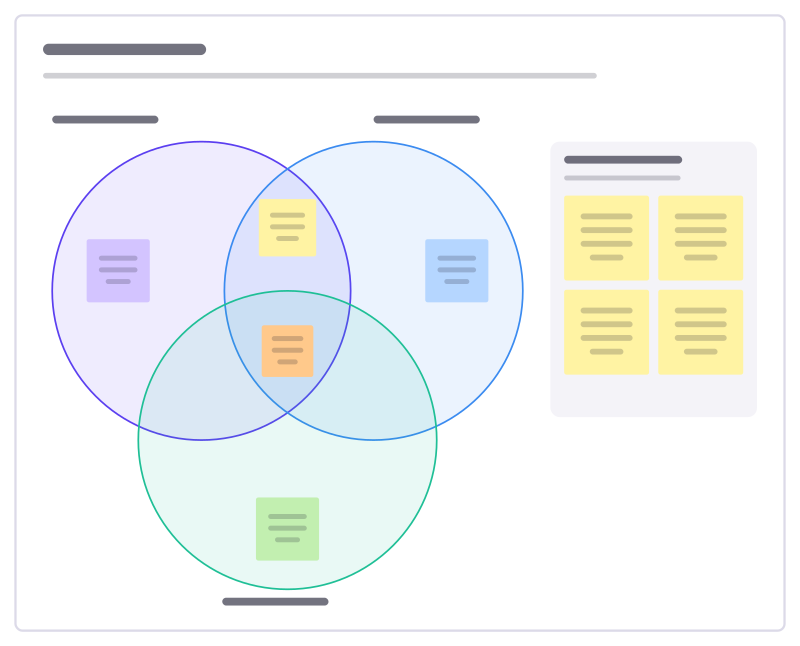
Venn diagram
Three overlapping circles to compare ideas and find what they share.
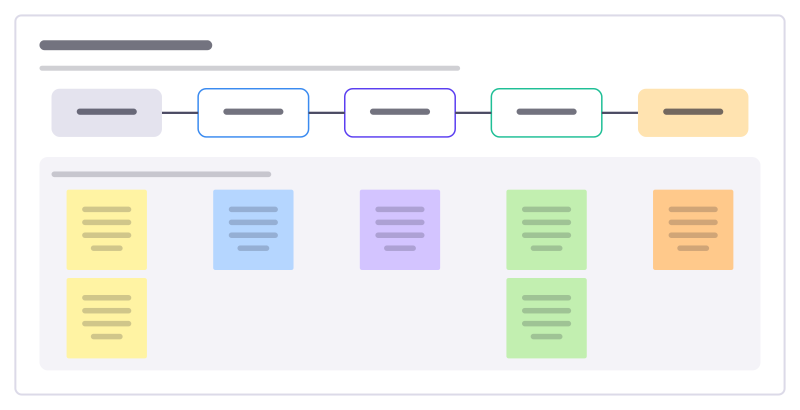
Theory of change
Show how your work leads to the change you want: from resources and activities to outputs, outcomes and long-term impact.
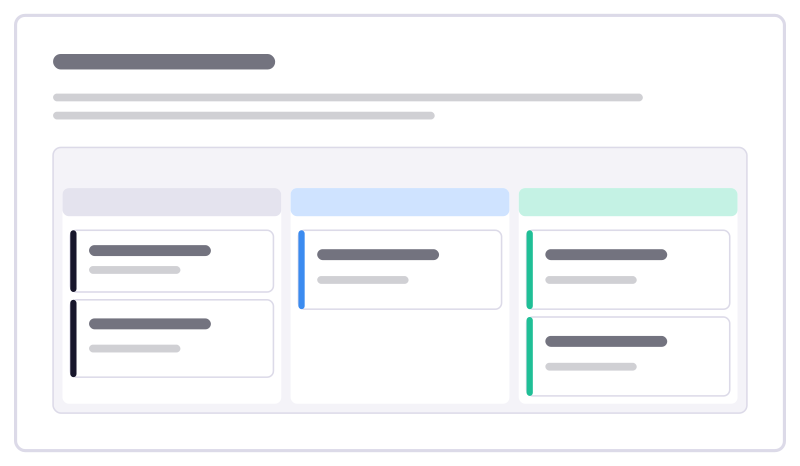
Reading list
Track books and articles from “want to read” to “done”, with a line on what each one taught you.
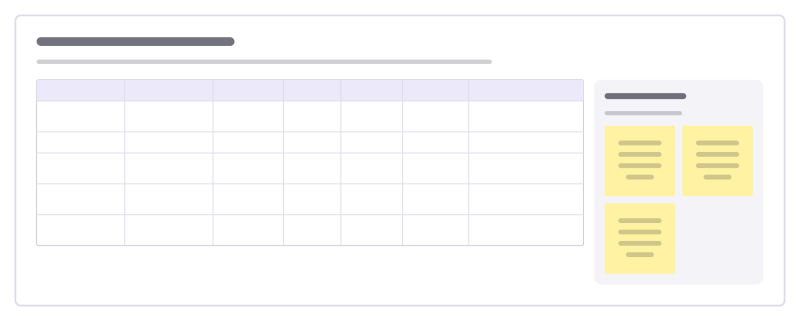
University applications
Compare the universities and courses you are applying to, their entry requirements and deadlines, and where each application stands.
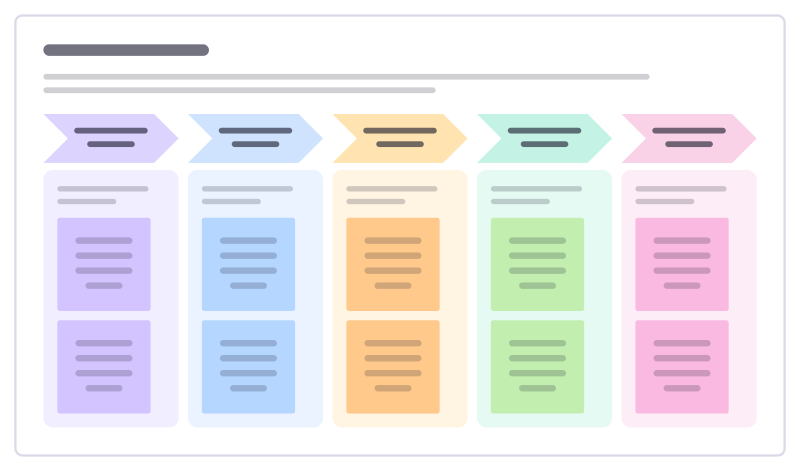
Webinar plan
Plan a webinar from idea to follow-up: topic and promise, promotion, the run of show, the live session and what happens after.
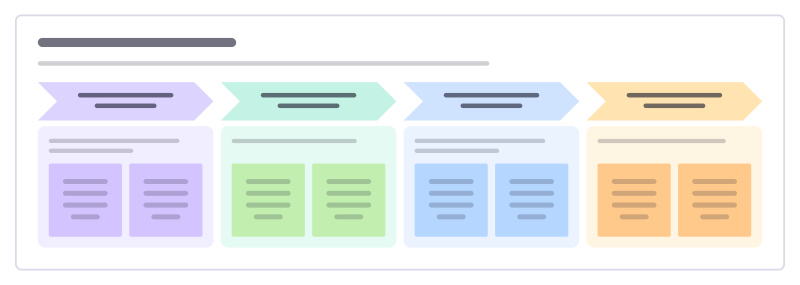
Personal learning plan
Learn one skill over a few months: what to study each month, how you will practise, and how you will know it worked.
Bring your team and your agents to one board
Free to use, open source, and yours to host. No credit card, no seat count.