Templates
AI and agent templates
Decide where AI helps and keep people in charge of it: design an agent workflow and its permissions, brief an agent, review its runs and evals, and agree a use policy. Agents connected to Freero work on these boards with you.
24 free templates · Editable · Works with Claude and ChatGPT
All 24 AI and agent templates
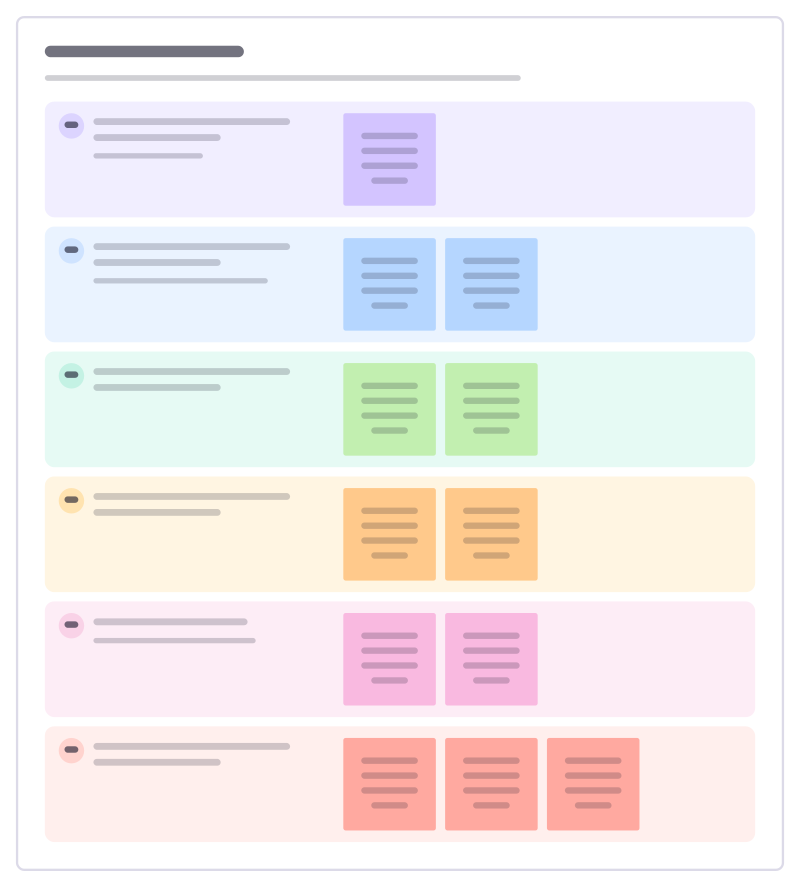
Agent task brief
Brief an AI agent like a new colleague: the goal, the context, the limits, when it is done, which tools it may use and when to stop and ask.
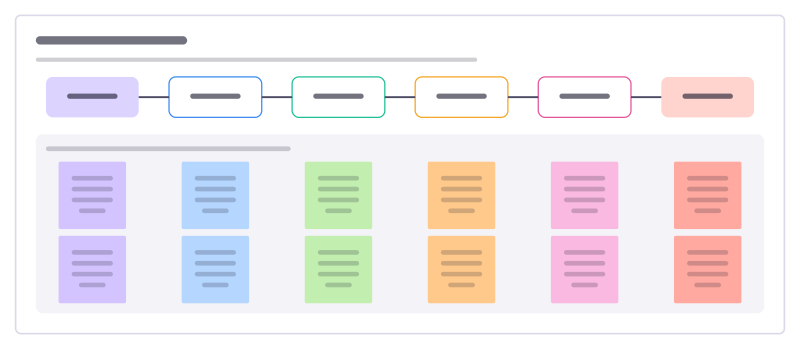
Agent handoff map
Who hands what to whom when people and agents share a piece of work, and the check that has to pass at each handoff.
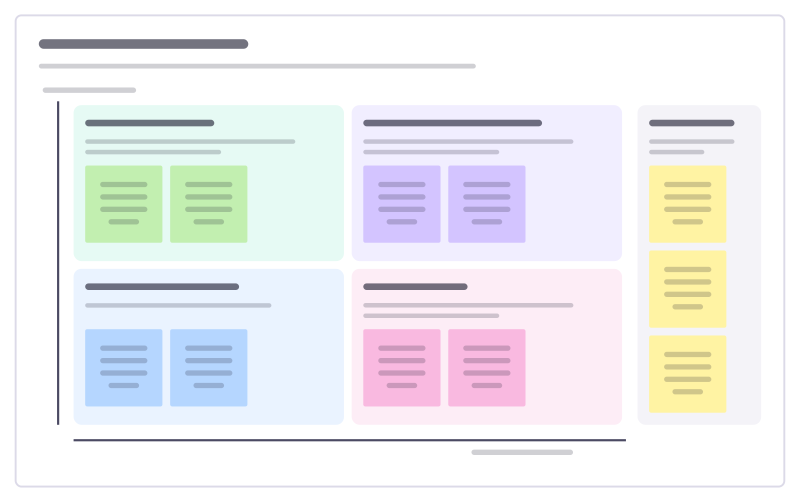
Human + agent workshop
Sort a team’s tasks by how much judgement and how much repetition they involve, to decide what agents do and what people keep.
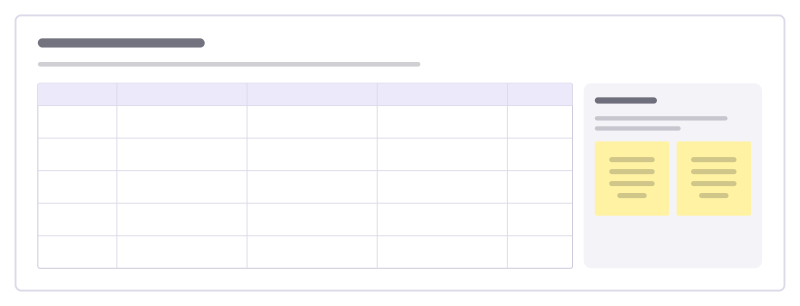
Eval review board
Go through test cases for an AI feature: the input, what good looks like, what it actually said and the verdict.
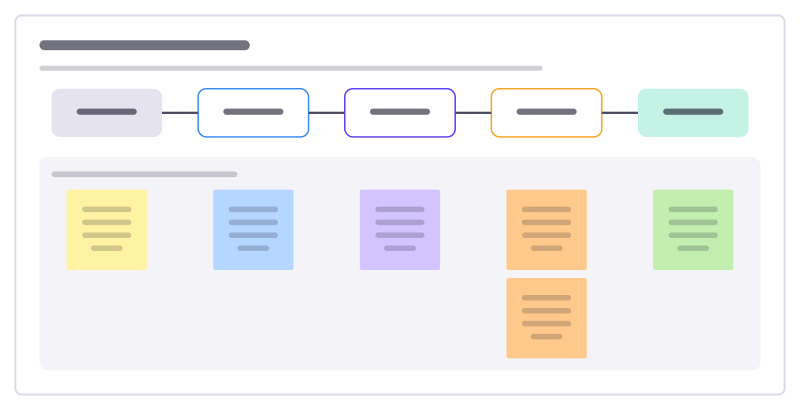
Agent workflow design
Design a workflow an AI agent runs: what starts it, what it gathers, what it does, how its work is checked and how it hands back.
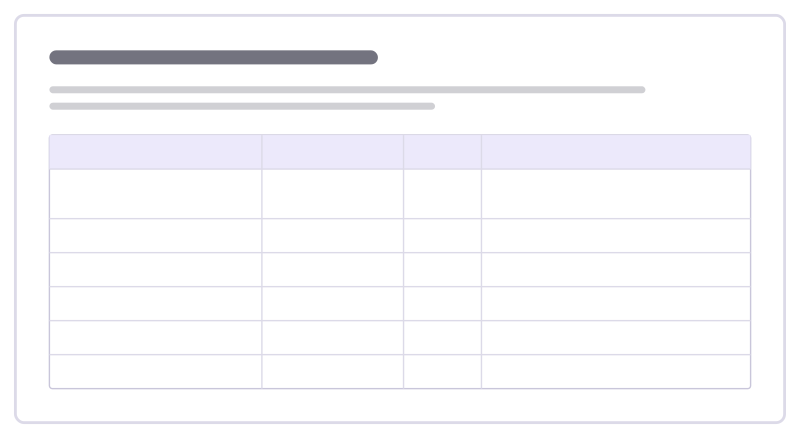
Agent permissions review
Decide what an AI agent may do on its own, what needs a person’s approval and what it must never do, action by action.
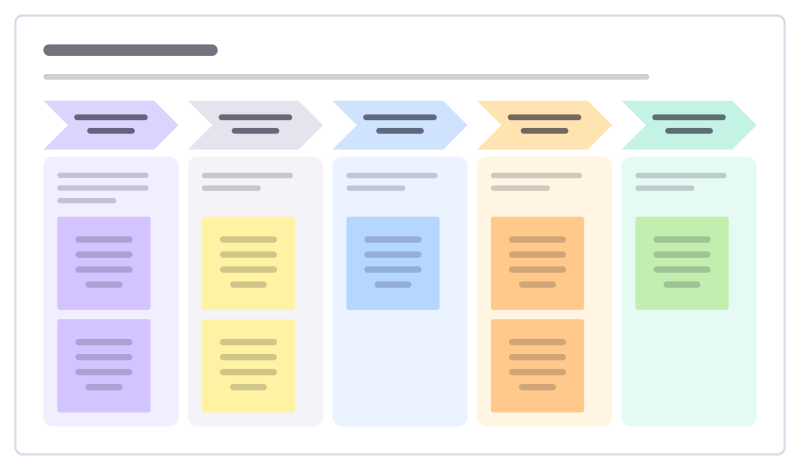
AI pilot plan
Run a small, honest pilot of an AI tool: the job it should do, the baseline, a test group, what you measure and the decision at the end.
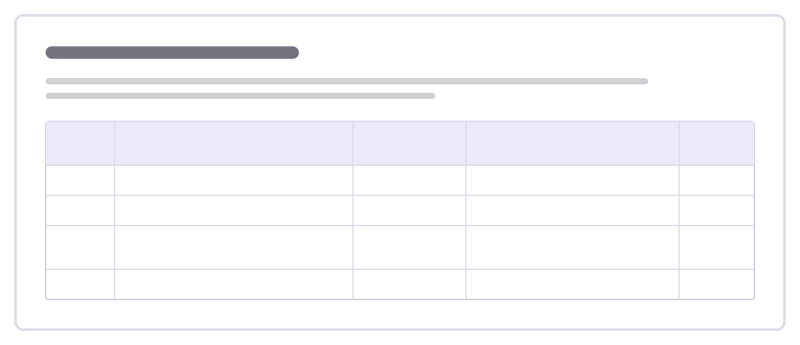
Prompt iteration log
Keep track of how a prompt evolves: each version, what changed, how it did on your test cases and whether to keep it.
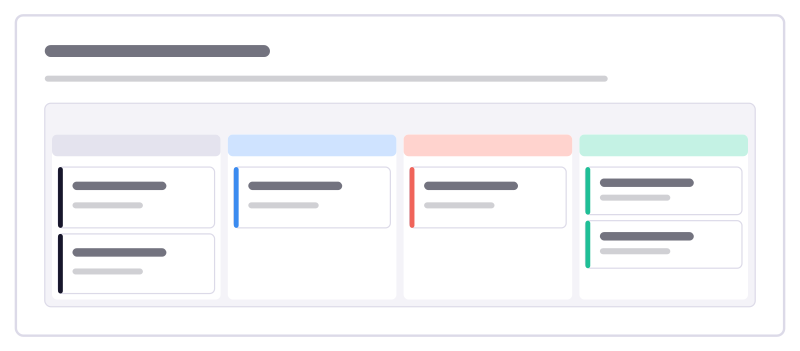
Human review queue
A board for people to review what agents produced: waiting, in review, sent back with a reason, and approved.
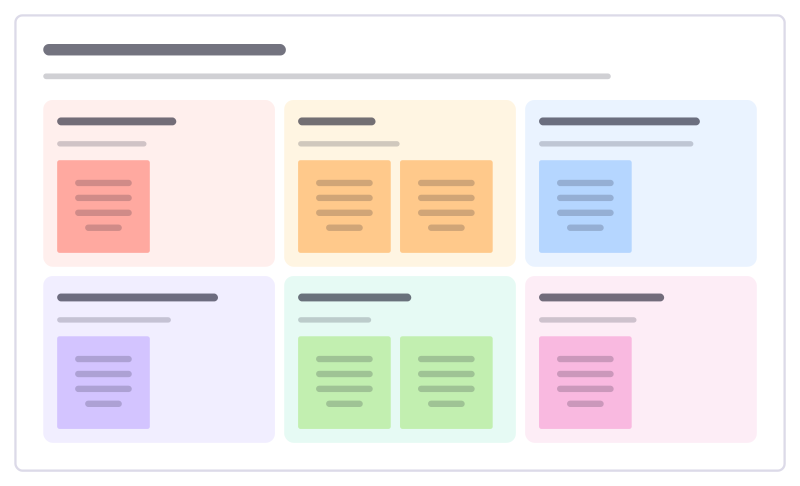
Agent incident review
Look into a time an AI agent got something wrong: what happened, why it happened, why checks missed it, and what changes.
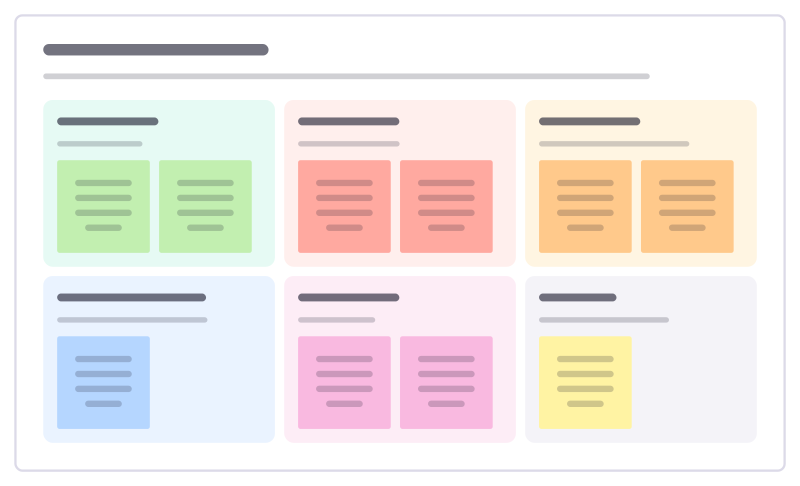
AI use policy draft
Draft the team’s rules for using AI tools: what’s encouraged, what’s off limits, what data can go in, and when to say AI was used.
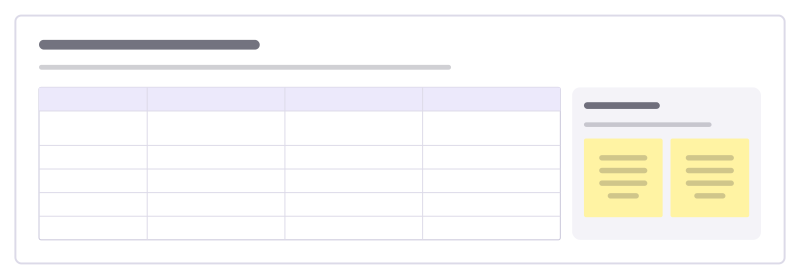
Model option comparison
Compare AI model or tool options for one job on quality, cost, speed, privacy and fit, using your own test cases.
Automation candidates
List repetitive tasks and score each for automation: time spent, how rule-based it is, data available and the cost of a mistake.
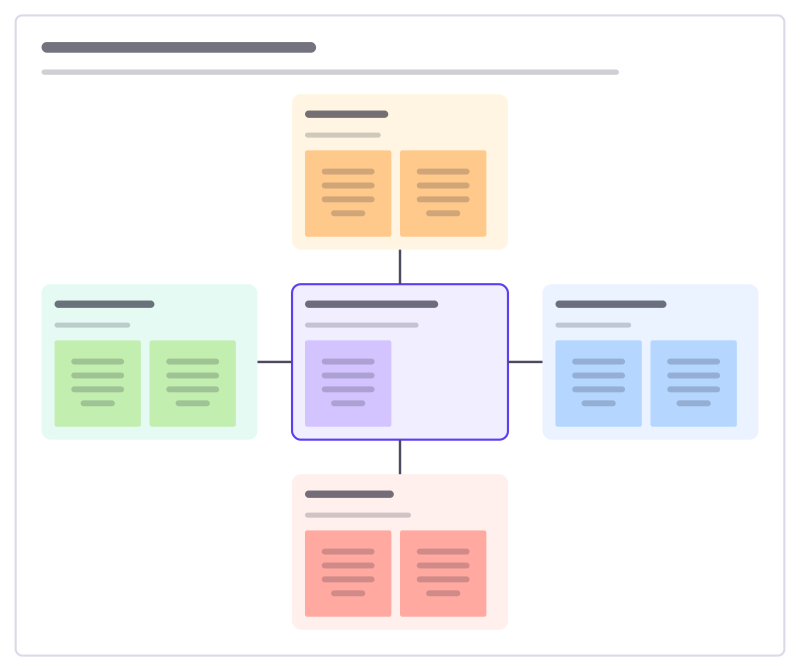
Assistant knowledge sources
Map what an AI assistant draws on to answer questions: each source, who owns it, how fresh it is and what it must not use.
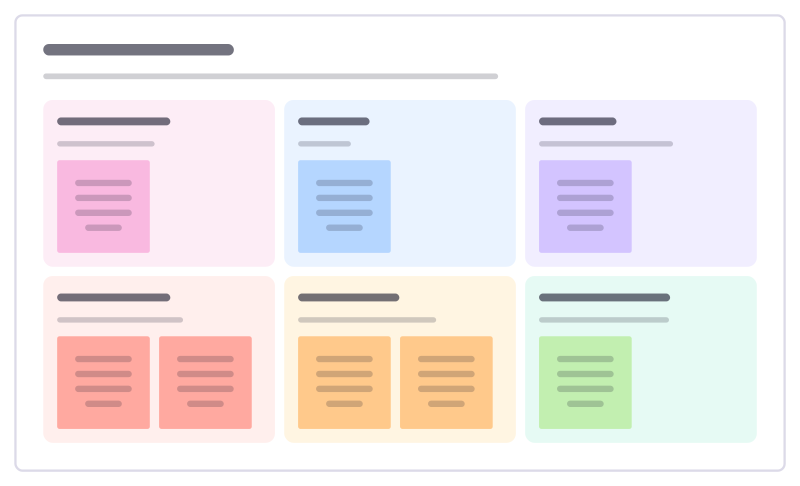
AI feature spec
Specify an AI-powered feature: the user and job, inputs and outputs, how it can fail, the guardrails and how you’ll measure quality.
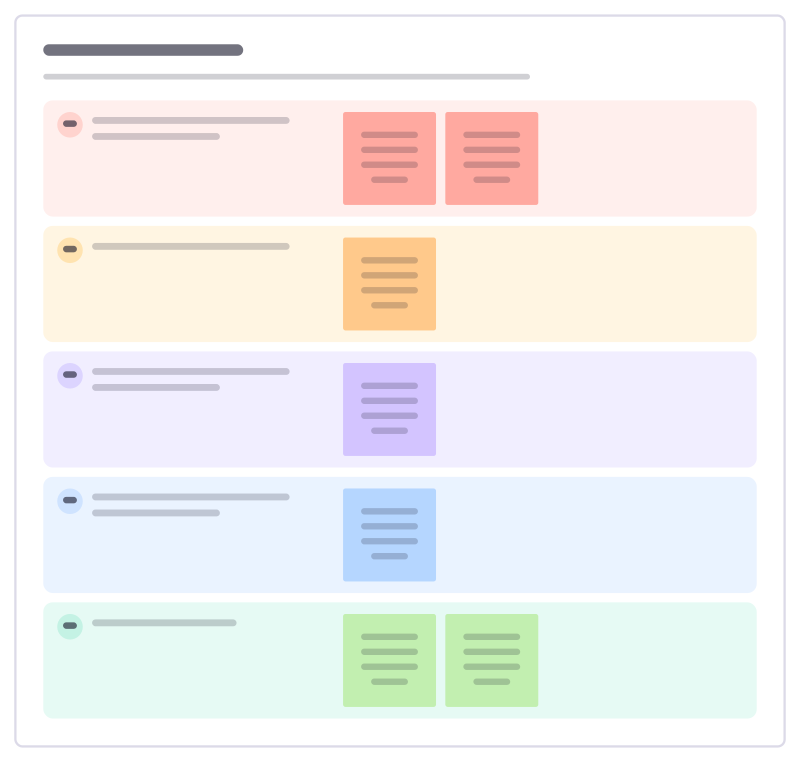
Red team session
Spend an hour trying to make an AI feature misbehave: the attempts, what worked, how bad it was and the fix.
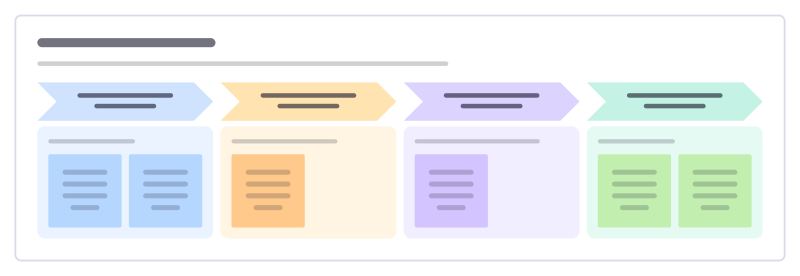
AI adoption roadmap
Plan how a team or company adopts AI in stages: learn, try safely, embed in workflows, and scale what works.
Golden test set
Build the set of test cases an AI feature must pass: realistic inputs, the expected answer, tags and why each case matters.
Agent run review
Step through one run of an AI agent: what it did at each step, whether it was right, and what to change in its instructions or tools.
Team prompt library
The prompts your team reuses, with the inputs each one needs, when it works best and who keeps it up to date.
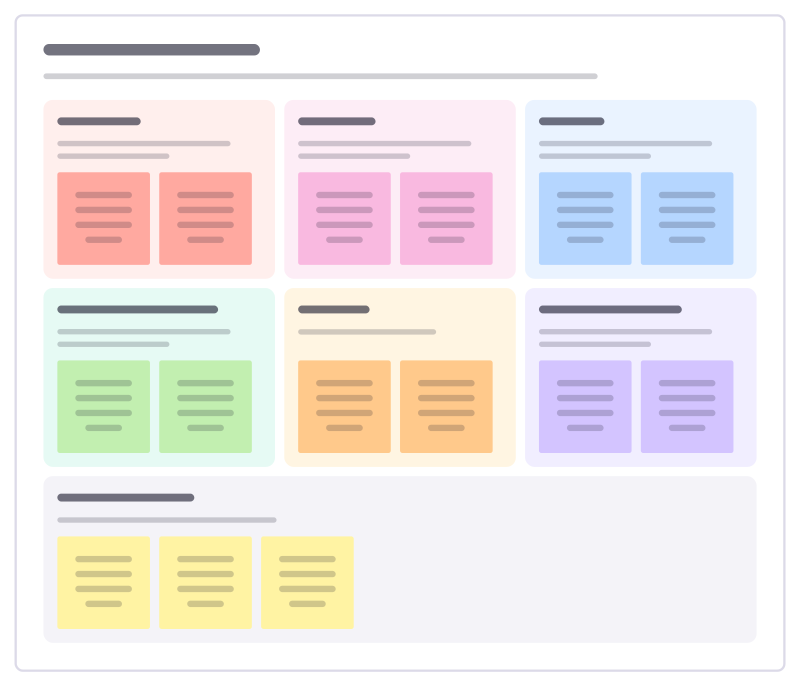
AI use case canvas
Think an AI idea through before building it: the problem, the people, the data, what good looks like, risks and who stays in the loop.
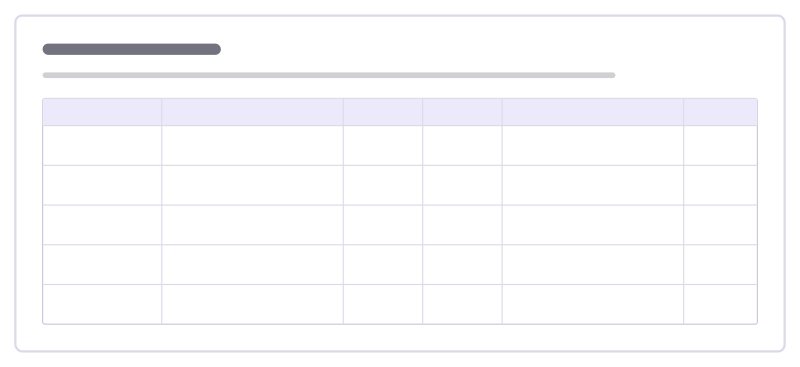
AI risk review
Check an AI feature against the risks that matter before launch: how likely, how bad, what you do about it and who owns it.
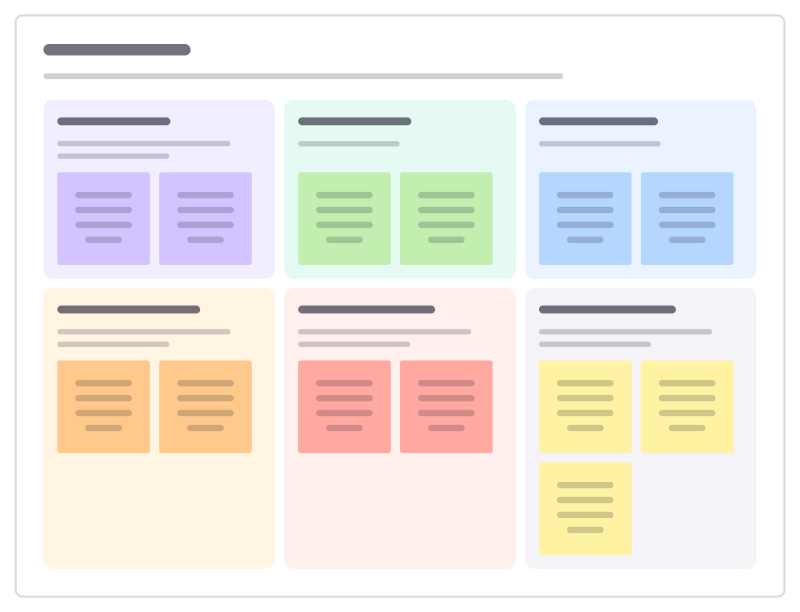
Model card
Describe a machine learning model for the people who rely on it: what it does, its data, how well it works, for whom, and its limits.
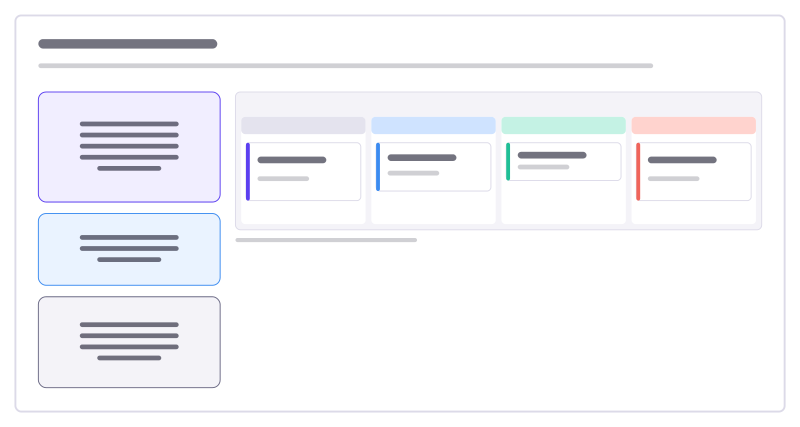
Agent control room
Watch and steer an AI agent: it posts its plan, status and tasks here; you move cards and comment to redirect it.
Bring your team and your agents to one board
Free to use, open source, and yours to host. No credit card, no seat count.