Templates
Operations templates, page 2
Map how work flows today, find where it breaks and fix the cause: value streams, process maps, five whys and failure modes, risk registers, and handovers for the day to day.
151 free templates · Editable · Works with Claude and ChatGPT · Page 2 of 3
Operations templates 61–120 of 151
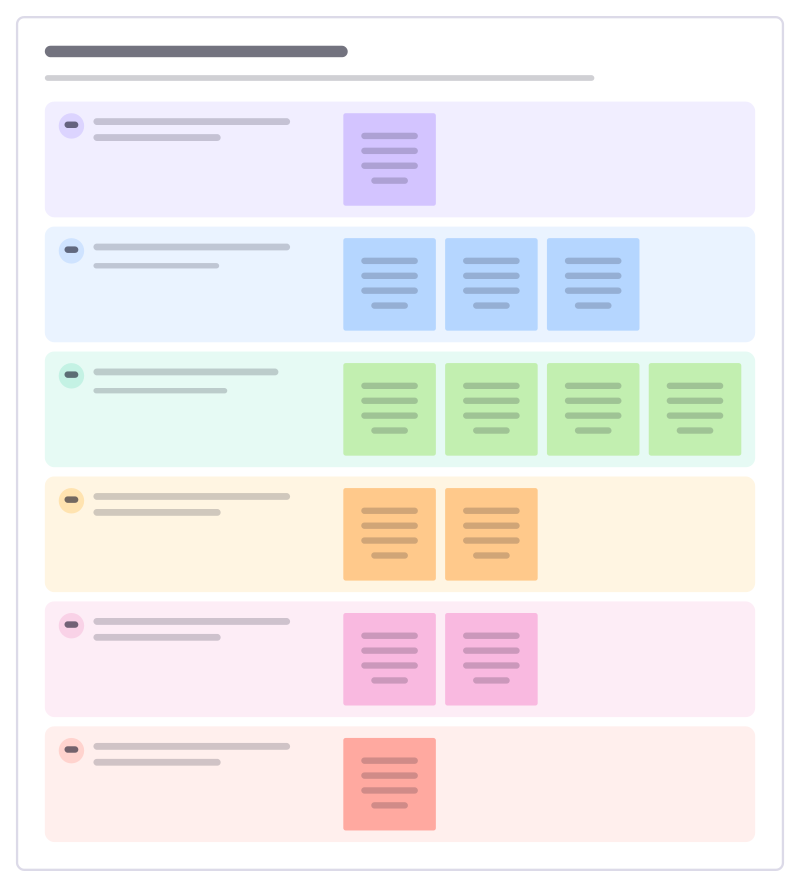
Standard operating procedure
Write a routine task down so anyone on the team can do it the same way: when, what you need, the steps and what to do if it fails.
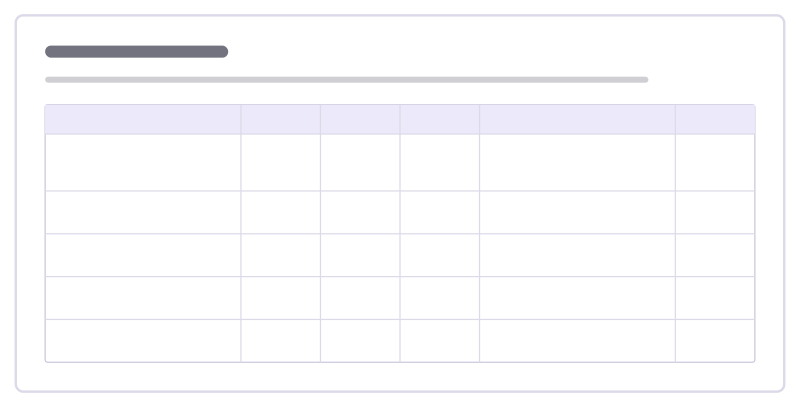
Risk register
List what could go wrong, how likely and how bad each risk is, who owns it and what you are doing to reduce it.
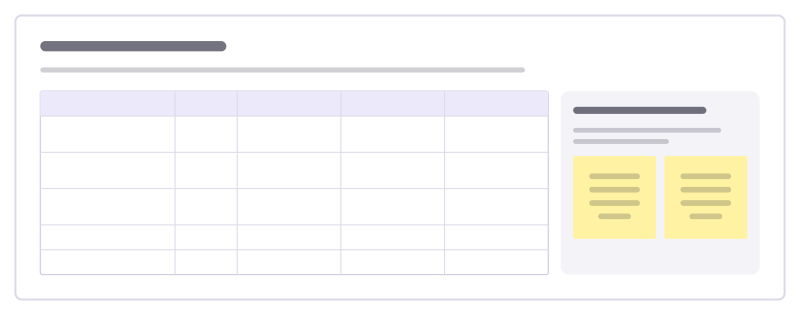
Vendor comparison
Compare shortlisted suppliers on the requirements that matter to you, see the gaps at a glance and record what references said.
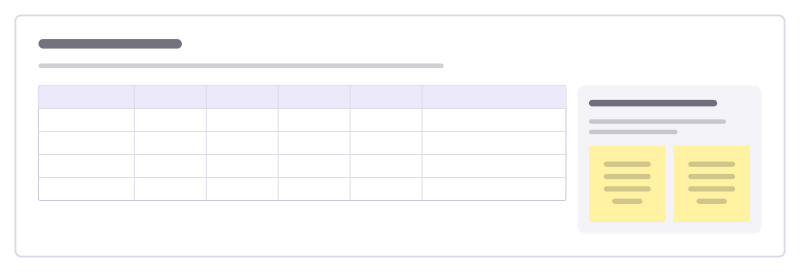
Capacity plan
See how loaded each person or team is week by week, so you can move work before anyone is overbooked.
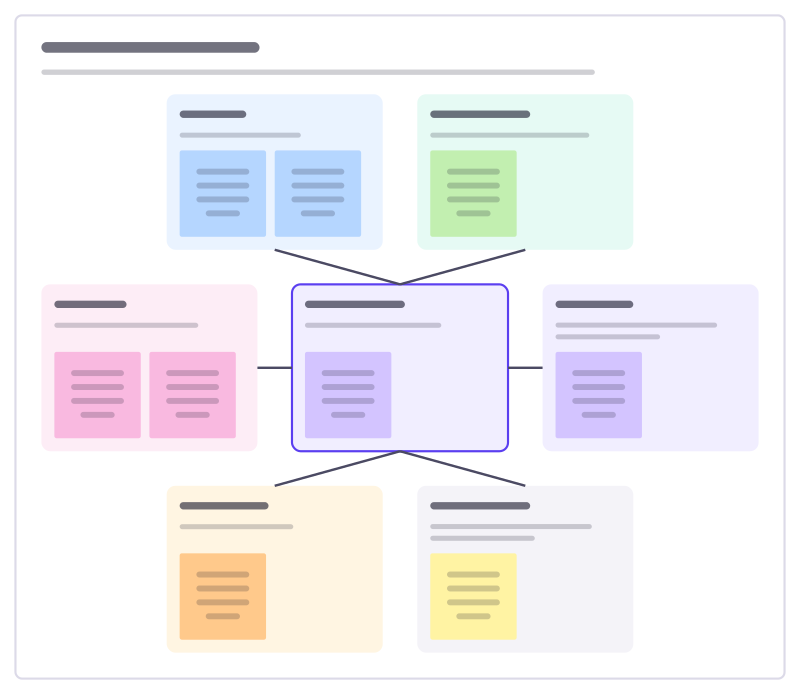
Cause and effect map
Put one problem in the middle and look for causes in six directions, so the team explores widely before settling on a fix.
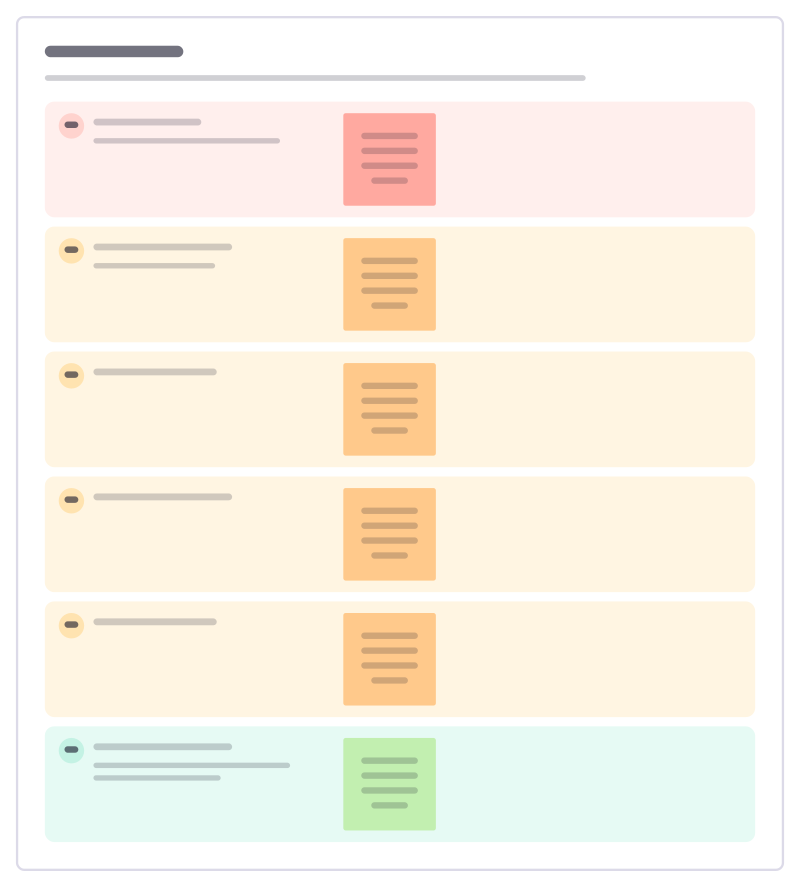
Five whys
Ask "why?" until you reach a cause you can actually fix, writing down the evidence for each answer on the way.
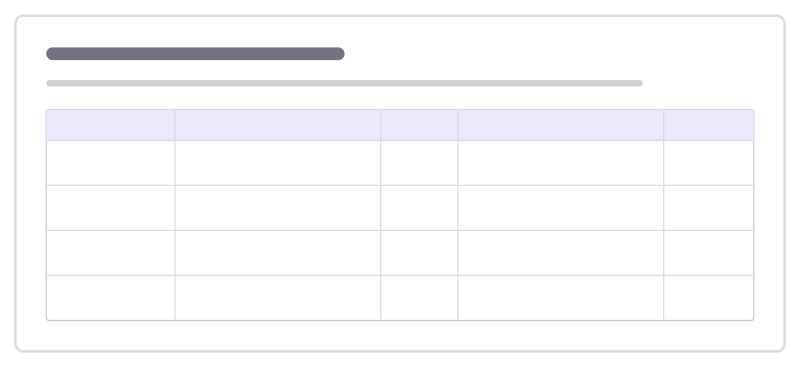
Change impact assessment
For each group a change touches, what changes for them, how big the impact is and the support they will need.
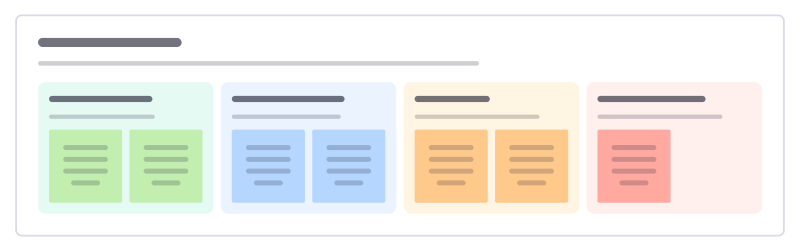
Shift handover
What the next shift needs to know: what got done, what is still running, what to watch and what needs a decision.
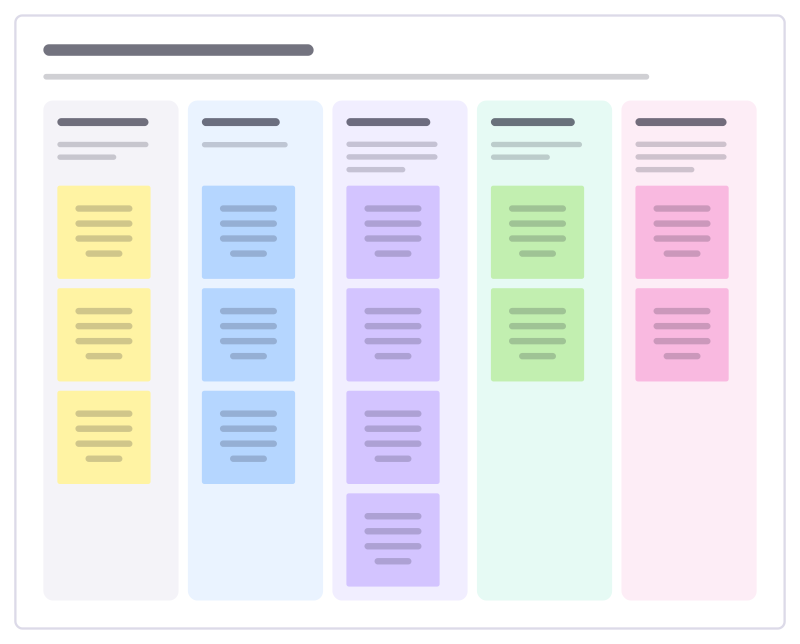
Supplier-to-customer map
One process on a page: who supplies what goes in, the few main steps, what comes out and who receives it.
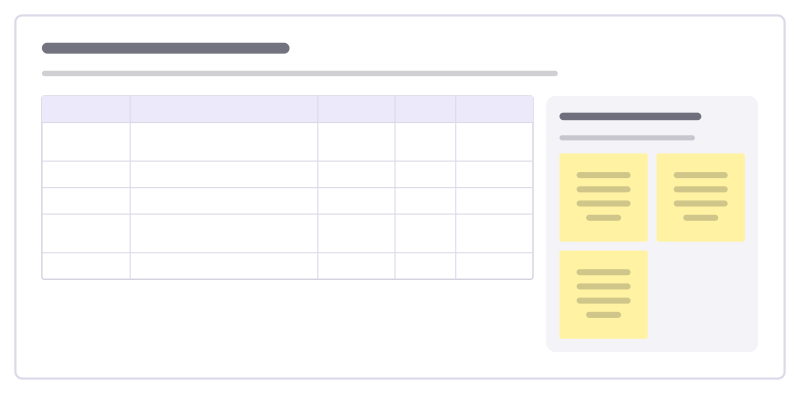
Construction punch list
List every defect and unfinished item found at the end of a build, room by room, with who fixes it and when it was signed off.
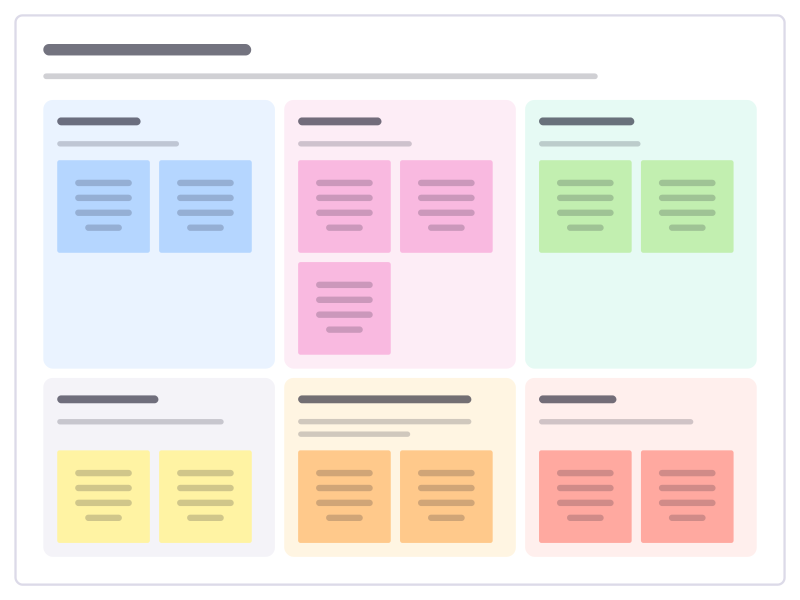
Site daily report
A one-page record of a day on a building site: weather, people and plant on site, work done, deliveries, delays and safety.
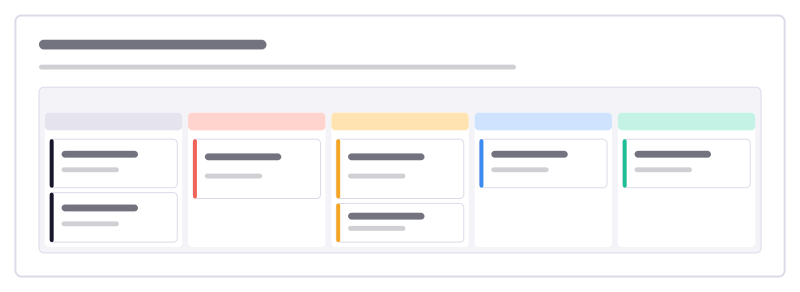
Facilities request board
Collect and track building requests, from broken lights to room changes, so the facilities team sees the queue and people see progress.
Office space plan
Plan who sits where by neighbourhood: which teams share space, how many desks, rooms and quiet areas each needs, and on which days.
Store visit report
Record an area manager’s store visit: trading against plan, standards on the floor, stock, the team and the actions agreed.
Store daily huddle
A five-minute team briefing before the doors open: yesterday’s numbers, today’s target, deliveries, focus and who is on what.
Stock count plan
Plan a full stock count so the numbers can be trusted: preparation, count day, recounts, reconciling and reporting.
Mystery shop findings
Go through what a mystery shopper experienced moment by moment against your standard, and turn the gaps into coaching.
Customer complaint log
Log every customer complaint with its channel, category and how it was put right, and spot the themes that keep coming back.
Peak trading staffing plan
Match staff hours to the busiest days of a peak season, slot by slot, and see the gaps before the rush rather than during it.
Returns reasons analysis
Group why customers send products back, size each reason, and pick fixes that stop returns before they happen.
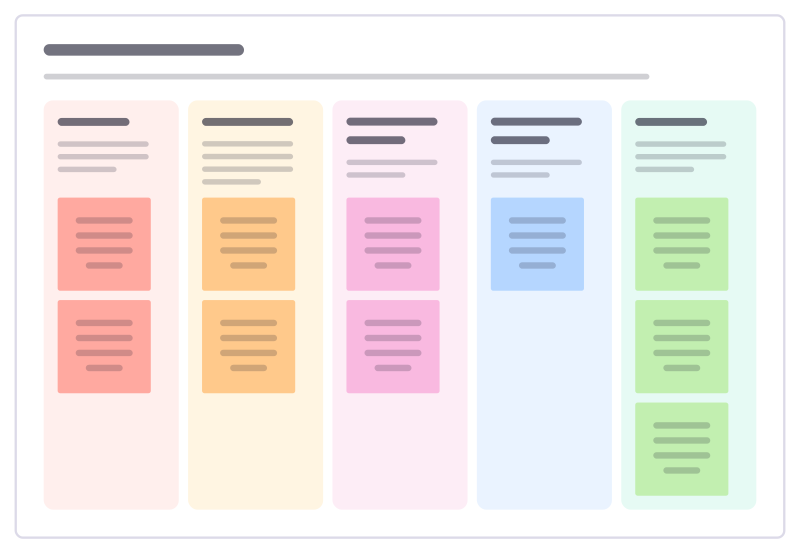
Shrinkage review
Break down where stock goes missing, from theft to admin errors and waste, and agree the fixes that cut losses most.
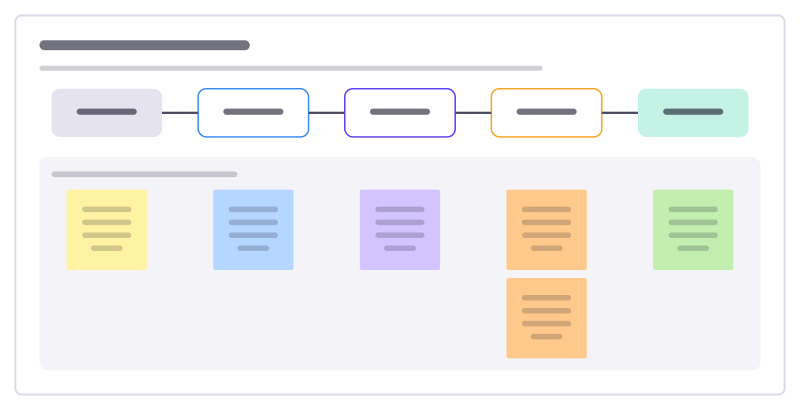
Agent workflow design
Design a workflow an AI agent runs: what starts it, what it gathers, what it does, how its work is checked and how it hands back.
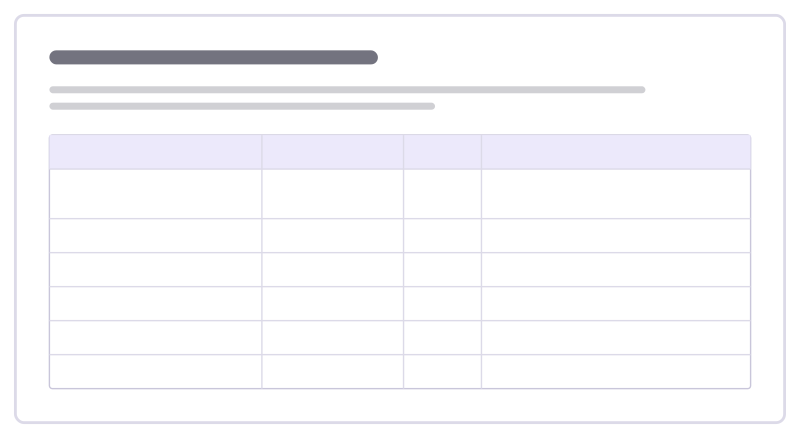
Agent permissions review
Decide what an AI agent may do on its own, what needs a person’s approval and what it must never do, action by action.
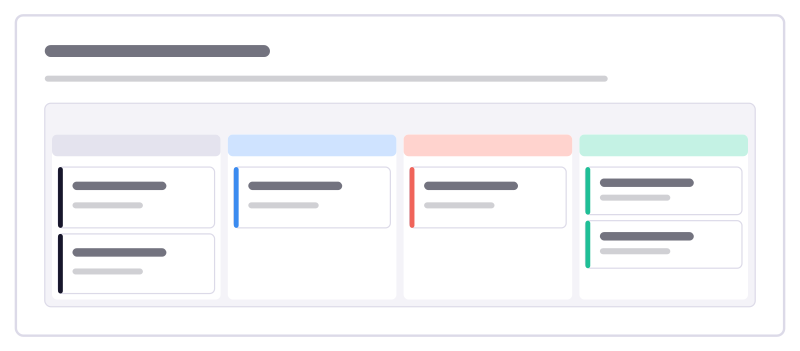
Human review queue
A board for people to review what agents produced: waiting, in review, sent back with a reason, and approved.
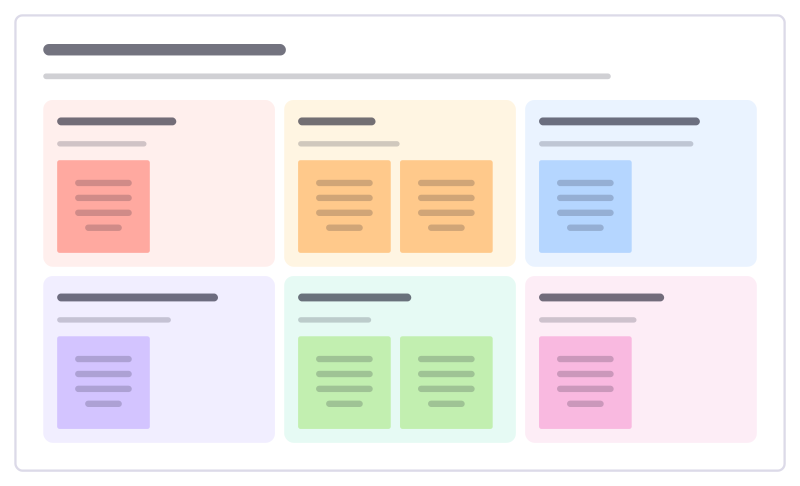
Agent incident review
Look into a time an AI agent got something wrong: what happened, why it happened, why checks missed it, and what changes.
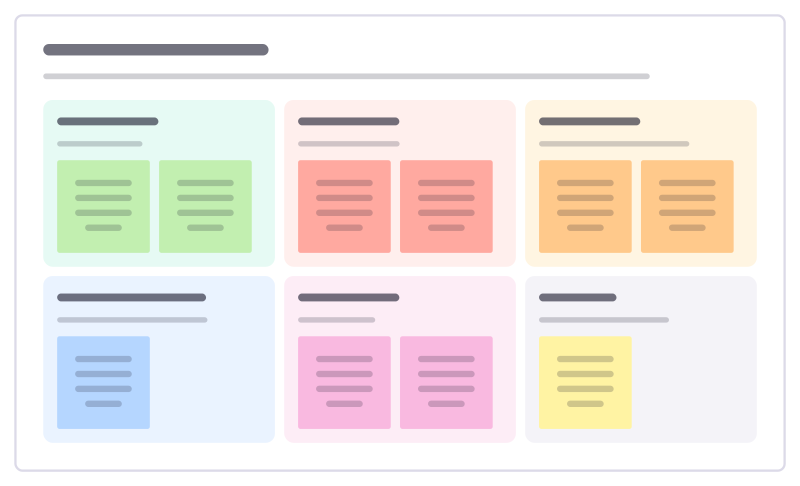
AI use policy draft
Draft the team’s rules for using AI tools: what’s encouraged, what’s off limits, what data can go in, and when to say AI was used.
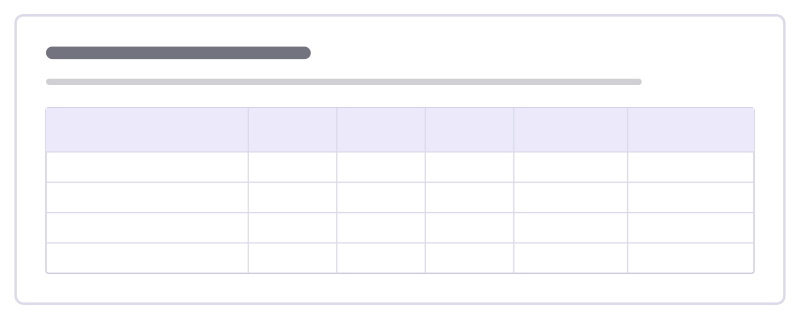
Automation candidates
List repetitive tasks and score each for automation: time spent, how rule-based it is, data available and the cost of a mistake.
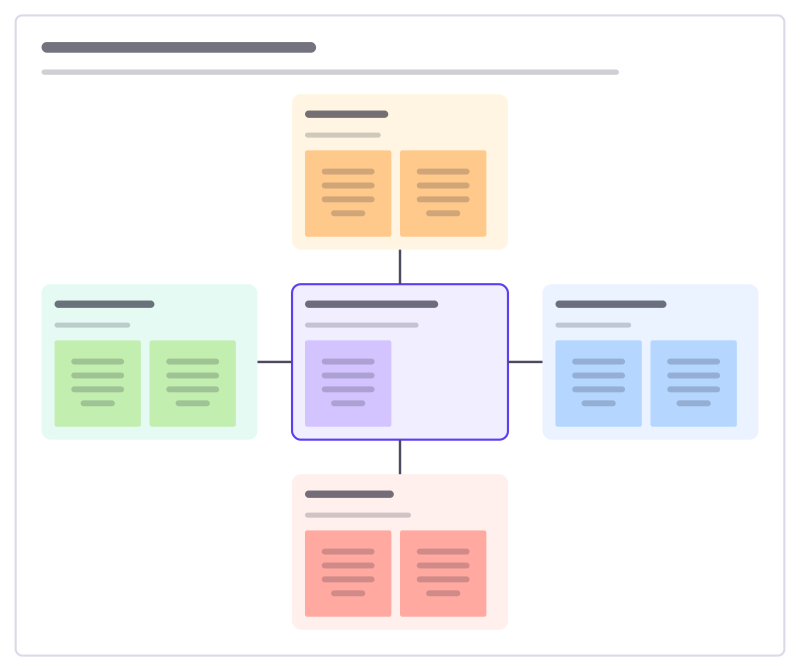
Assistant knowledge sources
Map what an AI assistant draws on to answer questions: each source, who owns it, how fresh it is and what it must not use.
Team prompt library
The prompts your team reuses, with the inputs each one needs, when it works best and who keeps it up to date.
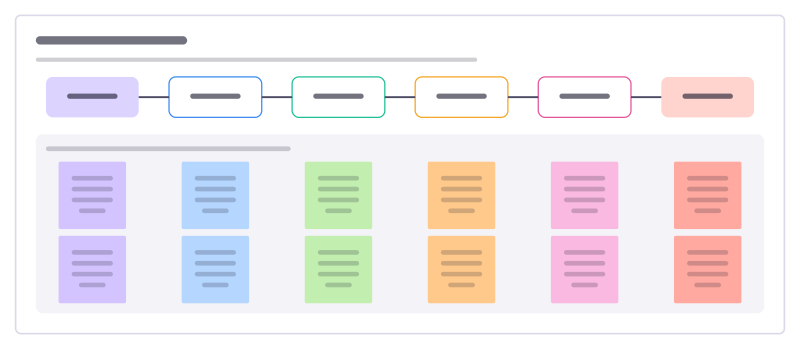
Agent handoff map
Who hands what to whom when people and agents share a piece of work, and the check that has to pass at each handoff.
AI risk review
Check an AI feature against the risks that matter before launch: how likely, how bad, what you do about it and who owns it.
Migration plan
Move data or traffic from an old system to a new one in safe, reversible steps, with a check before each step.
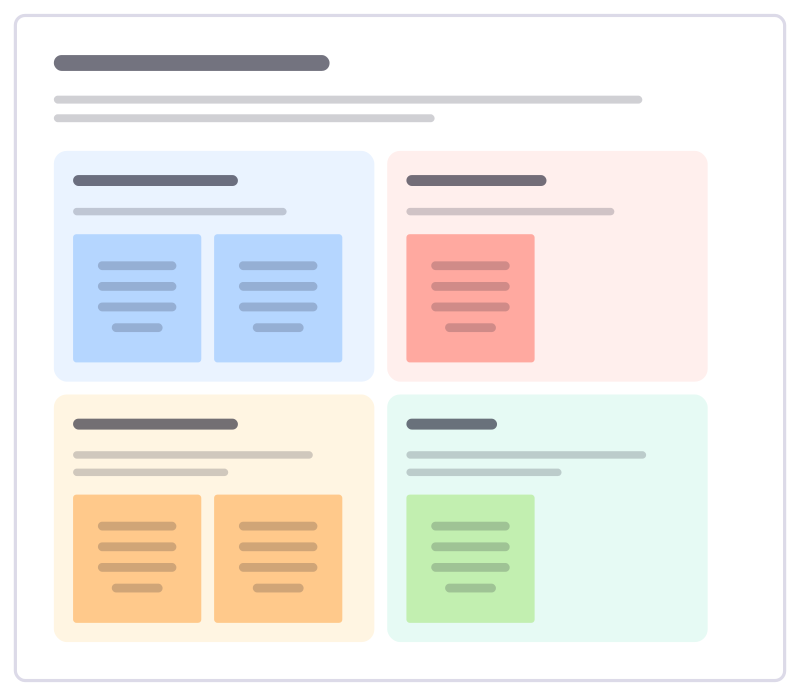
On-call handover
Hand the pager over cleanly: what happened this week, what’s still open, what to watch and what the next person needs to know.
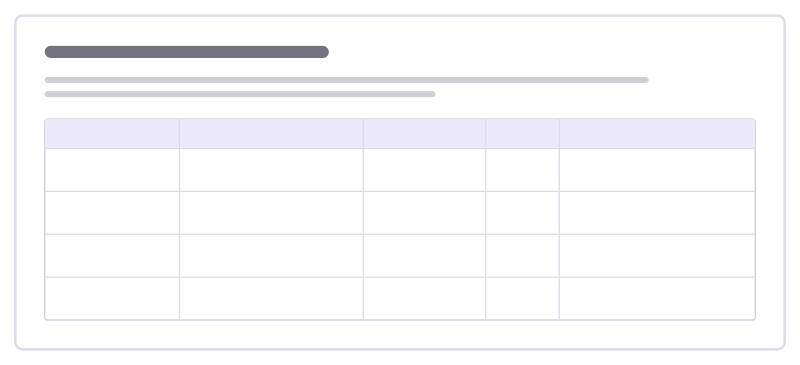
Threat modelling session
Walk through what an attacker could do to a feature: what’s worth protecting, how it could be reached, the impact and the fix.
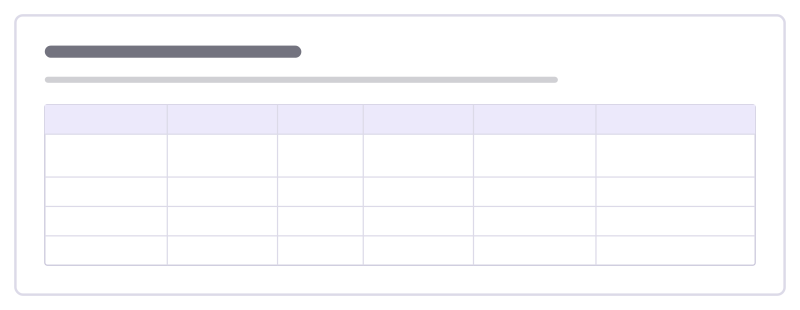
Service ownership map
Who owns each service, where its docs and dashboards live, how critical it is and who to call when it breaks.
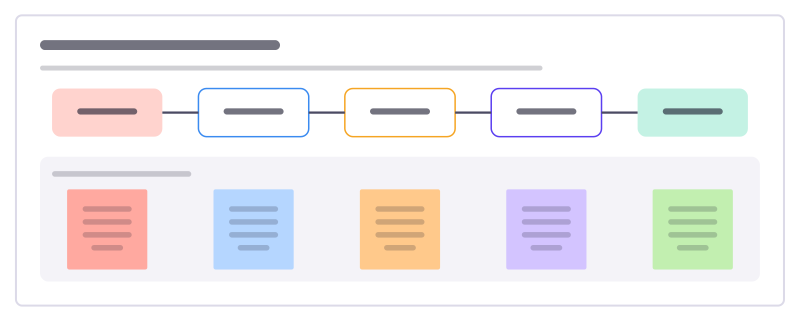
Performance investigation
Work through a slowdown methodically: the symptom, measurements, a hypothesis, one change at a time and proof it helped.
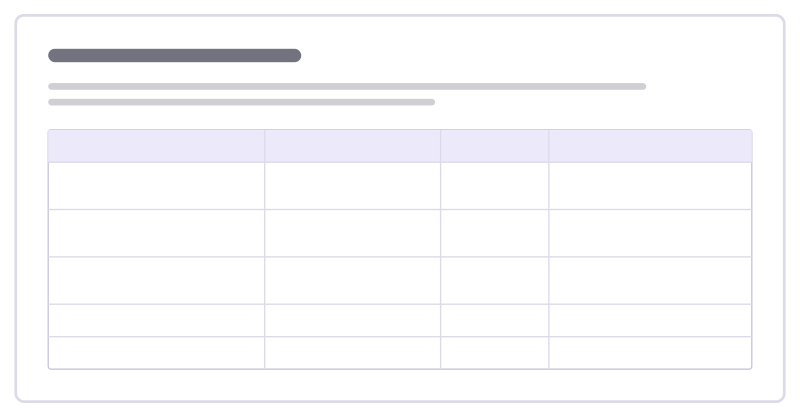
Observability plan
Decide what to measure for a service: the question each signal answers, where it lives and when it should wake someone up.
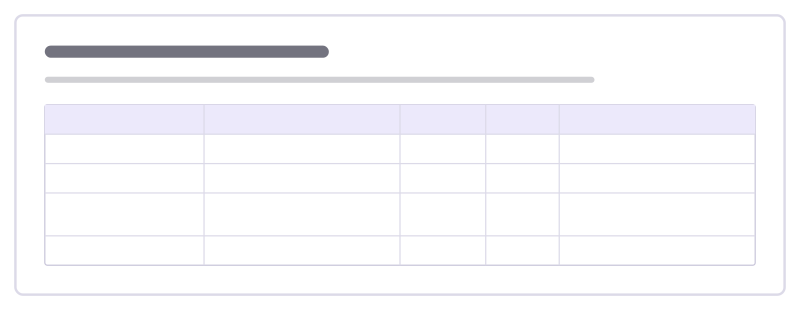
Service level objectives
Agree reliability targets from the user’s side: the journeys that matter, how to measure them, the target and what happens when you miss.
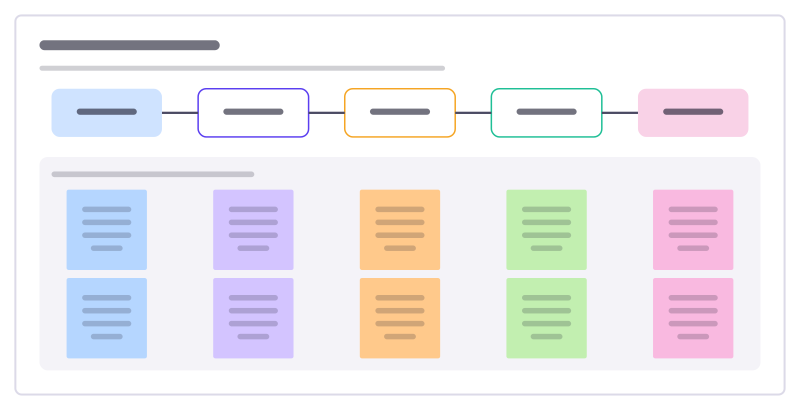
Data pipeline map
Follow data from where it comes from to where it’s used: each stage, its owner, the checks and how fresh it is.
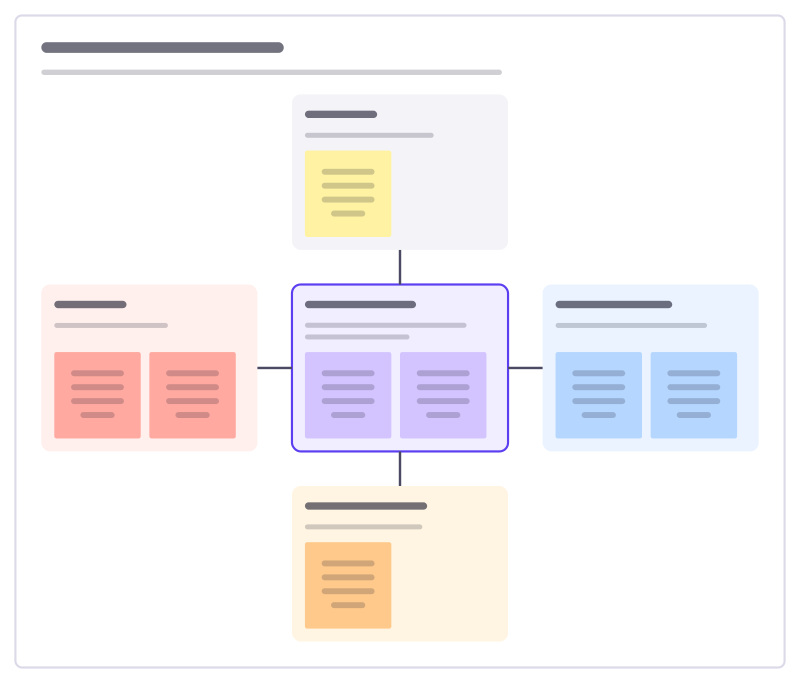
Incident response roles
Who does what when a serious incident starts: the incident lead in the middle, and the roles that support them.
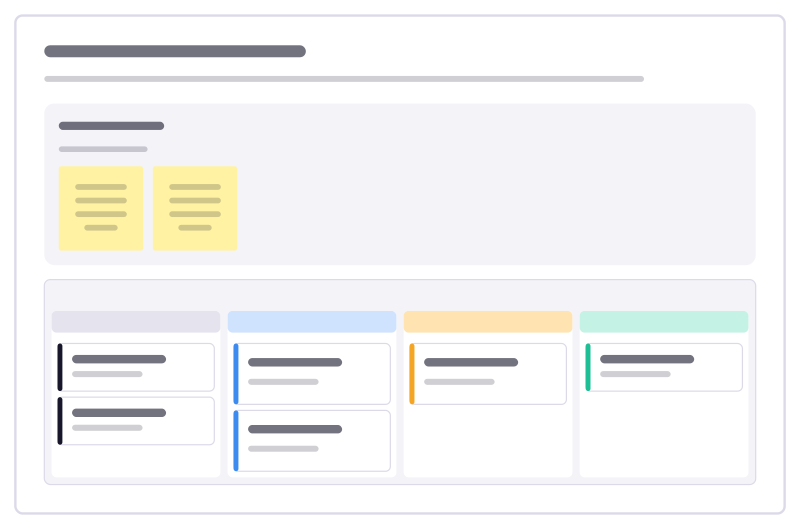
Kanban with WIP limits
A flow board with limits on work in progress, so the team finishes things before starting new ones and sees where work piles up.
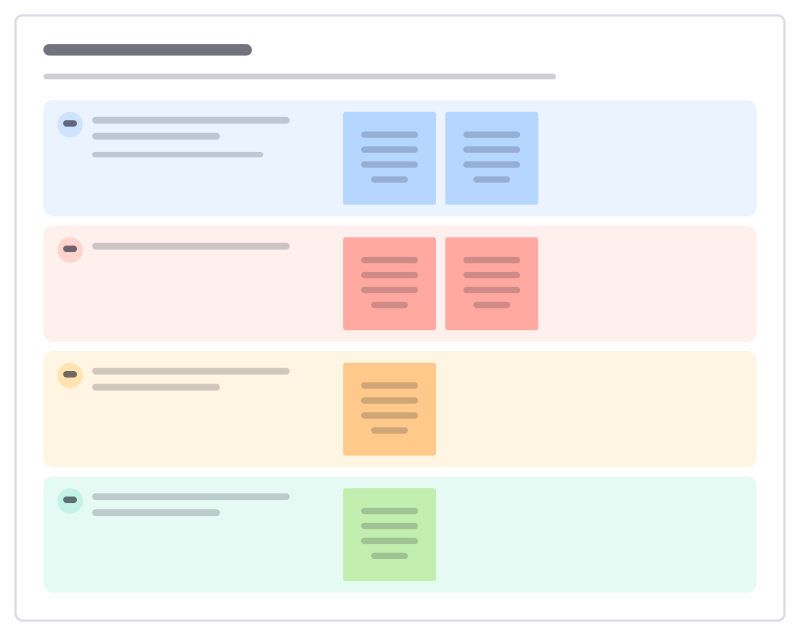
Cycle time review
Look at how long work really took from start to finish, where it waited, and what would make it flow faster.
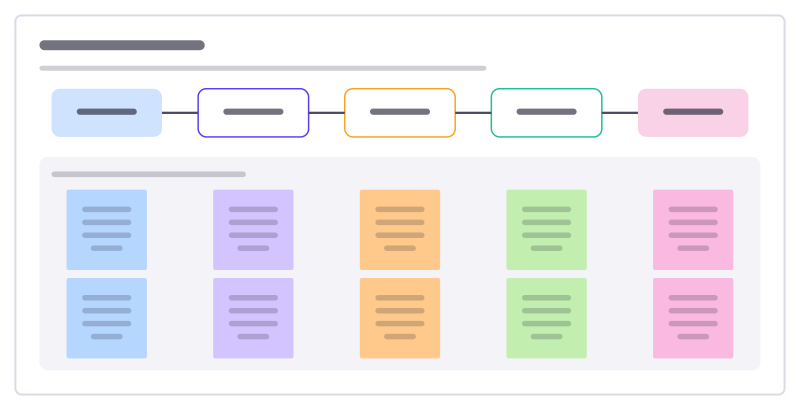
Value chain map
Follow how your organisation turns inputs into something customers pay for, step by step, and mark where you add or lose value.
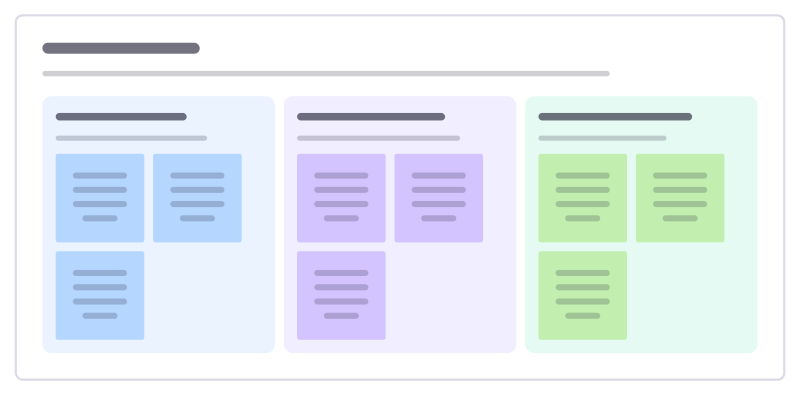
Gap analysis
Describe where you are today, where you want to be, and the concrete steps that close the gap between the two.
Support escalation review
Look back at the tickets that had to be escalated this month, find why they got stuck and fix the causes, not just the tickets.
Support playbook
Write down how your team handles a common kind of ticket: how to spot it, what to ask, what to do and when to hand it on.
Help centre gap review
Find the questions customers keep asking support that your help articles don’t answer, and plan which articles to write or fix.
Customer coverage model
Decide how much attention each group of customers gets, from a named manager to self-service, and what each group can expect.
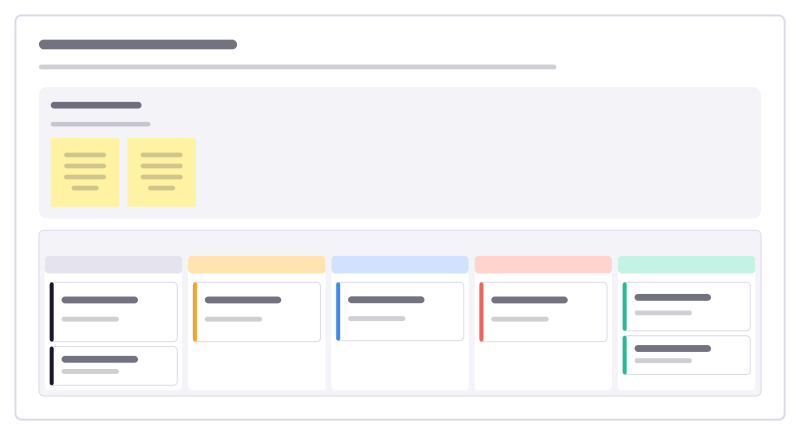
Support triage board
Keep the team’s tricky tickets visible: what is new, waiting on the customer, with engineering, and solved this week.
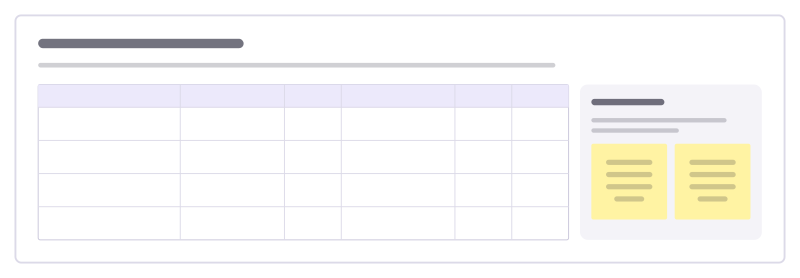
Data quality issue log
Keep a shared list of known problems in your data: what is wrong, which reports it affects, how bad it is and who is fixing it.
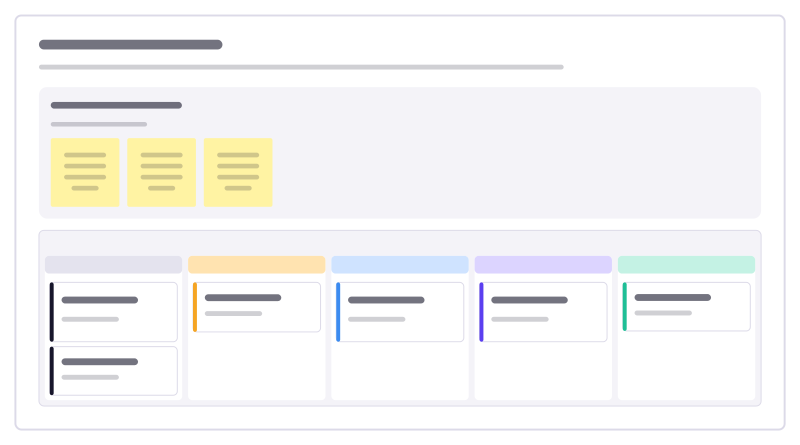
Data request board
Track the data and reporting requests coming to your team, from new asks to delivered answers, so nothing waits in someone’s inbox.
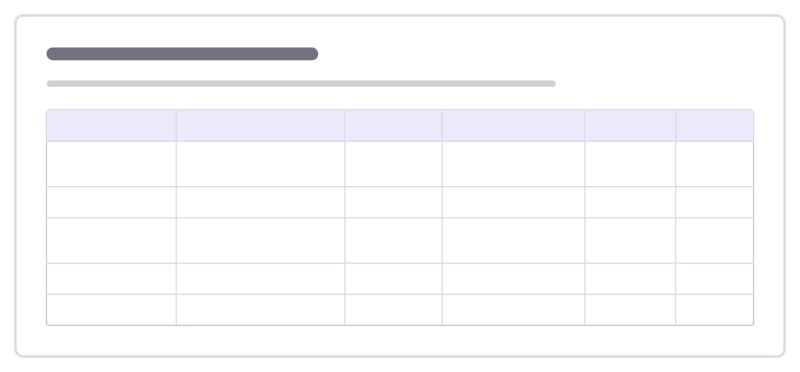
Data source inventory
List every system your reporting pulls from, who owns it, how data gets out, how often and how much you trust it.
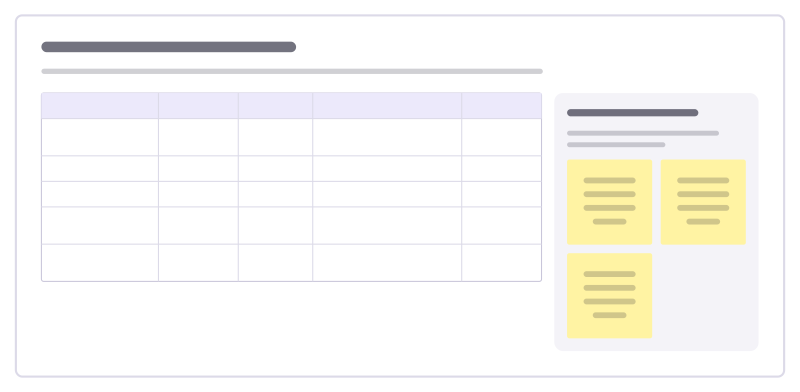
Data ownership and access
Agree who owns each kind of data, who may see it, how sensitive it is and how long you keep it, in one table everyone can read.
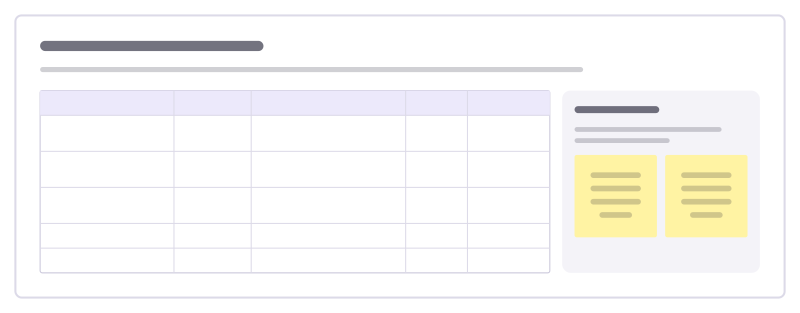
Feature request triage
Go through incoming feature requests: who asked, the problem behind the ask, how often it comes up and what we decide.
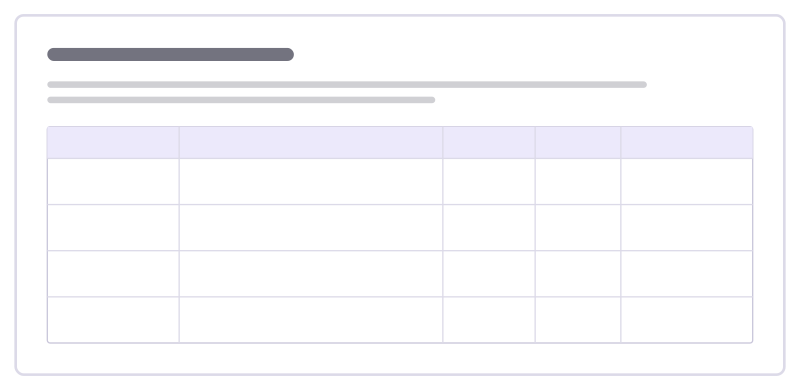
Metric definitions
One agreed definition per product metric: what it counts, how it’s calculated, its target, owner and where the data comes from.
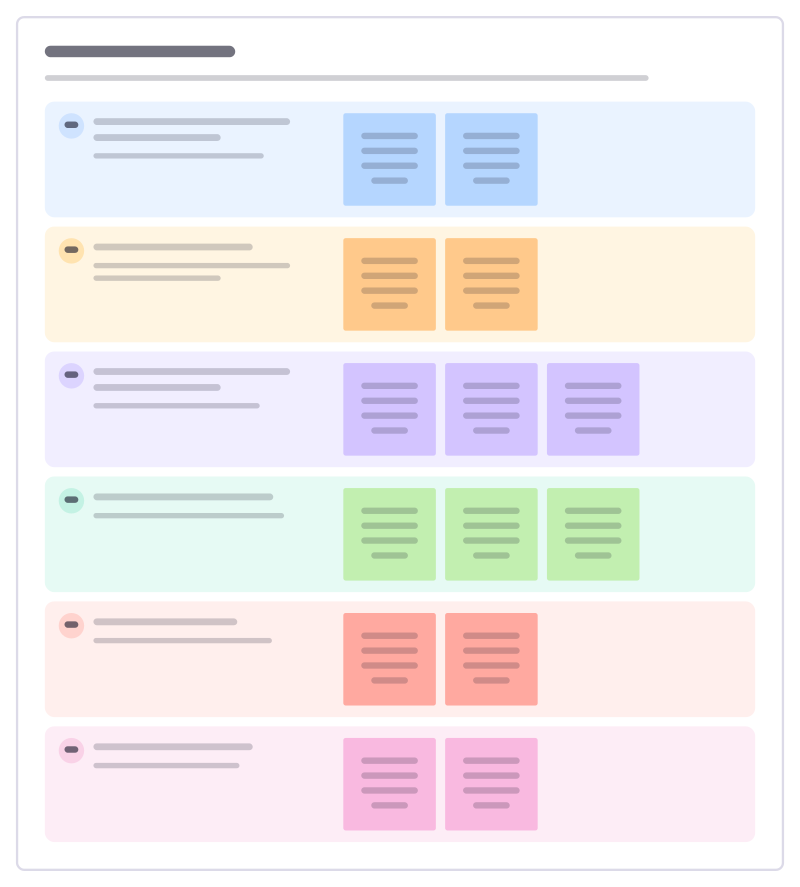
Service runbook
What an on-call engineer needs at 3am for one service: how to tell it’s broken, first checks, safe fixes and who to wake.
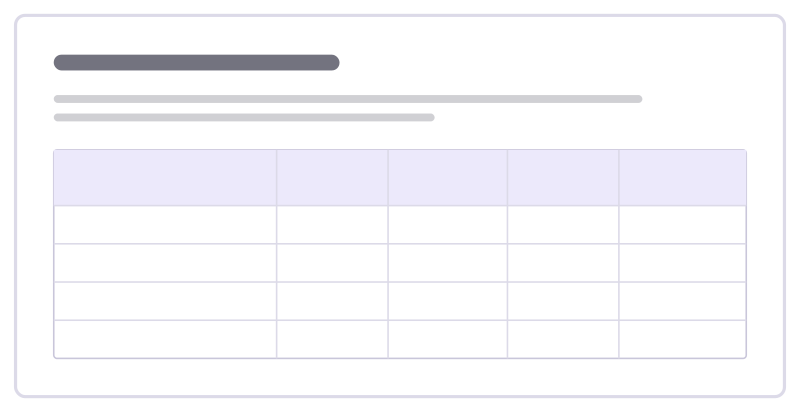
Content inventory
List every page or piece of content you have, who owns it, how it performs and whether to keep, update, merge or remove it.
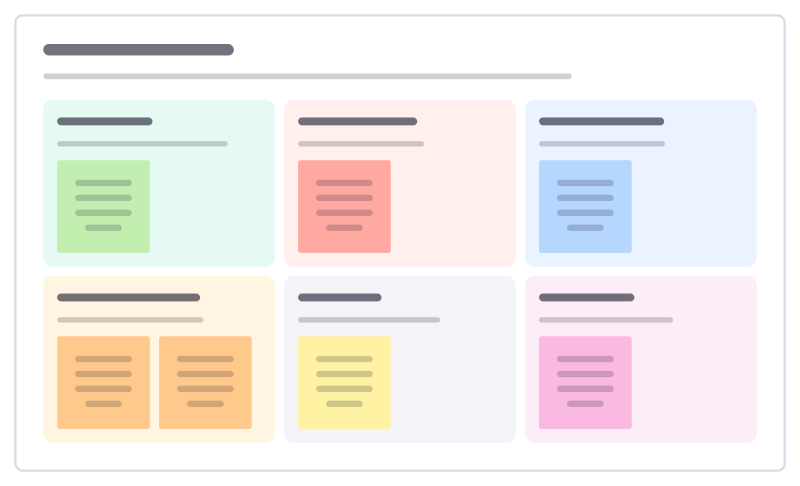
Project closure
Close a project formally: confirm what was delivered, hand over to owners, release people and budget, and archive what matters.
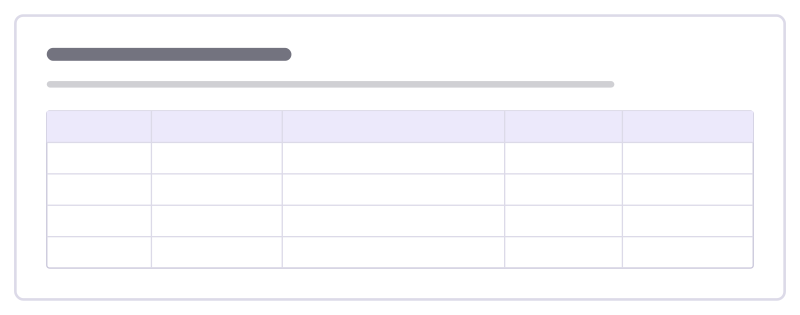
Holiday cover plan
Plan who covers whom over a holiday period: dates away, what needs covering, the cover person and the handover notes.
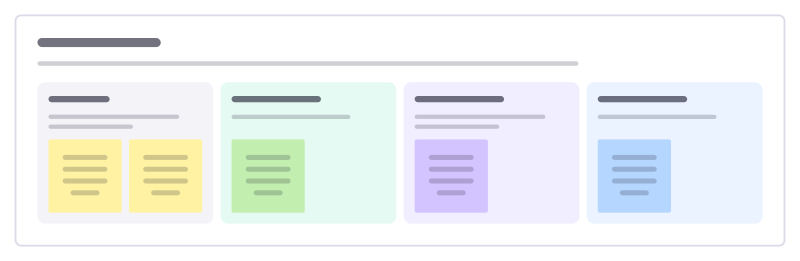
Parking lot
Catch the topics that come up but don’t belong in this meeting, and make sure each one ends with an answer or an owner.
Bring your team and your agents to one board
Free to use, open source, and yours to host. No credit card, no seat count.