Templates
Operations templates, page 3
Map how work flows today, find where it breaks and fix the cause: value streams, process maps, five whys and failure modes, risk registers, and handovers for the day to day.
151 free templates · Editable · Works with Claude and ChatGPT · Page 3 of 3
Operations templates 121–151 of 151
Should this be a meeting?
A quick test before booking a meeting: what you need, from whom, and whether a message or document would get it faster.
Budget variance review
Compare what each budget line actually spent with the plan, explain the big gaps and agree what to do about them.
Annual budget cycle
Plan next year’s budget round: guidance from the top, team drafts, challenge sessions, approval and how it is shared.
Negotiation plan
Prepare for a contract negotiation: what you must get, what you can give, what they will ask for and your walk-away point.
Volunteer onboarding
Take a new volunteer from signing up to their first shifts without losing them to slow replies, checks or a confusing first day.
Beneficiary feedback loop
Ask the people you serve what is working, act on it and tell them what changed, so feedback becomes a habit and not a survey.
Role handover
Hand over a role when someone moves on: responsibilities, open work, key relationships, where things live and what’s risky.
Offboarding checklist
Everything to do when someone leaves, from the day they resign to after their last day: access, equipment, pay, handover and goodbye.
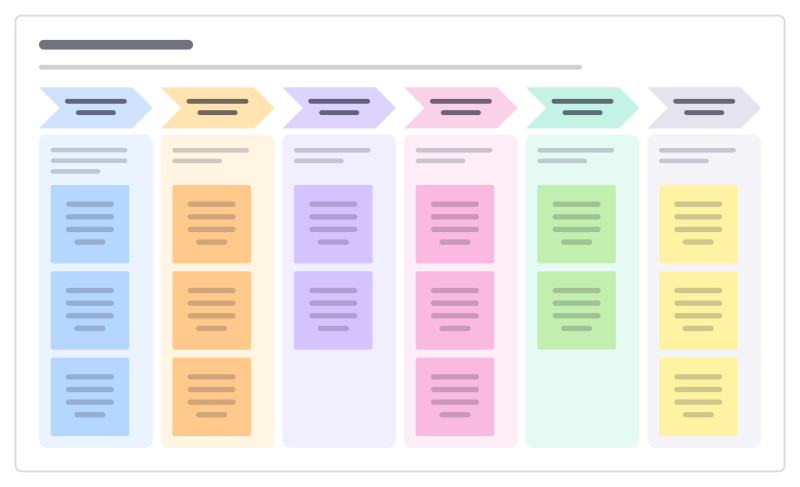
Policy rollout
Introduce a new or changed workplace policy in stages: draft, consult, approve, announce, train and check that it works in practice.
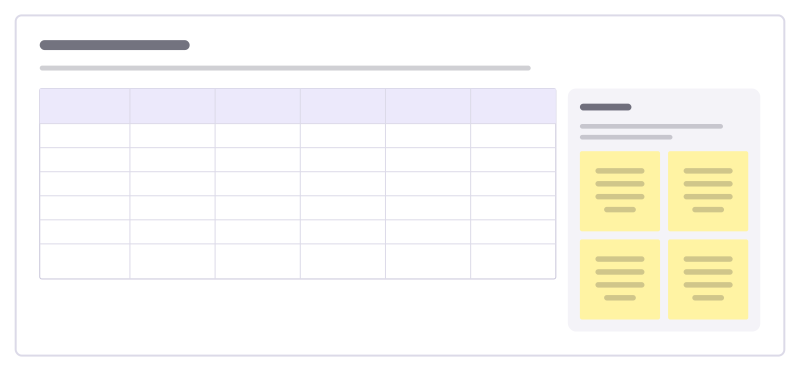
Skills matrix
Who knows what on the team, at which level, so you can spot single points of failure and plan cross-training.
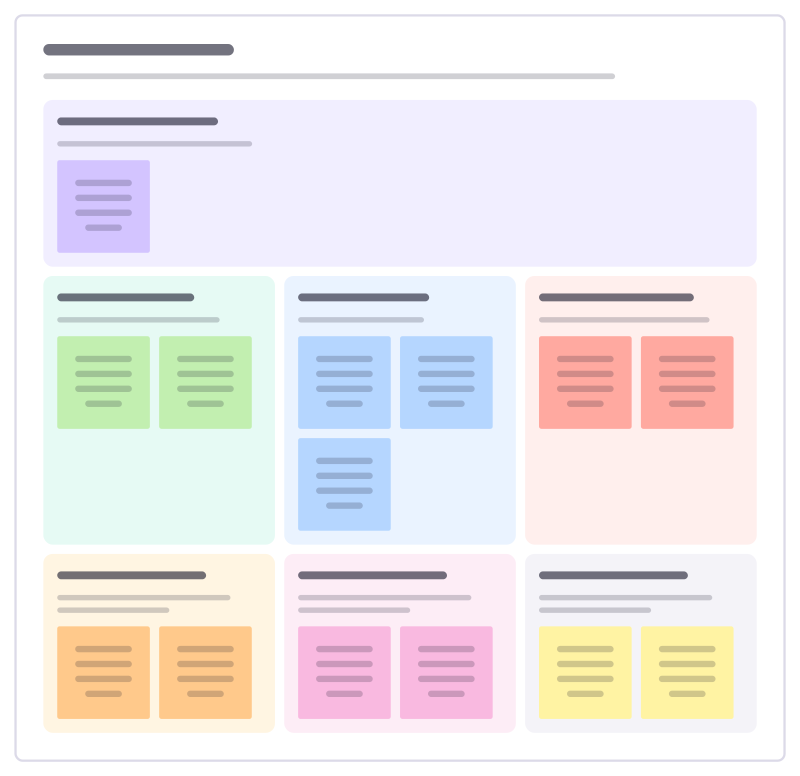
Role definition
One role on a page: why it exists, the outcomes it owns, the decisions it makes and where it stops.
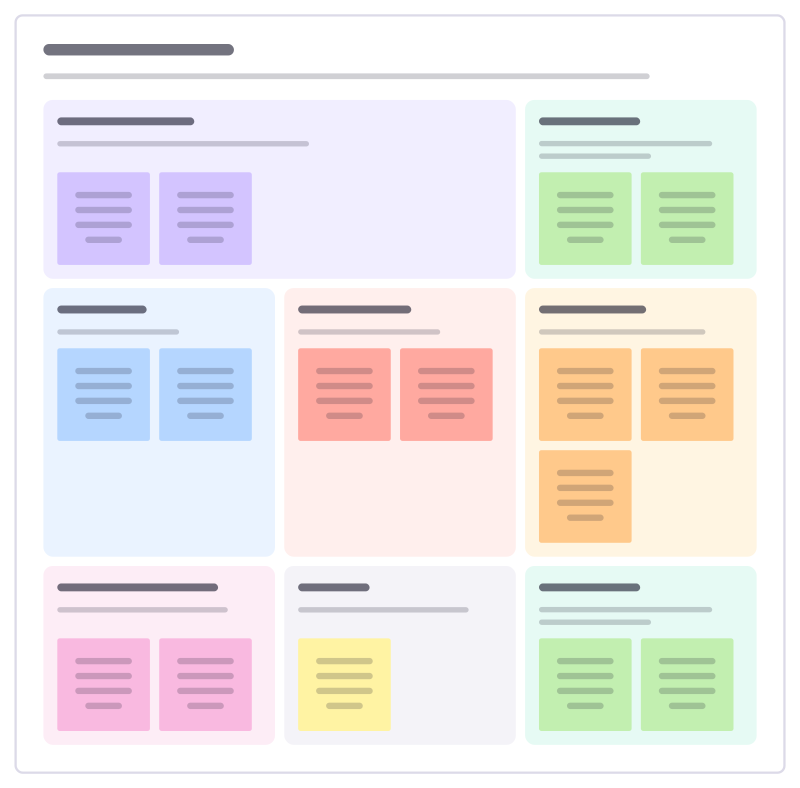
Project charter
The agreement a sponsor signs before work starts: why the project exists, what is in and out, who decides and what done means.
Budget plan
Planned against actual spend per line, with variance and a note for each gap, so budget talks start from the same numbers.
Change request log
Record every request to change scope, dates or budget, what it would cost, who decided and what was agreed, in one place.
Lessons learned register
Collect lessons while a project runs, not just at the end: what happened, why, what to repeat or avoid, and who will make sure it sticks.
Handover to operations
Check a project is ready to hand to the team who will run it: support, documents, training, monitoring and open issues agreed.
Issue log
Track the problems that are already hurting the project: what is wrong, how badly, who is fixing it and by when.
Go-live cutover plan
Run a business system go-live hour by hour: each step, who does it, how you check it worked, and the point of no return.
Error budget policy
Agree in advance what the team does as a service uses up its allowance for failure, from business as usual to stopping releases.
Game day plan
Plan a practice failure in a safe window: what you break, what you expect to happen, how you stop it and what you learn.
Alert review
Go through last month’s alerts one by one and decide which to keep, tune, turn into a ticket or delete, so pages mean something.
Disaster recovery test
Prove you can restore a system from backup in another place, time each step and compare it with the recovery time you promised.
Toil inventory
List the manual, repetitive work that keeps an operations team busy, measure what it costs each month and pick what to automate.
Access review
Check who can get into each important system and at what level, and remove what people no longer need.
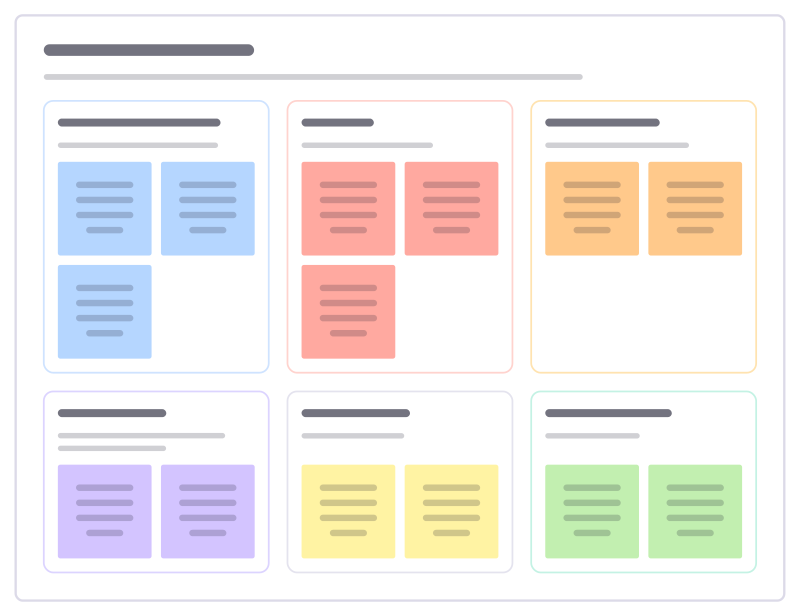
Cloud cost review
Review where the monthly cloud bill goes, find waste and agree a few savings with owners, without hurting reliability.
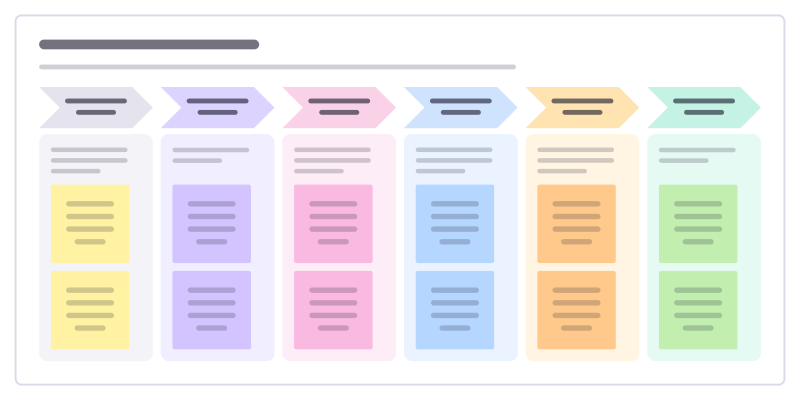
Restaurant opening plan
Count down to opening a restaurant or café: licences, fit-out, menu, hiring, training and soft launch, with what is due when.
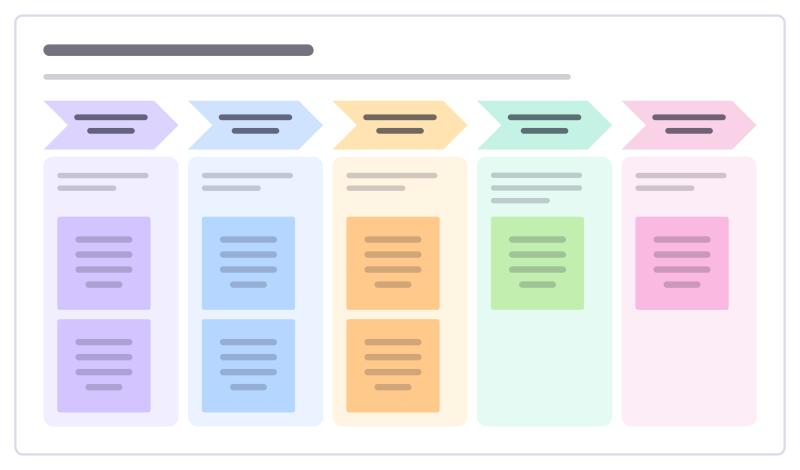
Customer onboarding plan
Take a new customer from signed contract to first value: kickoff, setup, training, first results and the first review.
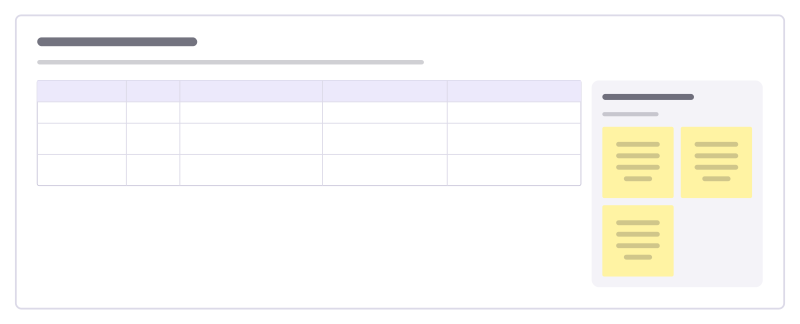
Churn risk review
Go through accounts that might leave: the warning signs, why you think they’re at risk, and the save plan with an owner.
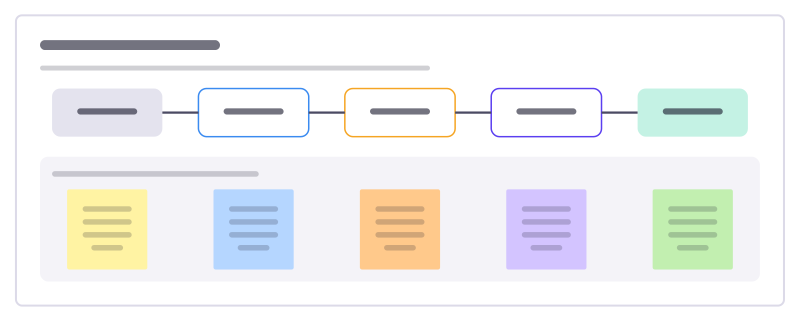
Sales process map
Map how a deal moves from first contact to signed, with what has to be true to move each stage forward.
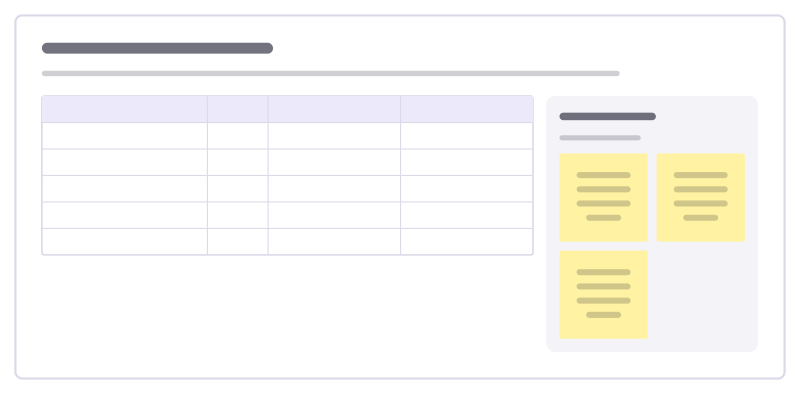
Customer health score
Define how you score account health: the signals, their weights, the thresholds and what the team does at each level.
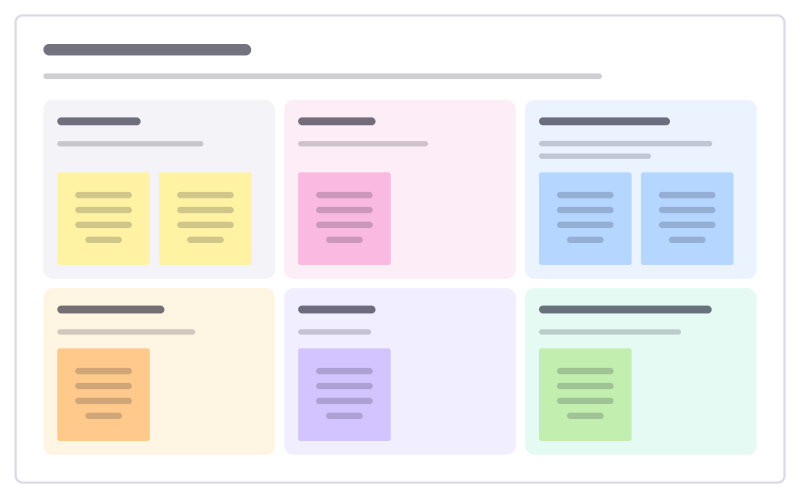
Field visit notes
Capture what you see on a site visit: the setting, people, tools and paper, the workarounds and the quotes worth keeping.
Bring your team and your agents to one board
Free to use, open source, and yours to host. No credit card, no seat count.