Templates
Strategy templates, page 2
Decide where to play and how to win on one board everyone can see: read the situation, weigh options and bets, set objectives and lay out the roadmap that follows from them.
94 free templates · Editable · Works with Claude and ChatGPT · Page 2 of 2
Strategy templates 61–94 of 94
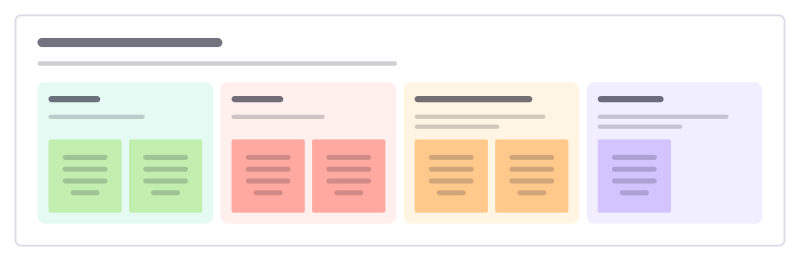
Pros, cons and fixes
Weigh one option properly: list its pros and cons, then look for fixes that keep the pros while removing the cons.
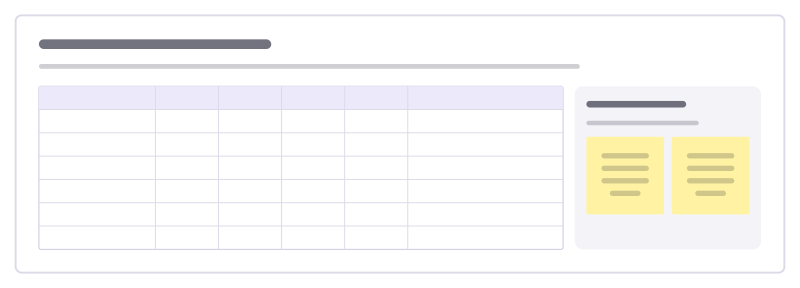
Weekly cash flow forecast
Forecast the money coming in and going out week by week for the next quarter, so you see a cash crunch before it arrives.
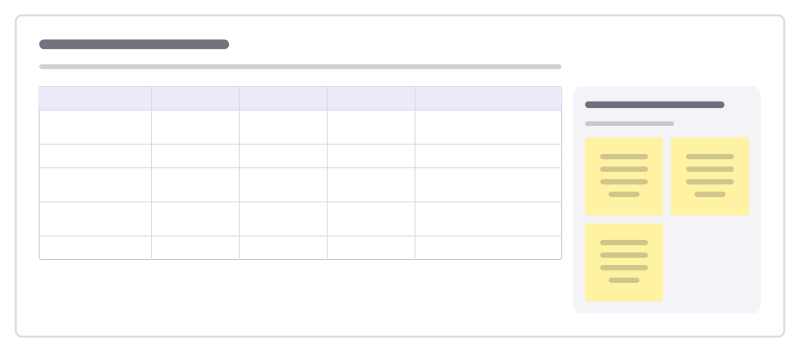
Financial scenarios
Set a downside, base and upside case for next year’s numbers, and agree the early signs that tell you which one you are in.
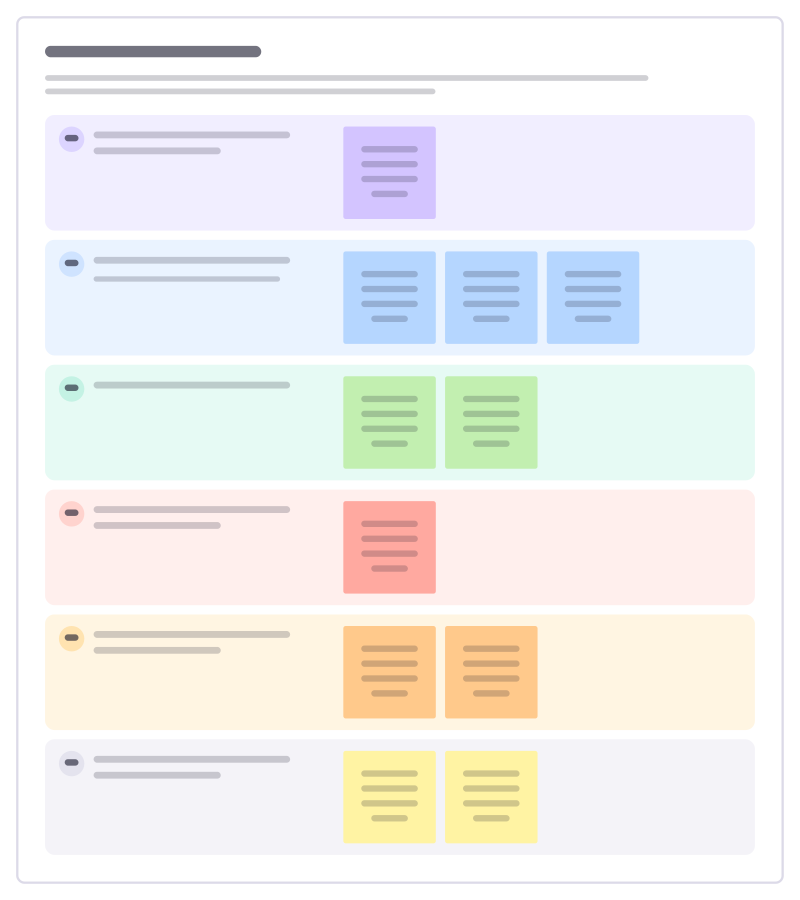
Board pack outline
Plan the papers for a board meeting: the headline, the numbers, the risks and the decisions you need the board to make.
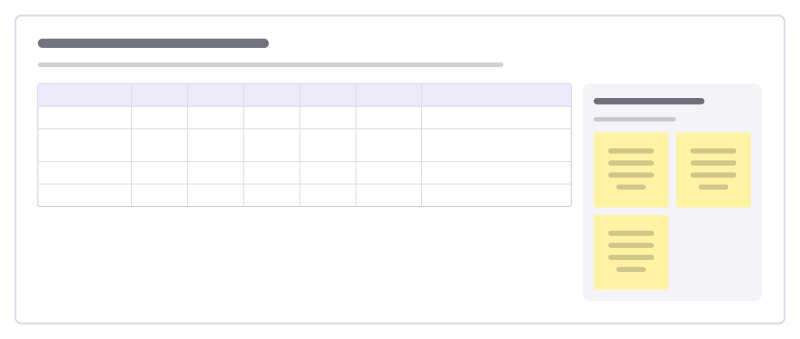
Revenue forecast by stream
Forecast each revenue stream quarter by quarter, with how confident you are and the assumption behind every number.
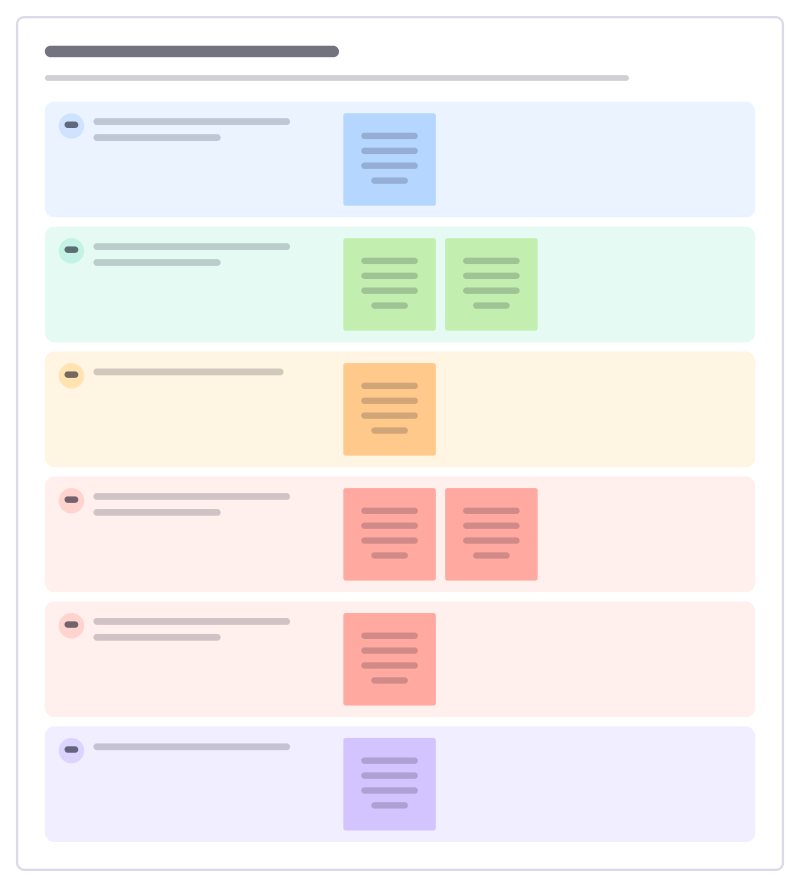
Small business health check
A quarterly look at a small business’s money: cash, margins, who owes you, what you owe and the one fix to make next.
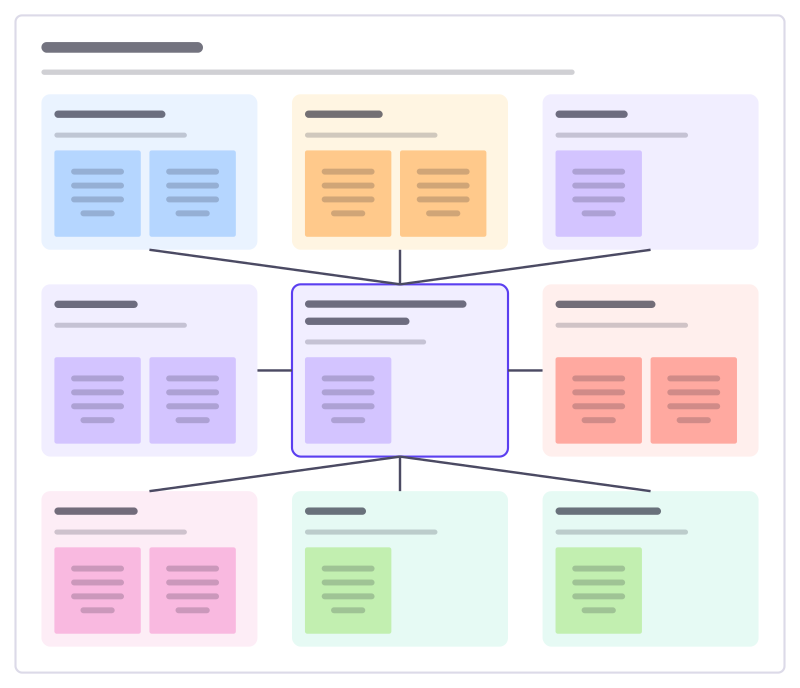
Lotus blossom
Grow one central theme into eight directions, then grow each direction into its own ideas, so you go both wide and deep.
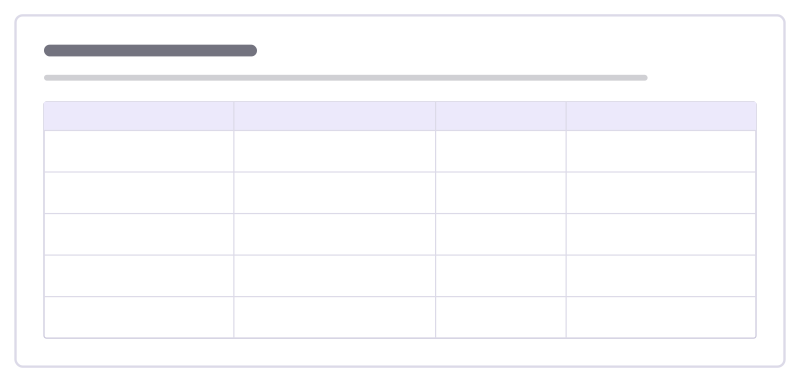
What-if questions
Ask bold “what if” questions about how things could be different, then sketch what each would mean and the first step to test it.
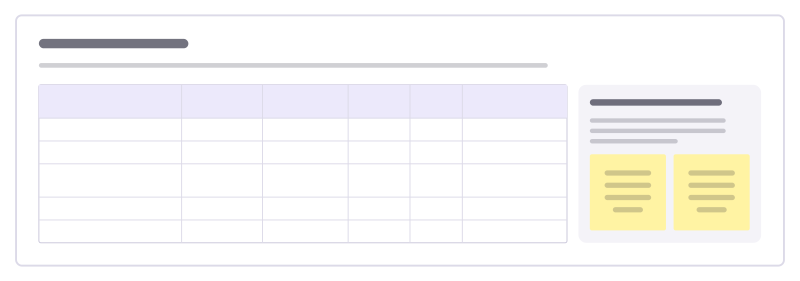
Idea scorecard
Score a long list of ideas on the same few criteria so the shortlist comes from the group’s judgement, not the loudest voice.
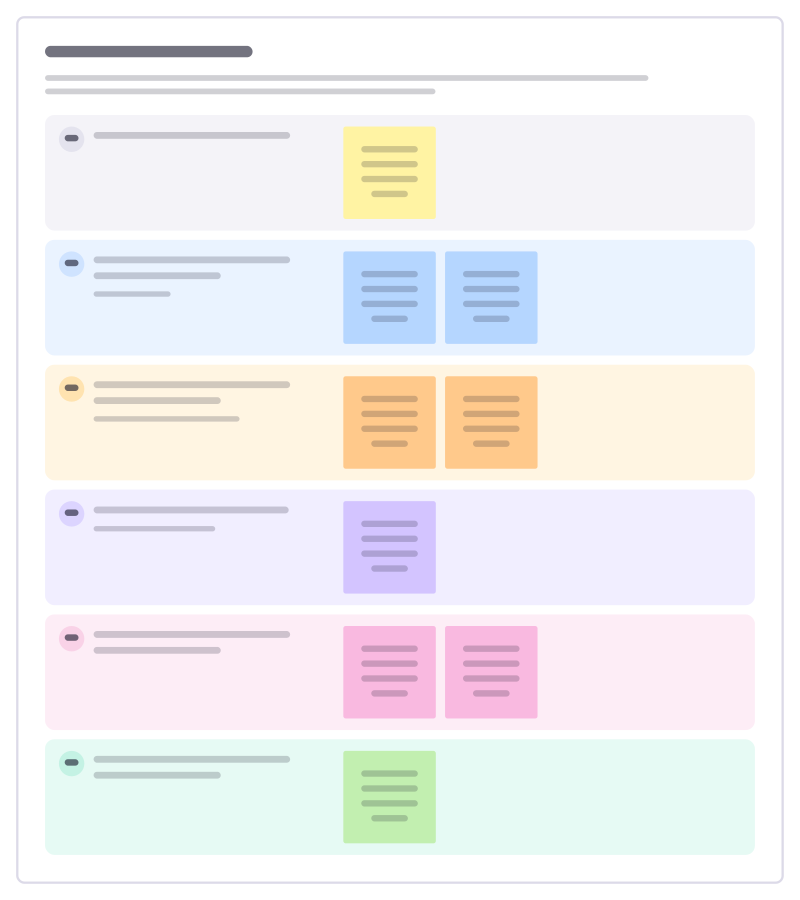
Problem reframing
Before solving, restate the problem in several ways, broader, narrower, flipped, from another angle, and pick the frame worth working on.
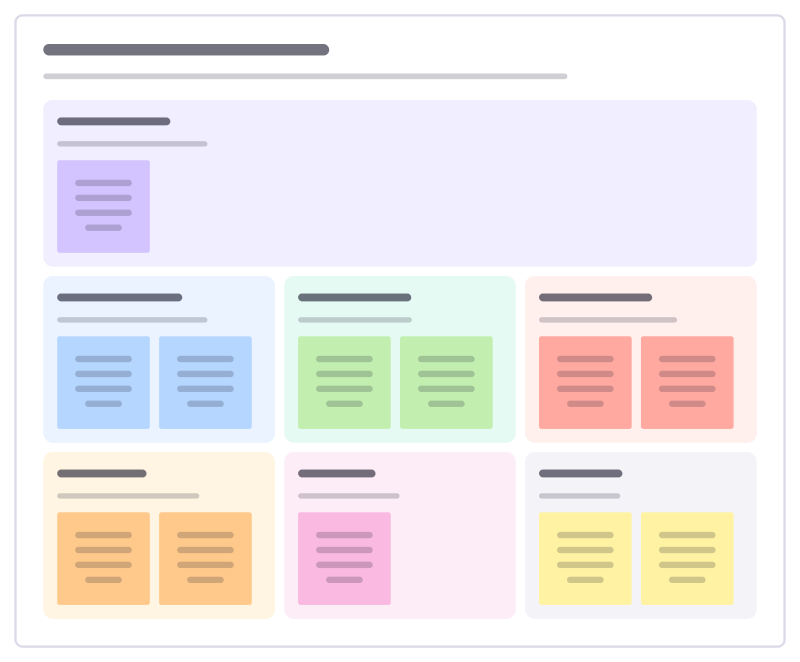
Innovation challenge brief
Frame an open challenge for staff or the public: the question, why it matters, what a good entry looks like, rules and rewards.
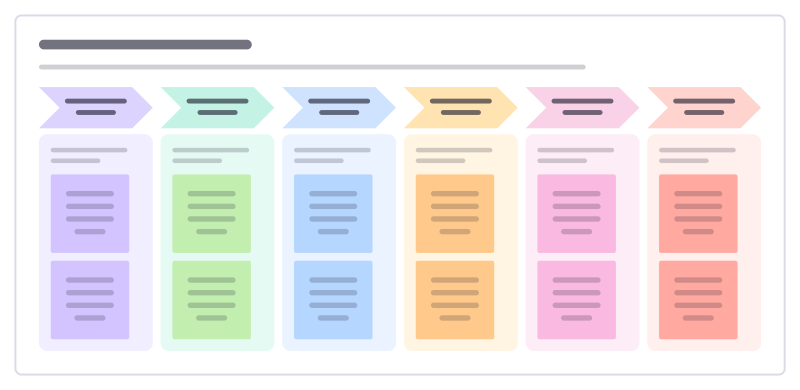
Regulatory change plan
Plan how you will meet a new or changed regulation: what it requires, the gaps today, the work and the date it comes into force.
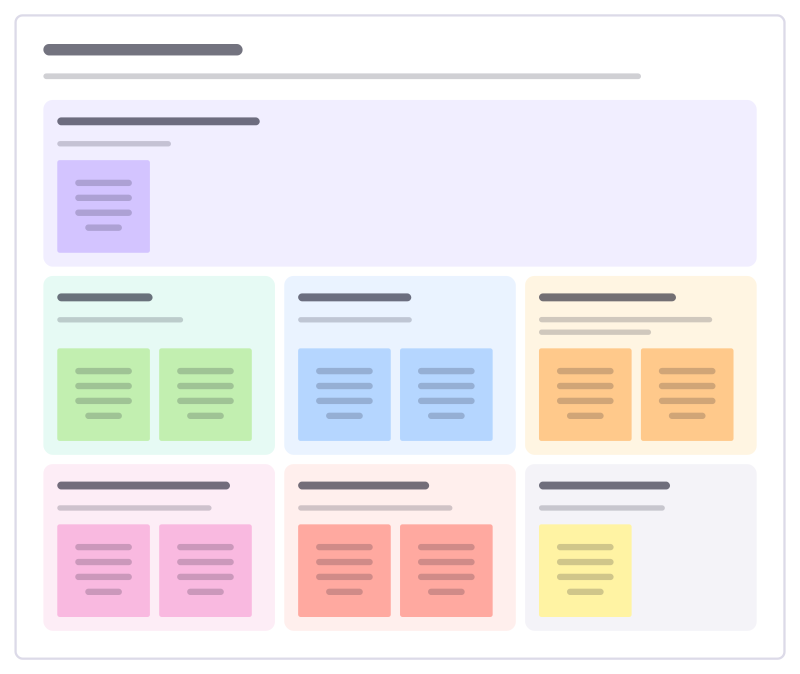
Negotiation plan
Prepare for a contract negotiation: what you must get, what you can give, what they will ask for and your walk-away point.
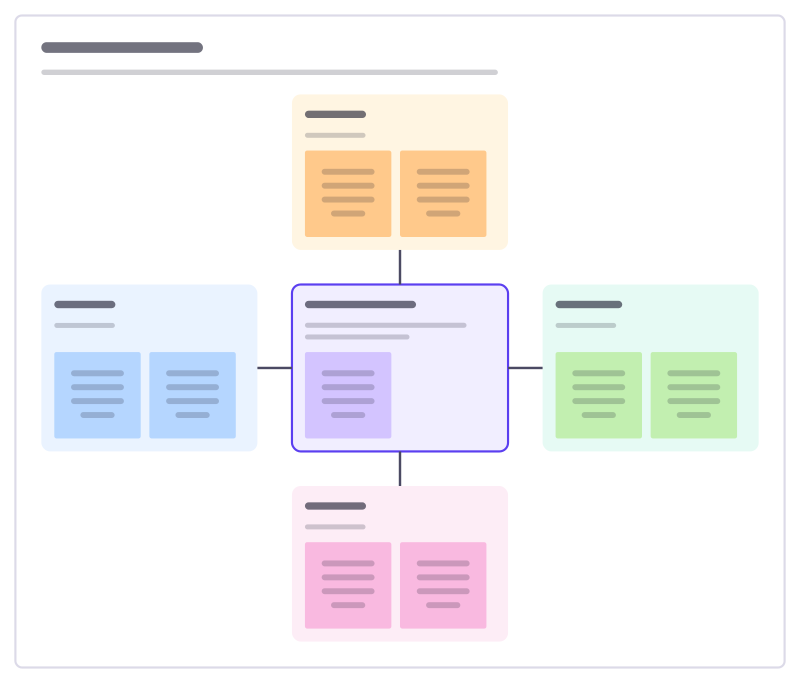
Brand pillars
Define what the brand stands on: the promise in the middle and the few pillars that prove it, each with how it shows up.
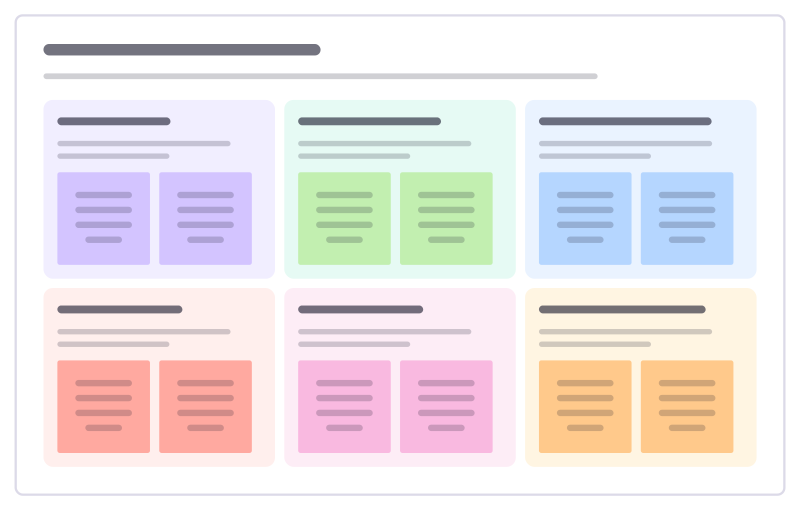
Quarterly business review
Review a quarter with a customer or leadership: results against goals, what moved them, risks and the bets for next quarter.
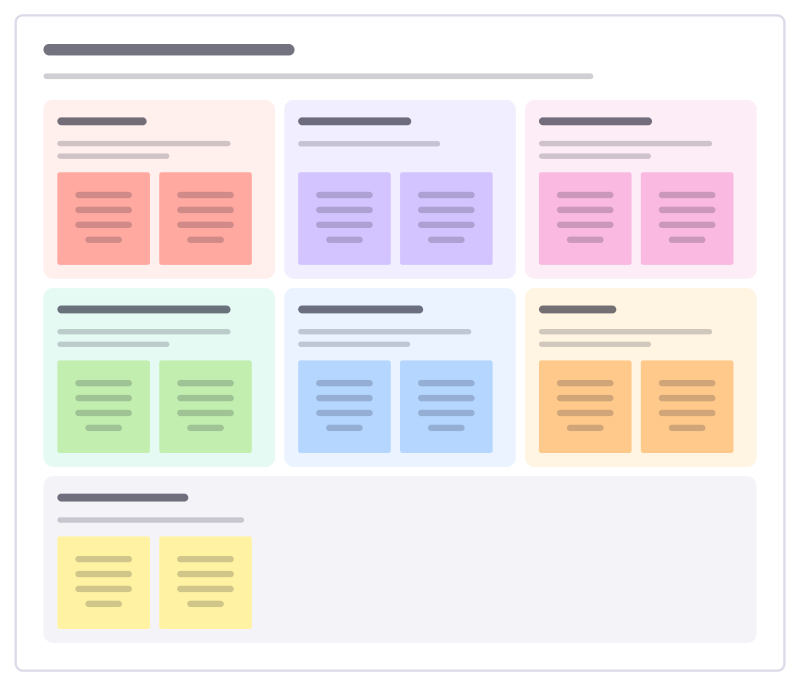
Grant proposal outline
Plan a grant application before writing it: the need, your approach, who benefits, what you will measure, the budget and why you.
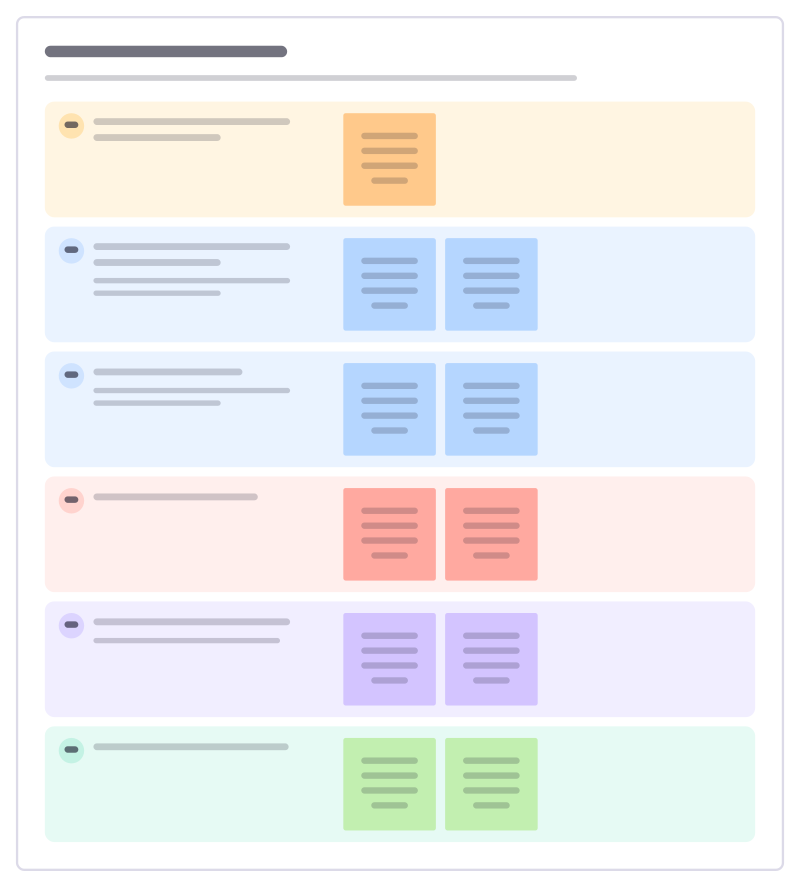
Trustee board meeting
Run a nonprofit board meeting that decides things: declarations, the director’s report, finances, risks and the decisions needed today.
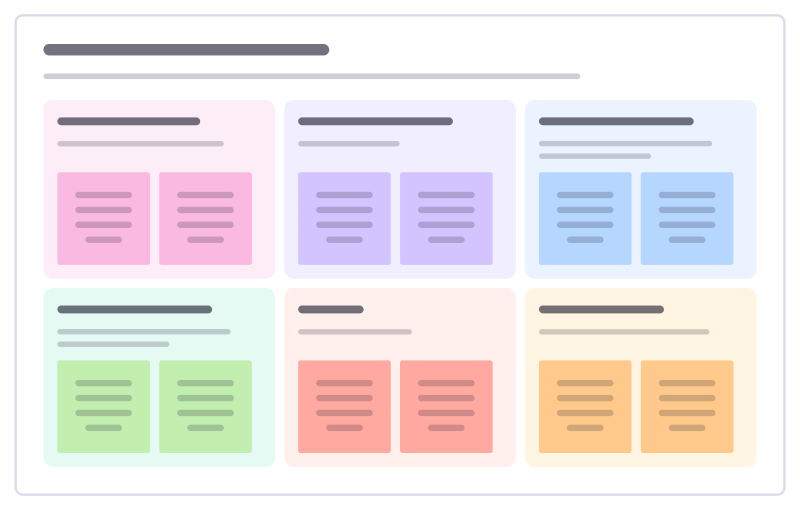
Community needs assessment
Gather what a community says it needs, what already exists and where the gaps are, before deciding what to start.
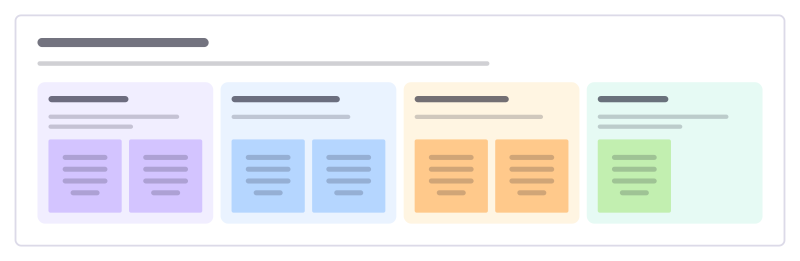
Org design options
Compare ways of organising teams around the work: what each option optimises for, what it costs and who it affects.
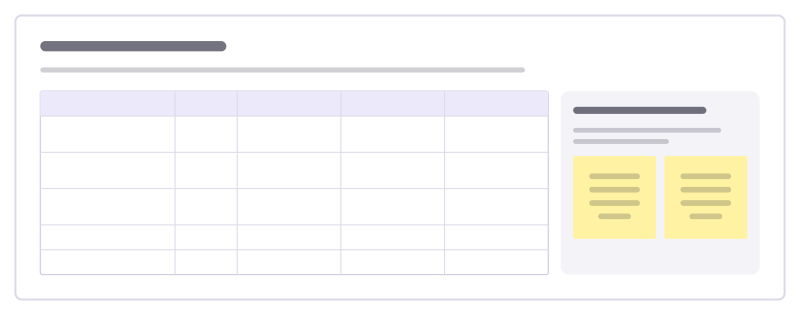
Vendor comparison
Compare shortlisted suppliers on the requirements that matter to you, see the gaps at a glance and record what references said.
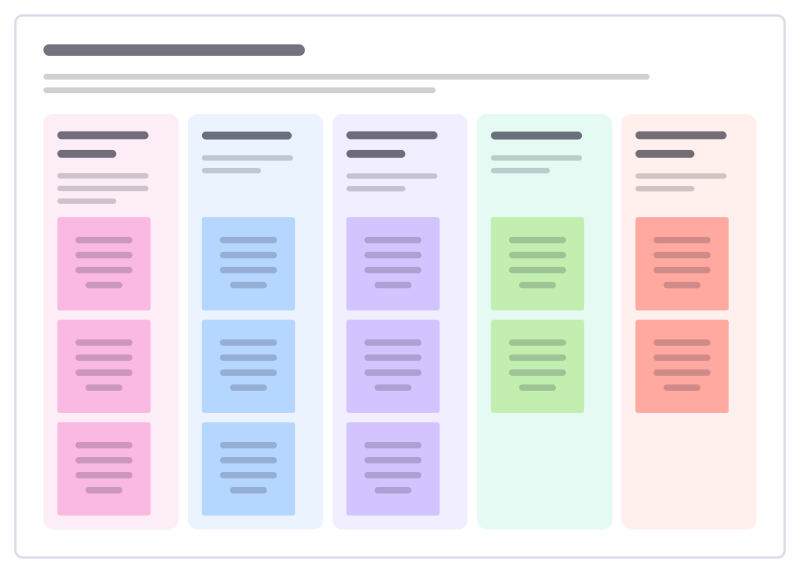
Company values workshop
Find the values your people already live by, from real stories, and write down what each one looks like and does not look like at work.
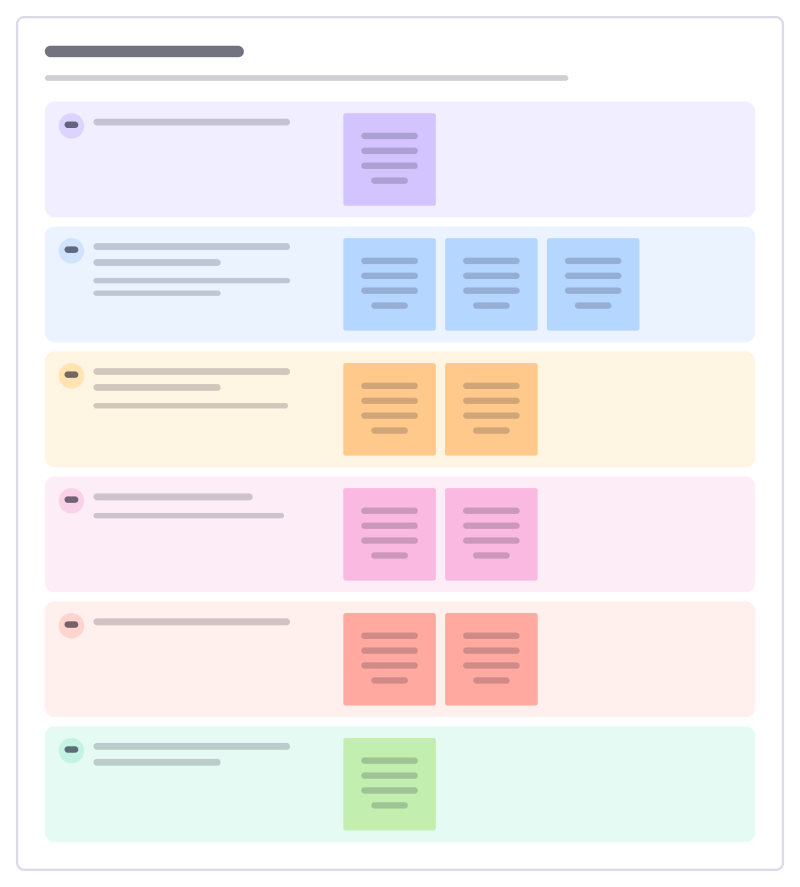
Decision journal
Record a decision while you make it: the options, what you expect, how sure you are. Review it later to judge the thinking, not the luck.
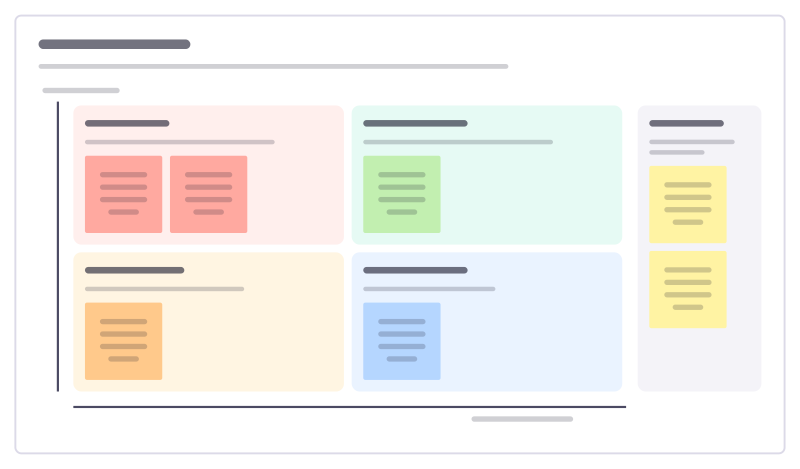
Assumption map
Sort what you believe about an idea by how much it matters and how much evidence you have, then test the risky ones first.
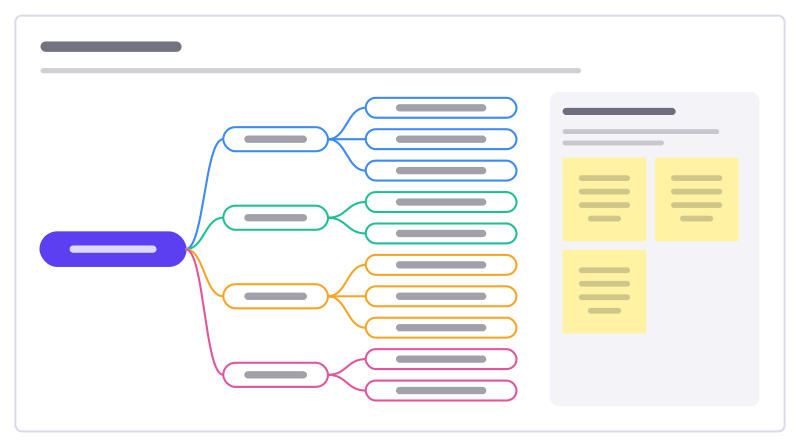
Metric tree
Break one top-level metric into the drivers that move it and the levers teams control, so every team sees its link to the goal.
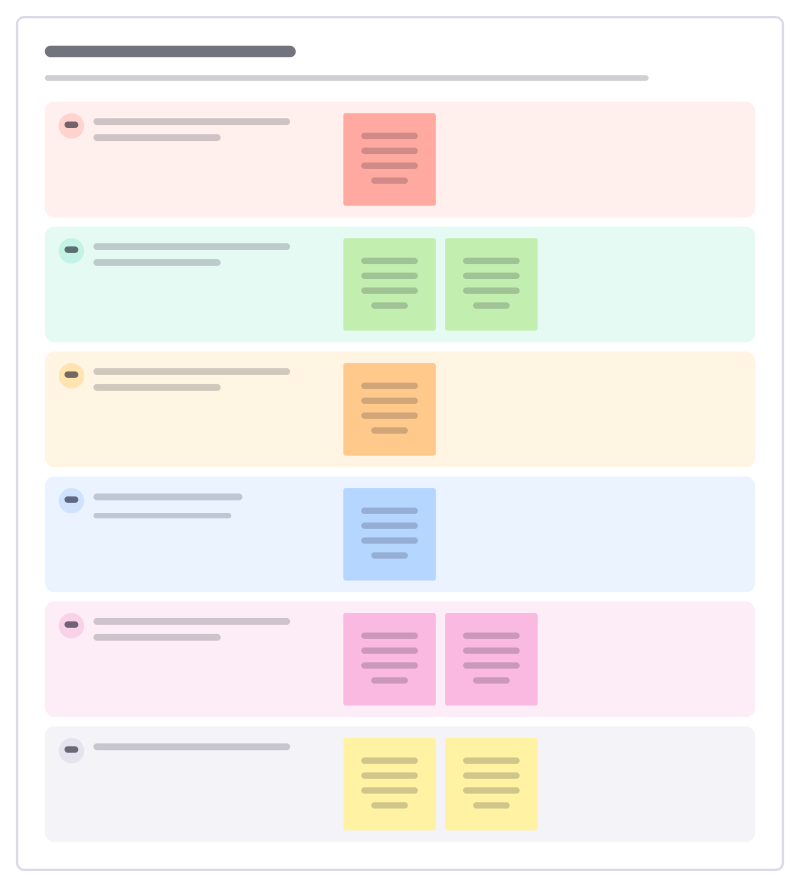
Project intake request
A standard request for new projects: the problem, the expected benefit, urgency, rough size and sponsor, so requests can be compared fairly.
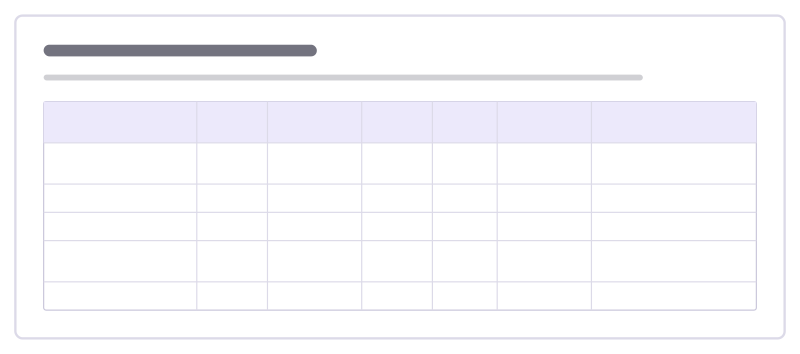
Portfolio prioritisation
Rank competing projects by value, strategic fit, cost and risk, then decide which to start, which to wait and which to stop.
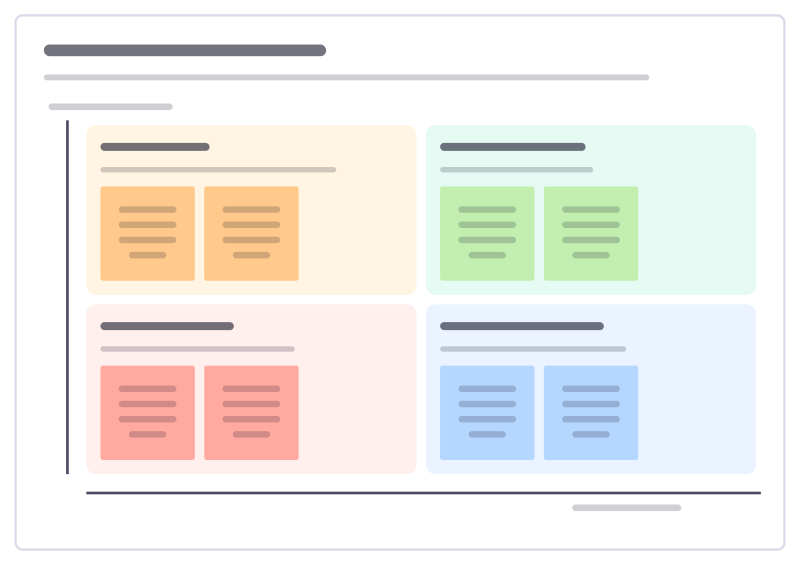
Menu profitability matrix
Sort every dish by how often it sells and how much it earns, then decide what to promote, rework, reprice or drop.
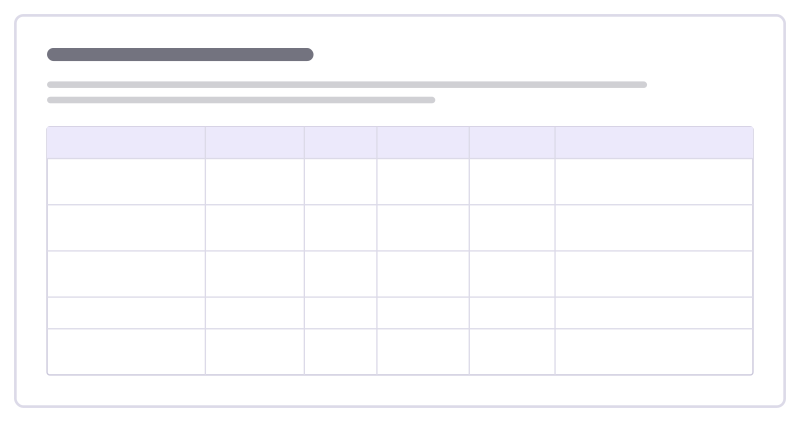
Product range review
Review a product range line by line on sales, margin and space, and decide what to keep, grow, change or delist.
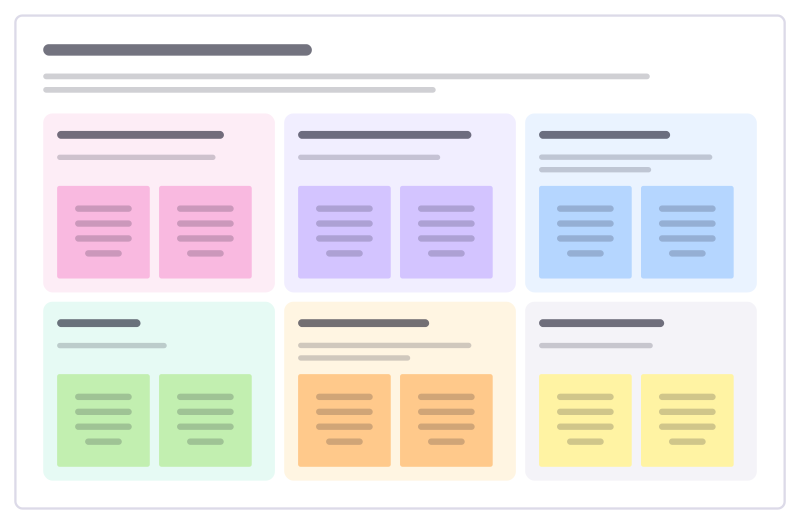
Loyalty programme design
Design a loyalty scheme that pays for itself: who to reward, the behaviour you want, how people earn, the rewards and the cost.
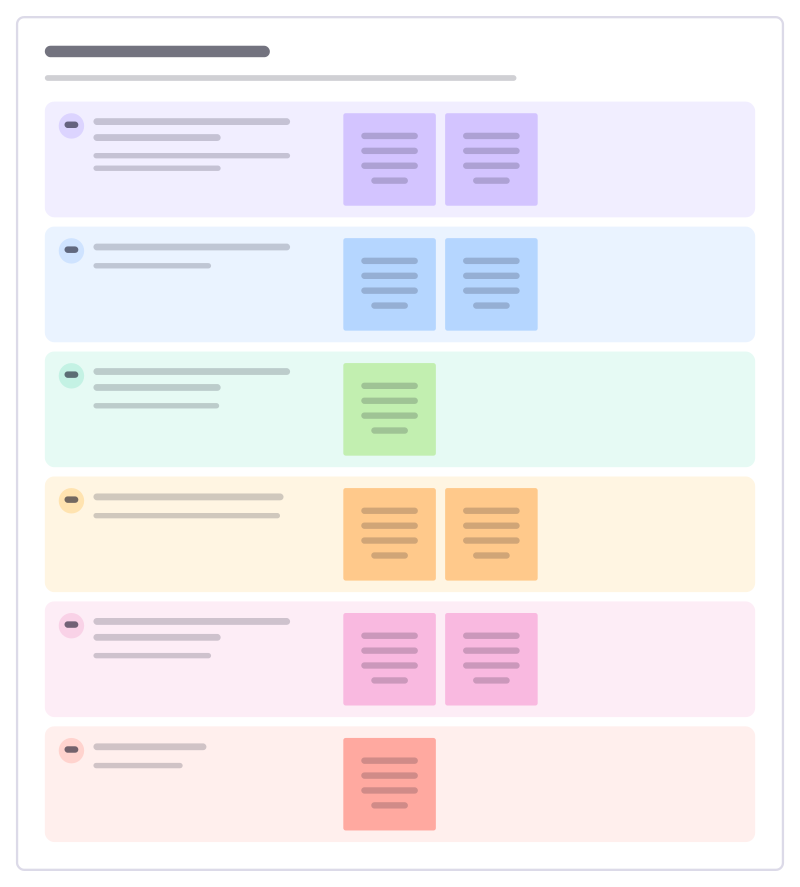
Positioning builder
Work out who you are for, what you replace and why you win, one question at a time, before writing a tagline.
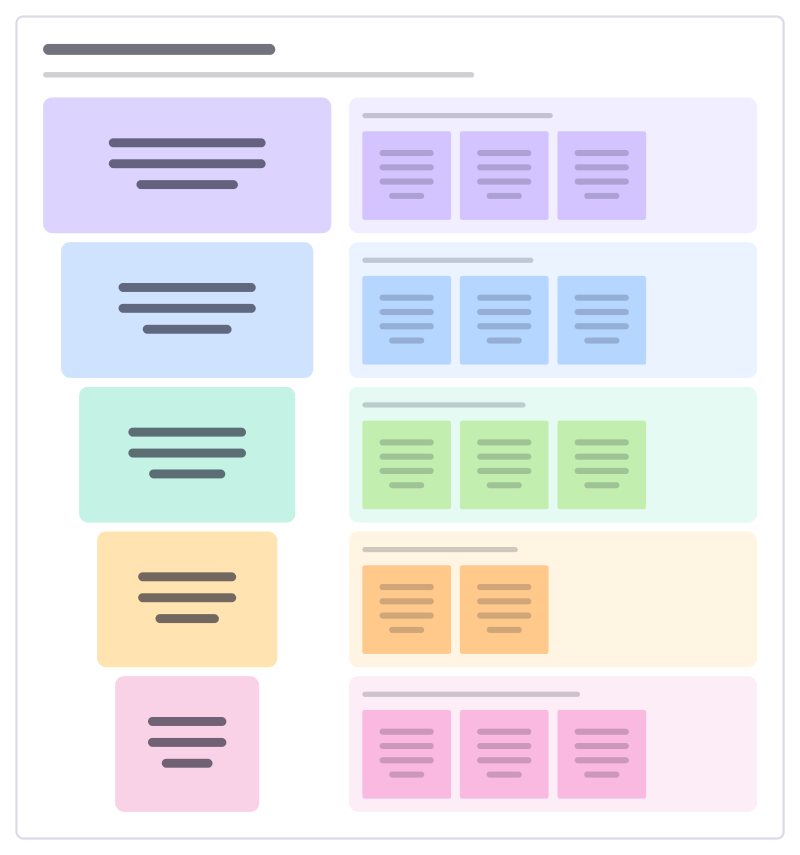
Marketing funnel plan
From first contact to repeat customer: what you do at each stage and the one number that shows it is working.
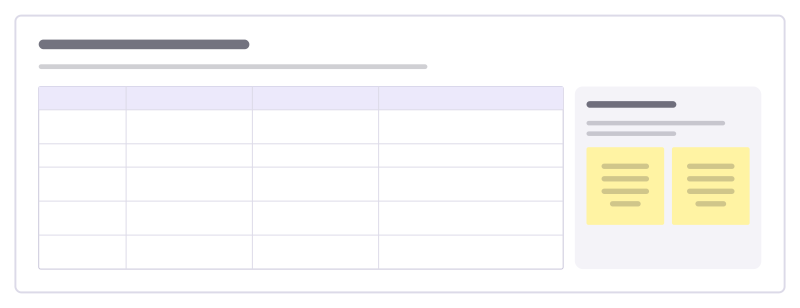
Competitive battlecard
How you compare with one rival on the topics buyers raise, and exactly what to say when each one comes up.
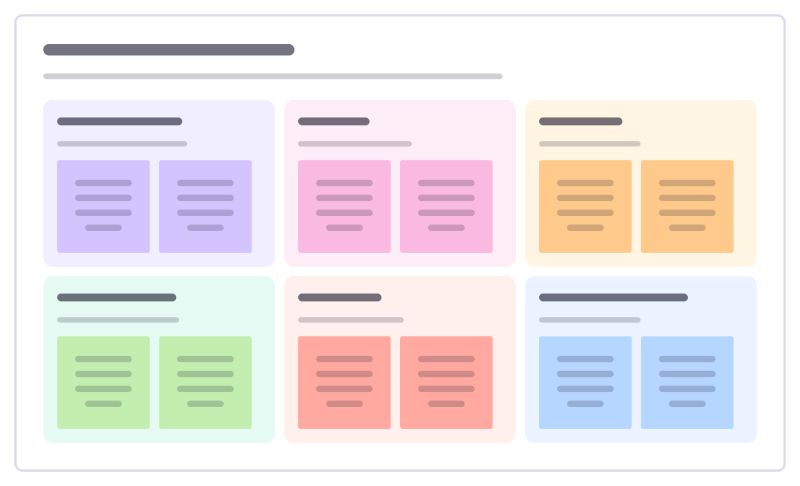
Ideal customer profile
Describe the customers you win, keep and grow best: their traits, the trigger that makes them buy, and the signs of a bad fit.
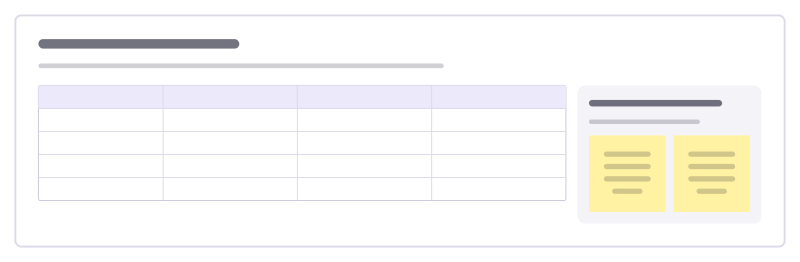
Competitive UX review
Compare how you and your competitors handle the same key tasks, step by step, to see where you lead and where you lag.
Bring your team and your agents to one board
Free to use, open source, and yours to host. No credit card, no seat count.