Templates
Meeting templates, page 2
Run a meeting from agenda to decision: notes everyone adds to at once, a parking lot for side topics, voting and consent rounds, and a log of what was decided and who owns it.
109 free templates · Editable · Works with Claude and ChatGPT · Page 2 of 2
Meeting templates 61–109 of 109
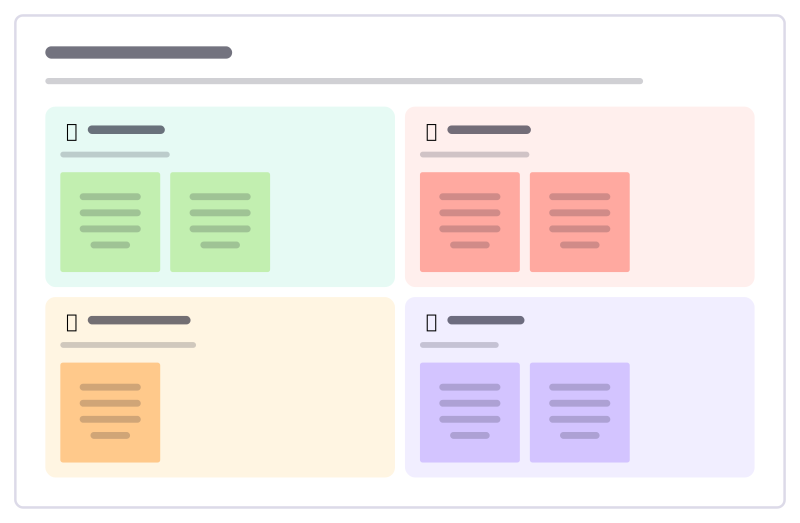
Feedback grid
Collect reactions to a demo, prototype or talk in four boxes: what people liked, what to change, open questions and new ideas.
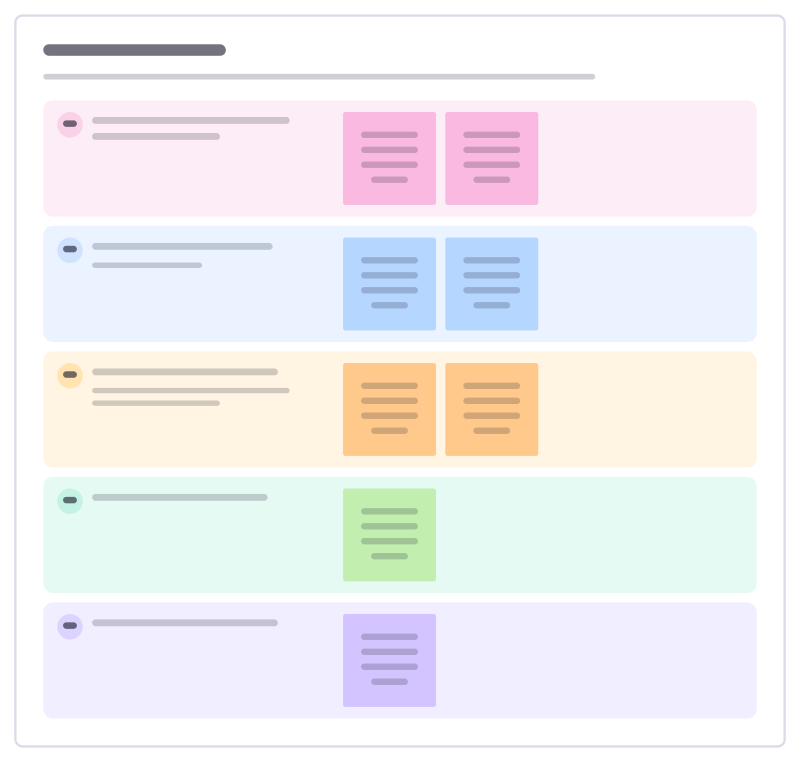
Family meeting
A short weekly meeting where everyone at home thanks each other, looks at the week ahead and solves one problem together.
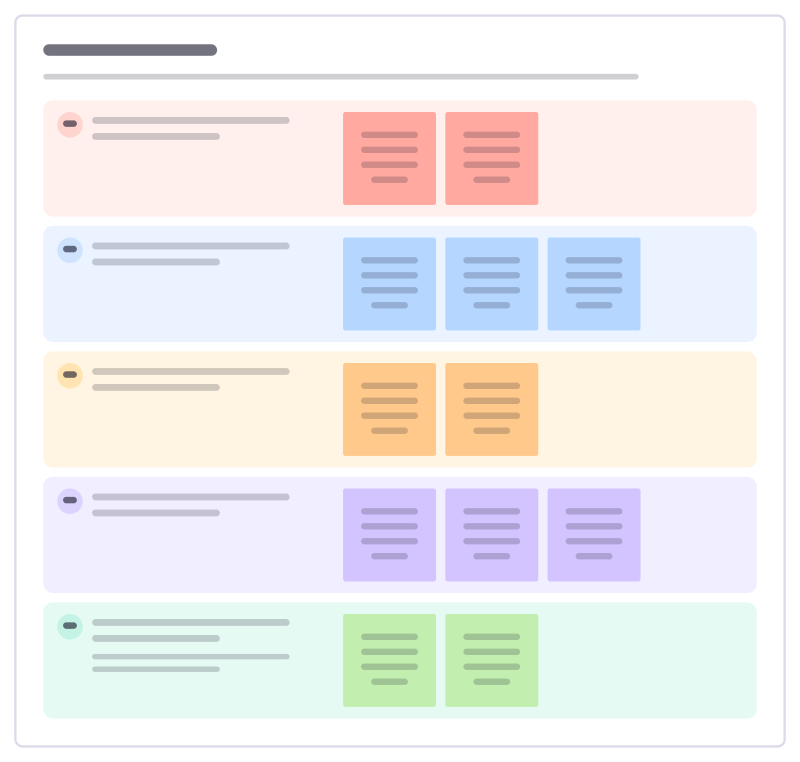
SBAR handover
Pass on a patient’s situation in four short parts, so the person taking over hears the facts, your view and what you need.
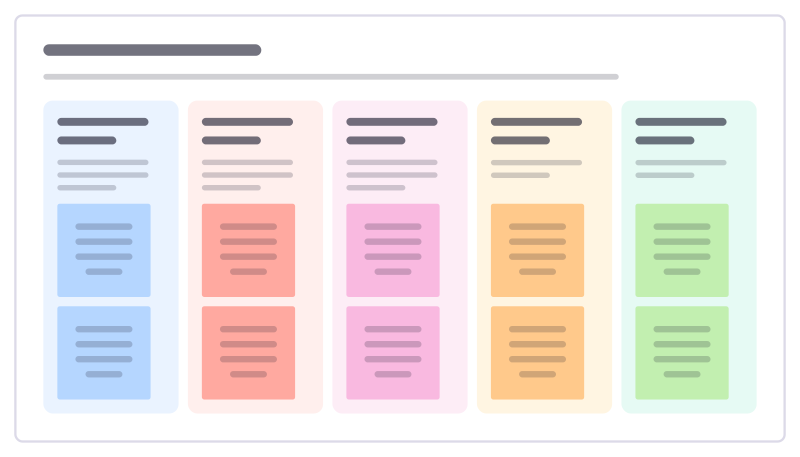
Ward safety huddle
A ten-minute stand-up at the start of each shift: who is at risk today, what went wrong yesterday and what the team needs.
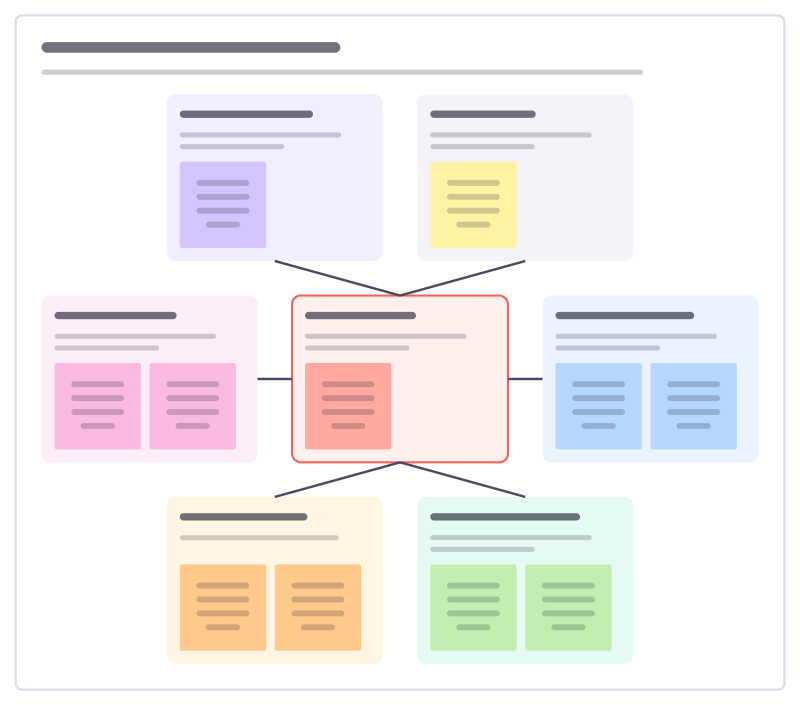
Patient safety incident review
Look at a patient safety event without blame: what happened, the factors around it and what the system should change.
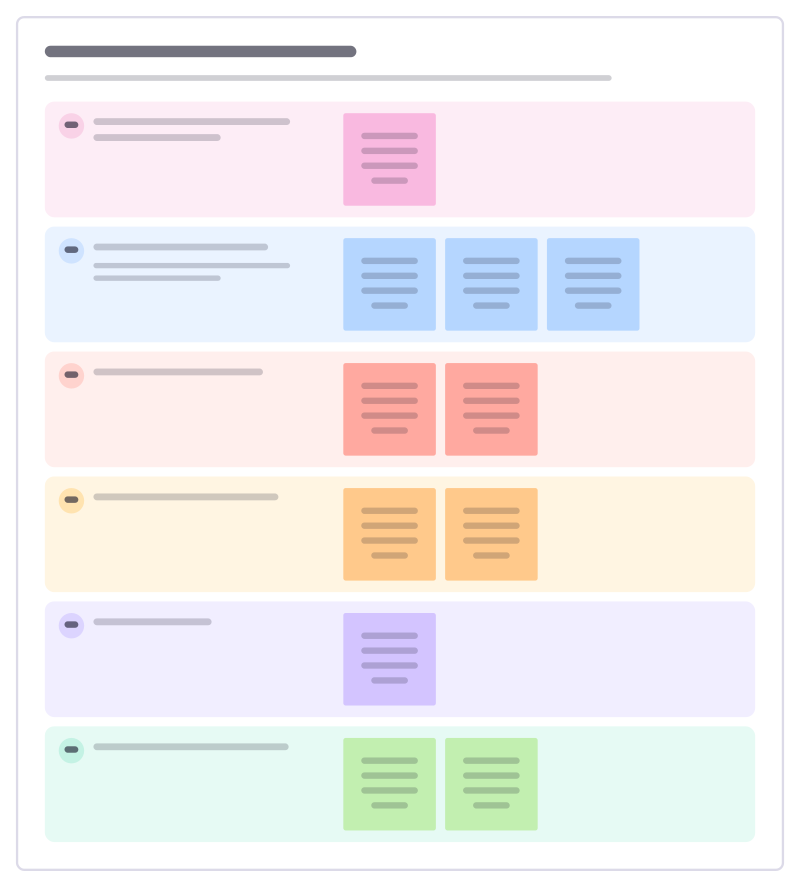
Multidisciplinary case review
Bring every profession around one person’s case: updates, concerns, options and a clear decision with owners.
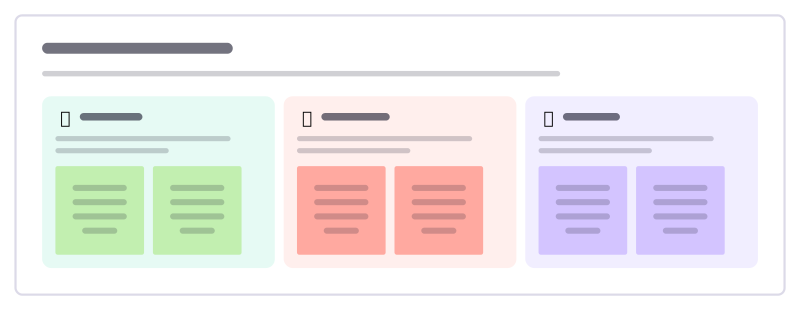
Rose, thorn, bud
A quick round where everyone shares a highlight, a struggle and something just starting to grow.
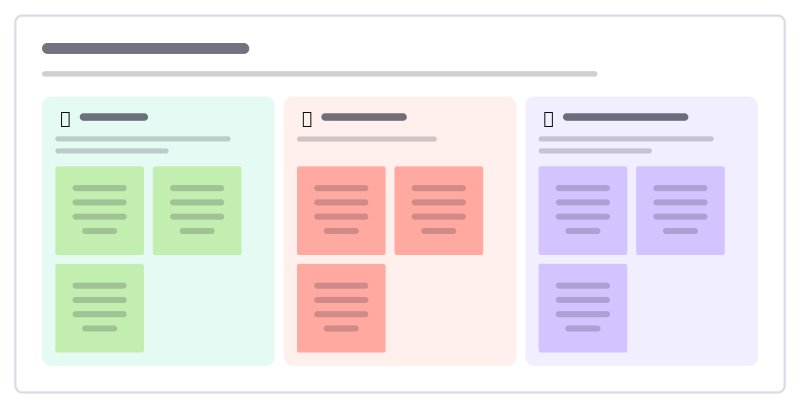
Hopes and concerns
At the start of a project or workshop, everyone names what they hope for and what worries them, then the team agrees what would help.
Team journey line
Walk back through a project phase by phase, marking the highs and lows people felt, to celebrate and learn before the next one.
Round robin ideas
Each person starts an idea, then passes it on so the next person builds on it, until every idea has had several hands.
Improvement event plan
Plan a focused few days where a team fixes one process: scope, current state, ideas, changes tried and how they’re kept.
Event run of show
The minute-by-minute script for running a live event: segments, who’s on stage, what the crew does and the cues.
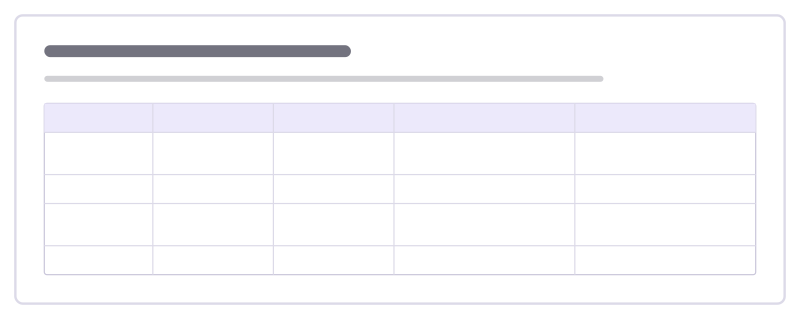
Supplier performance review
Review a supplier on delivery, quality, cost and service, with evidence, and agree improvements together.
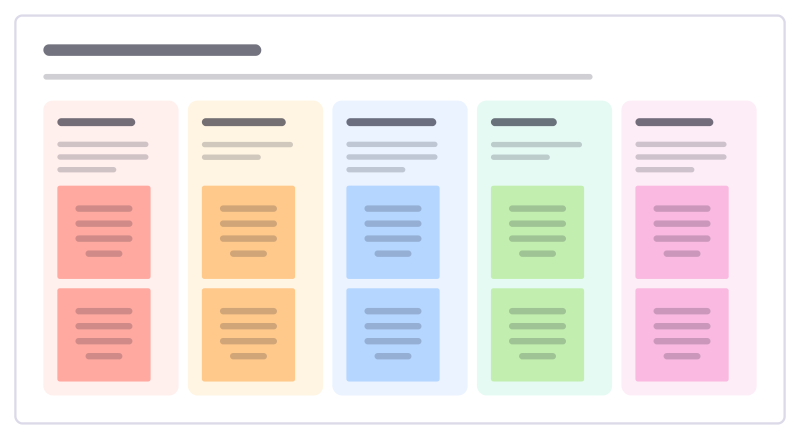
Daily tier meeting
A short stand-up board for a production team: yesterday’s safety, quality, delivery, cost and people issues and who acts today.
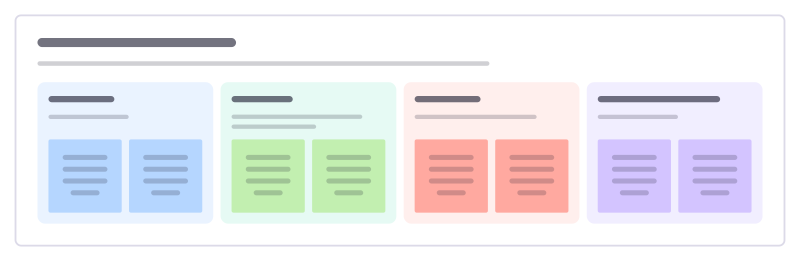
Campaign retrospective
Look back at a marketing campaign: results against goal, what worked, what flopped, and what the next campaign keeps.
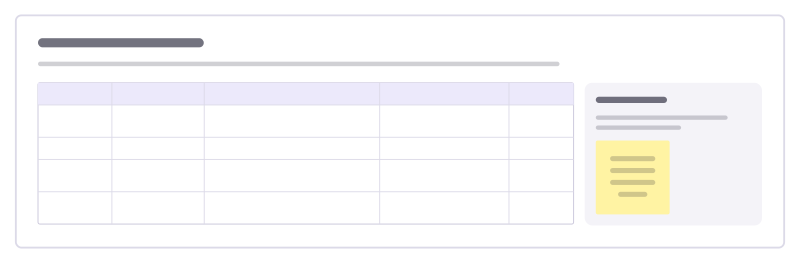
Interview debrief
Bring interviewers together after a loop: what each assessed, the evidence they saw, concerns, and a hiring decision.
Feedback conversation prep
Prepare to give someone difficult feedback: what you saw, its effect, what you want instead and how you’ll listen.
Team rituals map
List every recurring meeting and ritual the team has, why it exists, and whether to keep, change or drop it.
Wellbeing check-in
A gentle team check-in on workload, energy and support, with room for people to say what would help.
Shift handover
What the next shift needs to know: what got done, what is still running, what to watch and what needs a decision.
Performance calibration
Managers compare their review ratings side by side, with the evidence for each, so the same work gets the same rating across teams.
Hybrid working agreement
Agree as a team how hybrid work runs: which days you meet in person, core hours, reply times and how remote colleagues stay included.
Company values workshop
Find the values your people already live by, from real stories, and write down what each one looks like and does not look like at work.
Internal move conversation
Prepare for a conversation about moving to another team or role inside the company: the reasons, the fit, the gaps and a fair handover.
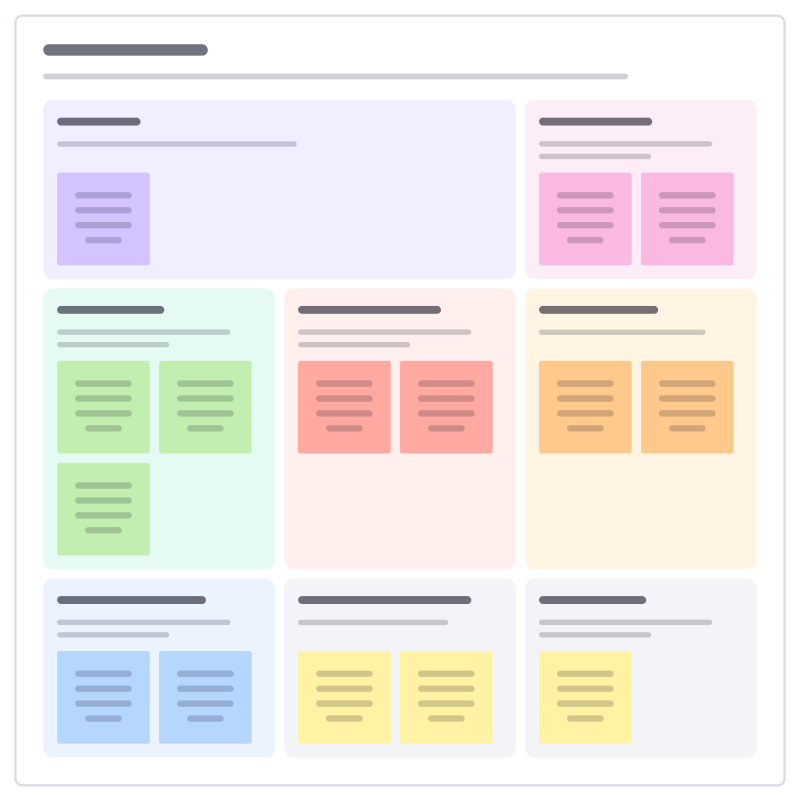
Team charter
Why the team exists, what it owns, who it serves and how it works together, written once and revisited every quarter.
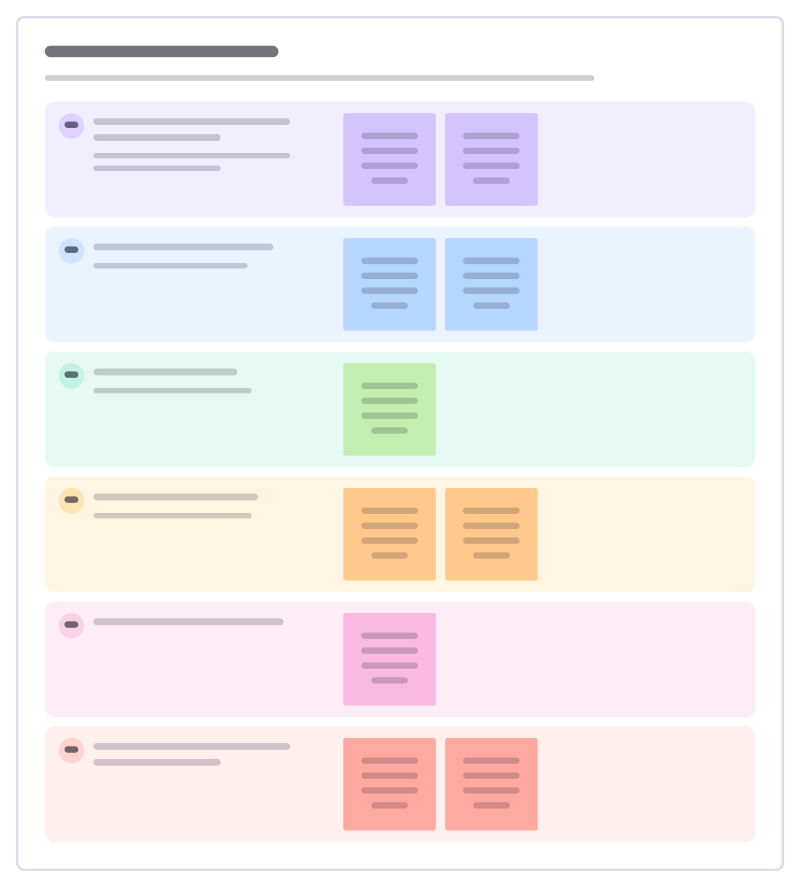
Performance check-in
A short, regular conversation about progress, obstacles and support, so the annual review holds no surprises.
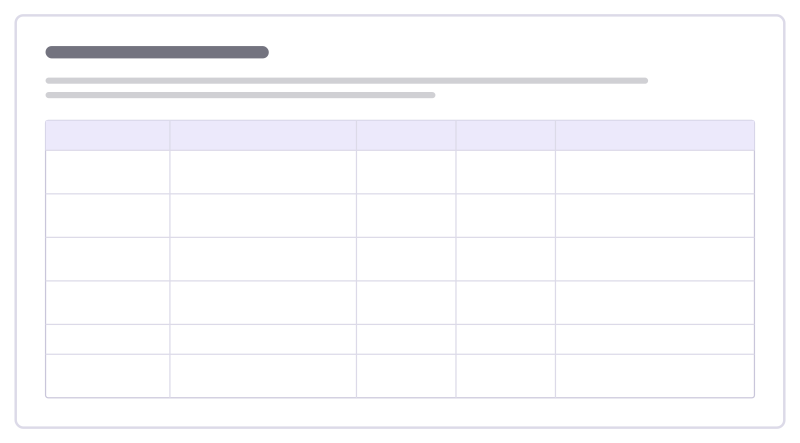
Team health check
A quick traffic-light read on how the team is doing across a few areas, compared with last time so trends stand out.
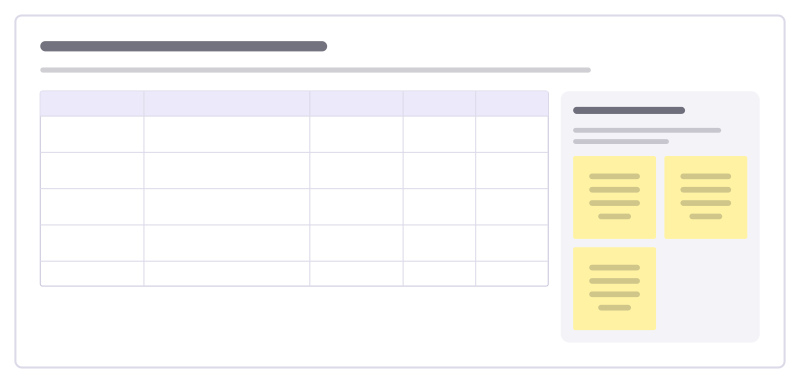
Stakeholder communication plan
Decide who needs to hear what about the project, how often, through which channel and who sends it, so nobody is surprised.
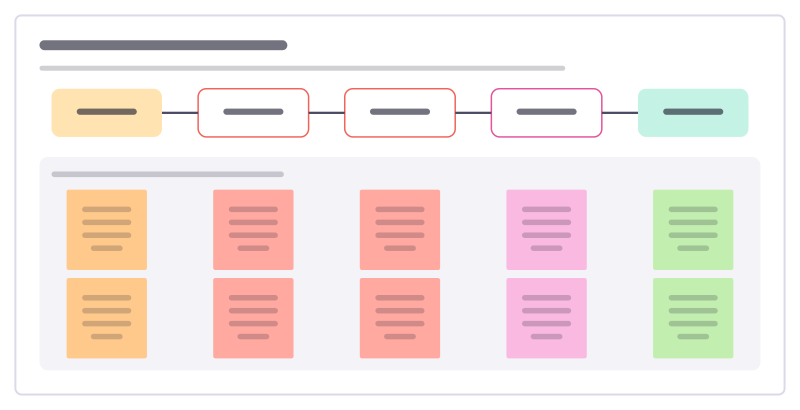
Incident tabletop exercise
Walk a team through an imagined incident round by round, talking through what each person would do, to find gaps before a real one.
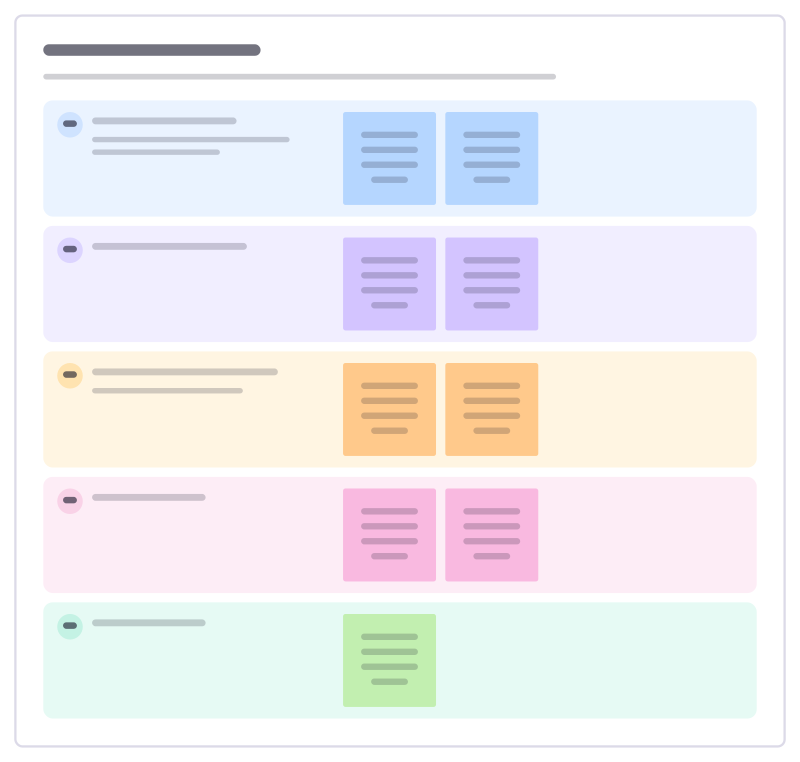
Store daily huddle
A five-minute team briefing before the doors open: yesterday’s numbers, today’s target, deliveries, focus and who is on what.
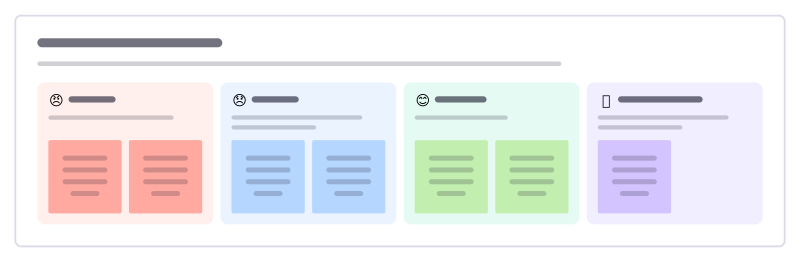
Mad, sad, glad retro
A feelings-first retro: what frustrated people, what disappointed them, what made them glad, and one thing to try.
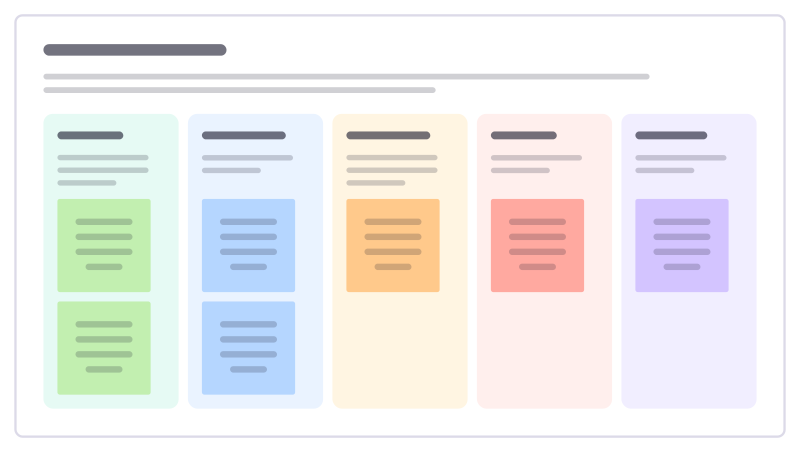
Starfish retro
Five arms for finer feedback than keep or stop: what to keep, do more of, do less of, stop and start.
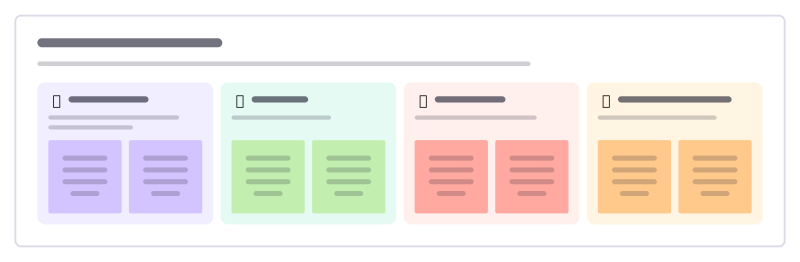
Mountain climb retro
A picture-led retro for a long stretch of work: the summit we aimed for, what held us, what fell on us and what to pack next time.
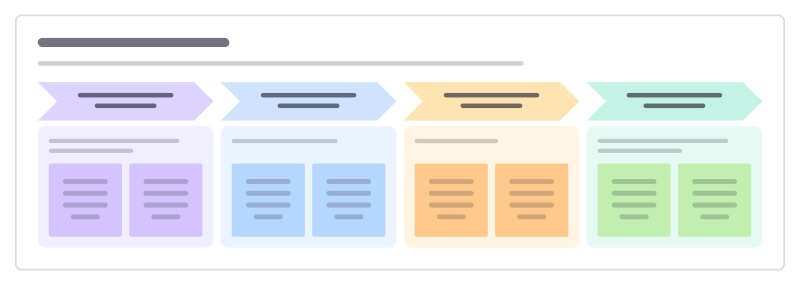
Sprint timeline retro
Rebuild the sprint day by day before judging it, so the retro talks about what happened rather than what people remember last.
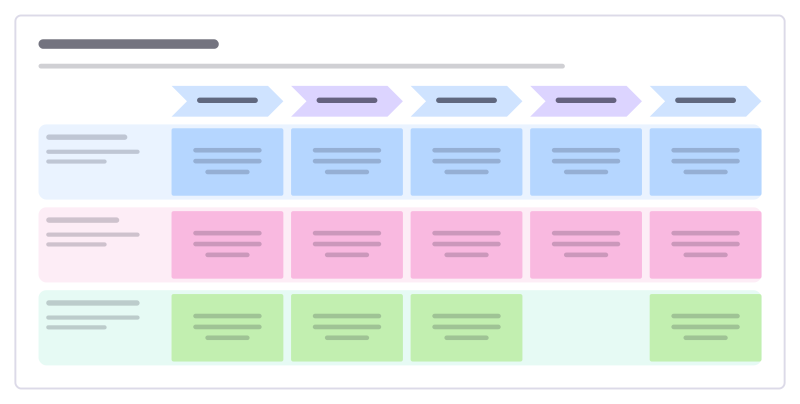
Energy curve retro
Map how the team’s energy rose and fell across a project, and what drove each high and low.
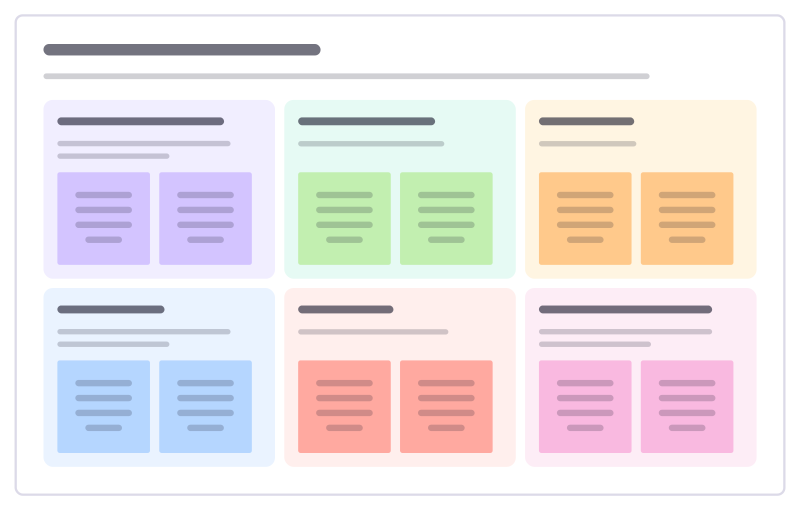
Project end retrospective
Close a project properly: goals against results, what helped and hurt, the surprises and the lessons the next team should get.
Retro action review
Check what happened to the actions from past retros before making new ones, so retros change things instead of piling up promises.
Team radar check
Each person scores how the team is doing on a handful of areas, then the team talks about the spread, not just the average.
Remote team retro
For distributed teams: which tools and rituals help you work apart, where people lose each other, and what to try next.
Futurespective
Imagine it is six months from now and things went well. Work backwards to what made it happen and what could stop it.
Retro health check
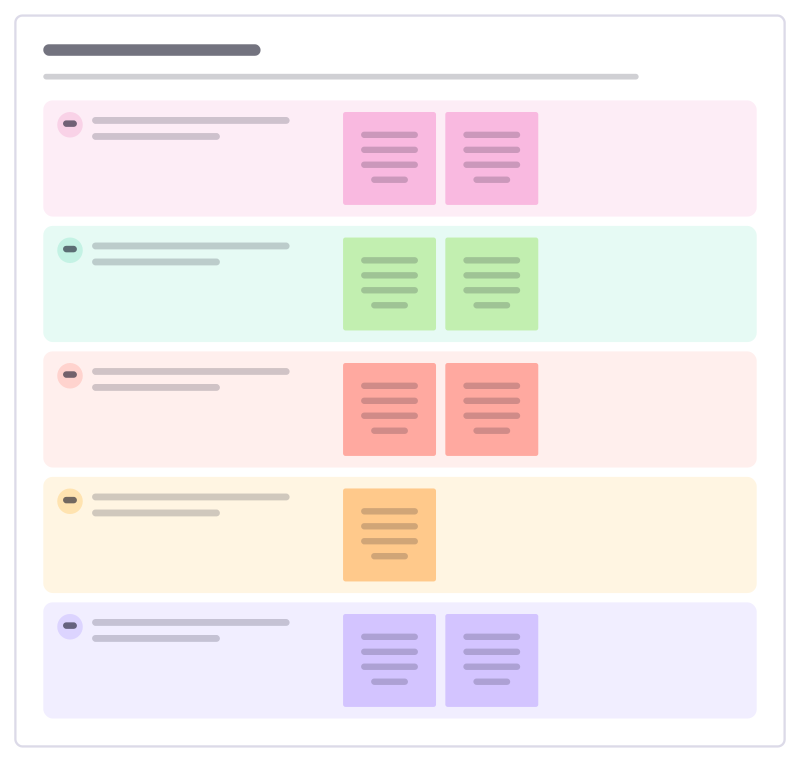
A retro about the retros: are they safe, useful and short enough, and do their actions actually happen?
Control and influence retro
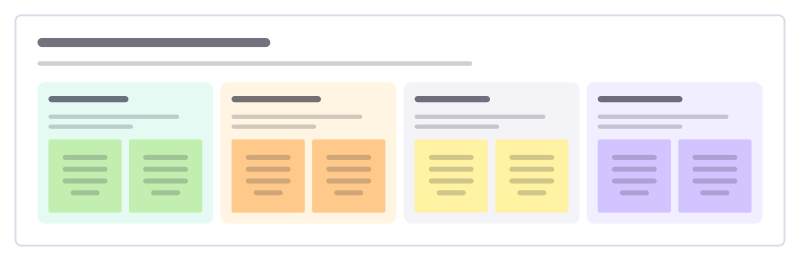
Sort the team’s problems by what it controls, what it can influence and what it has to accept, then act where it has power.
Four-box retro
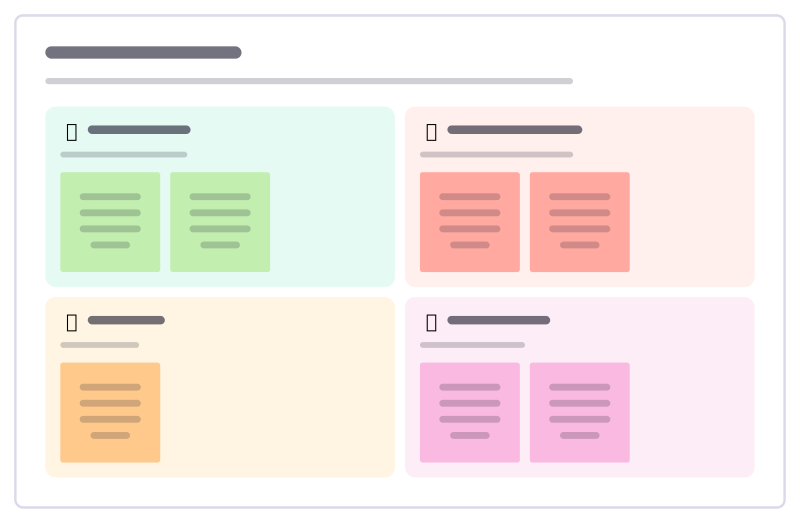
A quick retro on one board: what went well, what didn’t, new ideas, and thank-yous to the people who helped.
Quarter retrospective
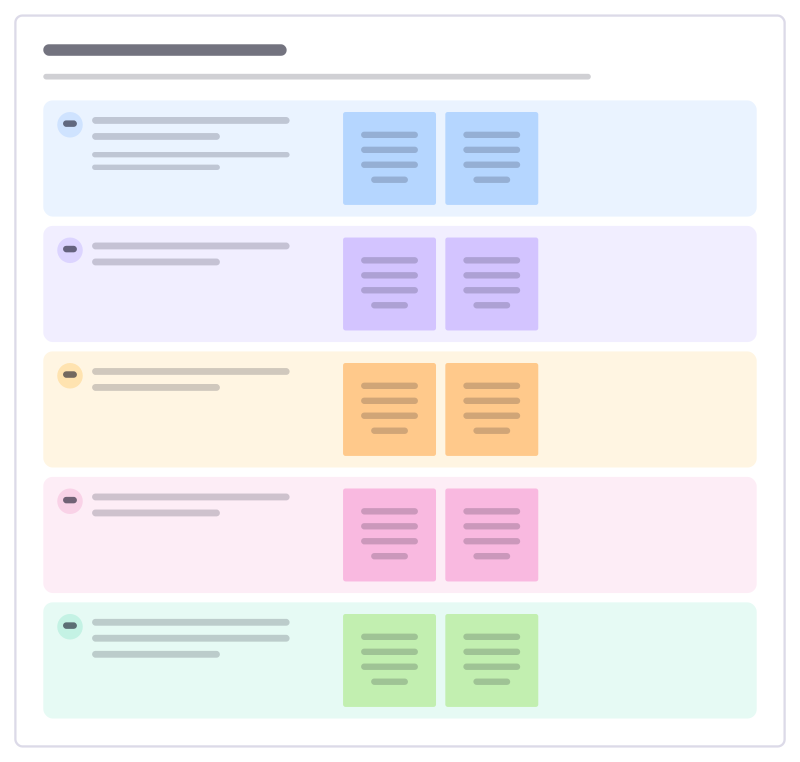
Look back on a whole quarter: the goals, the moments that mattered, how the team changed and what to carry into the next one.
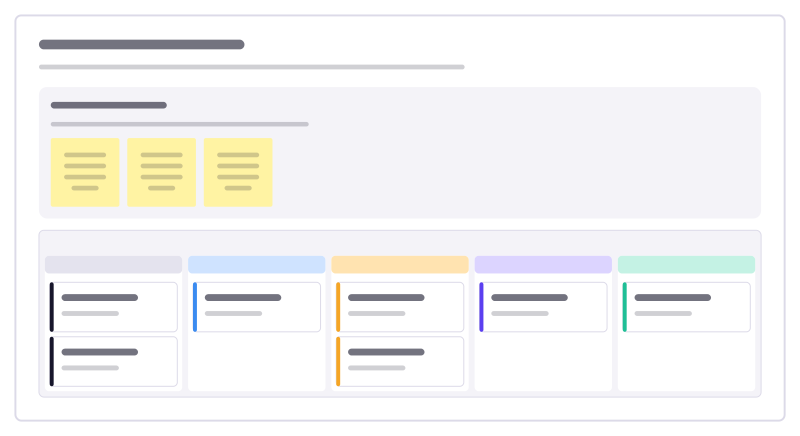
Sales pipeline review
Deals by stage with the next step on each, plus the questions a weekly pipeline review should ask.
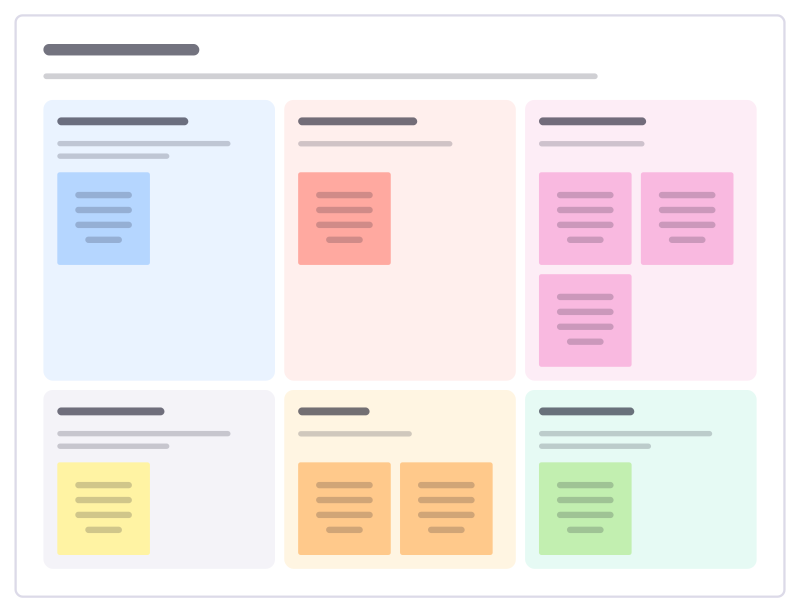
Deal review
Review one important deal with the team: where it really stands, who decides, the risks and the next step that moves it.
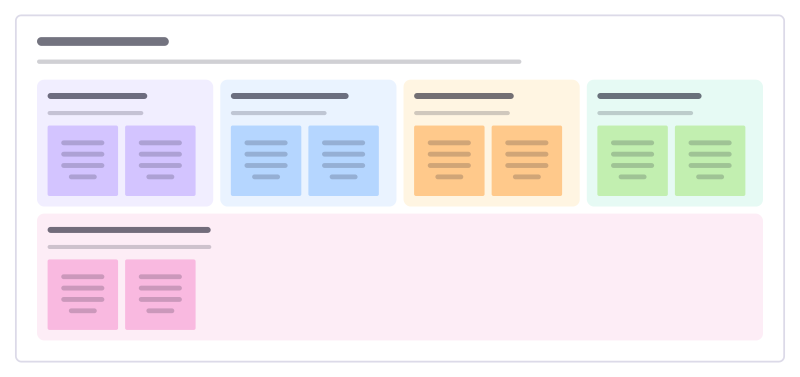
Jigsaw groups
Each group becomes expert in one part of a topic, then experts regroup and teach each other until everyone knows the whole.
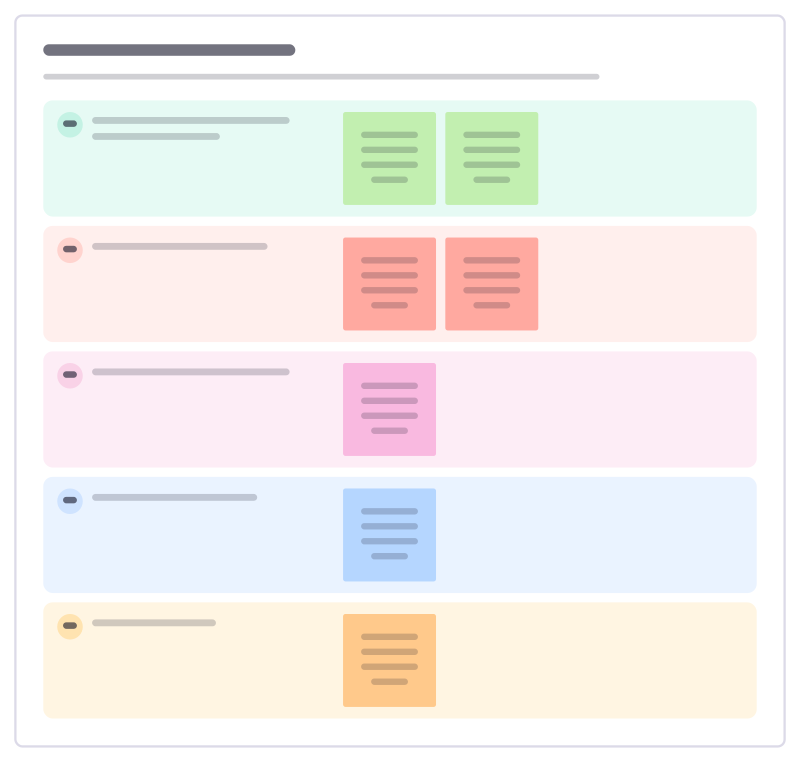
Parent-teacher meeting
Prepare a parent-teacher meeting around one student: strengths, where they’re stuck, evidence and what home and school each do next.
Survey results readout
Share survey results so people act on them: who answered, the headline, surprises, quotes and what changes.
Bring your team and your agents to one board
Free to use, open source, and yours to host. No credit card, no seat count.