Templates
Product management templates, page 2
From a customer problem to a shipped feature: write the requirements, prioritise with RICE, Kano or MoSCoW, map opportunities and assumptions, define the metrics and plan the launch.
83 free templates · Editable · Works with Claude and ChatGPT · Page 2 of 2
Product management templates 61–83 of 83
Unit economics
Work out what one customer brings in, what it costs to win and serve them, and how long until they pay back.
Constraint brainstorm
Generate ideas under a deliberately harsh limit (no budget, one week, no screens) to shake loose solutions nobody had tried.
Attribute listing
Break a product into its attributes (size, material, price, how it is used) and change one attribute at a time to find new versions.
Idea scorecard
Score a long list of ideas on the same few criteria so the shortlist comes from the group’s judgement, not the loudest voice.
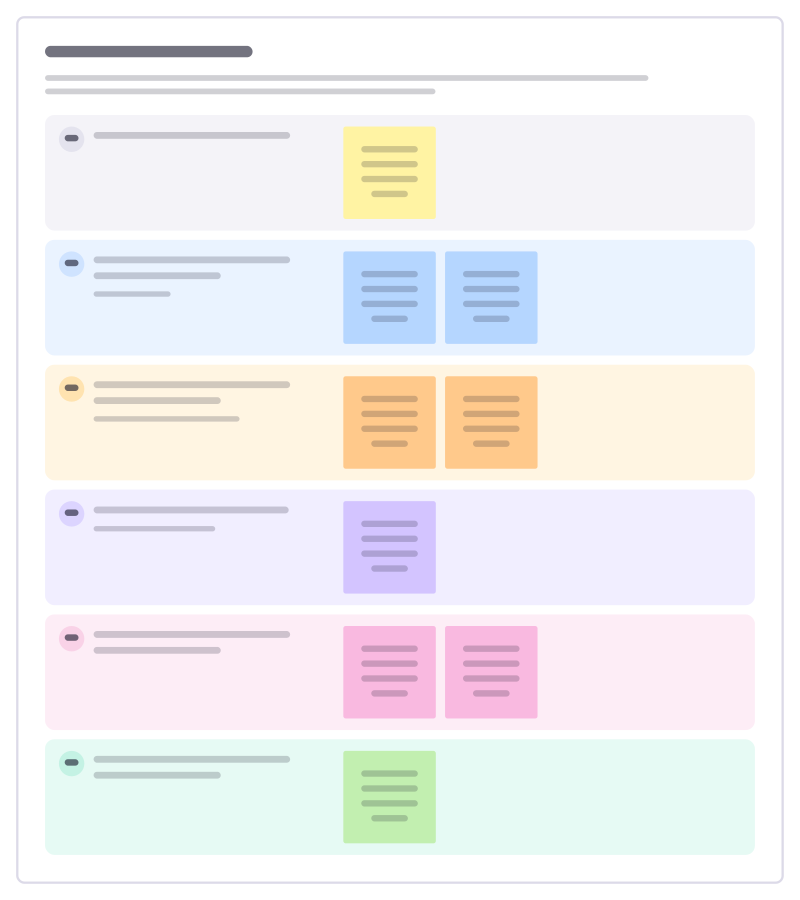
Problem reframing
Before solving, restate the problem in several ways, broader, narrower, flipped, from another angle, and pick the frame worth working on.
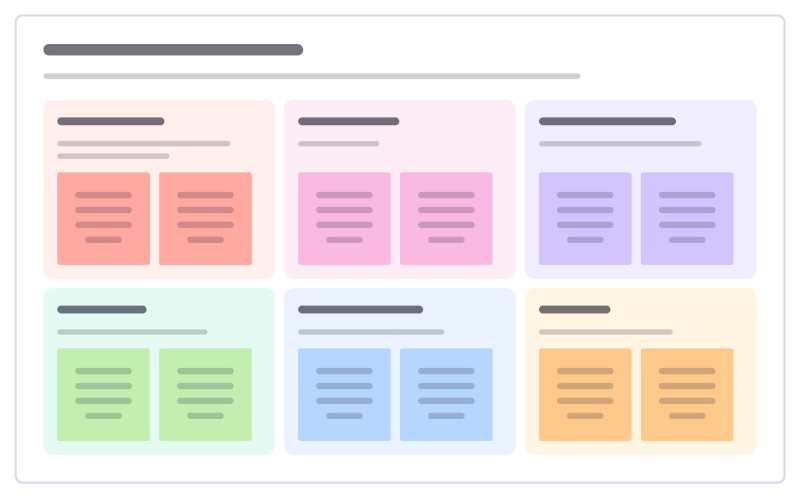
Hackathon project pitch
One page for a hackathon team: the problem, who has it, what you will build in the time, the demo you will show and who you need.
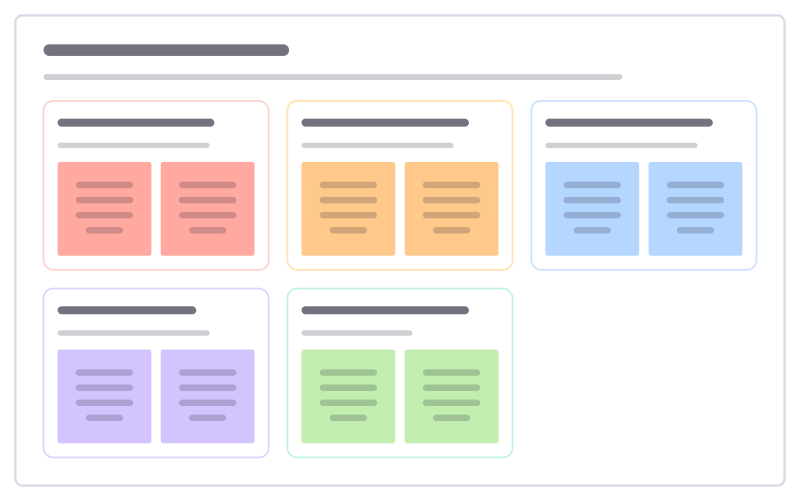
Support ticket themes
Group a month of support tickets into themes, with counts and examples, so product and ops fix the causes instead of answering forever.
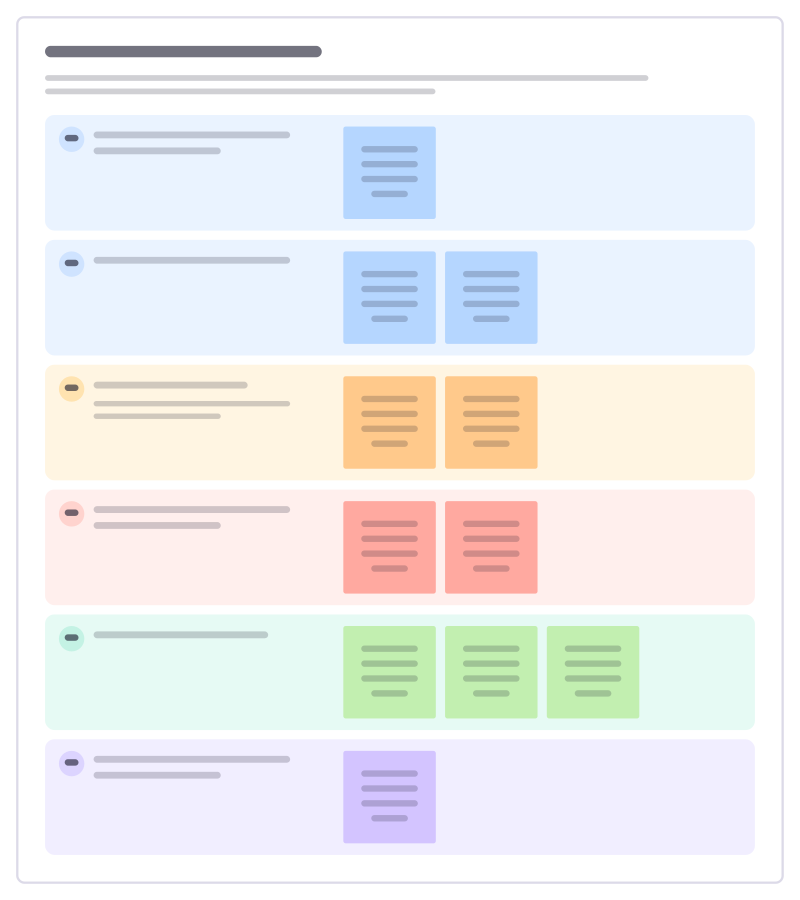
Privacy impact assessment
Before a new project uses personal data, think through what it collects, the risks to the people involved and how to reduce them.
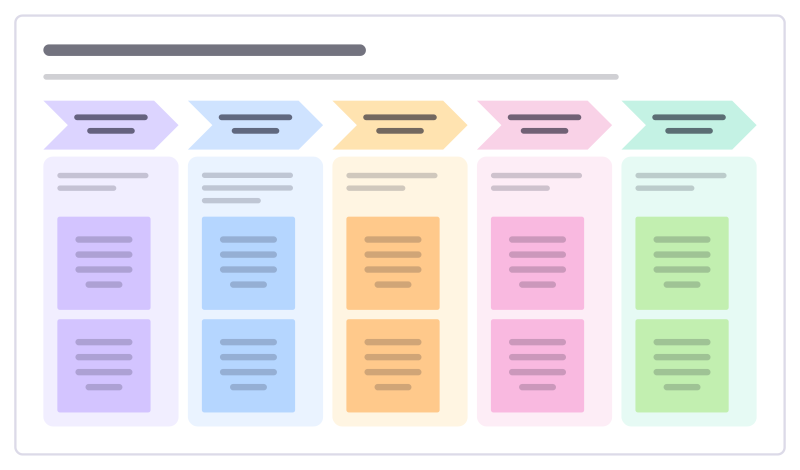
New product introduction gates
Take a new product from concept to full-rate production through gates, with what must be true before each one is passed.
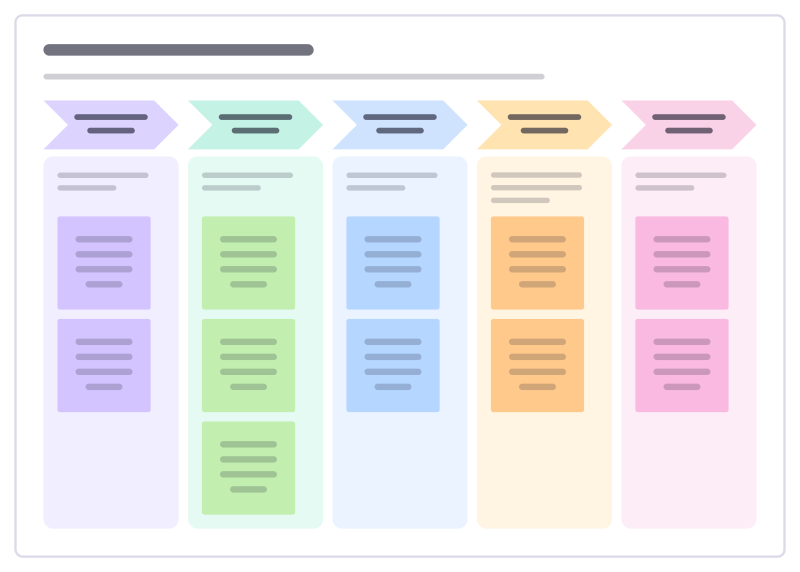
Launch announcement plan
Plan how a launch reaches people: the tease, the announcement day, the follow-up demos and the long tail.
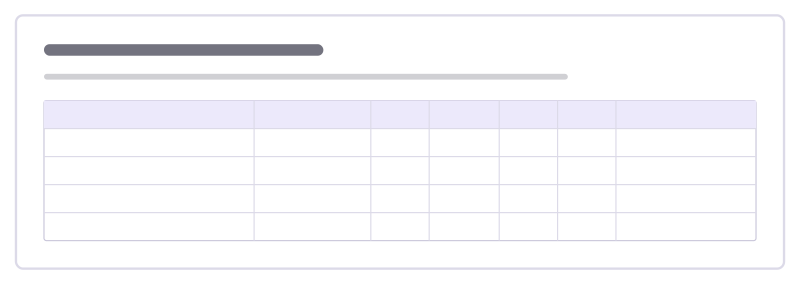
Growth experiment backlog
Collect growth ideas, score each on impact, confidence and ease, and run the best ones as small experiments.
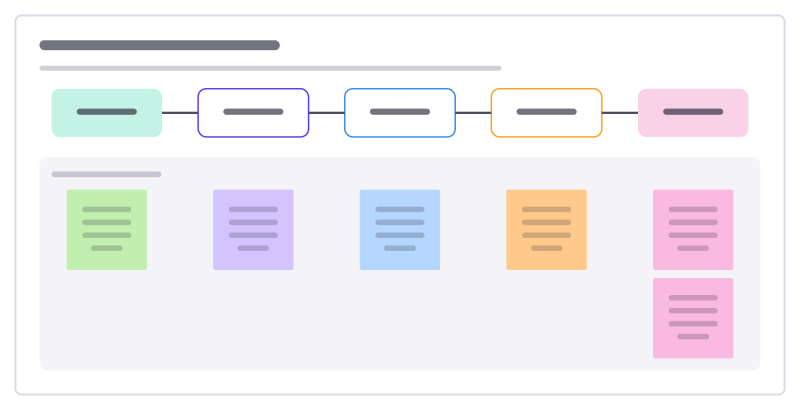
Referral programme design
Design how happy customers bring others: the trigger moment, the ask, the reward for both sides, and how you track it.
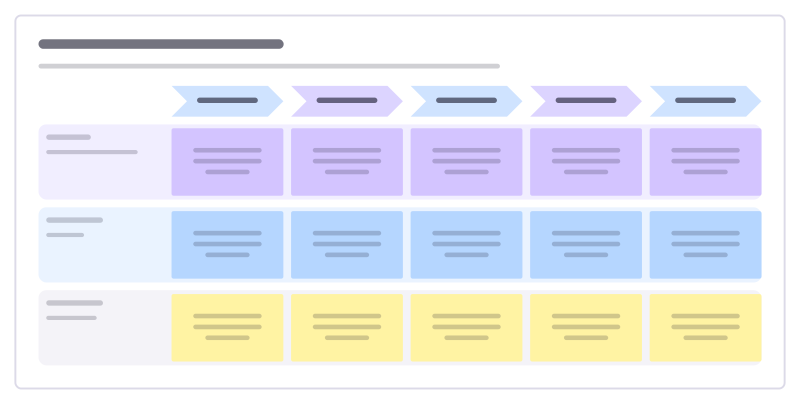
Customer lifecycle messages
Map the messages a customer gets at each stage, from sign-up to renewal: the goal, the message and the channel.
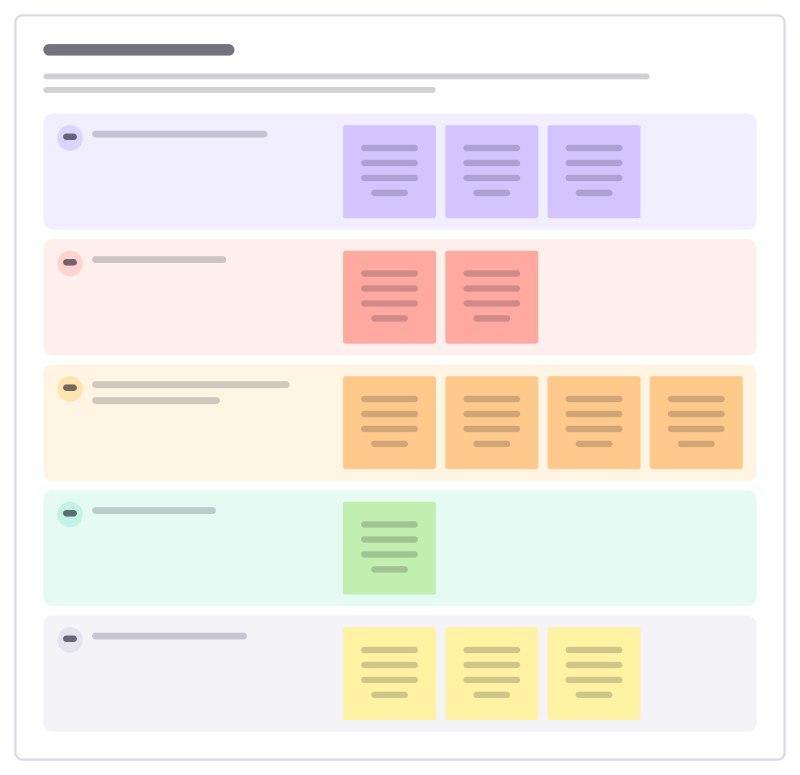
Naming workshop
Find a name for a product or feature: what it must say, lots of candidates, a shortlist and the checks before you commit.
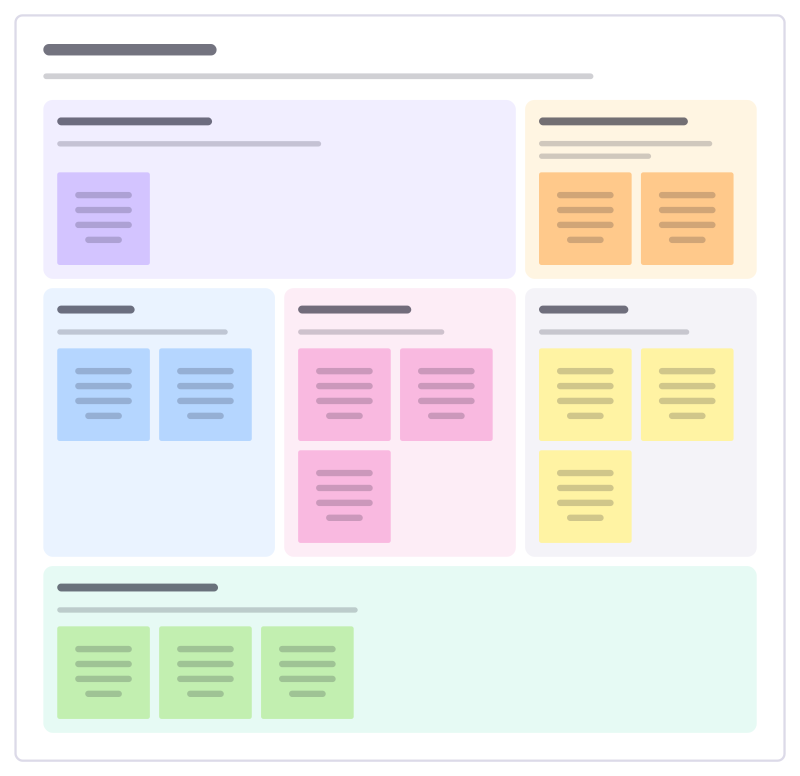
Research plan
Plan a study before booking anyone: the decision it informs, the questions, method, participants, timeline and how you’ll share it.
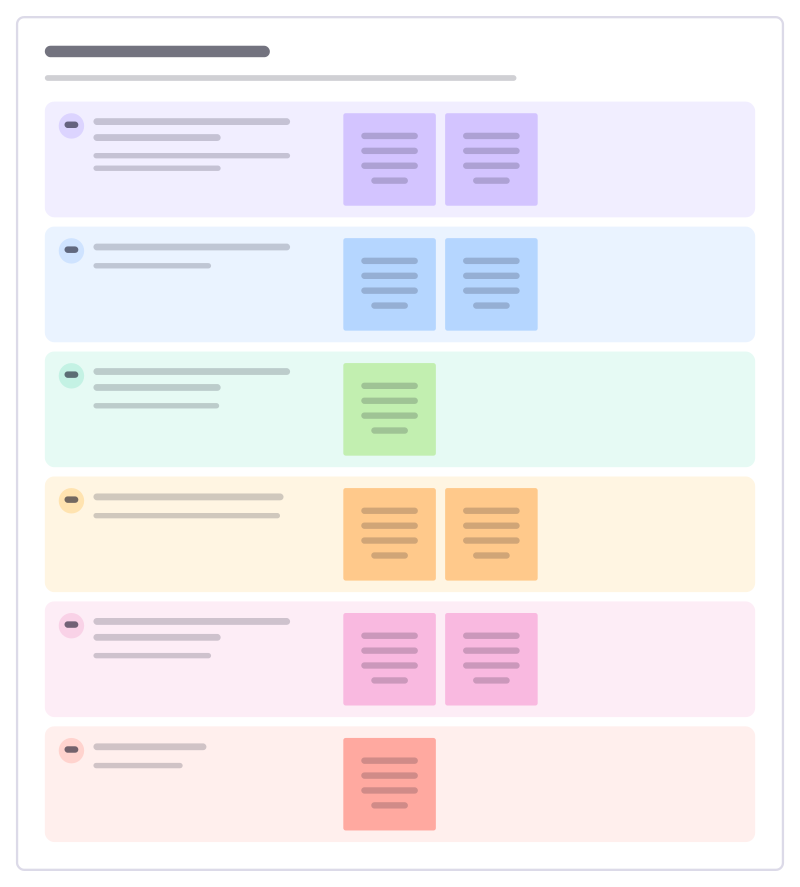
Positioning builder
Work out who you are for, what you replace and why you win, one question at a time, before writing a tagline.
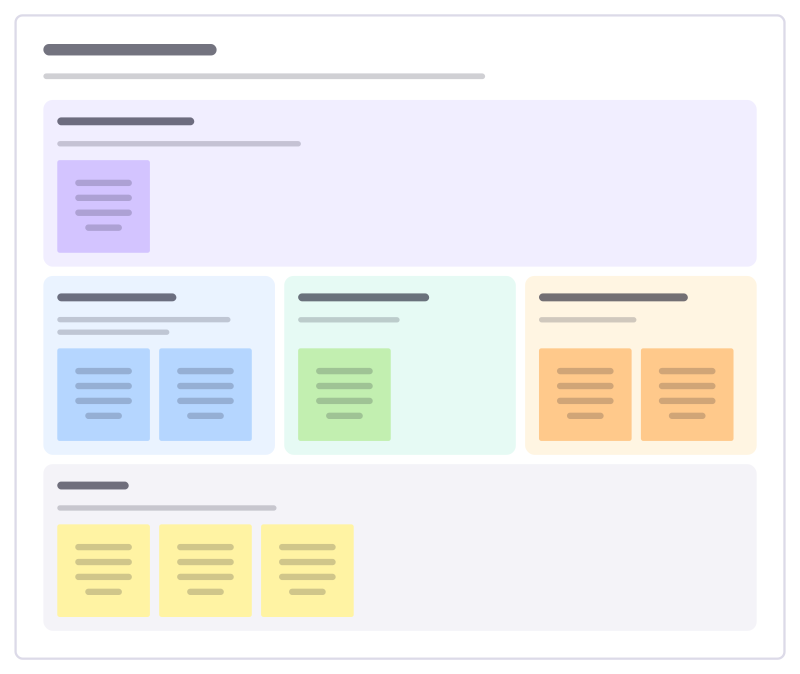
Message house
One umbrella message on top, three supporting pillars and the proof underneath, so every channel tells the same story.
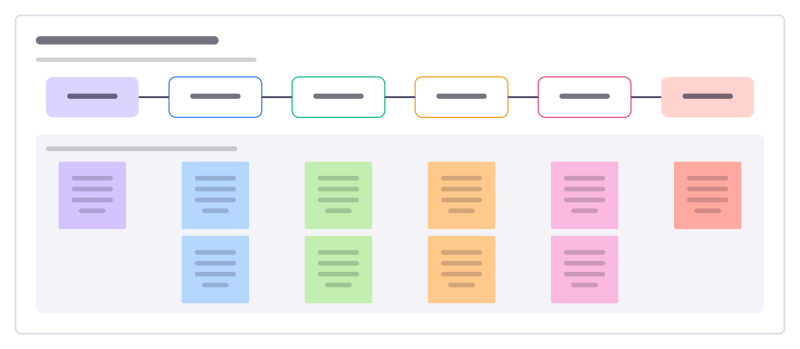
Email nurture sequence
The emails a new sign-up gets, step by step, with the goal of each and the subject line you will test.
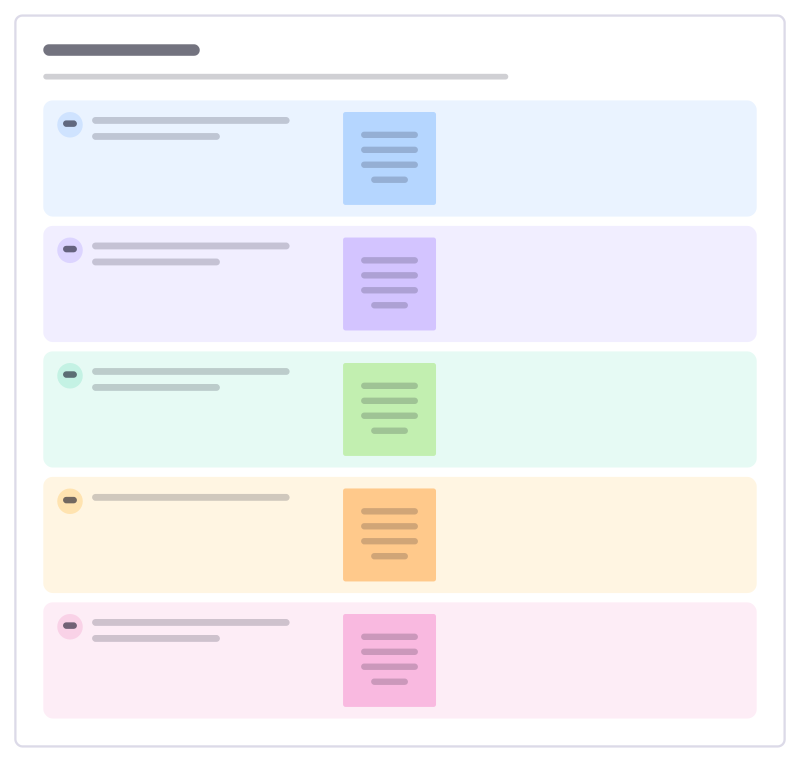
Demo script
Plan a demo around the buyer’s problem: the story you tell, the moments to show, the questions to ask and the close.
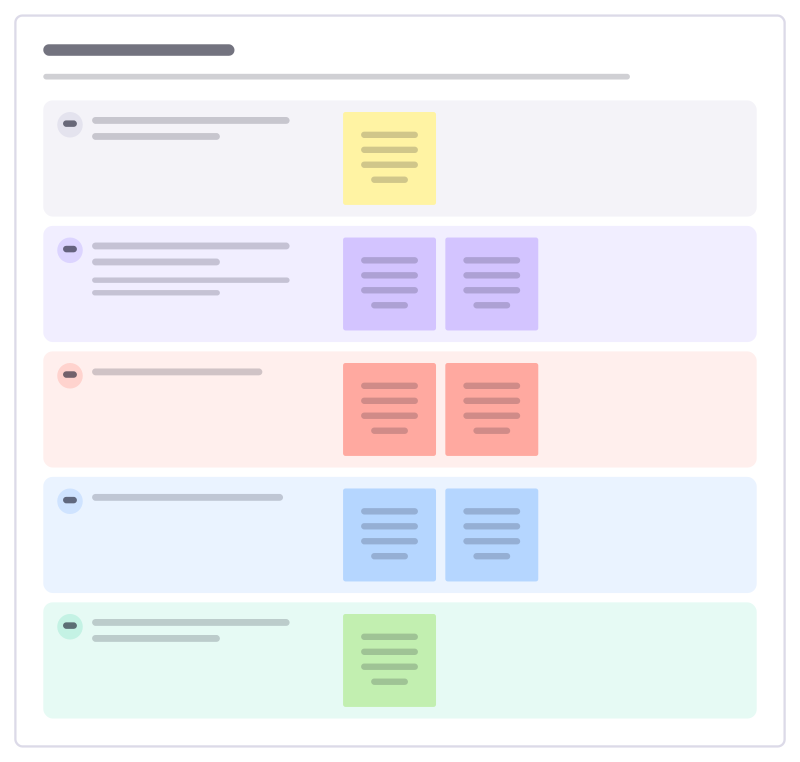
Interview guide
A discussion guide for customer interviews: warm-up, their story, the problem in depth, current workarounds and wrap-up.
Insight synthesis
Turn research notes into insights: what you observed, what it means, and what the team should do about it.
Research repository index
One place to find past research: each study’s question, date, method, key finding and where the full material lives.
Behavioural segments
Group customers by what they do and need rather than by age or job title, with what each group needs from you.
Bring your team and your agents to one board
Free to use, open source, and yours to host. No credit card, no seat count.