Templates
Software engineering templates, page 2
Sketch a system and its data, write the design and the decision behind it, run an incident from timeline to postmortem, and plan migrations, rollouts and on-call handovers together.
89 free templates · Editable · Works with Claude and ChatGPT · Page 2 of 2
Software engineering templates 61–89 of 89
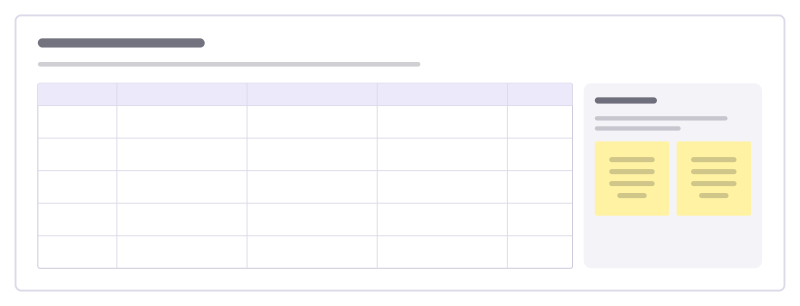
Eval review board
Go through test cases for an AI feature: the input, what good looks like, what it actually said and the verdict.
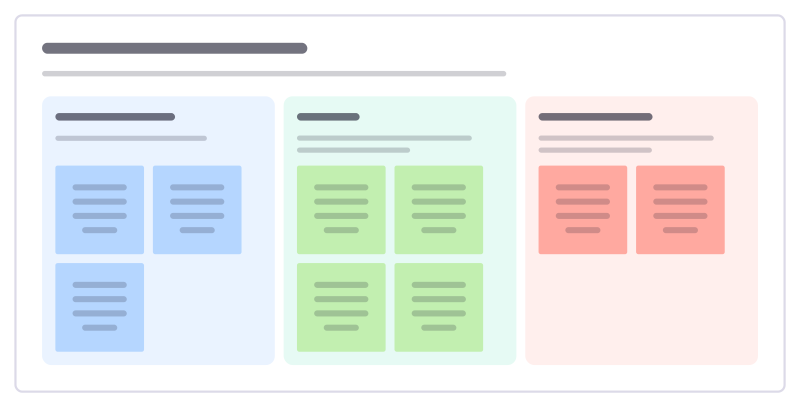
Ready and done checklists
Agree what an item needs before the team starts it, and what has to be true before anyone calls it done.
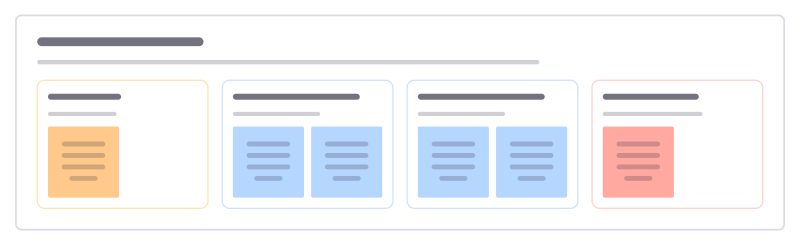
Rules and examples
Before building a story, agree its rules and a concrete example for each, and collect the questions nobody can answer yet.
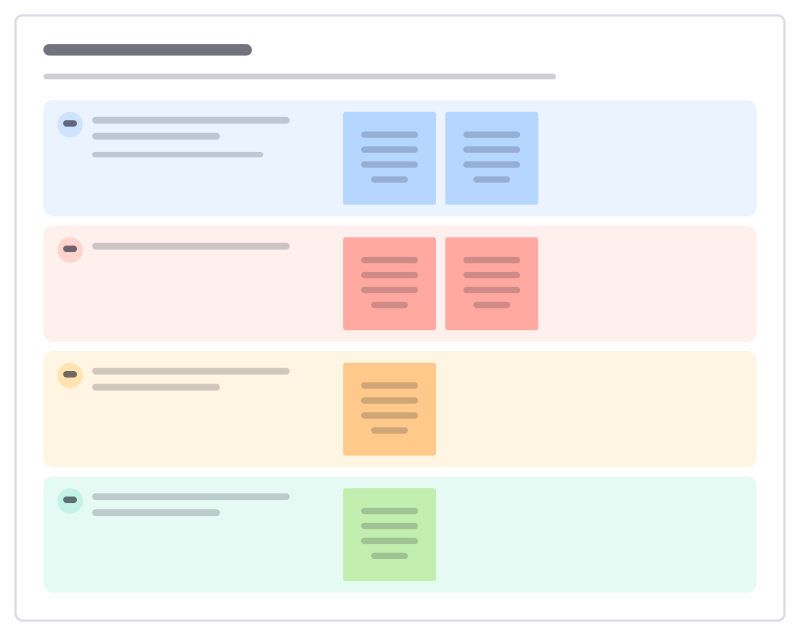
Cycle time review
Look at how long work really took from start to finish, where it waited, and what would make it flow faster.
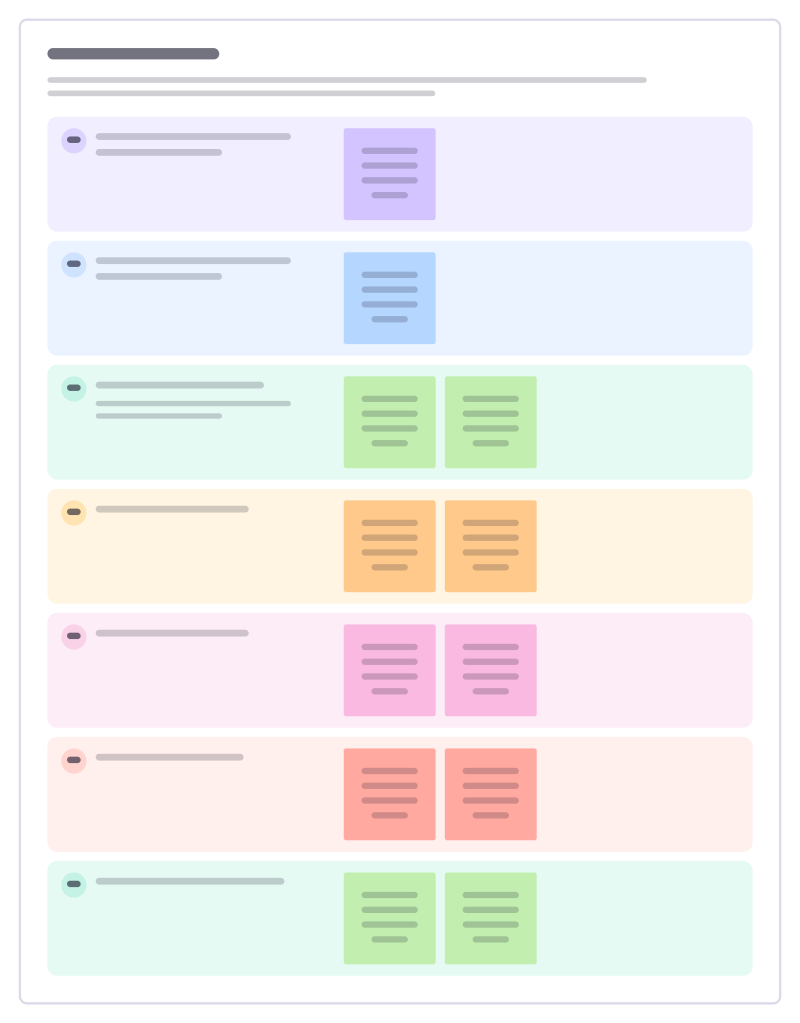
Analysis plan
Plan a piece of analysis before touching the data: the question, what answer would change a decision, the data, the method and the risks.
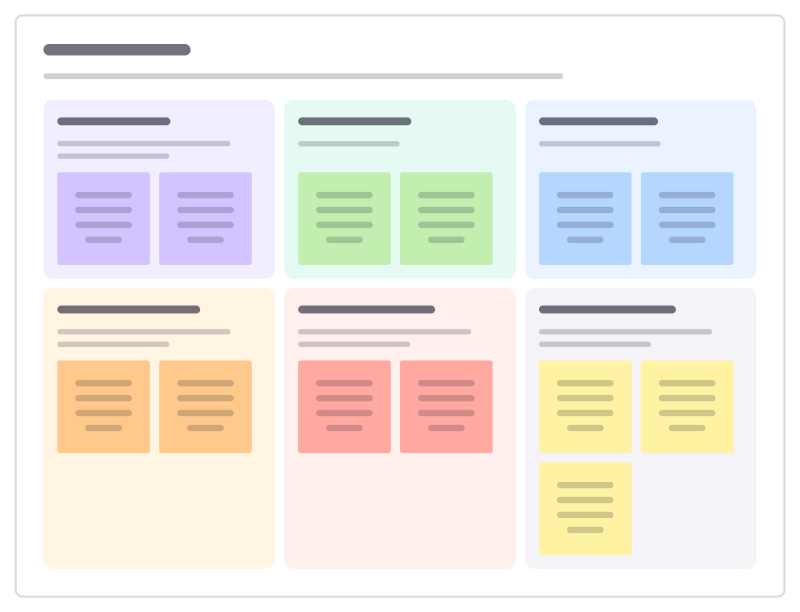
Model card
Describe a machine learning model for the people who rely on it: what it does, its data, how well it works, for whom, and its limits.
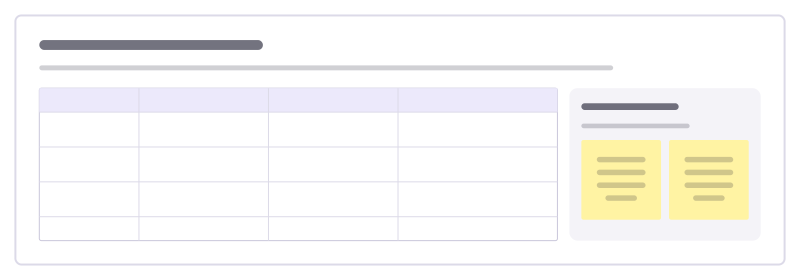
Analytics tracking plan
Decide which user actions a feature records before it is built: the event names, what each carries and the question it answers.
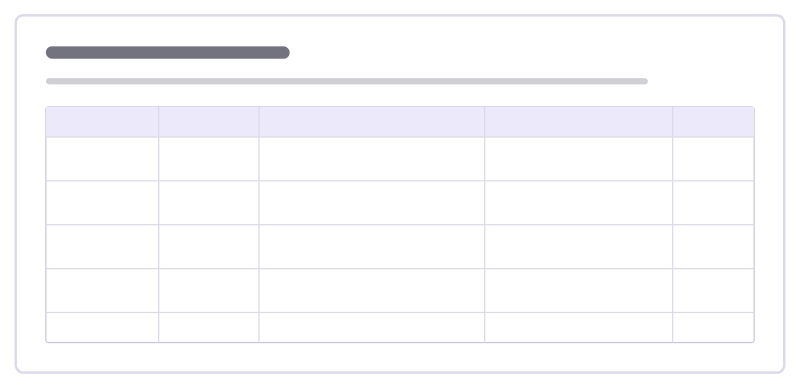
Design system audit
Inventory how a component is really used across the product, the inconsistencies you found and what to do about each one.
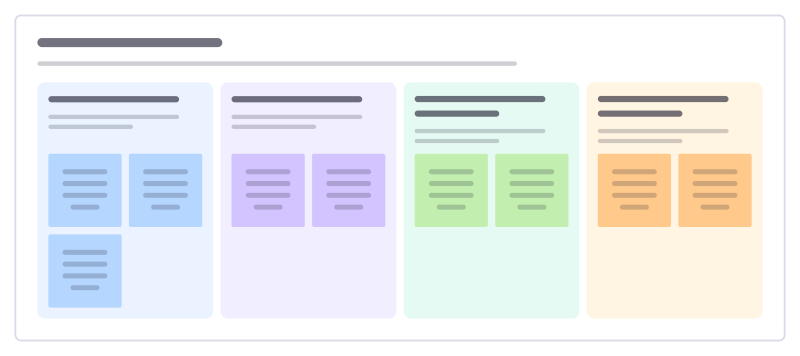
Accessibility review
Review a screen or flow against the four public principles of accessible design, with concrete checks and what to fix.
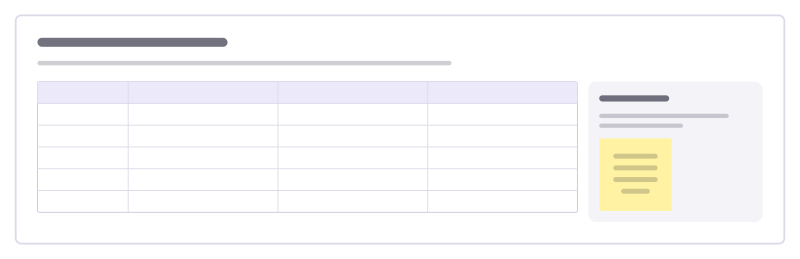
Build, buy or partner
Compare building a capability yourself, buying it, or partnering for it, on cost, speed, control and risk.
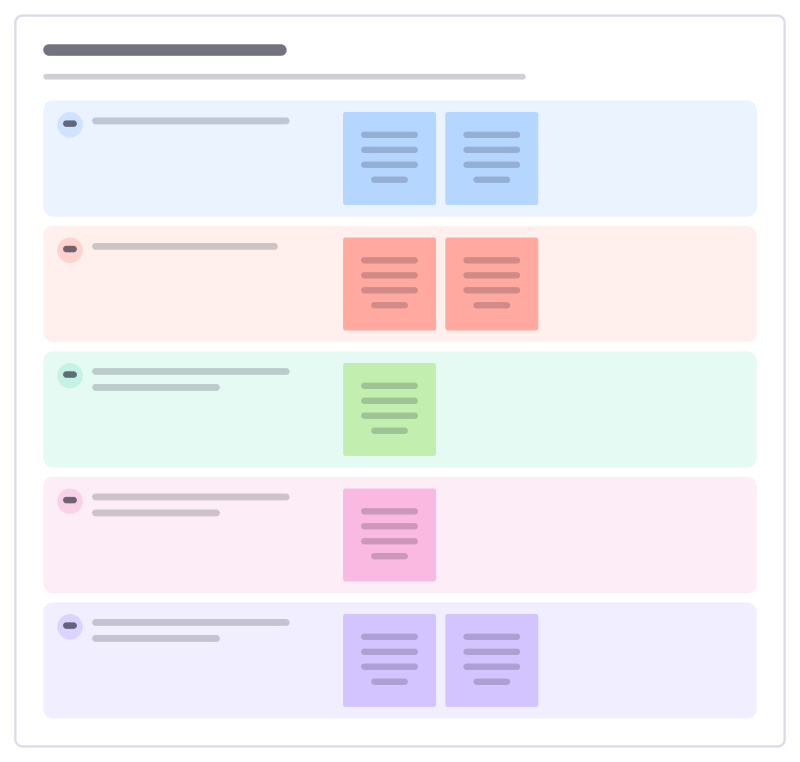
Feature sunset review
Decide whether to retire a feature: who still uses it, what it costs to keep, what replaces it and how to tell people.
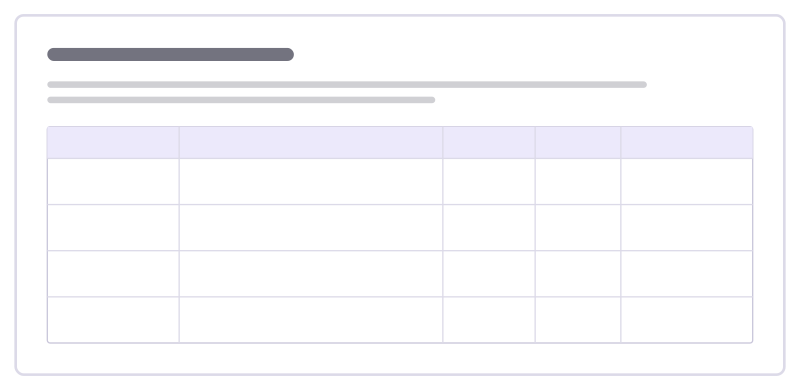
Metric definitions
One agreed definition per product metric: what it counts, how it’s calculated, its target, owner and where the data comes from.
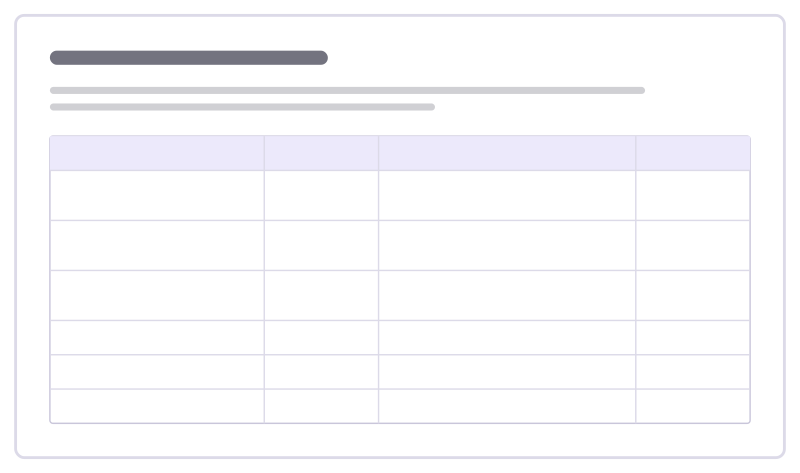
Design QA checklist
Check a built feature against the design before release: layout, states, content, accessibility and responsiveness.
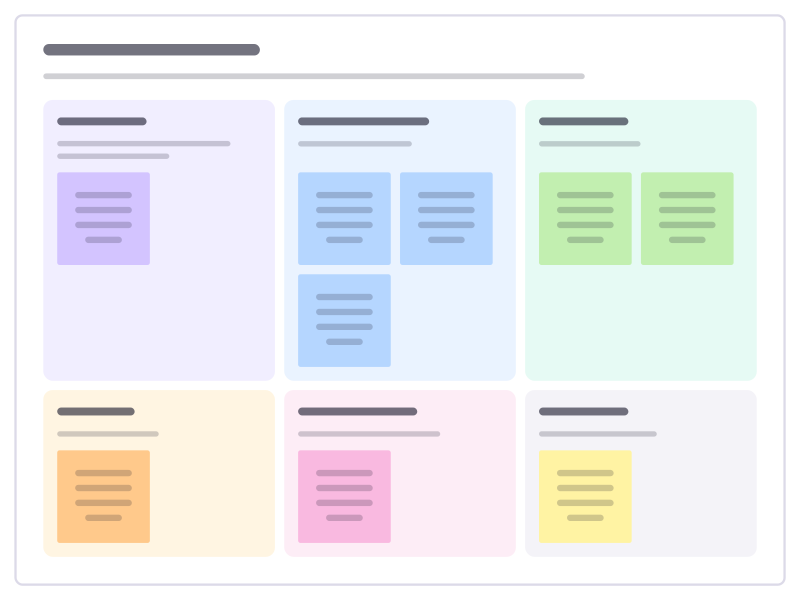
Component proposal
Propose a new design system component: the need, where it’s used, its variants and states, accessibility and what it replaces.
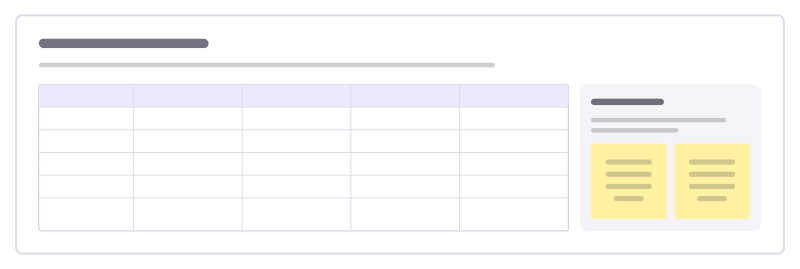
Morphological box
Split a design problem into its parameters, list the options for each, then combine one option per row into whole concepts.
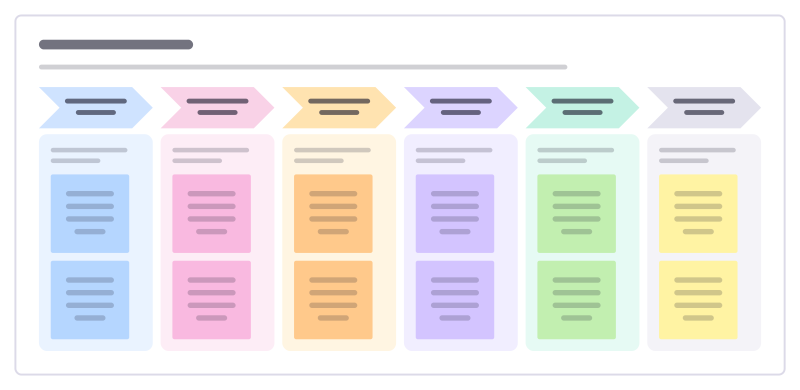
Hackathon plan
Plan an internal hackathon from theme to demos: dates, teams, rules, judging and what happens to the winning projects afterwards.
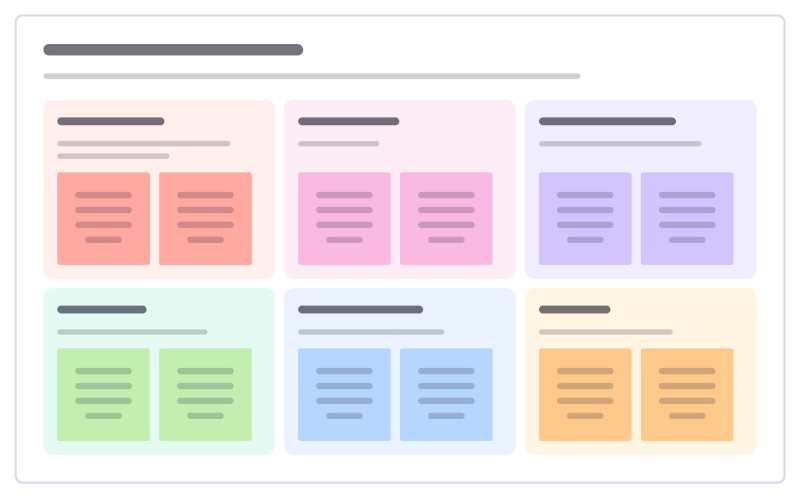
Hackathon project pitch
One page for a hackathon team: the problem, who has it, what you will build in the time, the demo you will show and who you need.
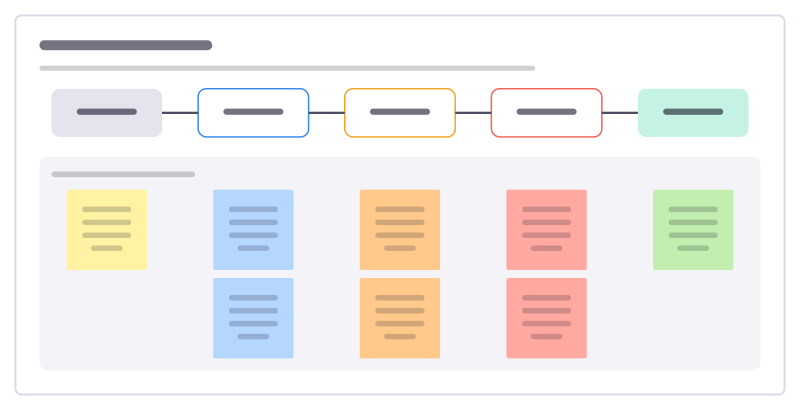
Value stream map
Follow one request through every step to delivery, with work time and wait time at each, to see where time really goes.
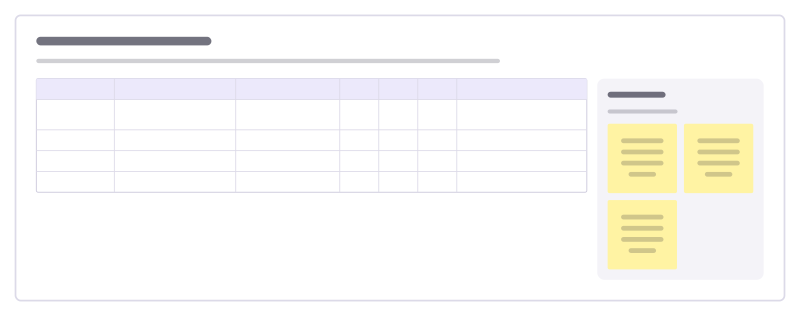
Failure modes review
Go step by step through a process and ask how each step could fail, how bad it would be, how likely, and how you’d catch it.
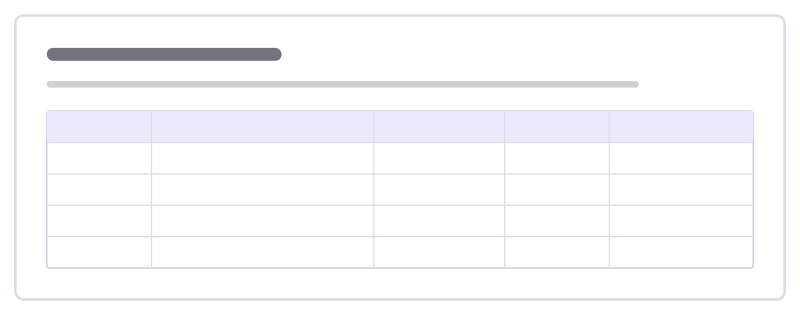
Escalation matrix
Who to call, how fast, at each severity level: so nobody wonders at 2am whether to wake someone up.
Records of processing
Keep a record of each activity that uses personal data: what data, why, on what basis, who it is shared with and how long it is kept.
Privacy impact assessment
Before a new project uses personal data, think through what it collects, the risks to the people involved and how to reduce them.
Vendor security review
Check a supplier before they get your data or systems: what they will access, how they protect it and what the contract must say.
Data retention schedule
Decide how long each kind of record is kept, why, where it lives and what happens to it at the end, then check that it happens.
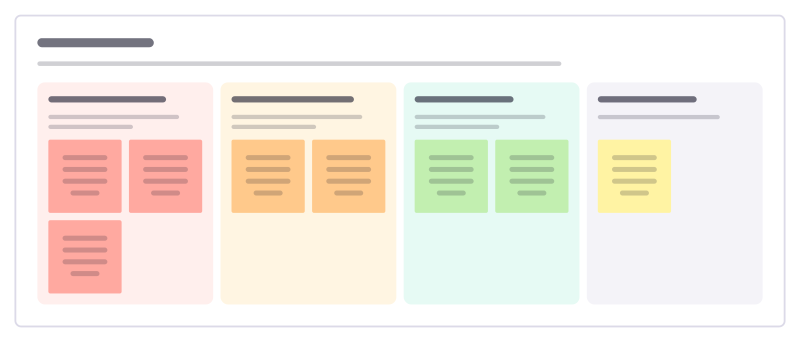
Pre-mortem
Imagine the project has already failed, list every reason why, then decide what to do now so it doesn’t.
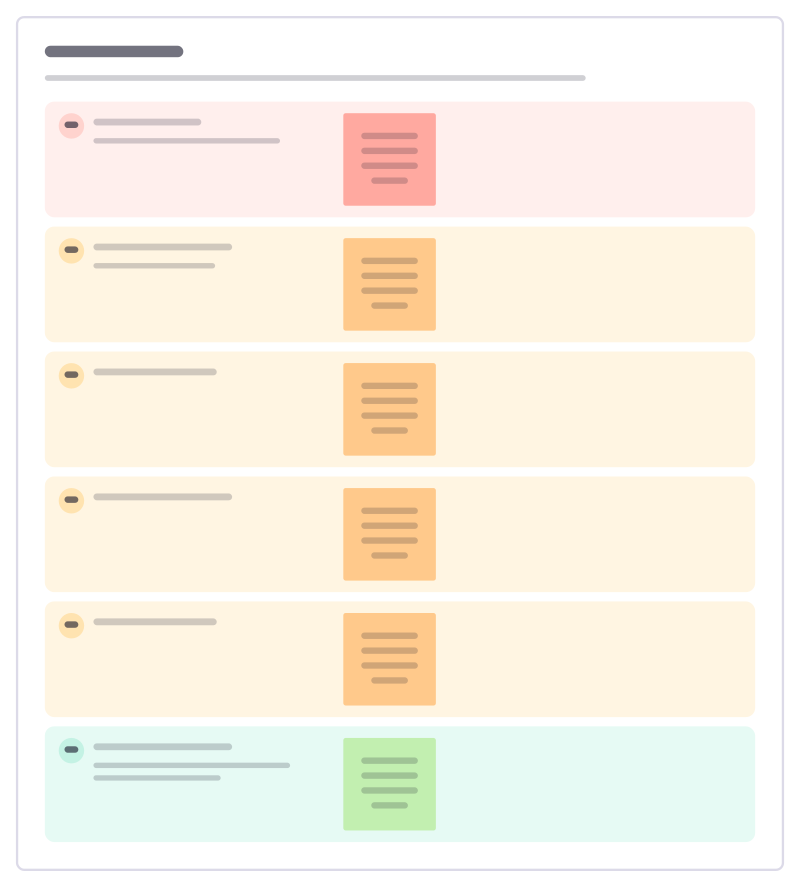
Five whys
Ask "why?" until you reach a cause you can actually fix, writing down the evidence for each answer on the way.
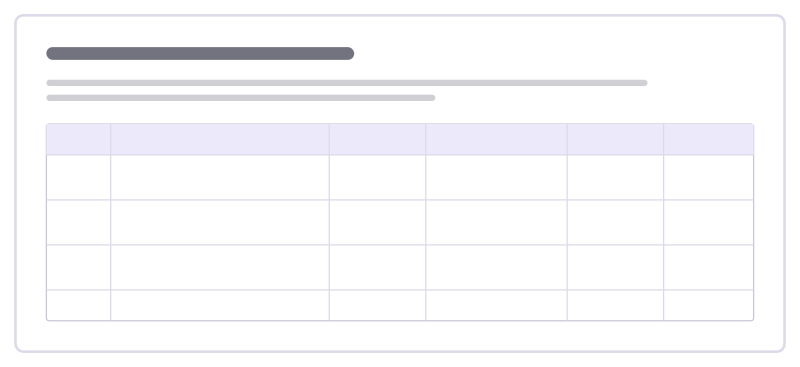
Requirements traceability
Trace each requirement to the design that meets it, the test that proves it and its status, so nothing agreed is forgotten at sign-off.
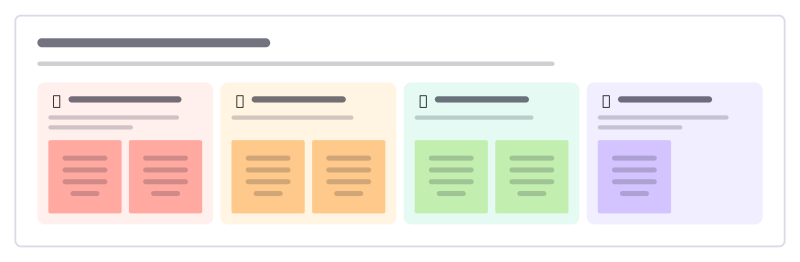
Straw, sticks, bricks retro
Sort the team’s practices by how sturdy they are: flimsy ones that fall over, shaky ones that need work, solid ones to build on.
Release retrospective
Look back at one release: what we planned against what shipped, quality signals, how the hand-offs went and what changes next time.
Bring your team and your agents to one board
Free to use, open source, and yours to host. No credit card, no seat count.